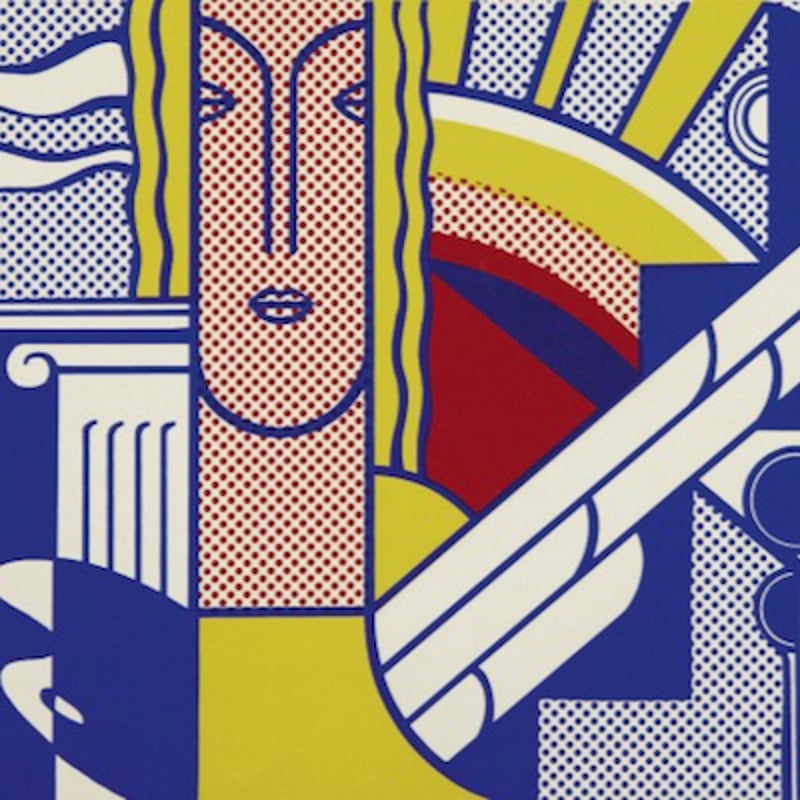
What is late modernism?
- Show All
- Established
- Discoveries
- Show All
Artworks Related to Late modernism
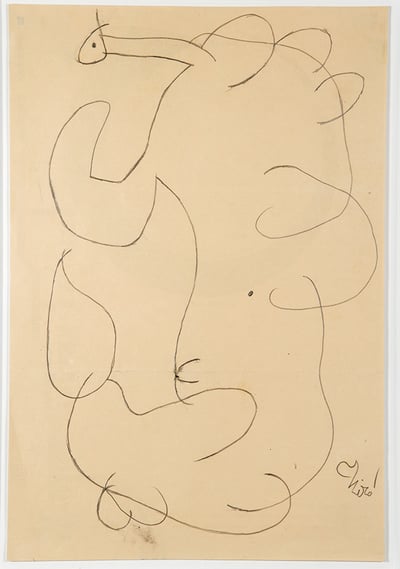
Joan Miró
Personnage, 1980
Drawing / Watercolor
Pencil
Inquire For Price
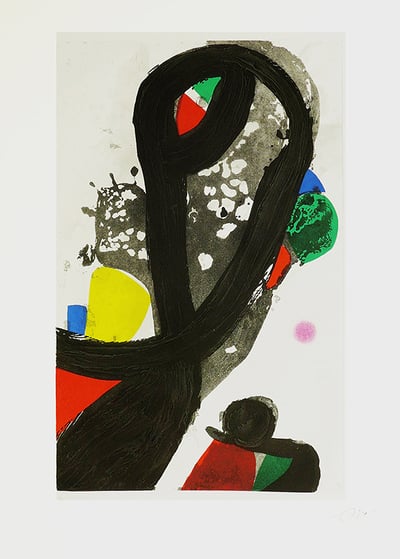
Joan Miró
La veuve du corsaire, 1981
Limited Edition Print
Etching and Aquatint
EUR 9,500

Joan Miró
Création Miró MCMLXI, 1962
Limited Edition Print
Etching and Aquatint
EUR 3,350
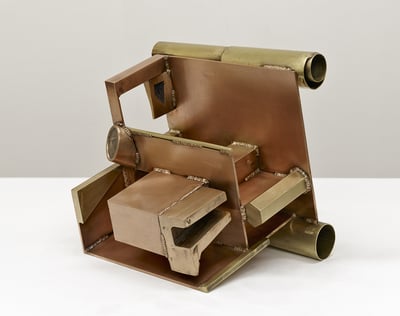
Anthony Caro
House Pitch, 2011
Sculpture / Object
Object
Inquire For Price
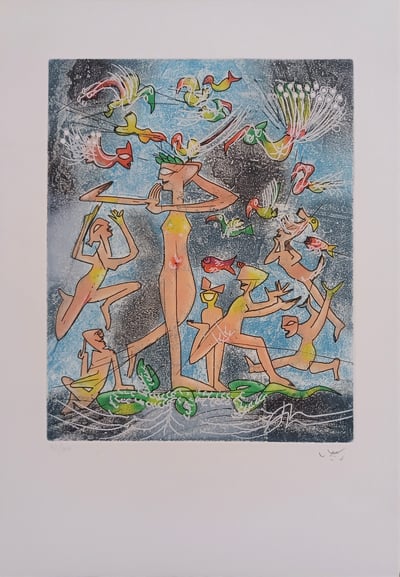
Roberto Matta
Demoiselles, c.1975
Limited Edition Print
Etching and Aquatint
Currently Not Available
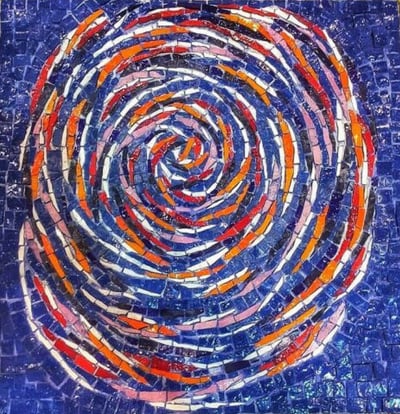
Piero Dorazio
Vortice, 1989
Sculpture / Object
Mosaic
EUR 2,000
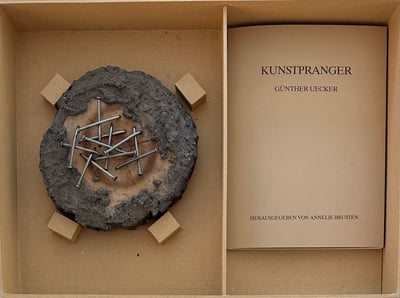
Gunther Uecker
Baum. Kunstpranger, 1984
Sculpture / Object
Mixed Media
EUR 10,800
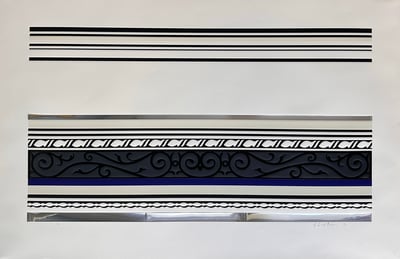
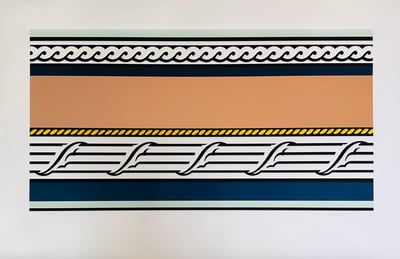
Roy Lichtenstein
Entablature IX (146), 1976
Limited Edition Print
Collage
EUR 20,000 - 25,000
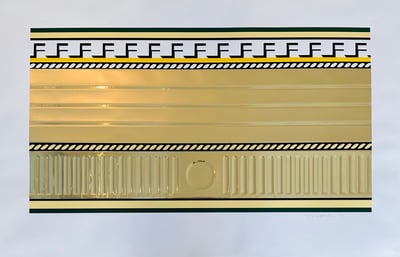
Roy Lichtenstein
Entablature IV (141), 1976
Limited Edition Print
Collage
EUR 20,000 - 25,000
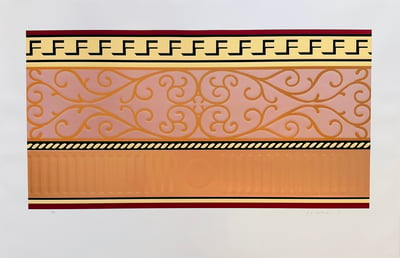
Roy Lichtenstein
Entablature III (140), 1976
Limited Edition Print
Collage
Inquire For Price
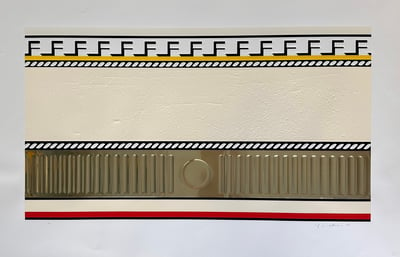
Roy Lichtenstein
Entablature II (139), 1976
Limited Edition Print
Collage
EUR 20,000 - 25,000
Roy Lichtenstein
Entablature I (138), 1976
Limited Edition Print
Collage
EUR 20,000 - 25,000
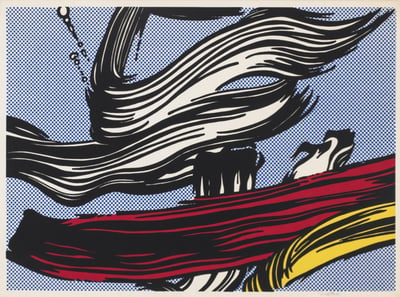
Roy Lichtenstein
Brushstrokes, 1967
Limited Edition Print
Screen-print
Inquire For Price
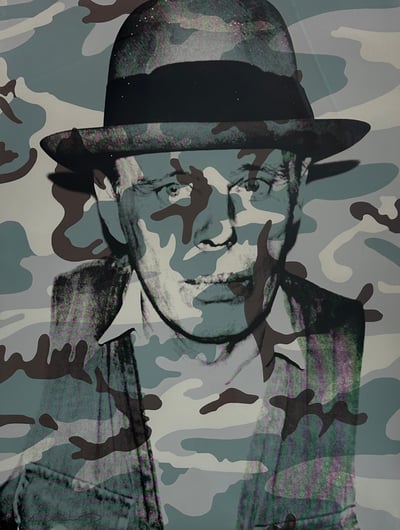
Andy Warhol
Joseph Beuys in Memoriam, 1986
Limited Edition Print
Screen-print
EUR 30,000 - 40,000

Henry Moore
Head, 1975
Limited Edition Print
Lithograph
USD 1,100

Sean Scully
Red Fold, 2006
Limited Edition Print
Aquatint
USD 6,000
Related Articles

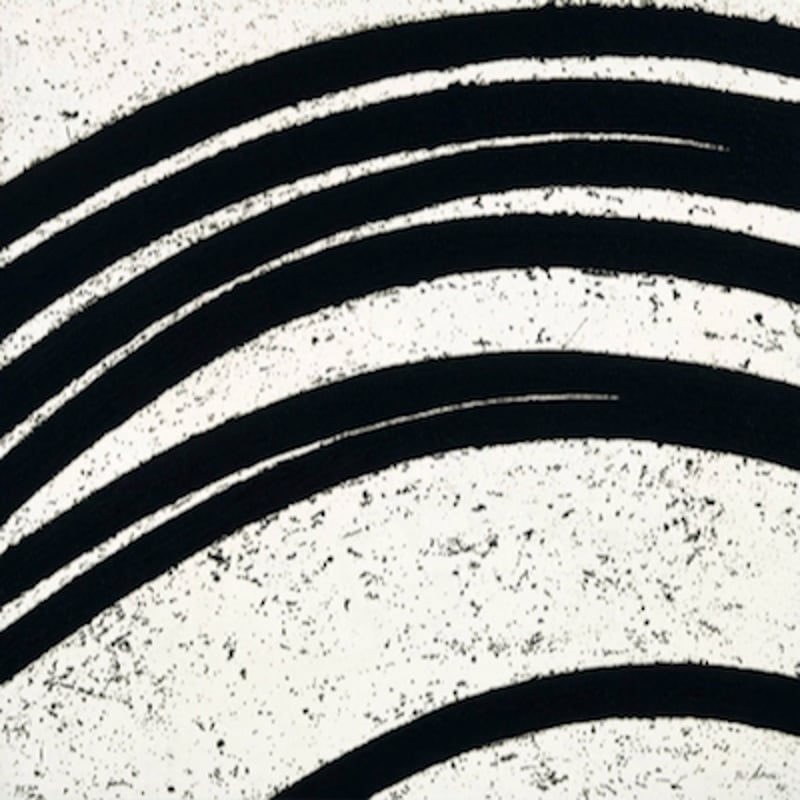
Postminimalism refers to a range of art styles that emerged in the 1960s, following the Minimalism movement. While Minimalism focused on simplicity and impersonality, Postminimalist artists retained some elements of Minimalism but also explored greater expressiveness, experimenting with new materials and techniques. This movement includes various forms of art such as conceptual art, body art, performance art, process art, and site-specific works. Postminimalism represents a shift toward more personal, tactile, and process-oriented approaches to art-making.
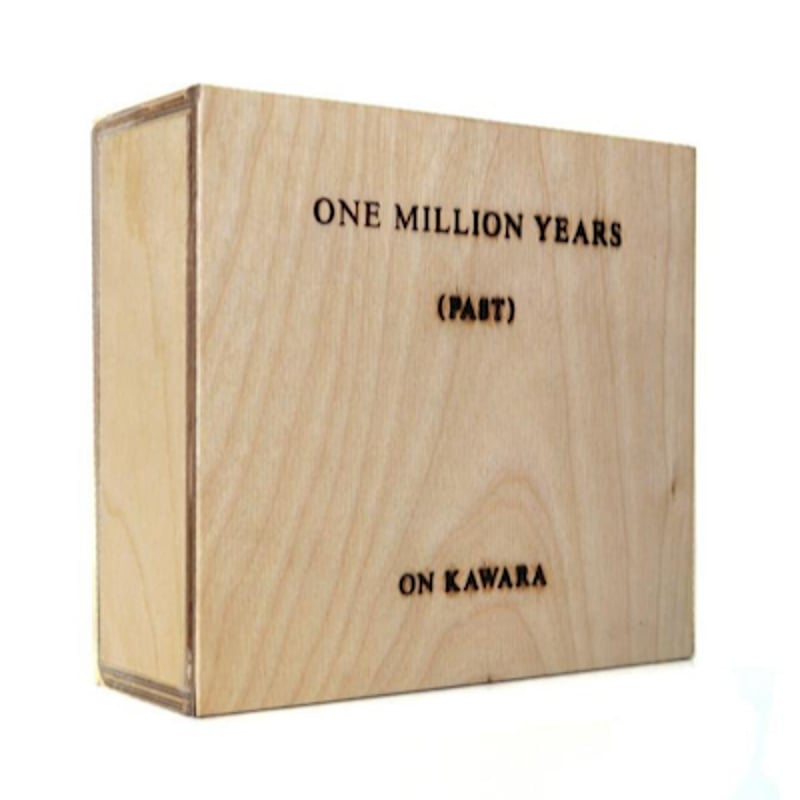
Mail Art is a populist art movement centered on the creation and exchange of small-scale artworks through the postal service. It developed out of the Fluxus movement in the 1950s and 1960s and has since evolved into a global art movement. Ray Johnson is recognized as the first mail artist, and his New York School is considered the first network of mail artists. Mail artists rely heavily on a network to exchange their works, often creating a community of artists connected through the postal system.
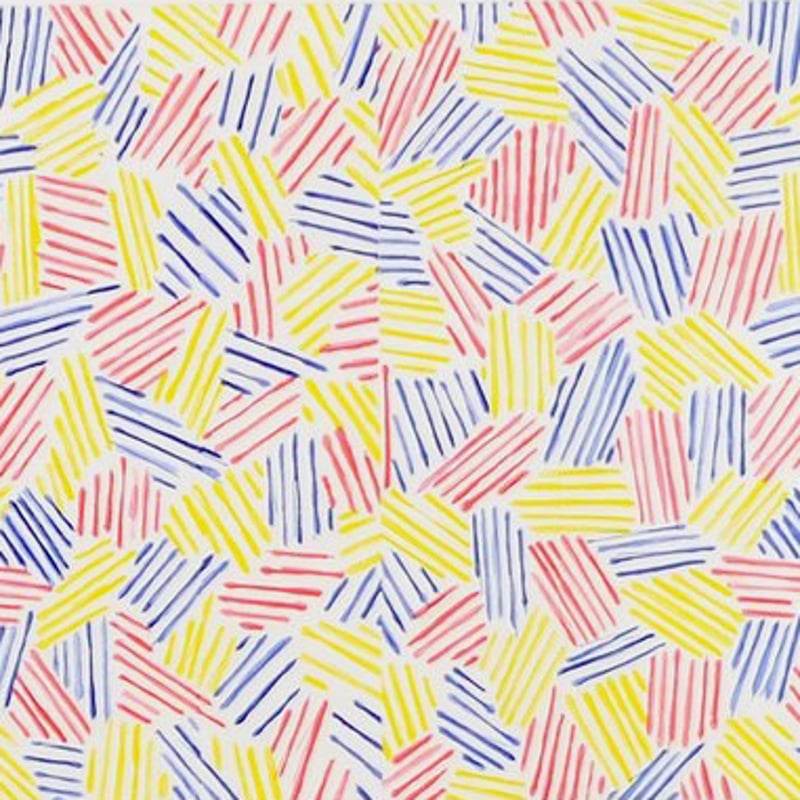
Intaglio is a printmaking technique where a design is incised below the surface of a metal or stone plate. Ink is applied to the plate, filling the incised lines or depressions, while the surface is wiped clean. The ink in the depressions is then transferred to paper using an etching press. Common intaglio techniques include engraving, etching, and drypoint.
Can't find your Answer?
Thank you! Your question has been sent — we'll get back to you shortly.
