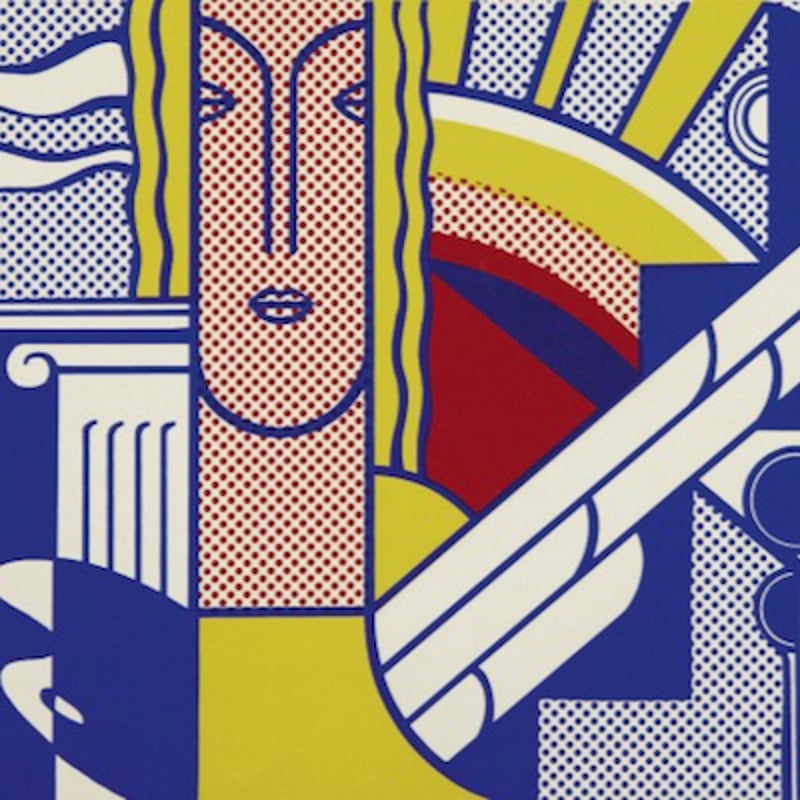
What is late modernism?
- Show All
- Established
- Discoveries
- Show All
Artworks Related to Late modernism
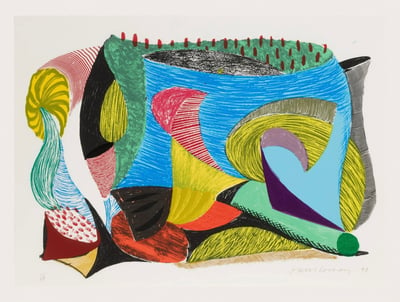
David Hockney
Above and Beyond, 1993
Limited Edition Print
Screen-print
GBP 35,000 - 40,000

David Hockney
Pool Made with Paper and Blue Ink for Book, 1980
Limited Edition Print
Lithograph
USD 70,000 - 90,000
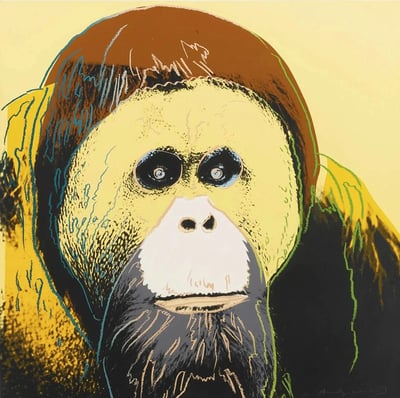
Andy Warhol
Orangutan (F. & S. II. 299), 1983
Limited Edition Print
Screen-print
Inquire For Price
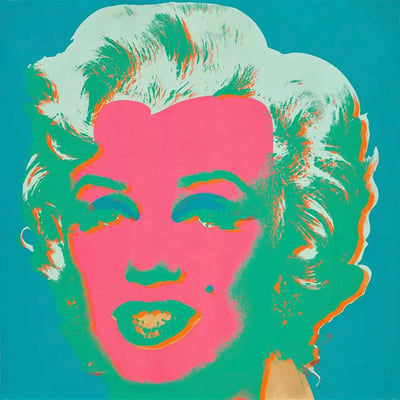
Andy Warhol
Marilyn F. S. 30, 1967
Limited Edition Print
Screen-print
GBP 190,000 - 210,000
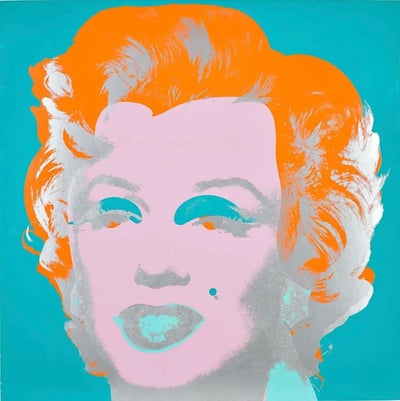
Andy Warhol
Marilyn F. S. 29, 1967
Limited Edition Print
Screen-print
GBP 250,000 - 290,000
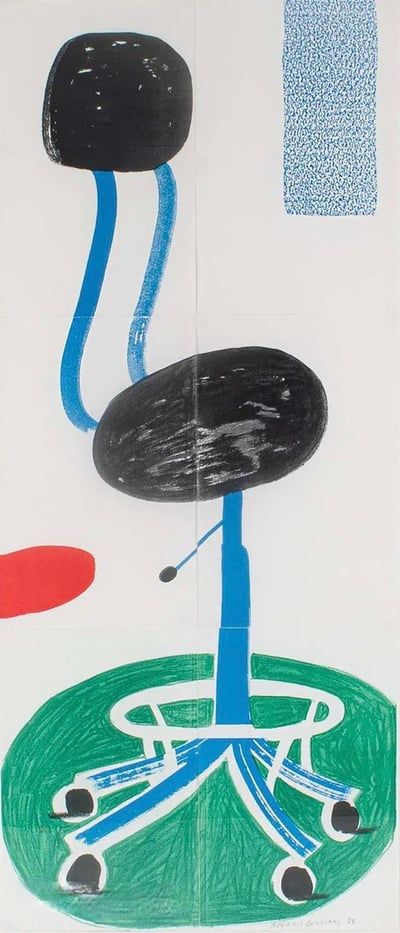
David Hockney
Office Chair, 1988
Limited Edition Print
Mixed Media
GBP 30,000 - 40,000
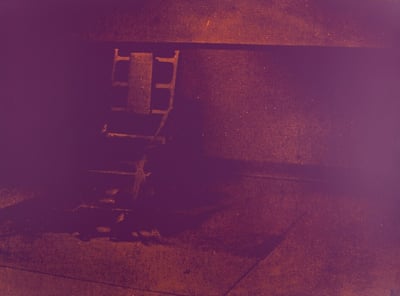
Andy Warhol
Electric Chair (F. & S. II.76), 1971
Limited Edition Print
Screen-print
GBP 19,000 - 25,000
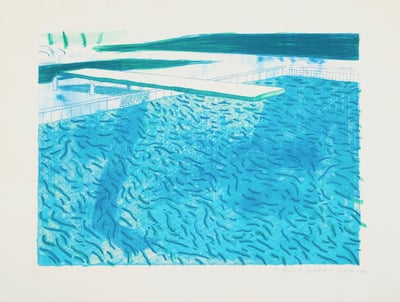
David Hockney
Lithograph of Water Made of Thick and Thin Lines and Two Light Blue Washes, 1978-80
Limited Edition Print
Lithograph
Currently Not Available

Antonio Saura
El perro de Goya II, 1988
Drawing / Watercolor
Mixed Media
Inquire For Price

Antonio Saura
Crucifixión, 1981
Drawing / Watercolor
Mixed Media
EUR 22,500

Antonio Saura
Personaje, 1998
Drawing / Watercolor
Mixed Media
EUR 23,500
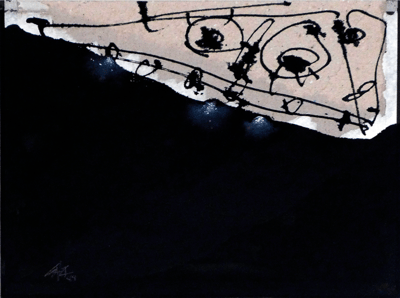
Antonio Saura
El perro de Goya I, 1988
Drawing / Watercolor
Mixed Media
Inquire For Price
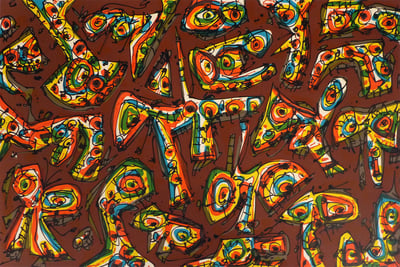
Antonio Saura
Serie Abierta (Vibrant Eyes and Abstract Shapes, 1989
Limited Edition Print
Lithograph
EUR 2,950
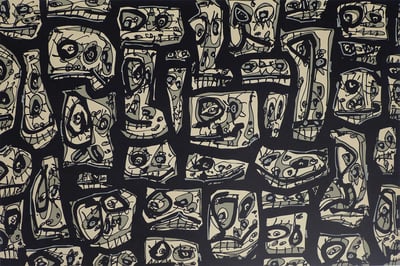
Antonio Saura
Serie Abierta (Crowded Faces), 1989
Limited Edition Print
Lithograph
EUR 2,950
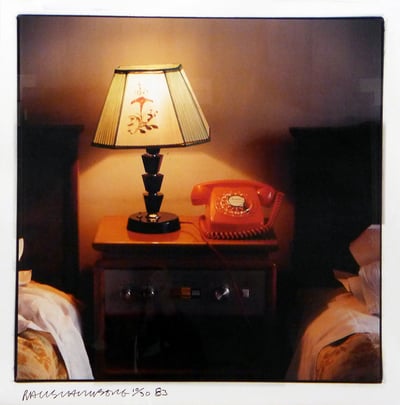
Robert Rauschenberg
Studies for Chinese Summerhall, Painted Lamp, 1983
Photography
C-Print
EUR 15,500

Henry Moore
Elephant skull (Plate A), 1969
Limited Edition Print
Etching and Aquatint
EUR 1,550
Related Articles
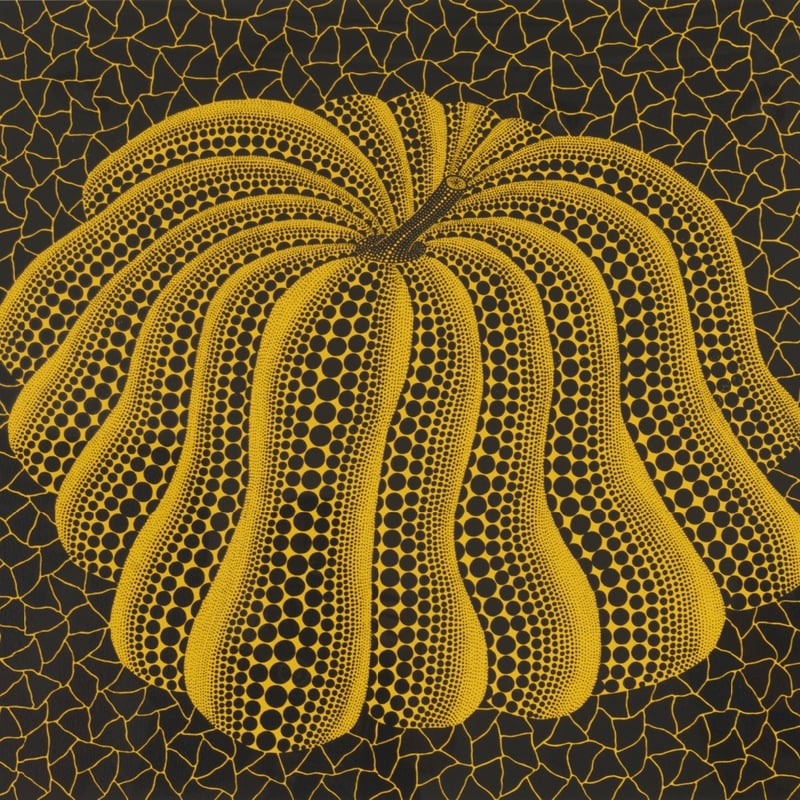
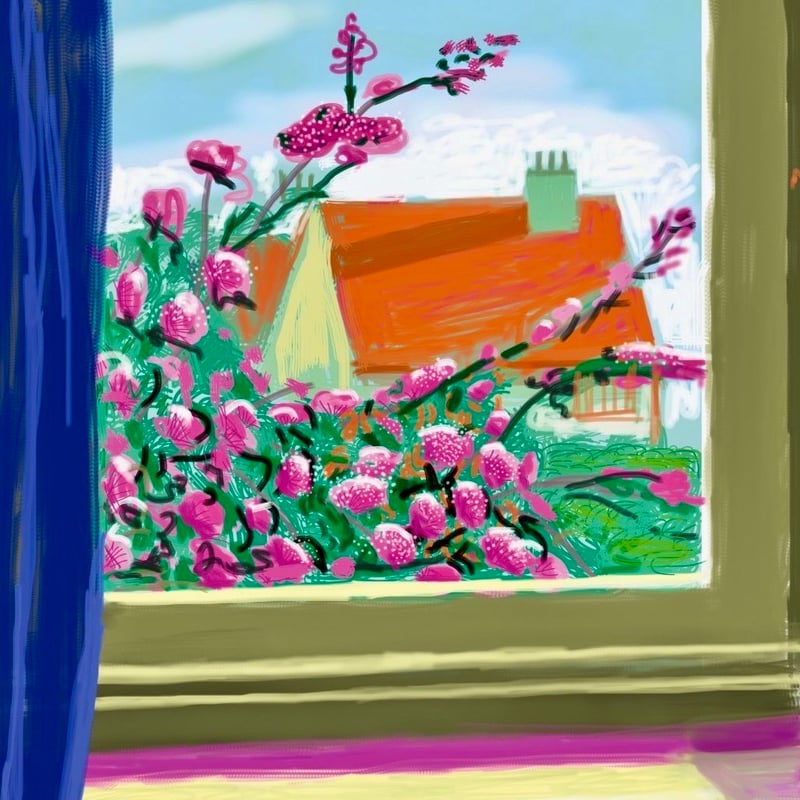
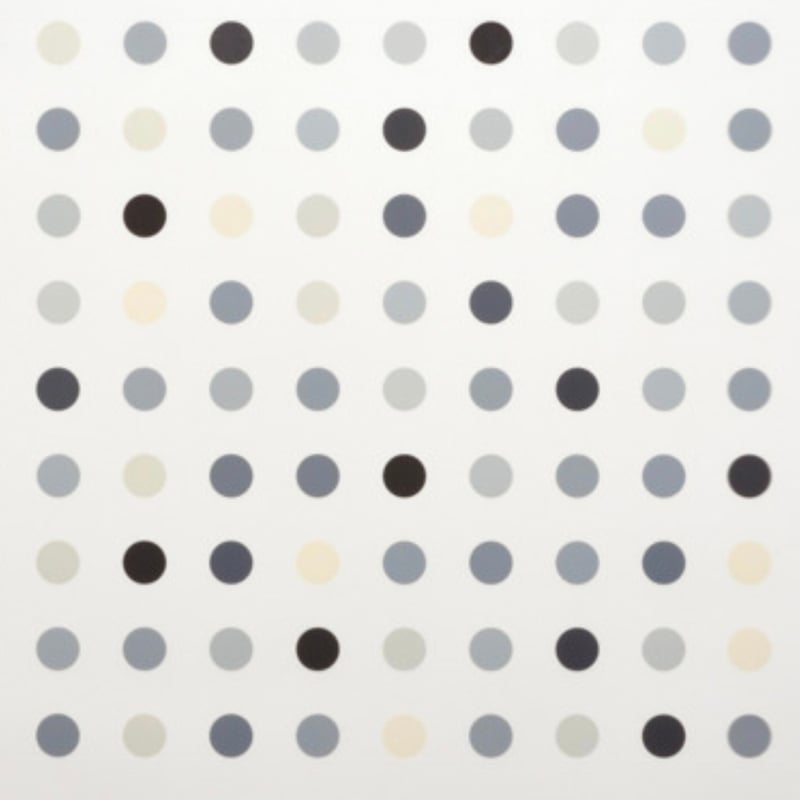
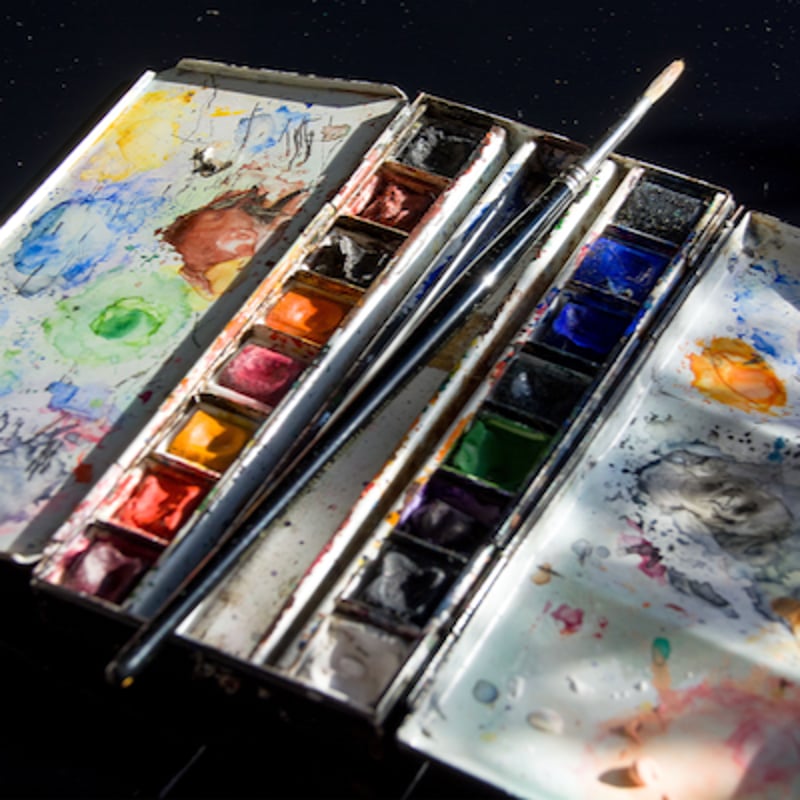
Watercolor refers to both the medium and the resulting artwork created using pigments suspended in a water-soluble vehicle. Watercolors are known for their luminous, transparent appearance because the pigments are applied in pure form with minimal fillers. By adding Chinese white, the watercolor can become opaque, resembling gouache.

Woodblock printing is a technique that uses a carved wooden surface to create an image on materials such as paper or cloth. Ink or paint is applied thinly to the carved surface, which is then pressed against the material to transfer the image. This method has been historically significant in various cultures for producing prints and textiles.

Épreuve d'Artist refers to the artist's proofs in a limited edition of prints. These are a small number of prints reserved by the artist for personal use and are typically marked with the abbreviation E.A. (épreuve d'artist) or AP (artist's proof). Artist’s proofs are usually identical to the regular edition but are often considered more valuable due to their limited quantity.
Can't find your Answer?
Thank you! Your question has been sent — we'll get back to you shortly.
