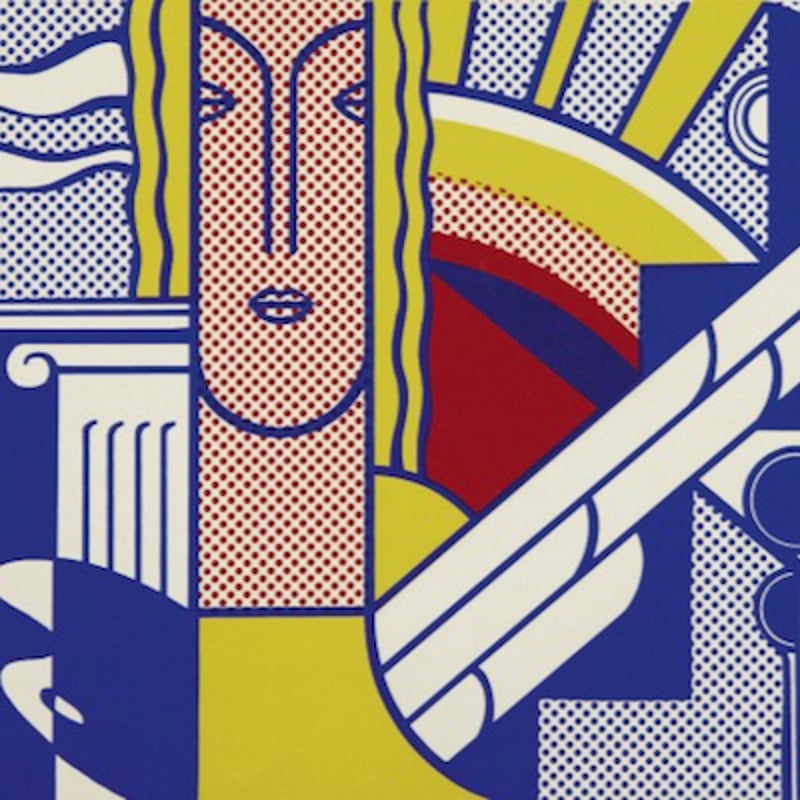
What is late modernism?
- Show All
- Established
- Discoveries
- Show All
Artworks Related to Late modernism
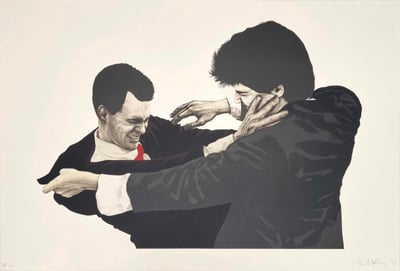
Robert Longo
Frank & Glenn, 1991
Limited Edition Print
Lithograph
Currently Not Available
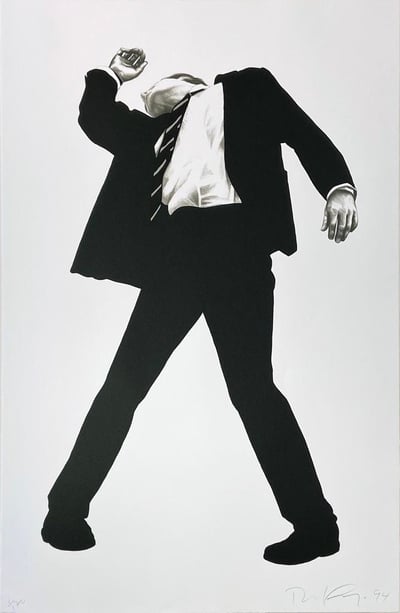
Robert Longo
Rick, 1994
Limited Edition Print
Lithograph
Currently Not Available
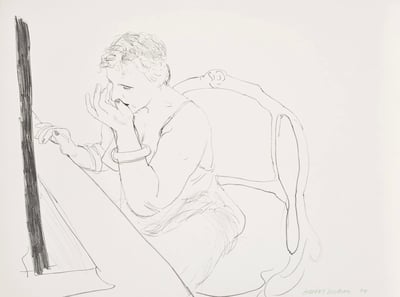
David Hockney
Celia Adjusting Her Eyelash (G.837), 1979
Limited Edition Print
Lithograph
GBP 12,950
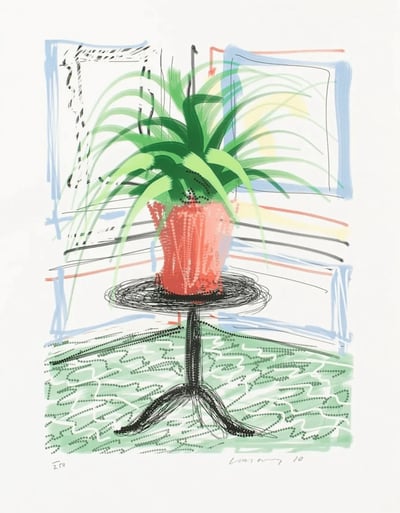
David Hockney
iPad Drawing Untitled #468, 2010
Limited Edition Print
Inkjet print
GBP 38,000 - 50,000
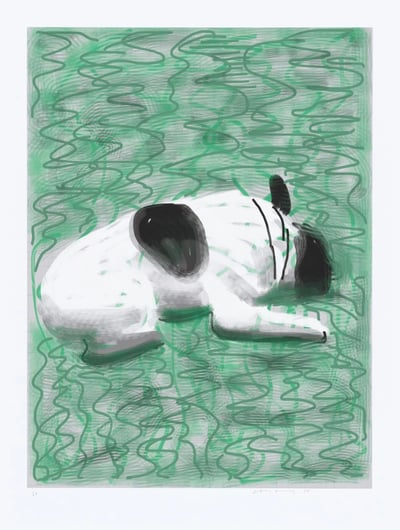
David Hockney
iPad drawing - Moujik, 2010
Limited Edition Print
Inkjet print
GBP 80,000 - 100,000
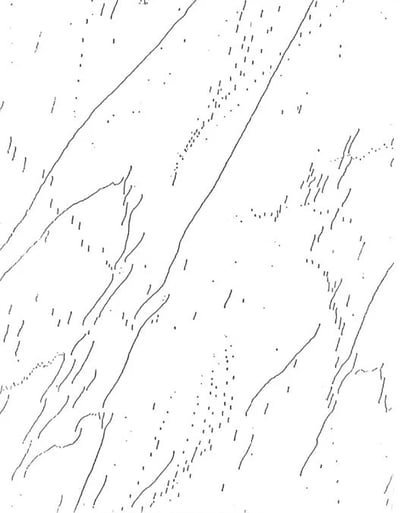
Andy Warhol
Untitled (Mao), from The New York Collection for Stockholm, 1973
Limited Edition Print
Mixed Media
GBP 13,200
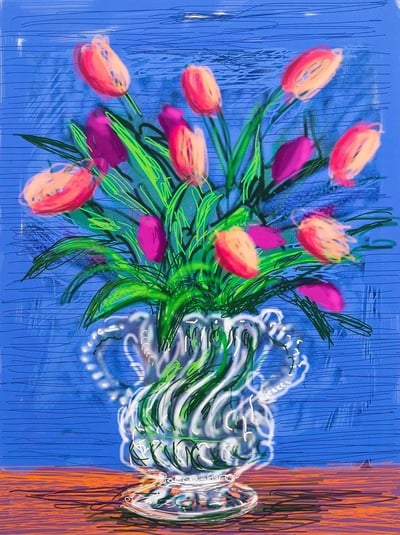
David Hockney
iPad Drawing Untitled #346, 2010
Limited Edition Print
Inkjet print
GBP 50,000 - 60,000
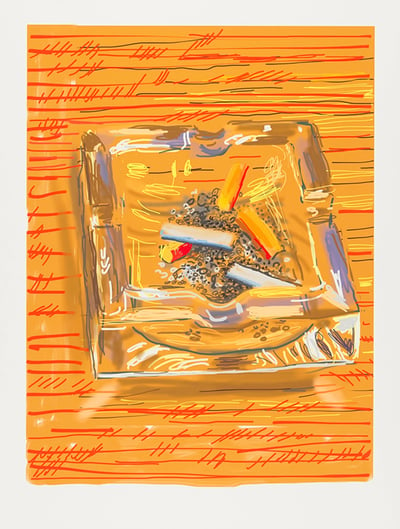
David Hockney
iPad drawing - Ashtray, 2010
Limited Edition Print
Inkjet print
Inquire For Price
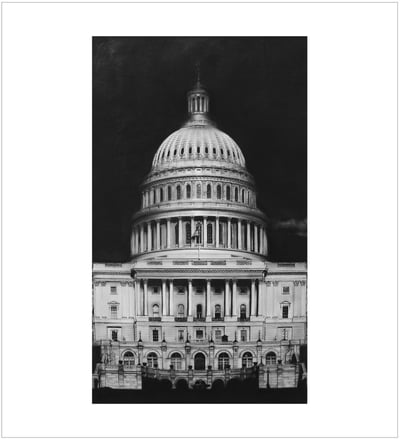
Robert Longo
Untitled (Capitol Detail), 2017
Limited Edition Print
Mixed Media
GBP 3,100
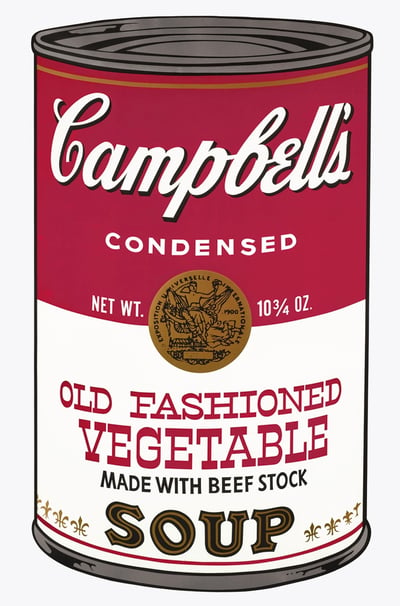
Andy Warhol
Campbell's Soup Can: Old Fashioned Vegetable, 1969
Limited Edition Print
Screen-print
GBP 70,000 - 80,000
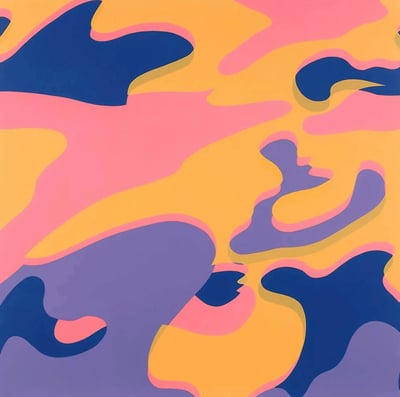
Andy Warhol
Camouflage F. & S. 410, 1987
Limited Edition Print
Screen-print
GBP 70,000 - 80,000
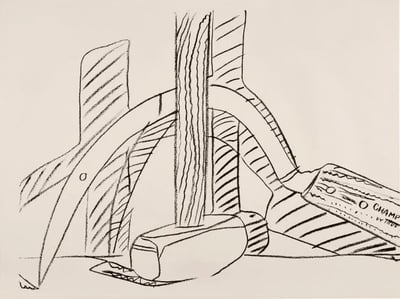
Andy Warhol
Hammer and Sickle: one plate (see F. & S. 161), 1977
Limited Edition Print
Screen-print
GBP 13,500
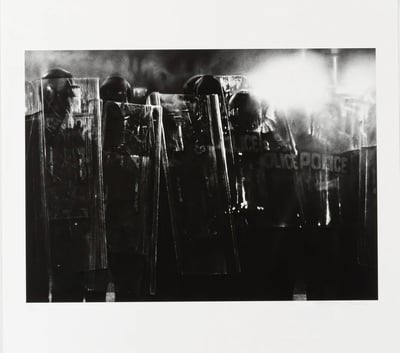
Robert Longo
Untitled (Riot Cops) , 2017
Limited Edition Print
Mixed Media
GBP 3,100
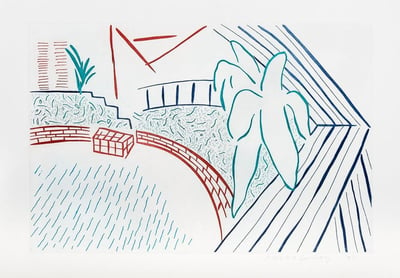
David Hockney
My Pool and Terrace, 1983
Limited Edition Print
Etching
GBP 25,000 - 30,000
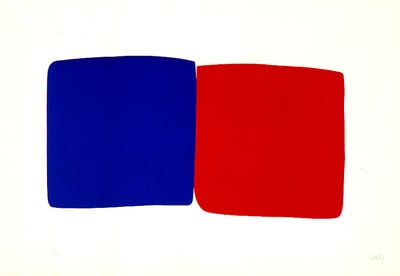
Ellsworth Kelly
Dark Blue and Red (Bleu Foncé et Rouge), 1964 -1965
Limited Edition Print
Lithograph
EUR 13,500
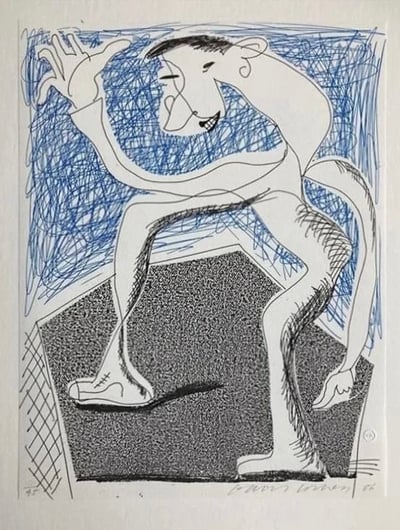
David Hockney
Waving, 1986
Limited Edition Print
Screen-print
GBP 17,500
Related Articles

New Topographics is a term coined in 1975 by curator William Jenkins to describe a group of photographers whose work focused on formal black-and-white images of urban and industrial landscapes. Jenkins initially described their aesthetic as banal, but the photographers themselves argued that their compositions were as significant as those of natural landscapes, emphasizing the beauty in everyday, man-made environments.

Performance Art is a genre of fine art that is traditionally interdisciplinary, involving various art forms. It can be scripted or unscripted, random or carefully orchestrated, spontaneous, or meticulously planned, with or without audience participation. Performance Art can be presented live or through media, with the artist either present or absent. It typically involves four basic elements: space, the performer’s body or presence through a medium, time, and the relationship between performer and audience. The artwork consists of actions performed by an individual or group in a specific time and space.

Transavanguardia is the Italian version of Neo-Expressionism, referring to an art movement that emerged in Italy and other parts of Western Europe during the 1970s and 1980s. The term translates to beyond the avant-garde. Transavanguardia arose as a reaction against the dominance of conceptual art, reintroducing emotion and reviving painting as a primary medium. The movement marked a return to mythic imagery and figurative art, celebrating a rediscovery of traditional forms and themes in a contemporary context.
Can't find your Answer?
Thank you! Your question has been sent — we'll get back to you shortly.
