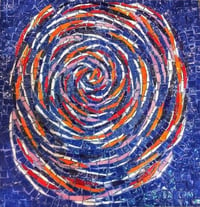
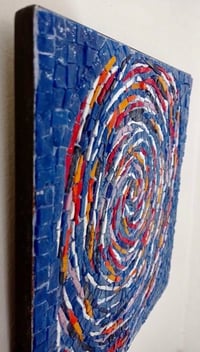
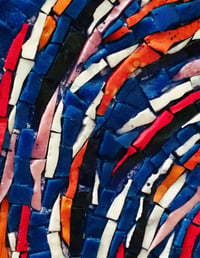
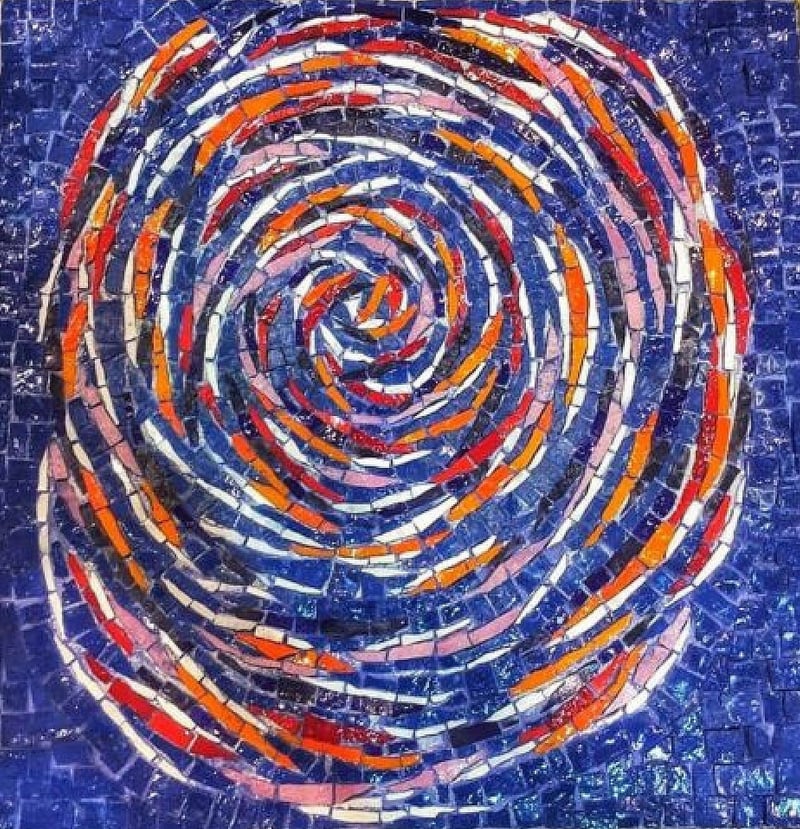
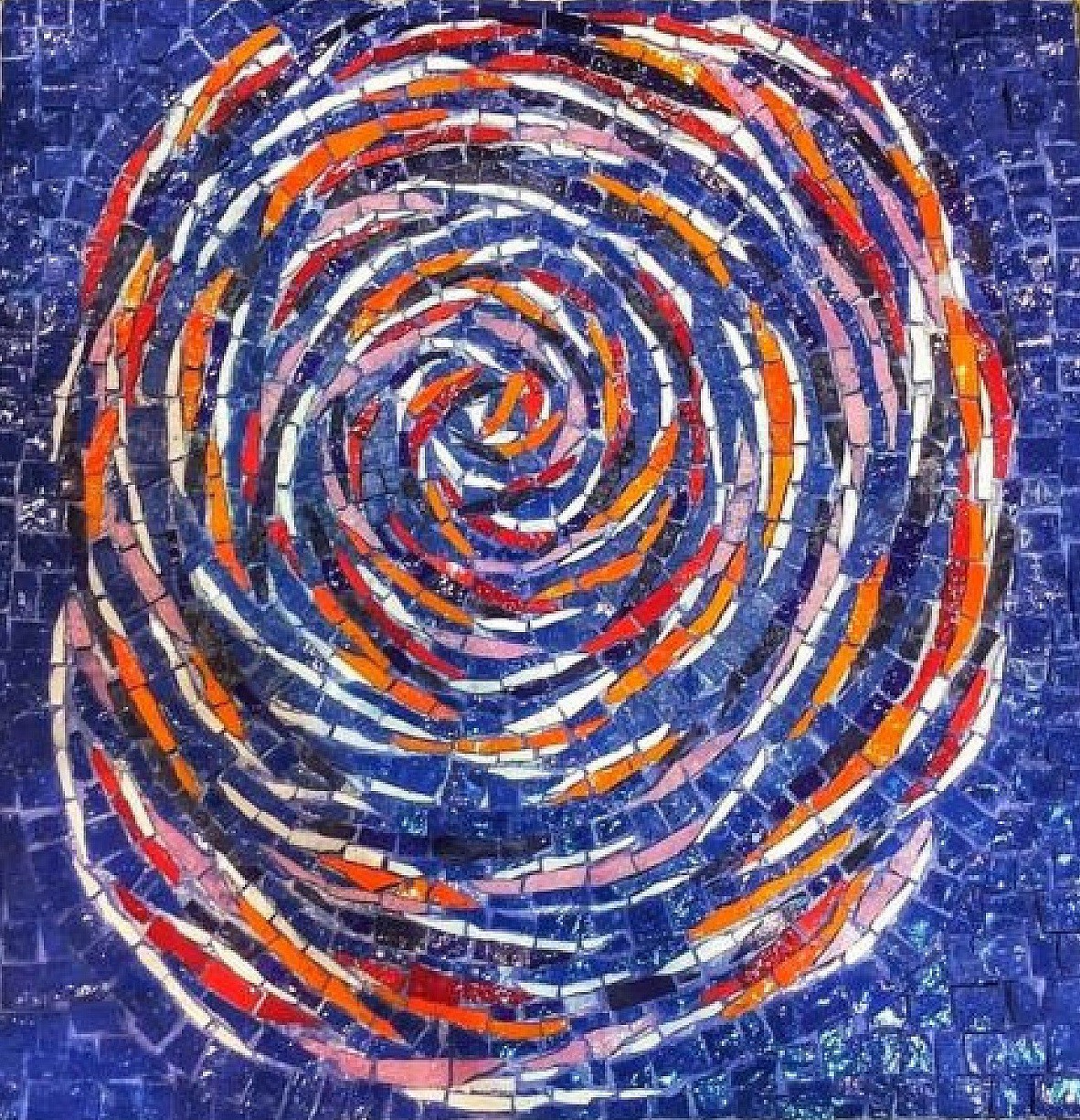
Vortice, 1989
Form
Medium
Size
- Inches
- Centimeters
Edition
Price
- USD
- EUR
- GBP
- CHF
- Authenticity Guaranteed
- Insured Shipping
- Online Since 2005

Piero Dorazio
La Ribambelle Des Gobelins II, 1992
Limited Edition Print
Silkscreen
EUR 1,750

Piero Dorazio
La Ribambelle Des Gobelins I, 1992
Limited Edition Print
Silkscreen
EUR 1,750

Piero Dorazio
Ellisse blu, 1989
Limited Edition Print
Silkscreen
EUR 2,400

Piero Dorazio
La Ribambelle Des Gobelins IV, 1992
Limited Edition Print
Silkscreen
EUR 1,750

Piero Dorazio
La Ribambelle Des Gobelins V, 1992
Limited Edition Print
Silkscreen
EUR 1,750

Piero Dorazio
Pink Abstract, 1992
Limited Edition Print
Silkscreen
EUR 1,750
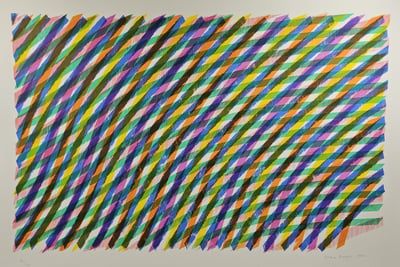
Piero Dorazio
Reticolo. Composizione No 2, 1984
Limited Edition Print
Lithograph
USD 2,000
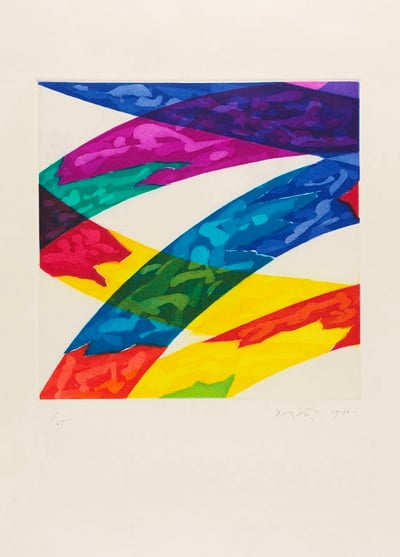
Piero Dorazio
Untitled (Chromatic Ribbons), 1971
Limited Edition Print
Etching
EUR 990
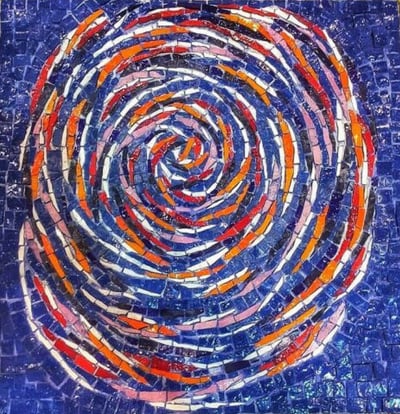
Piero Dorazio
Vortice, 1989
Sculpture / Object
Mosaic
EUR 2,000

Piero Dorazio
Felt Collage, 1974
Limited Edition Print
Collage
EUR 6,875
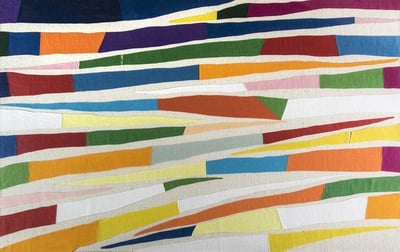
Piero Dorazio
Untitled (Collage), 1974
Limited Edition Print
Collage
EUR 6,875

Piero Dorazio
Blue Lines, 1988
Limited Edition Print
Silkscreen
EUR 4,250
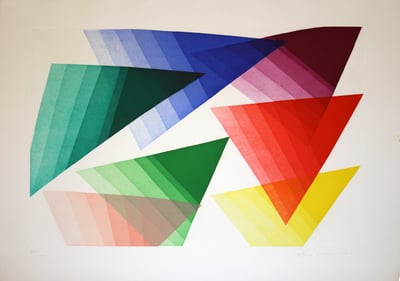
Piero Dorazio
Color fax 4, 1990
Limited Edition Print
Aquatint
EUR 2,250
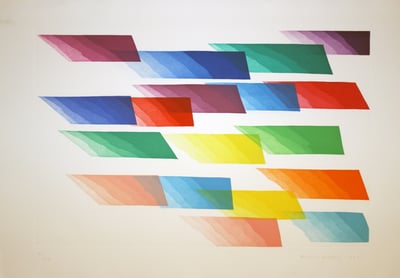
Piero Dorazio
Color fax 3, 1990
Limited Edition Print
Aquatint
EUR 2,250
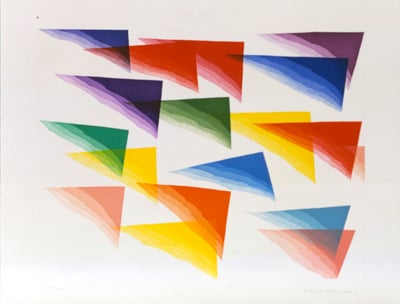
Piero Dorazio
Color fax 2, 1990
Limited Edition Print
Aquatint
EUR 2,250
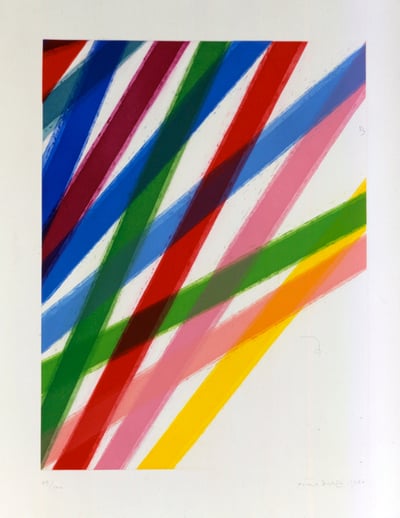
Piero Dorazio
Color fax 1, 1990
Limited Edition Print
Aquatint
EUR 2,250
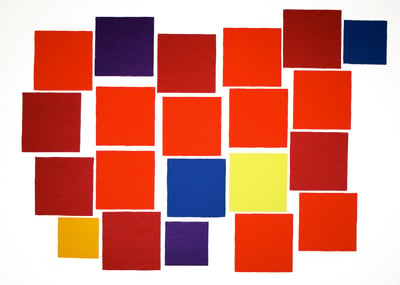
Piero Dorazio
Red Squares, 1967
Limited Edition Print
Lithograph
EUR 1,375
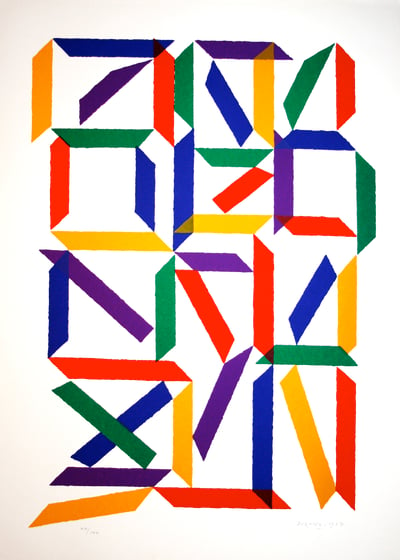
Piero Dorazio
Untitled Composition, 1967
Limited Edition Print
Lithograph
EUR 1,375
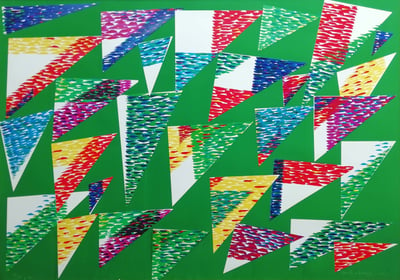
Piero Dorazio
Collage di Triangoli, 1991
Limited Edition Print
Collage
EUR 2,370
Related Artists
Related Articles
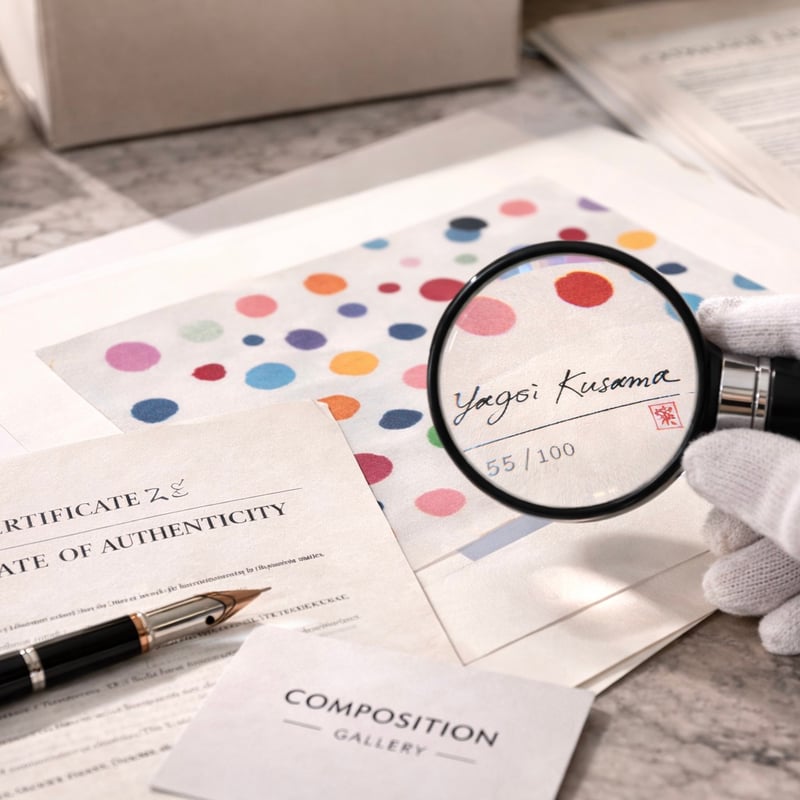
Popular, Collecting - March 17, 2026
Why Buy from Composition Gallery
Why buy from Composition Gallery? Since 2005, the gallery offers curated works, clear provenance, fair pricing, and secure international shipping for confident art collecting.Read More

What is geometric abstract art?
Geometric abstraction is a form of abstract art that uses geometric shapes arranged in a non-illusionistic space (though not always) and combined into non-representational (non-objective) compositions. Based on years of artistic research, some artists have proposed that geometric abstraction offers a solution to modern challenges by rejecting traditional illusionistic practices in favor of clarity and simplicity.
Piero Dorazio
Vortice, 1989
30 x 30 x 5 cm


