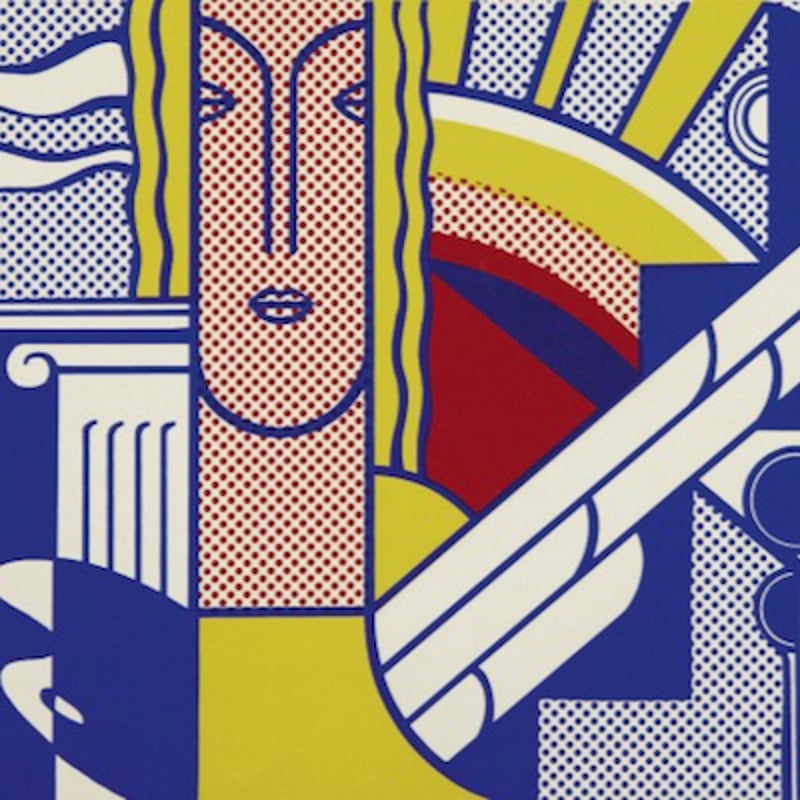
What is late modernism?
- Show All
- Established
- Discoveries
- Show All
Artworks Related to Late modernism
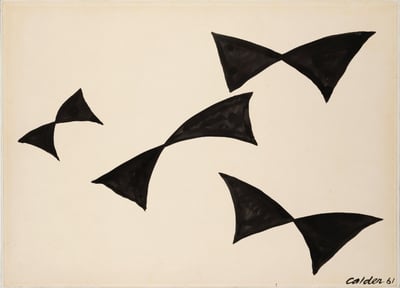
Alexander Calder
Untitled, circa 1961
Painting
Ink
Inquire For Price
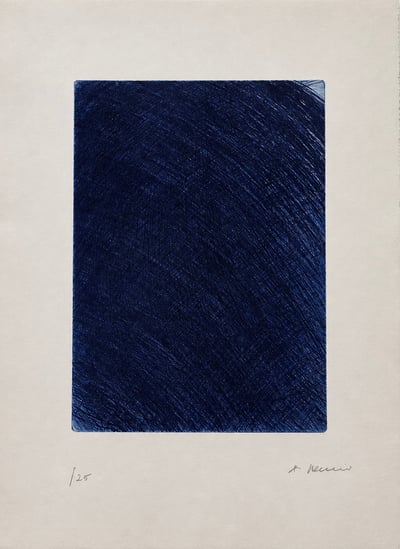
Arnulf Rainer
Blue Hour, 2017
Limited Edition Print
Etching
EUR 4,800
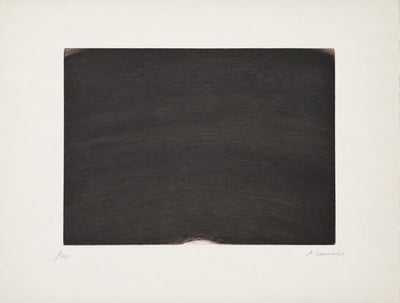
Arnulf Rainer
Tube, 1966/67 - 1986
Limited Edition Print
Etching
EUR 4,200
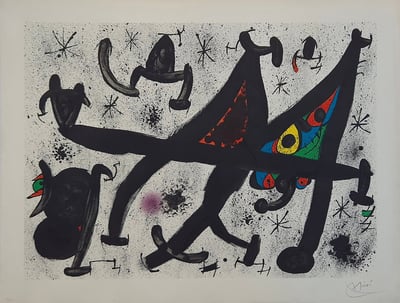
Joan Miró
Homenatge a Joan Prats 11, 1971
Limited Edition Print
Lithograph
USD 9,000
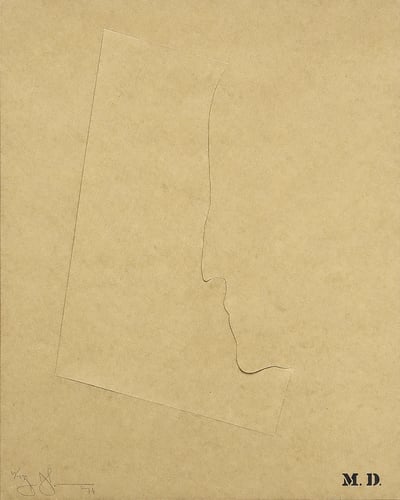
Jasper Johns
M. D., 1974
Limited Edition Print
Mixed Media
USD 4,750
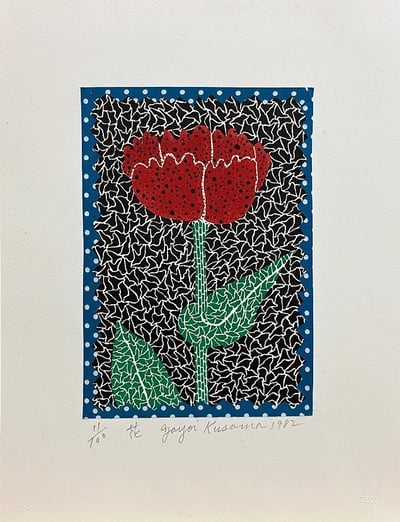
Yayoi Kusama
Flower, 1982
Limited Edition Print
Collage
USD 20,000 - 25,000
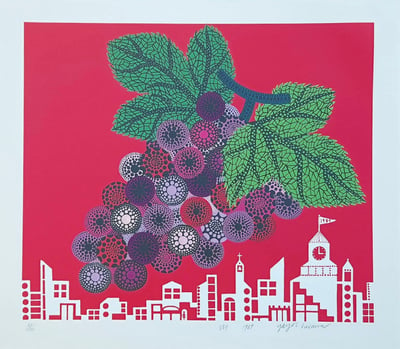
Yayoi Kusama
Grapes In The City, 1989
Limited Edition Print
Screen-print
USD 34,500 - 43,500
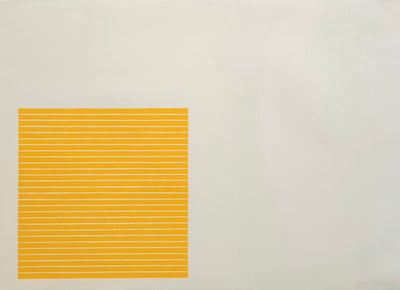
Frank Stella
Palmito Ranch, from Benjamin Moore Series, 1971
Limited Edition Print
Lithograph
Inquire For Price
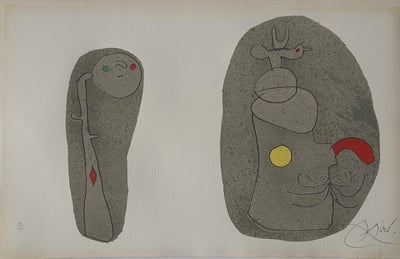
Joan Miró
Pl.11 from L'enfance d'Ubu, 1975
Limited Edition Print
Lithograph
USD 4,980
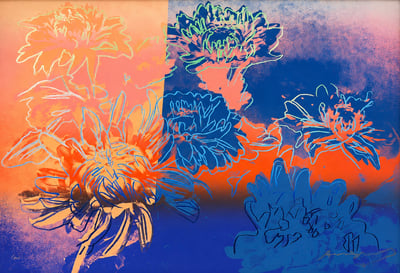
Andy Warhol
Kiku, II.309, 1983
Limited Edition Print
Screen-print
USD 40,000 - 50,000
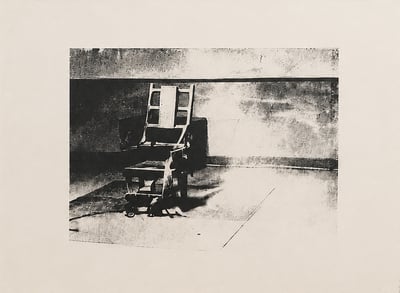
Andy Warhol
Electric chair, 1978
Limited Edition Print
Screen-print
USD 65,000 - 80,000
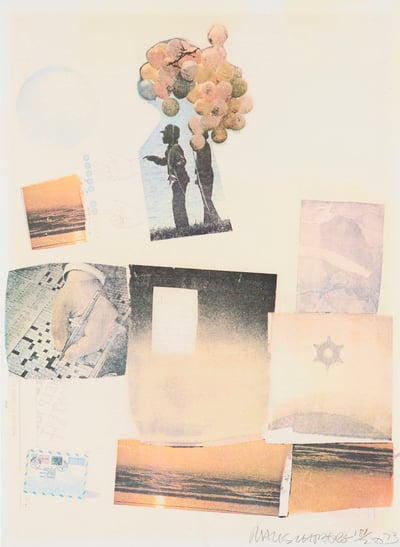
Robert Rauschenberg
Support, 1973
Limited Edition Print
Screen-print
USD 1,450
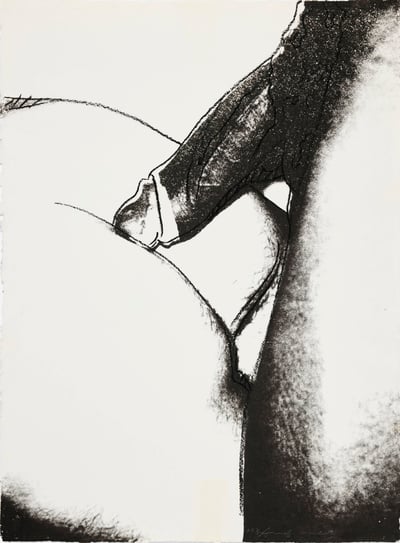
Andy Warhol
Sex Parts II.174, 1978
Limited Edition Print
Screen-print
USD 9,650
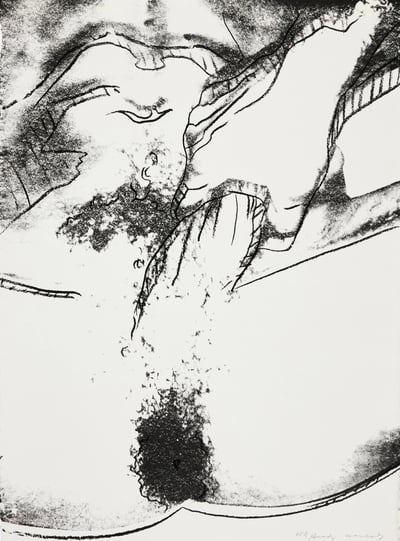
Andy Warhol
Sex Parts II.177, 1978
Limited Edition Print
Screen-print
USD 9,660

Victor Vasarely
B-Bomb-b (4), 1974
Limited Edition Print
Screen-print
USD 1,150
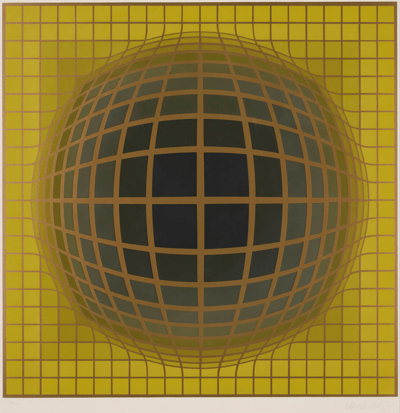
Victor Vasarely
B-Bomb-b (3), 1974
Limited Edition Print
Screen-print
USD 1,150
Related Articles
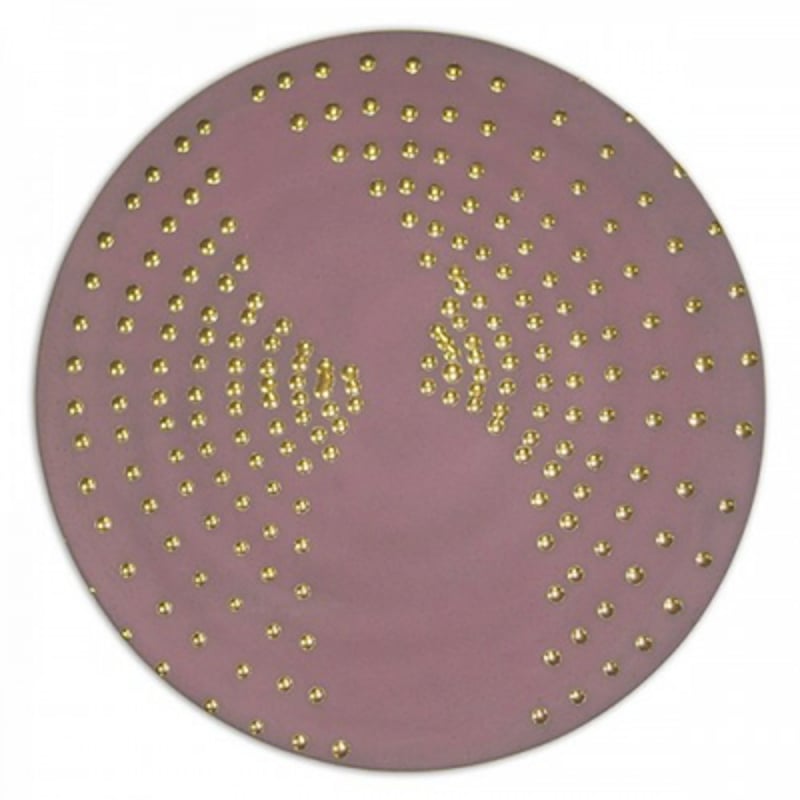
ZERO was an art movement founded by Otto Piene and Heinz Mack, aiming to develop into a large international and cross-border movement. The name ZERO originated from a magazine founded by Heinz Mack in 1957, which became a platform for the group's ideas. The magazine was published for several years before ceasing in 1967. The ZERO movement sought to create a new beginning in art, emphasizing light, space, and movement, and became influential in post-war European art.

A C-type print, also known as a chromogenic print, is a photographic print made from a color negative or slide. The print is created on chromogenic paper, which contains three emulsion layers, each sensitized to a different primary color. After exposure, the paper is processed in a series of chemical baths, where each layer reacts to the chemicals to produce the final image. C-type prints are known for their rich color depth and are widely used in fine art and commercial photography.
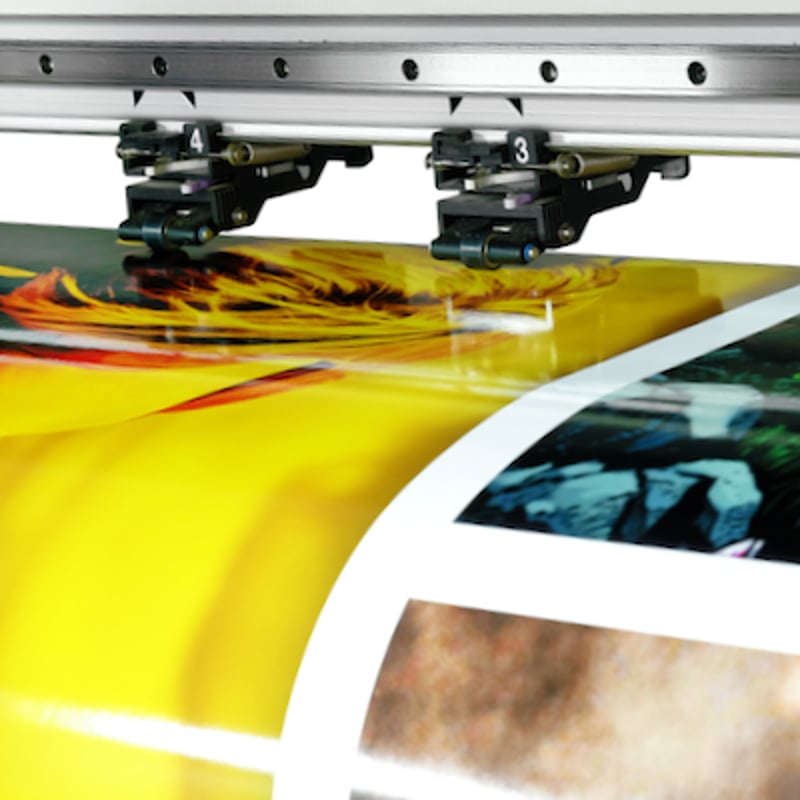
Digital print on paper refers to a digital image printed with archival-grade inks on high-quality, acid-free paper. This process ensures the print can last over twenty years if properly stored. The digital file allows for future prints to be made as needed.
Can't find your Answer?
Thank you! Your question has been sent — we'll get back to you shortly.
