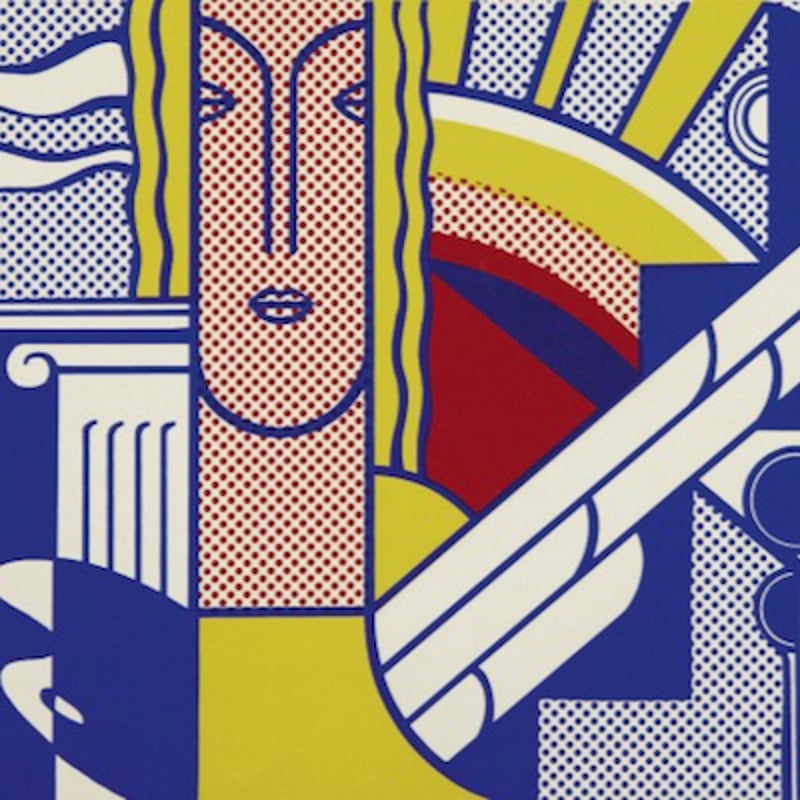
What is late modernism?
- Show All
- Established
- Discoveries
- Show All
Artworks Related to Late modernism

Joan Miró
Archipel Sauvage III, 1970
Limited Edition Print
Aquatint
EUR 13,200

Joan Miró
Lithographie pour l'Exposition Miró au Casino de Knokke-le-Zoute, 1971
Limited Edition Print
Lithograph
EUR 8,600

Joan Miró
Un poème dans chaque livre, 1956
Limited Edition Print
Etching and Aquatint
EUR 6,800

Joan Miró
Montroig 3, 1974
Limited Edition Print
Lithograph
EUR 8,600

David Hockney
Untitled (Tennis Centre), 1976
Photography
C-Print
GBP 9,000 - 11,000

Roy Lichtenstein
Before The Mirror, 1975
Limited Edition Print
Mixed Media
GBP 20,000 - 25,000
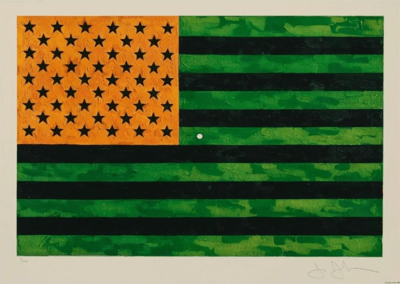
Jasper Johns
Flag (Moratorium), 1969
Limited Edition Print
Offset Print
GBP 34,000 - 42,000
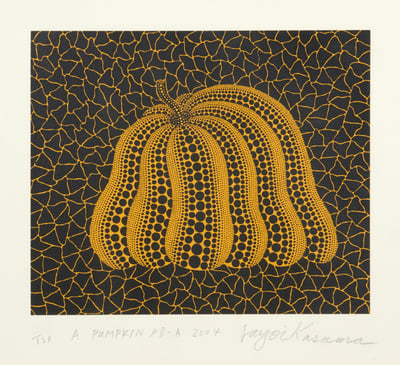
Yayoi Kusama
A Pumpkin YB-A (Kusama 325), 2004
Limited Edition Print
Screen-print
GBP 43,000 - 55,000
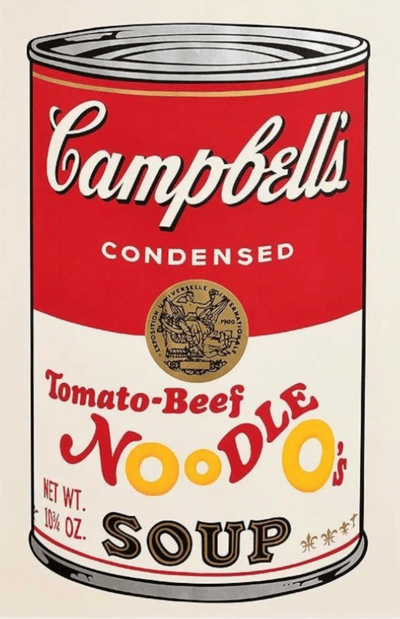
Andy Warhol
Tomato-Beef Noodle O's Soup (F. & S. II.61) (from Campbell’s Soup II), 1969
Limited Edition Print
Screen-print
GBP 50,000 - 64,000
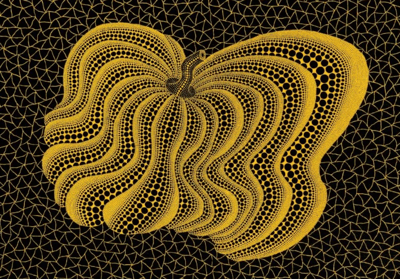
Yayoi Kusama
Dancing Pumpkin (YBL) (Kusama 320), 2004
Limited Edition Print
Screen-print
GBP 60,000 - 70,000
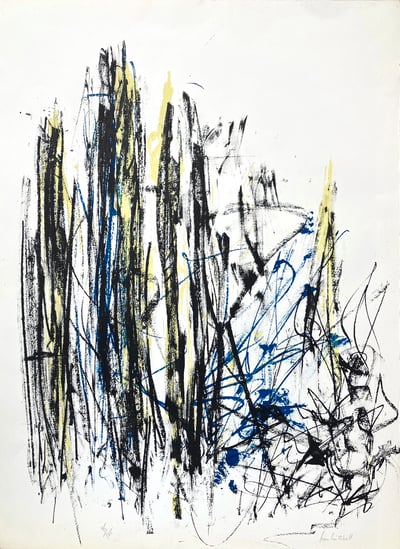
Joan Mitchell
Trees (black, yellow and blue), c. 1990/1991
Limited Edition Print
Lithograph
EUR 10,800
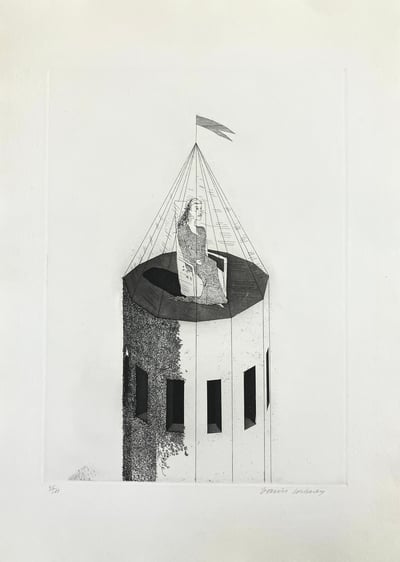
David Hockney
The Princess in her Tour, 1969
Limited Edition Print
Etching
EUR 6,000

Joan Miró
Fundació Palma I, 1988
Limited Edition Print
Mixed Media
Inquire For Price
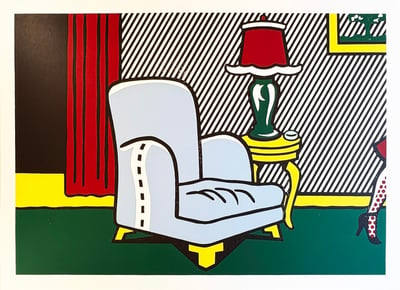
Roy Lichtenstein
La Sortie from the Interior Series, 1990
Limited Edition Print
Woodcut
Inquire For Price
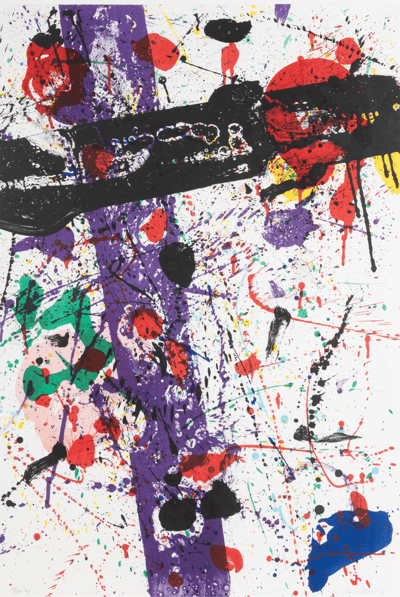
Sam Francis
Untitled (SF-272), 1984
Limited Edition Print
Lithograph
USD 3,850
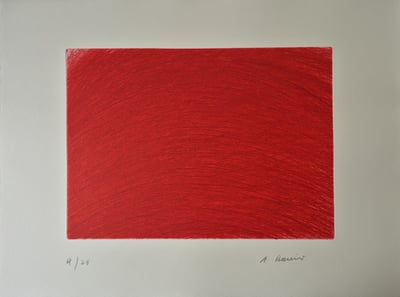
Arnulf Rainer
Red Wave, 2017
Limited Edition Print
Etching
EUR 4,800
Related Articles
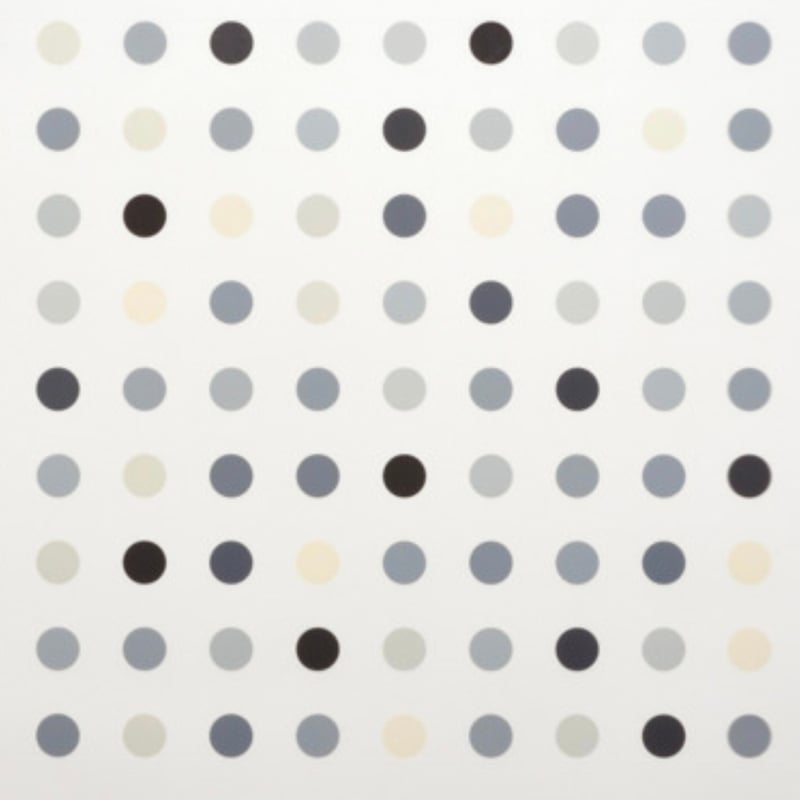

A Chinese term that describes performance art. This concept is relatively new and may be challenging to articulate unless people understand the intentions behind it. It is a flexible concept that emphasizes everyday, common, and community-focused elements. The art form is heightened, refined, and reflective of how people behave, move, and live.
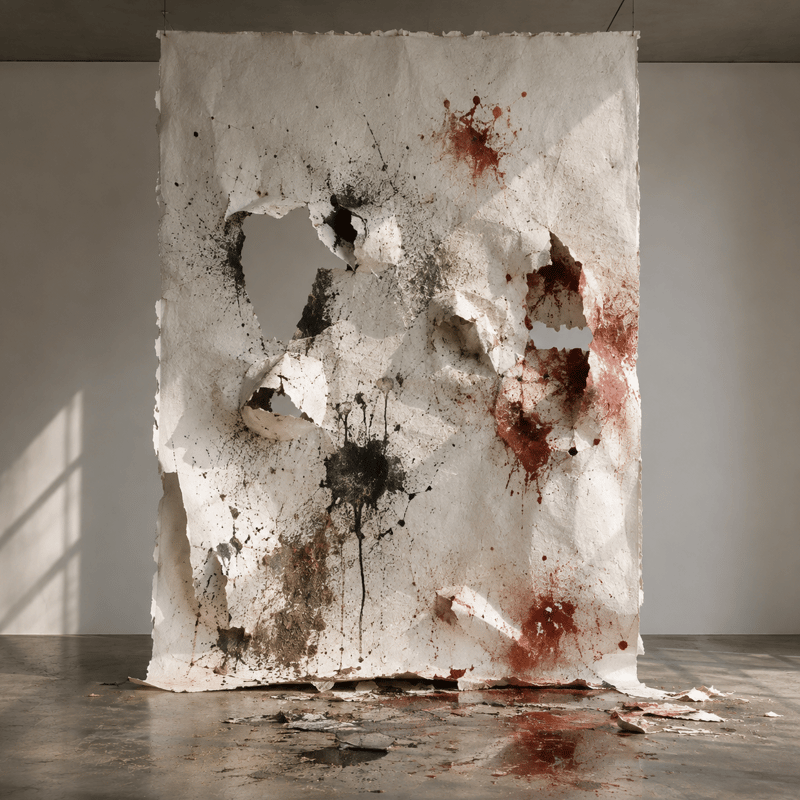
Gutai was a group of Japanese radical artists who formed the Gutai Art Association in 1954. The word Gutai translates to embodiment. The group was known for creating art on the spot for live audiences, often incorporating their own physical movements. Their performances included actions like throwing paint, piercing paper, and rolling in mud, emphasizing the direct interaction between the body and the material.
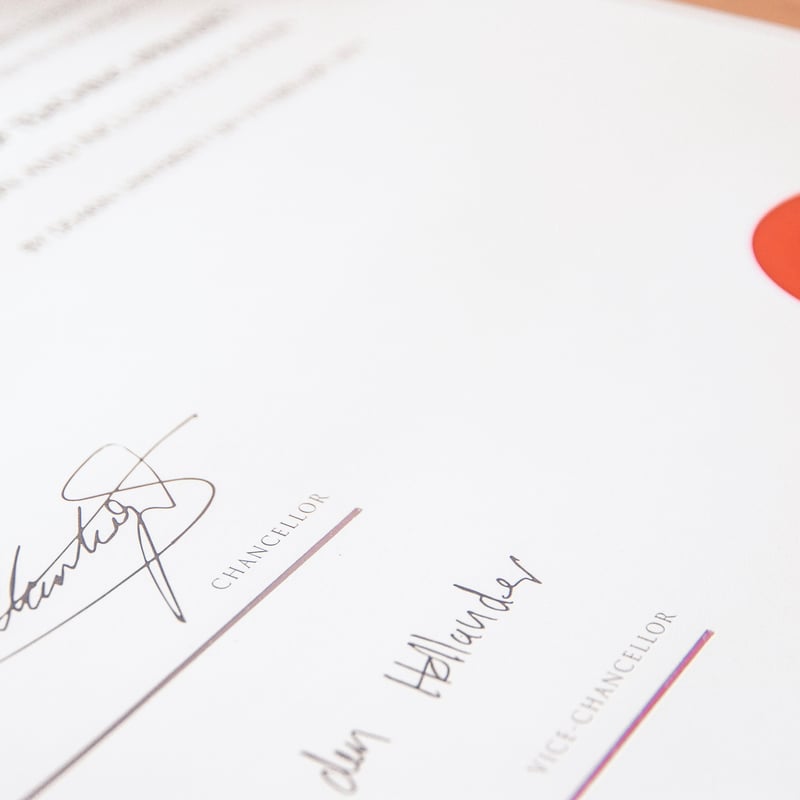
Authenticity refers to the qualities that define an original artwork as genuine, created by the artist under the original circumstances. A reproduction lacks authenticity because it was not made by the original artist and does not share the same context or creation process. The authenticity of an original artwork can be questioned when reproductions exist, which can diminish its value. Authenticity is often established through provenance, expert analysis, and documentation, ensuring the artwork's originality.
Can't find your Answer?
Thank you! Your question has been sent — we'll get back to you shortly.
