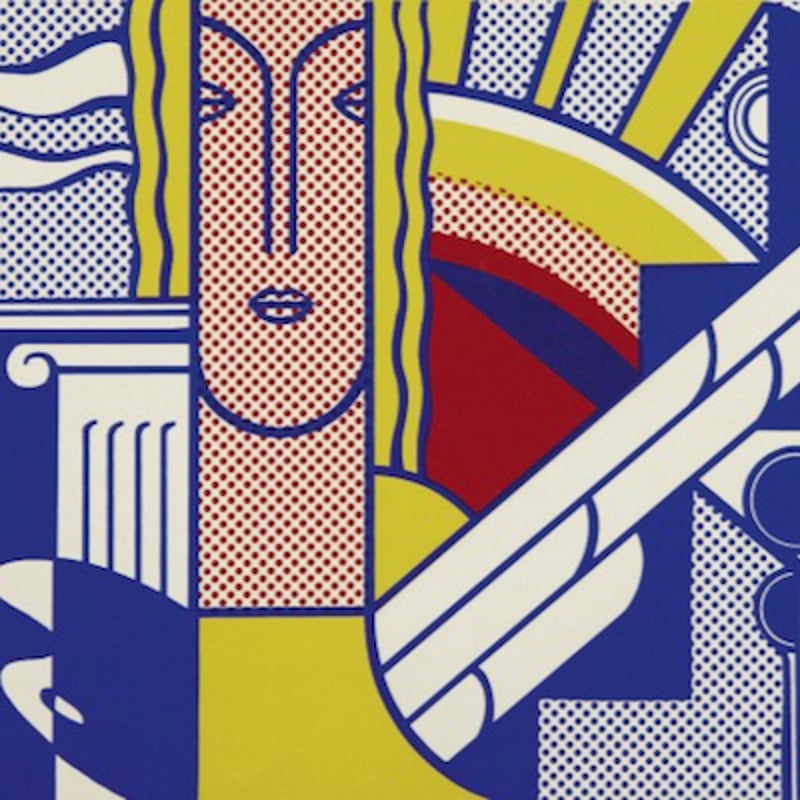
What is late modernism?
- Show All
- Established
- Discoveries
- Show All
Artworks Related to Late modernism
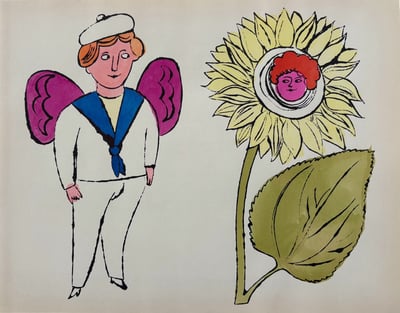
Andy Warhol
In The Bottom of my Garden IV.87A, CA. 1956
Limited Edition Print
Lithograph
EUR 6,600
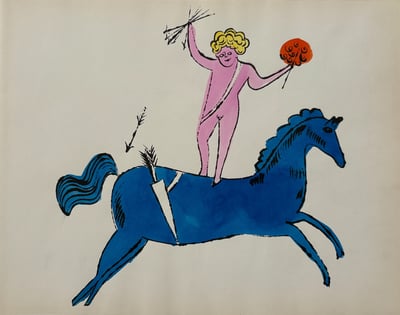
Andy Warhol
In The Bottom of my Garden IV.91A, CA.1956
Limited Edition Print
Lithograph
USD 6,600
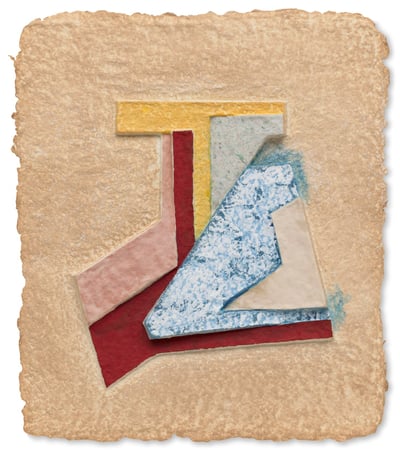
Frank Stella
Nowe Miastro (IV), from the Paper Relief Project, 1975
Drawing / Watercolor
Collage
USD 11,450
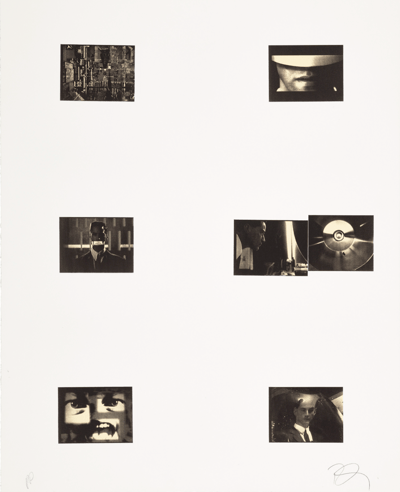
Robert Longo
Mnemonic Pictures 4, 1995
Limited Edition Print
Mixed Media
Inquire For Price
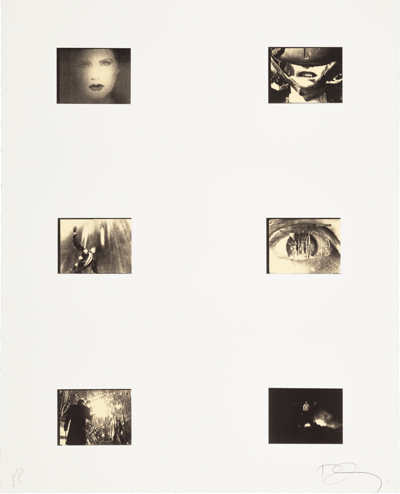
Robert Longo
Mnemonic Pictures 3, 1995
Limited Edition Print
Mixed Media
Inquire For Price
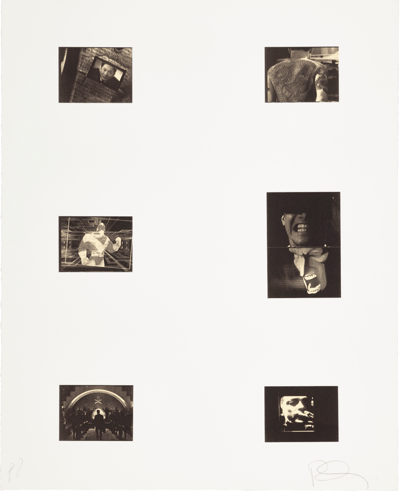
Robert Longo
Mnemonic Pictures 2, 1995
Limited Edition Print
Mixed Media
Inquire For Price
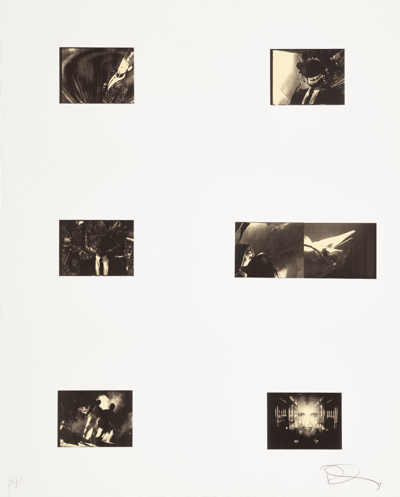
Robert Longo
Mnemonic Pictures 1, 1995
Limited Edition Print
Mixed Media
Inquire For Price
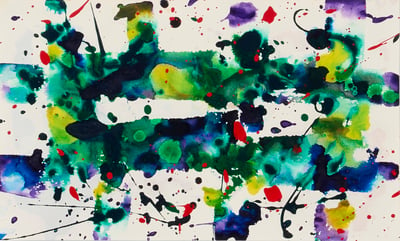
Sam Francis
Untitled (SF78-1010), 1978
Drawing / Watercolor
Acrylic on paper
EUR 21,200
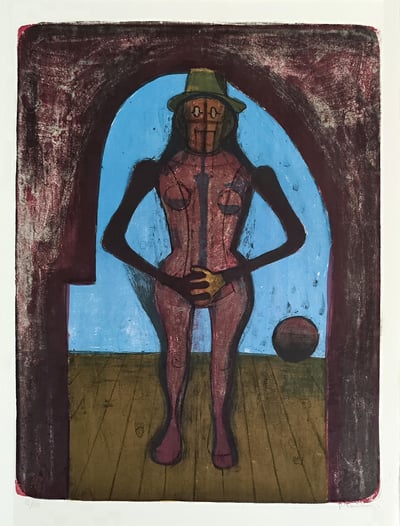
Rufino Tamayo
Femme au Collant Rose, 1969
Limited Edition Print
Lithograph
EUR 2,600
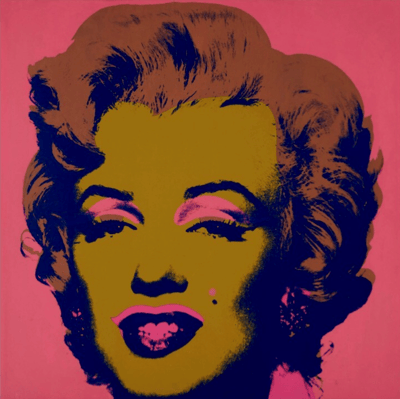
Andy Warhol
Marilyn Monroe, 1967
Limited Edition Print
Screen-print
USD 160,000 - 200,000
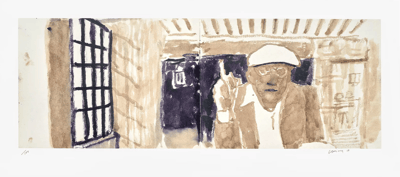
David Hockney
Self Portrait in My Living Room, 2021
Limited Edition Print
Inkjet print
GBP 27,000 - 33,000
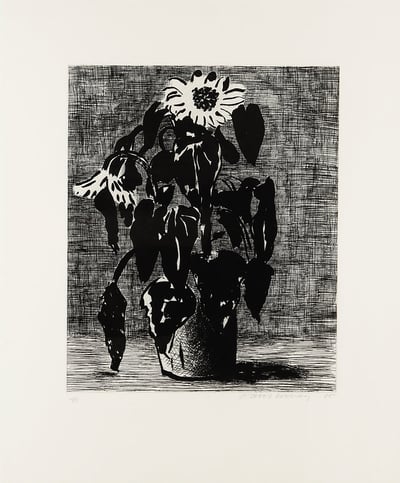
David Hockney
Sunflower I, 1995
Limited Edition Print
Etching and Aquatint
GBP 29,000 - 35,000
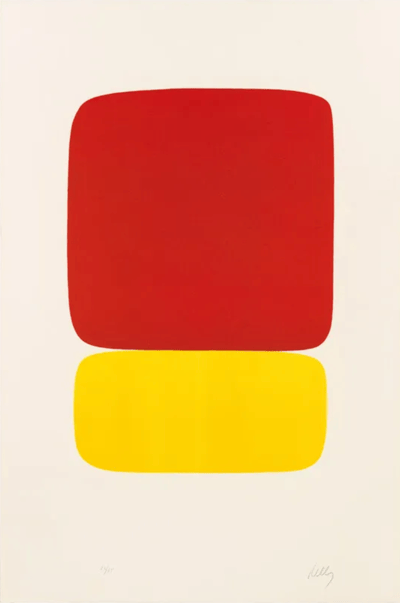
Ellsworth Kelly
Red Over Yellow, 1964-1965
Limited Edition Print
Lithograph
Inquire For Price

Victor Vasarely
Gordes Gestalt, 1948
Limited Edition Print
Etching
EUR 1,500
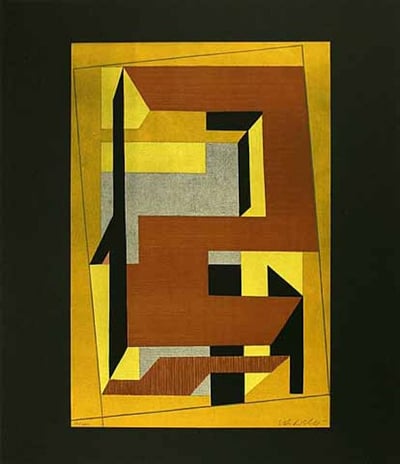
Victor Vasarely
Gordes Taira, 1971
Limited Edition Print
Lithograph
EUR 1,500
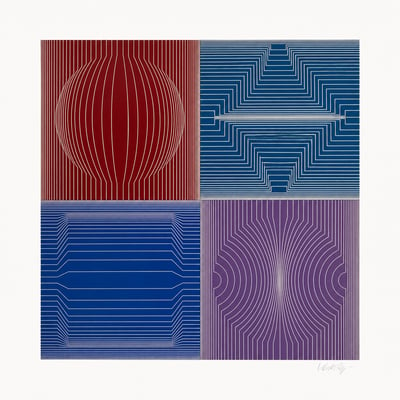
Victor Vasarely
La Certa, 1981
Limited Edition Print
Screen-print
EUR 1,400
Related Articles
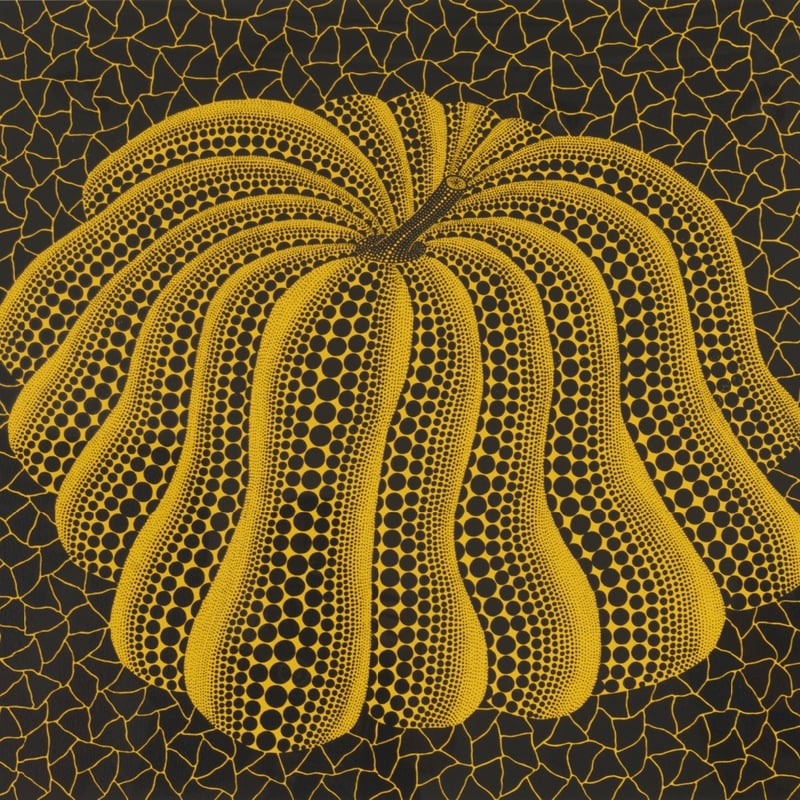
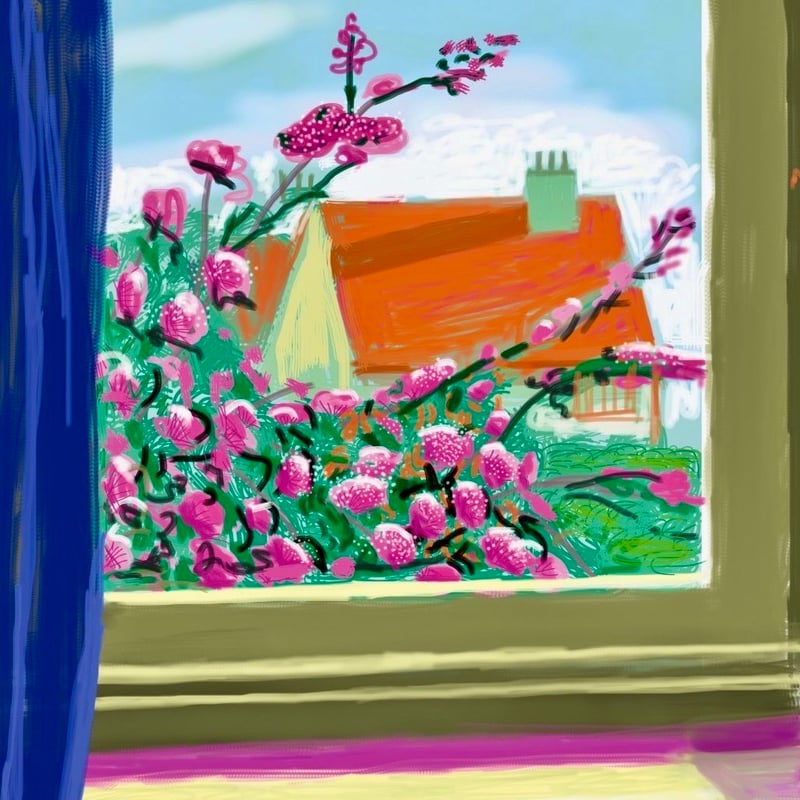


A term coined to describe artworks that are designed to be destroyed during their creation. Gustav Metzger, who developed this concept, outlined key principles: the artwork must disintegrate within 20 years, be self-completing, and involve public participation.

An airbrush is a device that sprays various media, including paint and ink, using compressed air. Artists use airbrushes to create a smooth, even application of color, often achieving effects that are not possible with traditional brushes. James Rosenquist, an American Pop artist, regularly used an airbrush in his work. Before gaining fame with pieces like the iconic F-111 (1965), he worked as a commercial and industrial painter, where he honed his airbrush skills.
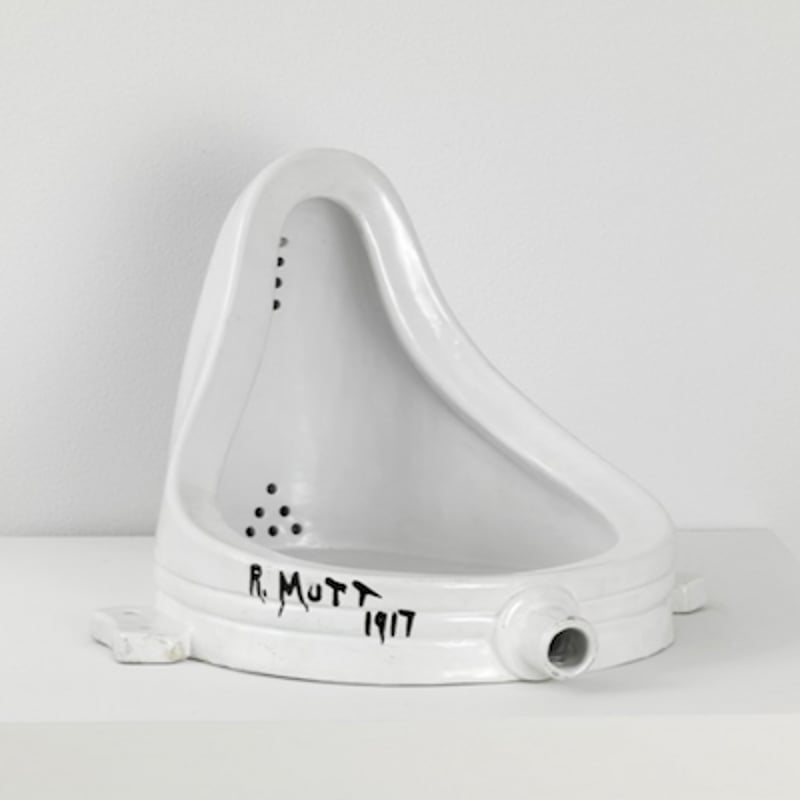
Anti-Art refers to artwork that challenges traditional definitions of art. The term is often attributed to artist Marcel Duchamp, who pioneered the use of readymades—everyday objects presented as art. These works defied conventional expectations that art should adhere to traditional or high art standards.
Can't find your Answer?
Thank you! Your question has been sent — we'll get back to you shortly.
