
What is Found Object?
- Show All
- Established
- Discoveries
- Show All
Artworks Related to Found Object
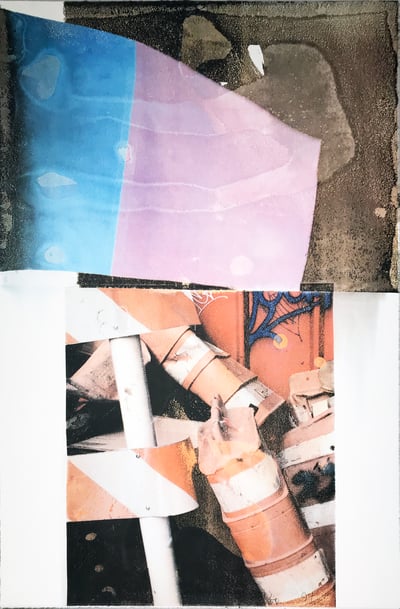
Robert Rauschenberg
Tribute 21: Art, 1994
Limited Edition Print
Lithograph
USD 4,950
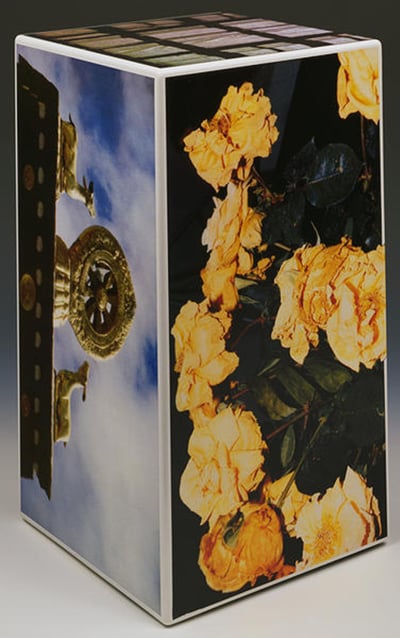
Robert Rauschenberg
Tibetan Keys (Rectangle), 1987
Sculpture / Object
Mixed Media
USD 14,250
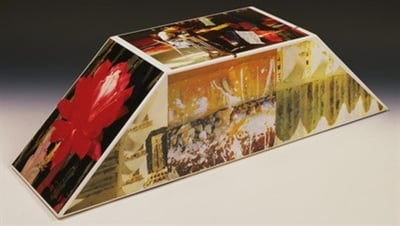
Robert Rauschenberg
Tibetan Keys (Double Bevel), 1987
Sculpture / Object
Mixed Media
USD 16,500
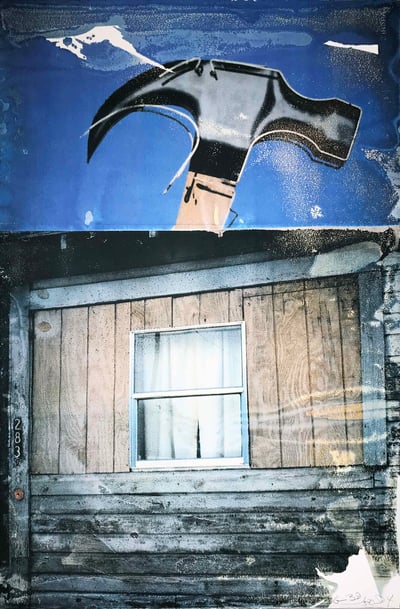
Robert Rauschenberg
Tribute 21: Labor, 1994
Limited Edition Print
Lithograph
USD 6,750
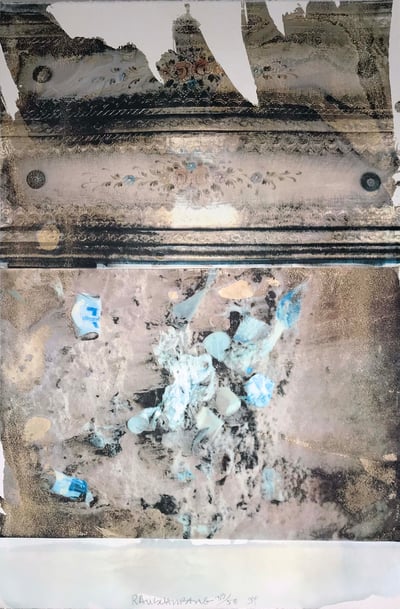
Robert Rauschenberg
Tribute 21: Cinema, 1994
Limited Edition Print
Lithograph
USD 4,950

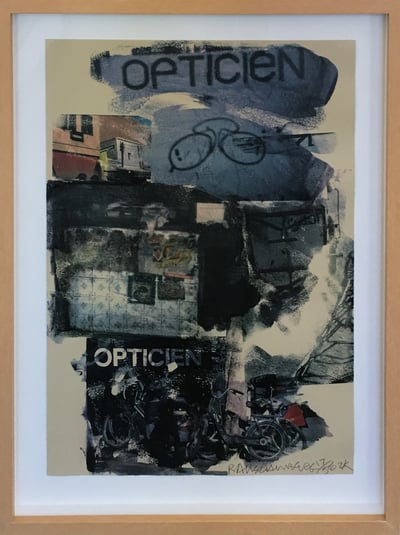
Robert Rauschenberg
Relic (Speculations), 1997
Limited Edition Print
Screen-print
USD 11,900
Robert Rauschenberg
Site, 2000
Limited Edition Print
Lithograph
USD 6,750
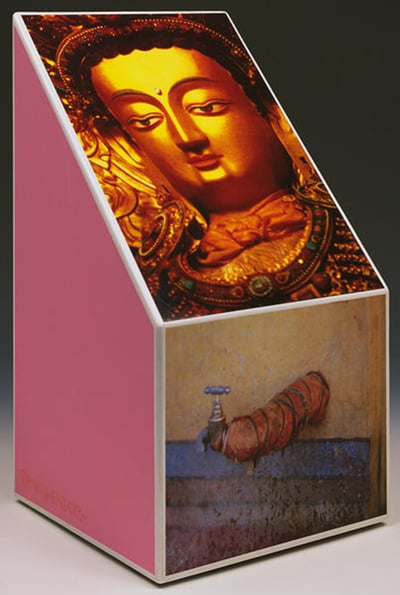
Robert Rauschenberg
Tibetan Keys (Bevel), 1987
Sculpture / Object
Mixed Media
USD 14,250
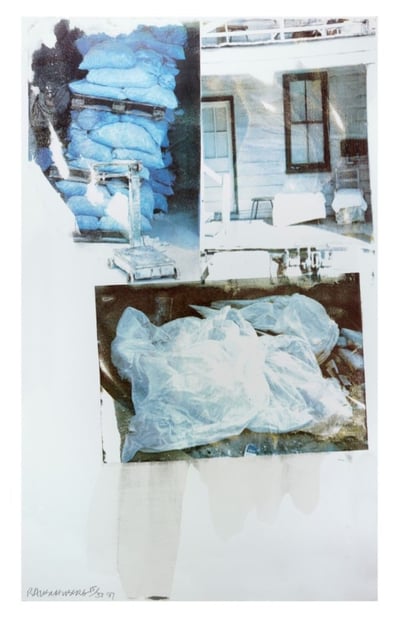
Robert Rauschenberg
Daydream (Speculations), 1997
Limited Edition Print
Screen-print
USD 12,950
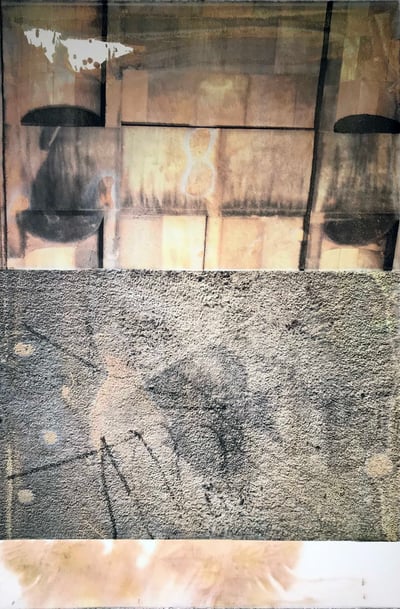
Robert Rauschenberg
Tribute 21: Education, 1994
Limited Edition Print
Lithograph
USD 4,950
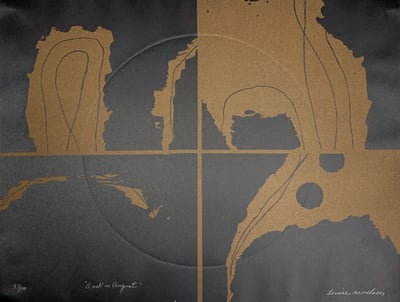
Louise Nevelson
Dusk in August from Portfolio 9, 1967
Limited Edition Print
Lithograph
USD 1,950
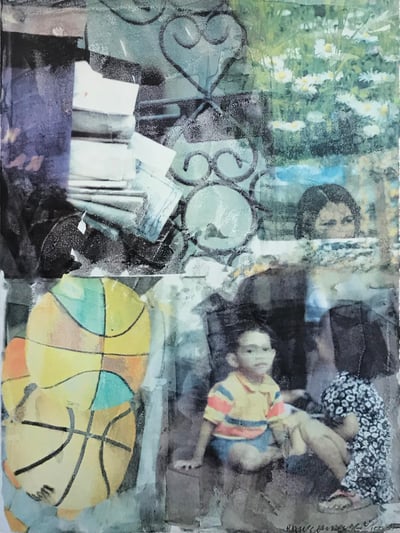
Robert Rauschenberg
Untitled (Doctor's of the world), 1997
Limited Edition Print
Lithograph
USD 6,750
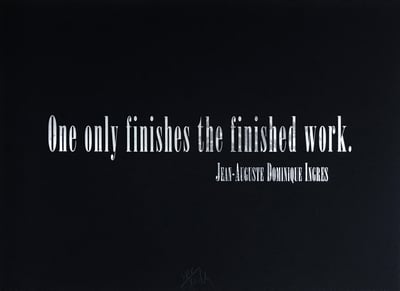
Joseph Kosuth
Titled Quotation (for L.C.) from the portfolio of Leo Castelli's 90th Birthday, 1997
Limited Edition Print
Screen-print
USD 1,650
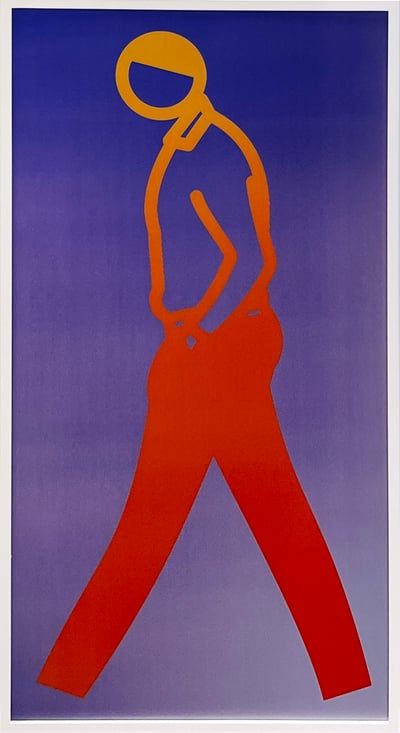
Julian Opie
Shirt from Crossing, 2021
Limited Edition Print
Mixed Media
USD 20,000 - 25,000
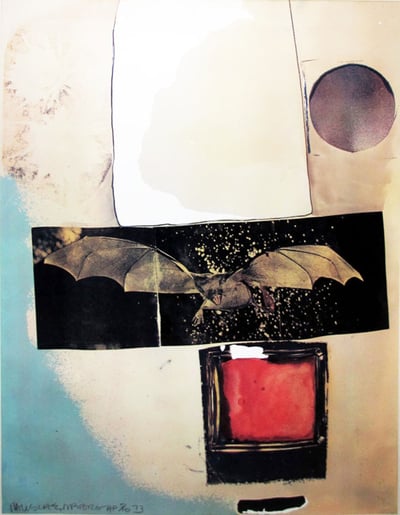
Robert Rauschenberg
Rays, 1973
Limited Edition Print
Lithograph
USD 9,950
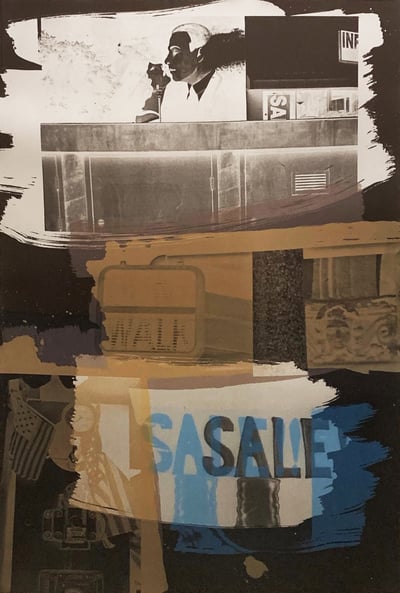
Robert Rauschenberg
Fence, 1992
Limited Edition Print
Lithograph
USD 9,250
Related Articles
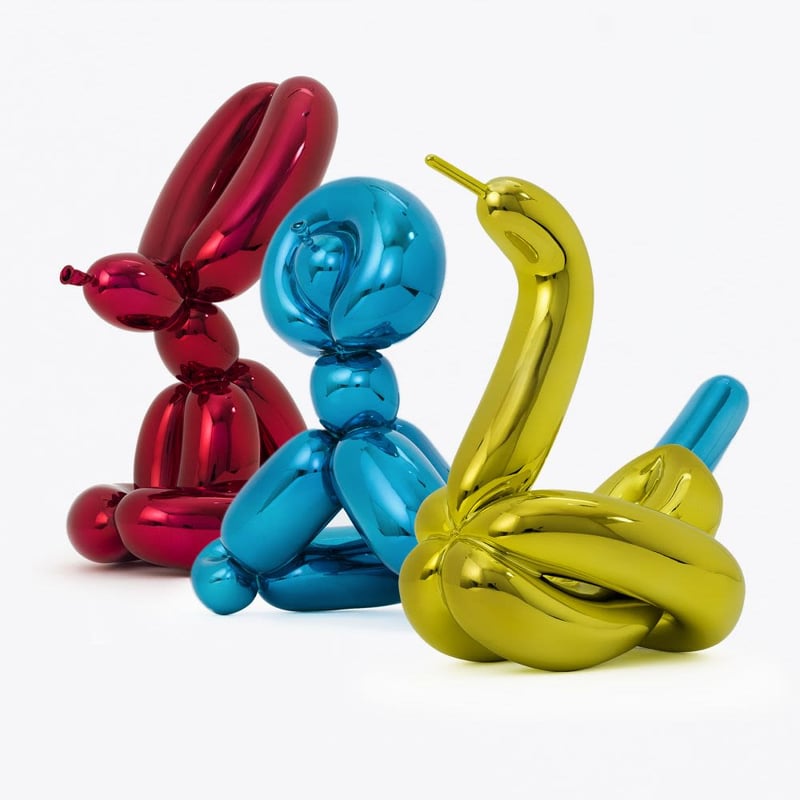
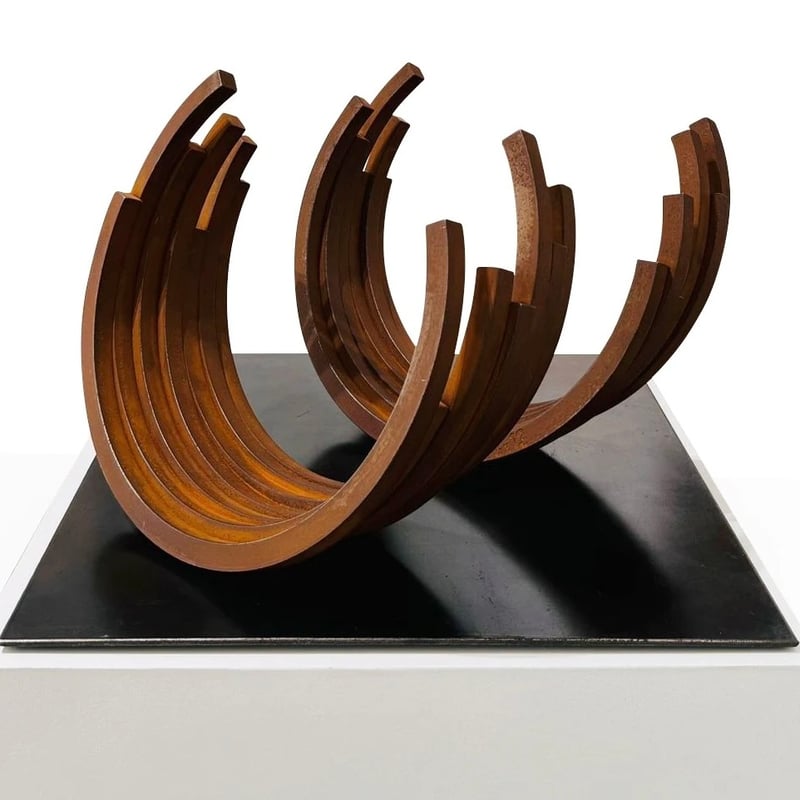
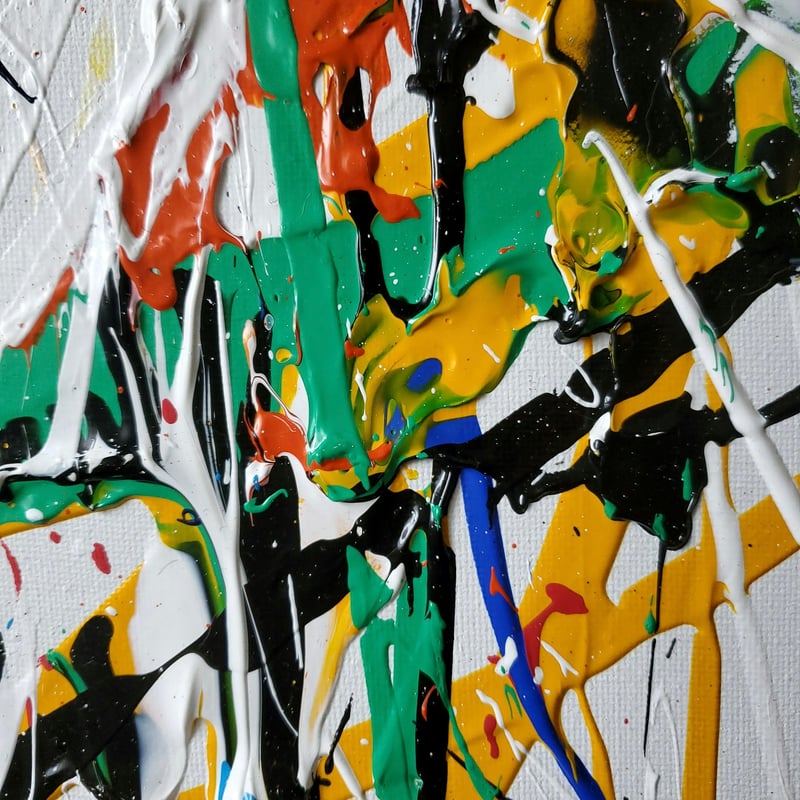
Original artwork is art that stems directly from the personal inspiration and creativity of an artist. It is not a direct copy of another artist’s work, though it may be inspired by it. The subject matter can be similar, but it cannot be an exact replication. The term also refers to a unique piece, as opposed to a multiple or edition.
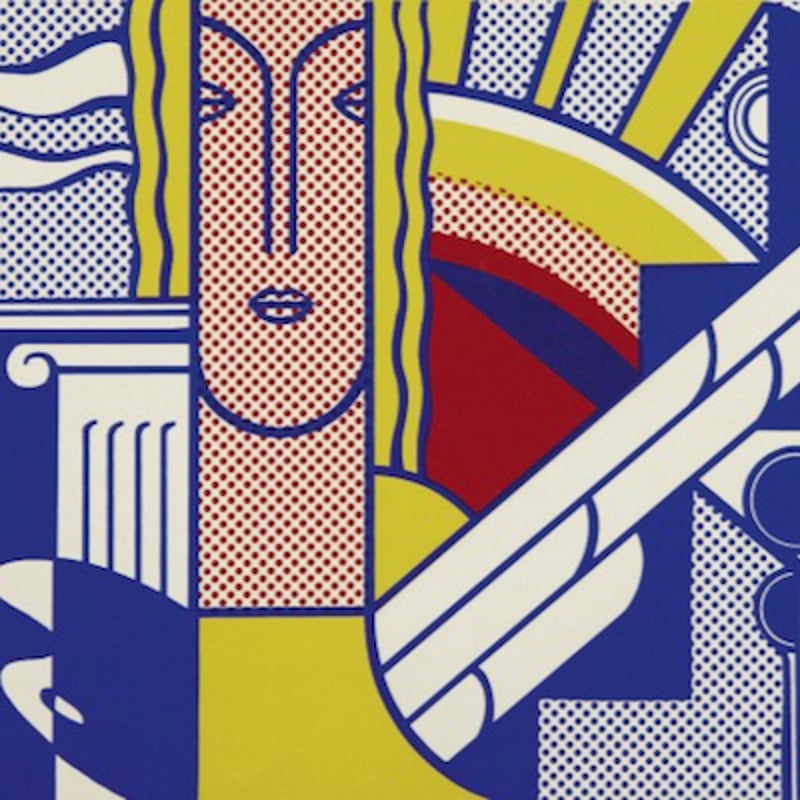
Late Modernism refers to the continuation and evolution of Modernist principles in art, architecture, and literature from the mid-20th century into the late 20th century. This movement maintains a focus on form, abstraction, and the rejection of traditional styles, but it often incorporates more complexity and ambiguity compared to early Modernism. Late Modernism explores themes such as alienation, identity, and the fragmentation of reality, reflecting the social and cultural shifts of the post-war period. It is seen in the works of architects like Louis Kahn and artists like Francis Bacon, who pushed the boundaries of Modernism while responding to the changing world around them.
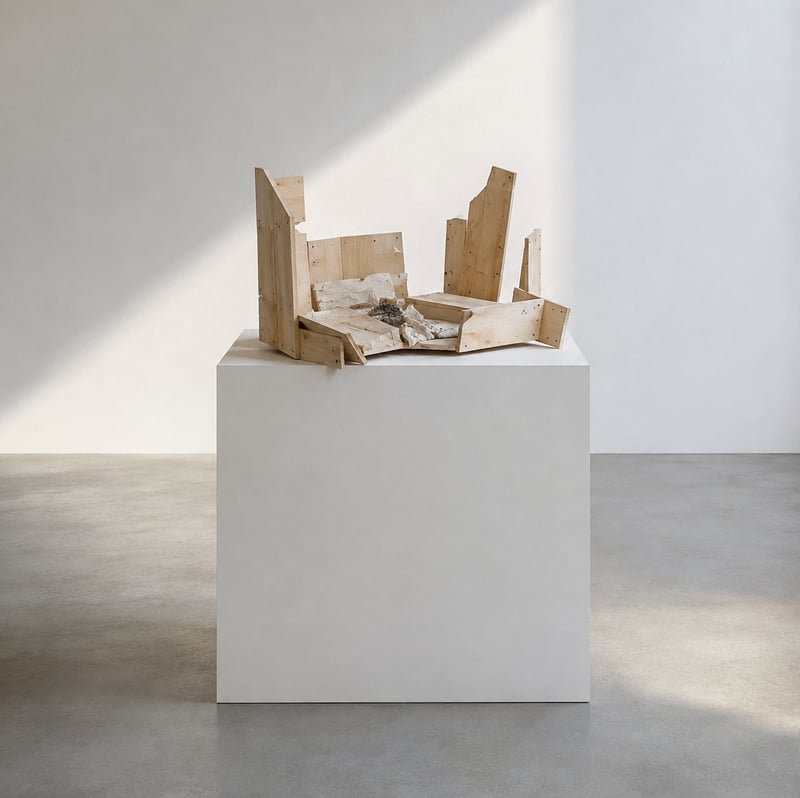
Xiamen Dada was a Chinese artist group based in Xiamen, a city on China’s southeast coast. Emerging in the 1980s, the group explored the relationship between Chan Buddhism and European Dada, embracing absurdity and the use of chance in the creation of their artworks. Xiamen Dada sought to challenge conventional artistic norms, blending Eastern philosophy with the avant-garde practices of Dada, and became known for their provocative and unconventional approach to art.
Can't find your Answer?
Thank you! Your question has been sent — we'll get back to you shortly.
