
What is appropriation?
- Show All
- Established
- Discoveries
- Show All
Artworks Related to Appropriation
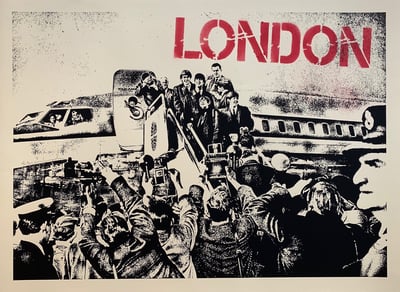
Mr. Brainwash
A good day's flight, 2009
Limited Edition Print
Lithograph
USD 4,850
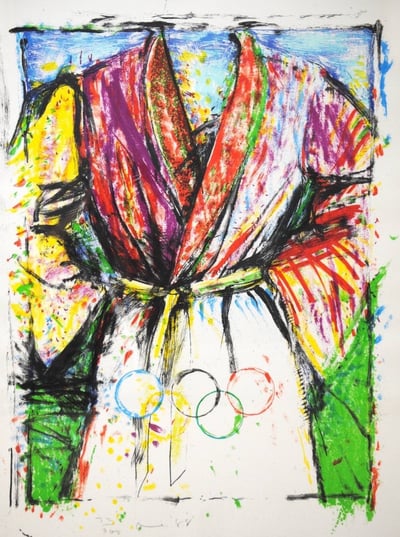
Jim Dine
Olympic Robe , 1988
Limited Edition Print
Lithograph
USD 7,500
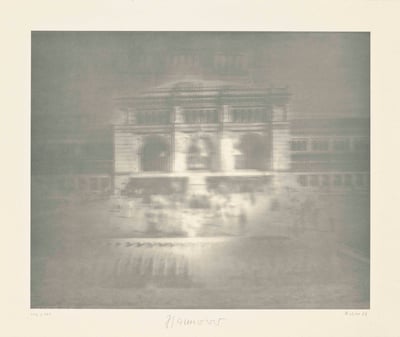
Gerhard Richter
Bahnhof (Hannover), 1967
Limited Edition Print
Lithograph
Inquire For Price

Joseph Kosuth
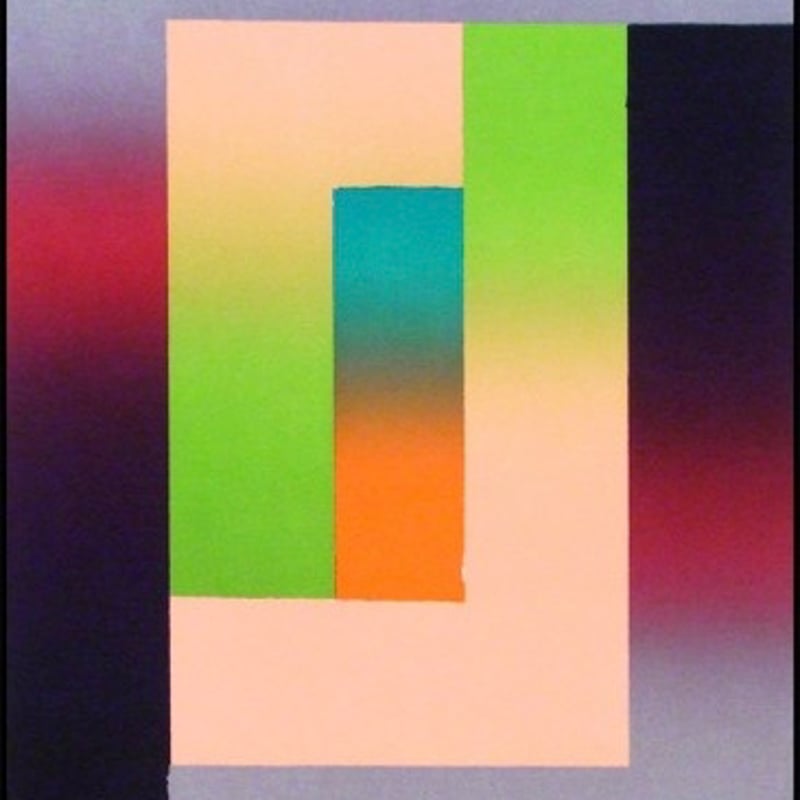
Wittgenstein's colour, 1989
Sculpture / Object
Mixed Media
EUR 29,300
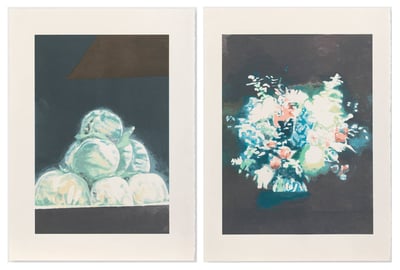
Luc Tuymans
Peaches and Technicolor , 2013
Limited Edition Print
Screen-print
Currently Not Available
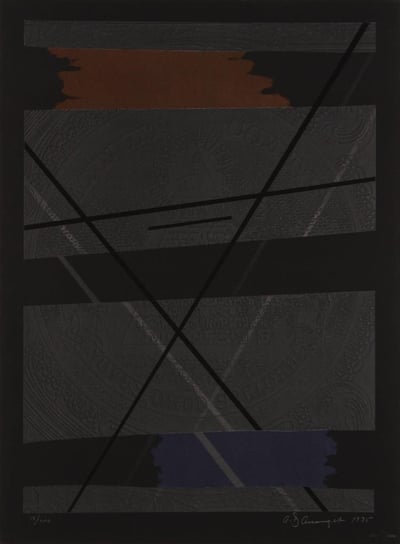
Allan D'Arcangelo
Beginning, 1975
Limited Edition Print
Lithograph
Inquire For Price
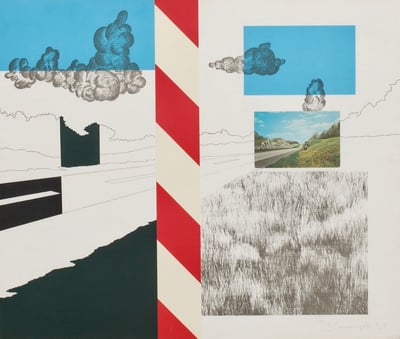
Allan D'Arcangelo
Super Highway, 1969
Limited Edition Print
Silkscreen
USD 1,800
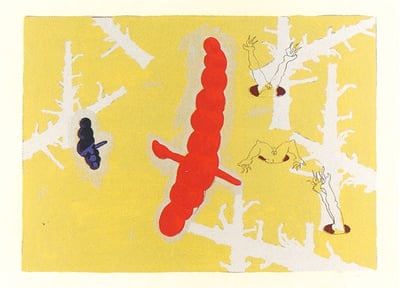
Jorg Immendorf
Lästerzungen
Limited Edition Print
Screen-print
EUR 2,300
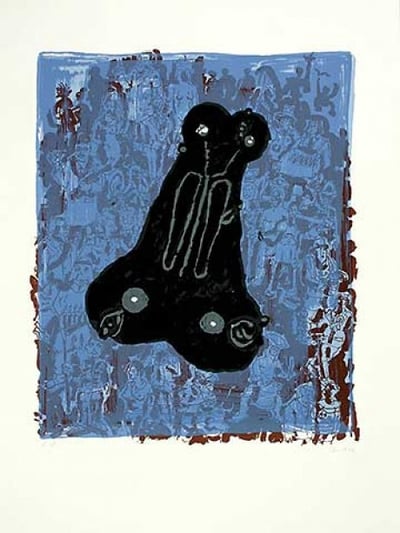
Jorg Immendorf
Nase 2
Limited Edition Print
Silkscreen
EUR 1,600
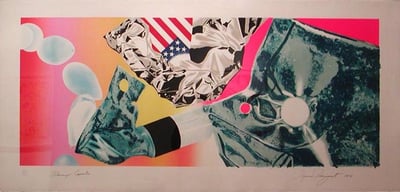
James Rosenquist
Flamingo Capsule, 1973
Limited Edition Print
Screen-print
USD 18,500
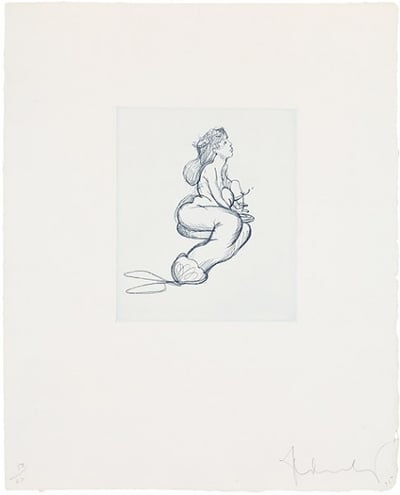
Claes Oldenburg
Mermaid, 1975
Limited Edition Print
Etching
EUR 2,400
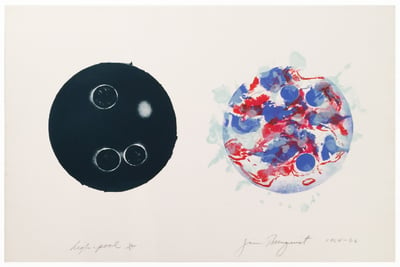
James Rosenquist
High Pool, 1966
Limited Edition Print
Lithograph
USD 6,700
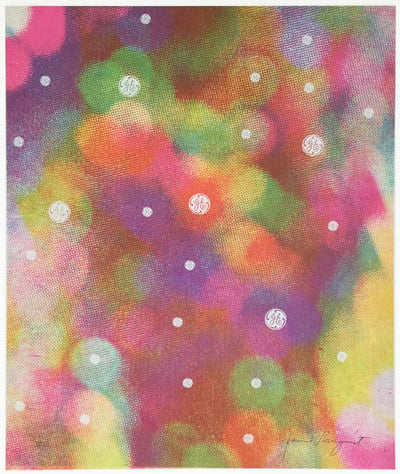
James Rosenquist
Circles of Confusion, 1965
Limited Edition Print
Screen-print
EUR 2,500
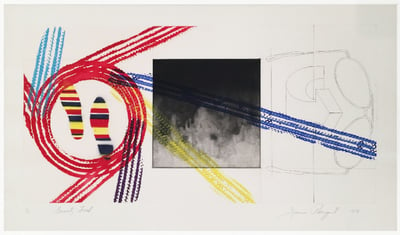
James Rosenquist
Gravity Feed, 1978
Limited Edition Print
Aquatint
USD 2,350
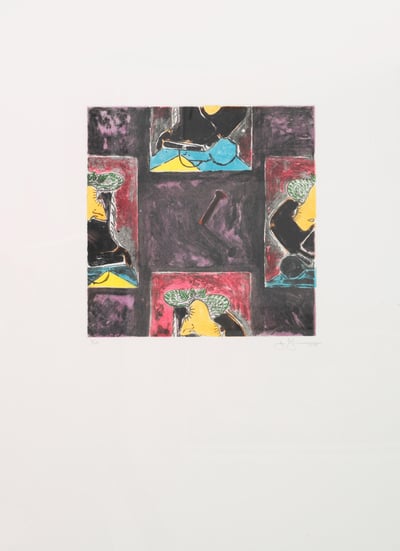
Jasper Johns
Untitled (Faces on purple), 1988
Limited Edition Print
Carborundum
USD 21,000 - 30,000
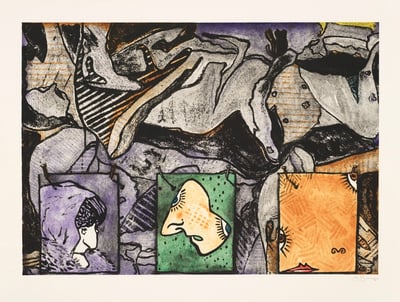
Jasper Johns
Untitled - Faces (ULAE 243), 1988
Limited Edition Print
Carborundum
USD 41,000 - 45,000
Related Articles



The Aesthetic Movement emerged in the late 19th century, emphasizing the beauty and sensual qualities of art over practical or moral considerations. It promoted the idea of creating art for its own sake, valuing beauty and aesthetic experience as ends in themselves. The movement was particularly influential in Britain.

Intaglio is a printmaking technique where the artist creates marks on a metal plate that hold ink or dye. The inked plate is then pressed onto paper, transferring the ink to the sheet. This process can be repeated multiple times depending on the technique. Intaglio methods, such as etching, often involve applying a mordant (acid) to the metal plate to create the design. Intaglio encompasses various techniques, including engraving, etching, and drypoint.
Entropy, in a broader sense, refers to the inevitable deterioration or decline of a society or system. In art, the concept was popularized by artist Robert Smithson in the 1960s. He used the term to critique what he saw as the static and overly simplified nature of contemporary minimalist art. Smithson's work often explored the idea of entropy as a force of chaos and decay, contrasting with the perceived order and purity of minimalist works.
Can't find your Answer?
Thank you! Your question has been sent — we'll get back to you shortly.
