
What is appropriation?
- Show All
- Established
- Discoveries
- Show All
Artworks Related to Appropriation

Allen Jones
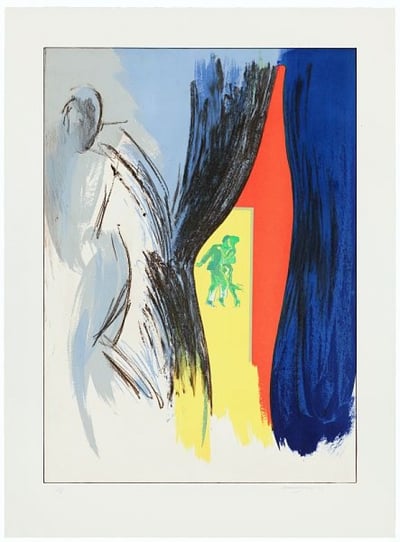
Catwalk IV, 1999
Limited Edition Print
Etching
EUR 2,500
Allen Jones
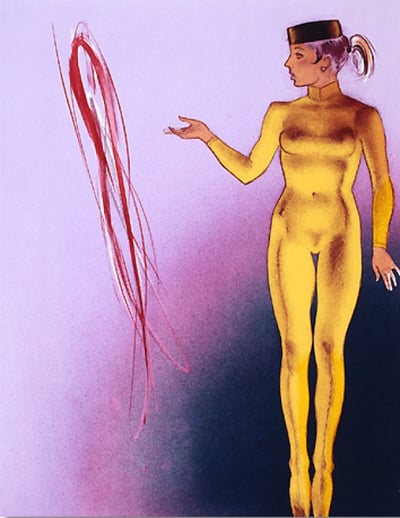
Dance, 1999
Limited Edition Print
Lithograph
EUR 2,000
Allen Jones
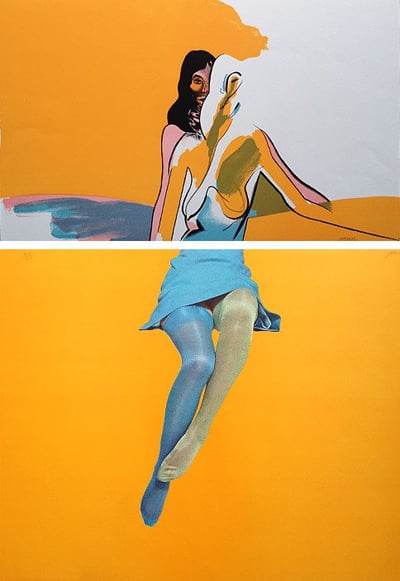
Intro
Limited Edition Print
Lithograph
Currently Not Available
Allen Jones
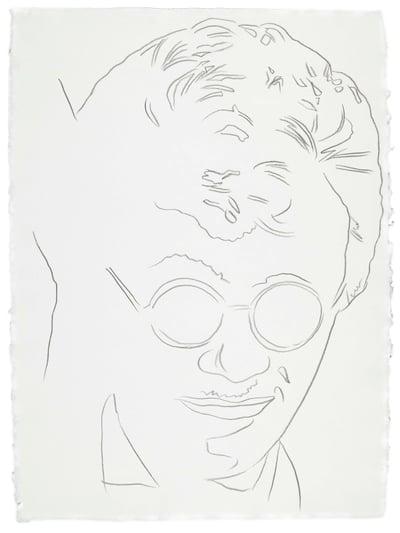
Life Class VI, 1968
Limited Edition Print
Lithograph
Currently Not Available
Andy Warhol
Rats and Star Band Member #2 , 1983
Drawing / Watercolor
Pencil
EUR 32,000
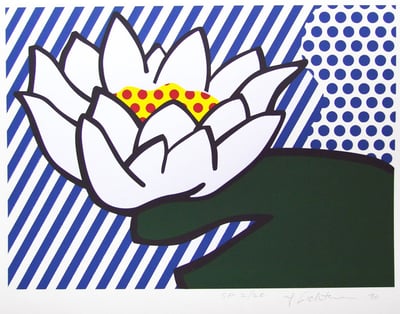
Roy Lichtenstein
Water Lily, 1993
Limited Edition Print
Screen-print
Currently Not Available
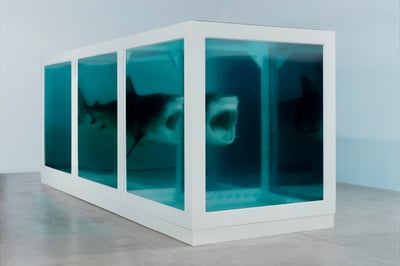
Damien Hirst
The Physical Impossibility of Death in the Mind of Someone Living, 2013
Limited Edition Print
Mixed Media
Currently Not Available

Jorg Immendorf
Dialog - Gertrude, 2001
Limited Edition Print
Silkscreen
EUR 2,300
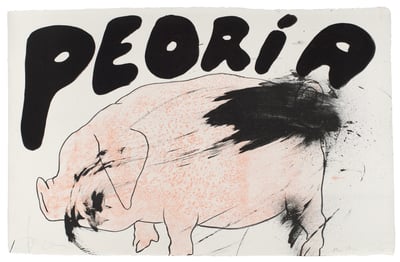
Jim Dine
Peoria, 1970
Limited Edition Print
Lithograph
EUR 1,900
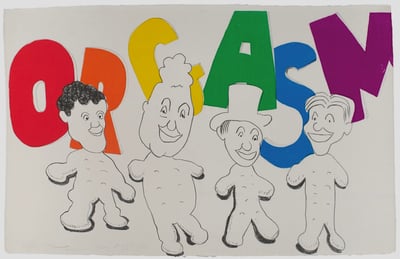
Jim Dine
Orgasm, 1970
Limited Edition Print
Lithograph
EUR 1,900
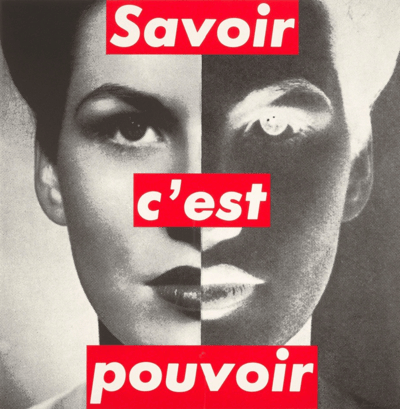
Barbara Kruger
Knowledge is Power, 1989
Limited Edition Print
Lithograph
Currently Not Available
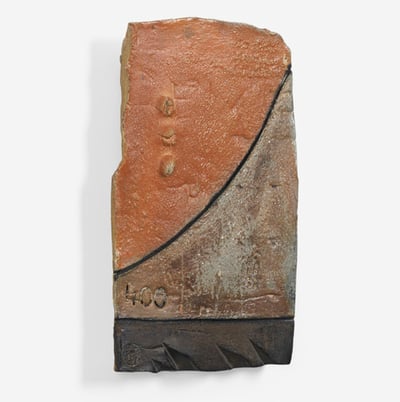
Theaster Gates
South Side Wall Sculpture
Ceramics
Ceramic
Currently Not Available
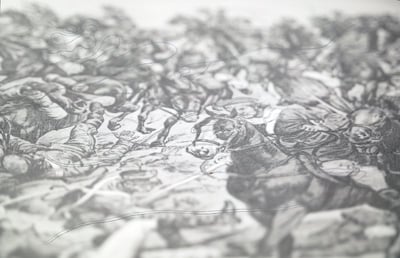
Liliana Porter
El caminante
Limited Edition Print
Mixed Media
EUR 13,000

Laure Prouvost
Ideally this print will take you far away, 2016
Limited Edition Print
Etching
EUR 1,000
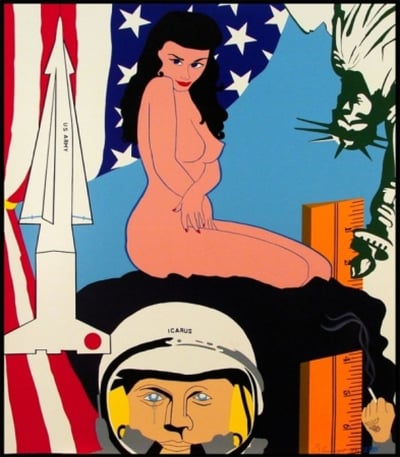
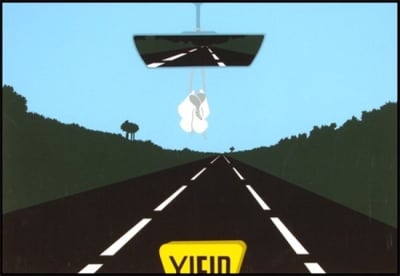
Allan D'Arcangelo
Icarus
Limited Edition Print
Serigraph
USD 4,500
Allan D'Arcangelo
The Holy Famil, 1980
Limited Edition Print
Serigraph
USD 2,800
Related Articles

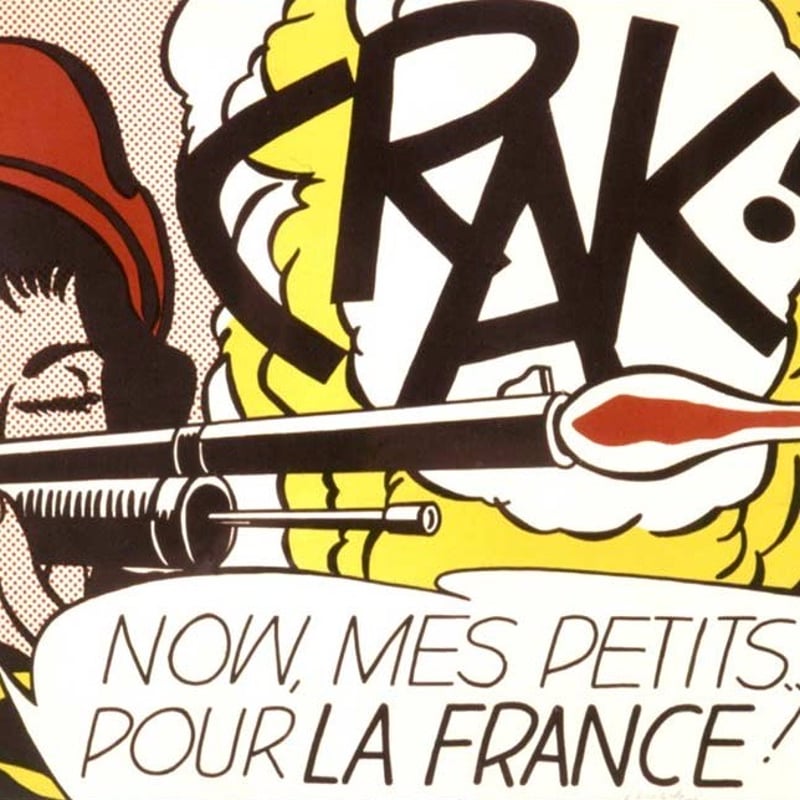
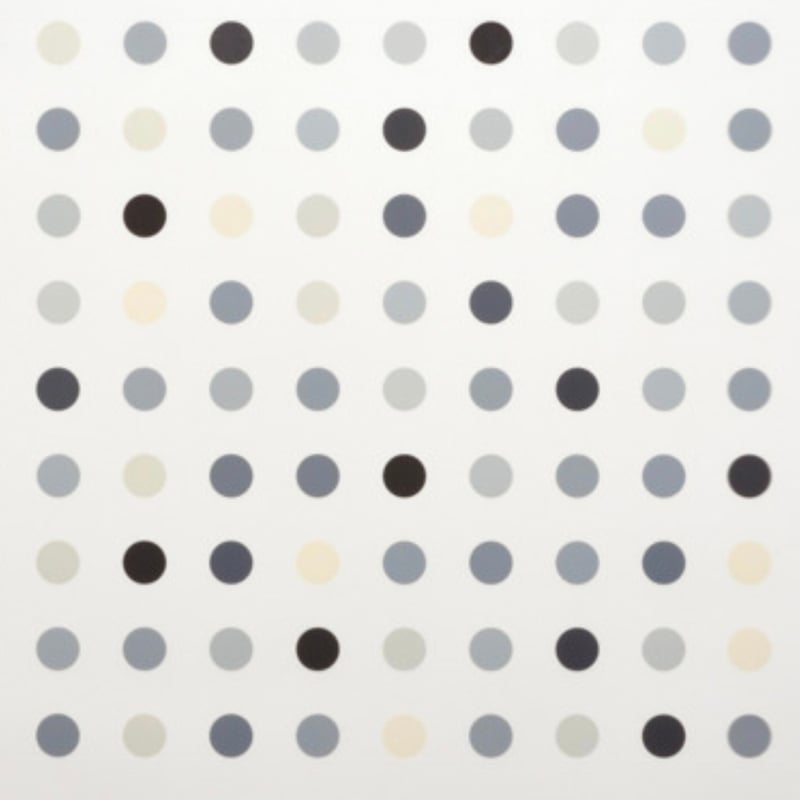

Pixel Art is a form of digital art created by placing individual pixels, similar to assembling a mosaic where each small piece contributes to a larger image. The style is often associated with nostalgia, as it draws on the techniques used in early video game graphics. Pixel art has seen a resurgence in popularity, both as a nod to retro aesthetics and as a distinct artistic style in modern digital art.

An artist proof traditionally refers to a print impression taken during the printing process to evaluate the current state of the artwork as the artist works on the plate. These proofs often show incomplete images and are sometimes called trial impressions or working proofs. However, in modern practice, an artist proof typically refers to an impression of the finished work that is identical to the numbered edition copies but is set aside for the artist's personal use. Artist proofs are usually marked A.P. and may be considered more valuable by collectors due to their limited availability.
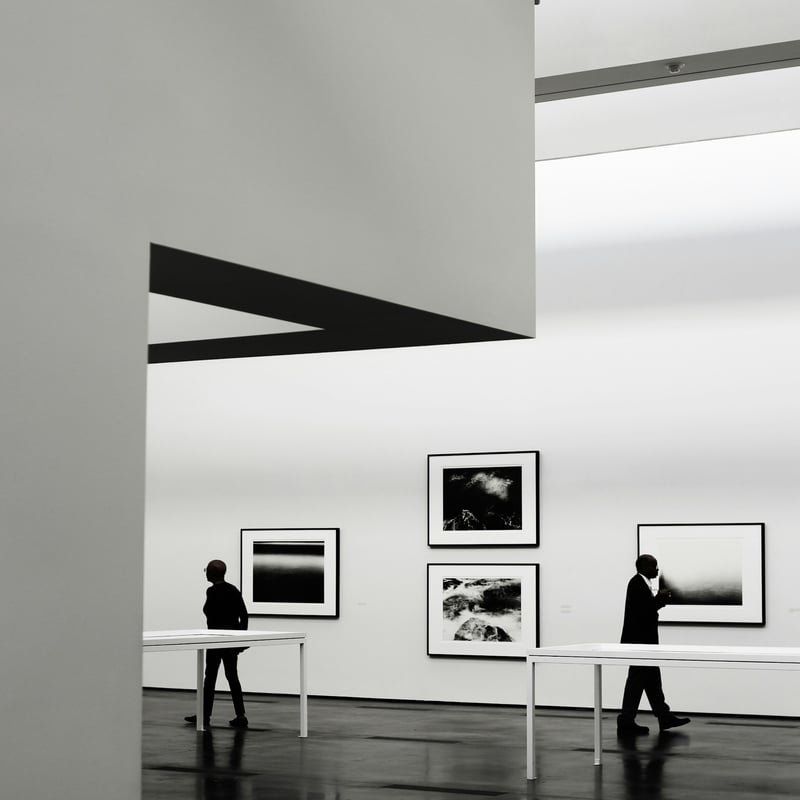
A triennial is a large-scale art exhibition that takes place every three years. These exhibitions often feature the latest artistic developments, works, and emerging artists on an international scale, involving major institutions from around the world. Triennials are significant events in the art world, offering a platform for contemporary art and fostering global cultural exchange.
Can't find your Answer?
Thank you! Your question has been sent — we'll get back to you shortly.
