
What is appropriation?
- Show All
- Established
- Discoveries
- Show All
Artworks Related to Appropriation
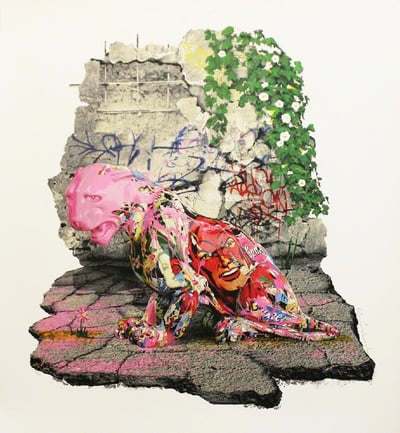
Mr. Brainwash
Nepal Relief Fundraiser, 2015
Limited Edition Print
Screen-print
Inquire For Price
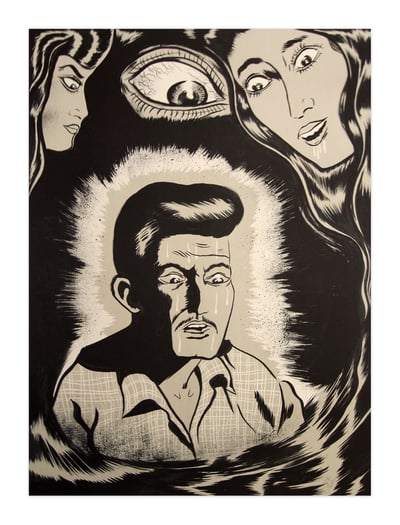
Dr Lakra
Ojo vigilante, 2009
Limited Edition Print
Lithograph
EUR 750
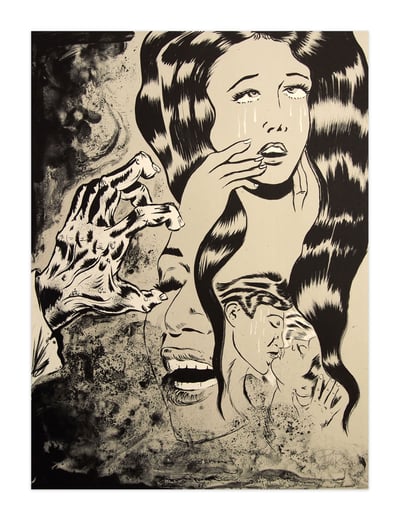
Dr Lakra
Abandonado, 2009
Limited Edition Print
Lithograph
EUR 750
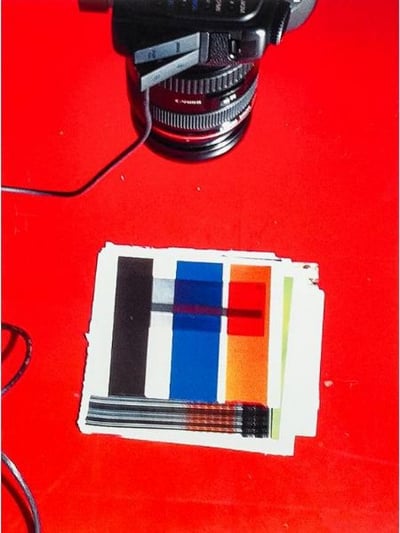
Wade Guyton
IMG_1919, 2013
Limited Edition Print
C-Print
Currently Not Available
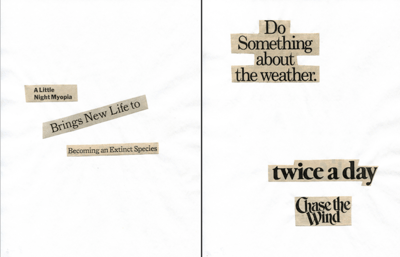
Lorraine O'Grady
Cutting Out CONYT 7, 1977 - 2017
Limited Edition Print
Mixed Media
USD 20,000
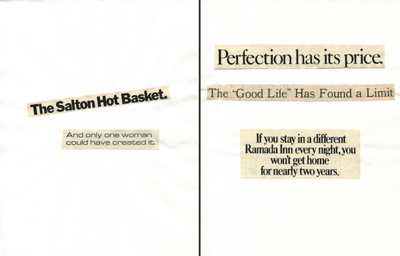
Lorraine O'Grady
Cutting Out CONYT 6, 1977 - 2017
Limited Edition Print
Mixed Media
USD 20,000
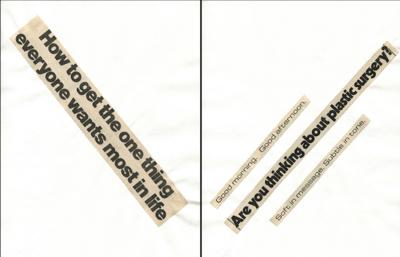
Lorraine O'Grady
Cutting Out CONYT 5, 1977 - 2017
Limited Edition Print
Mixed Media
USD 20,000
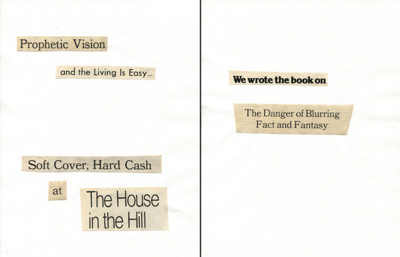
Lorraine O'Grady
Cutting Out CONYT 4, 1977 - 2017
Limited Edition Print
Mixed Media
USD 20,000
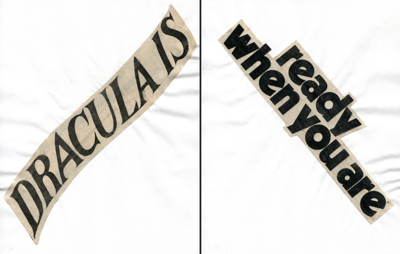
Lorraine O'Grady
Cutting Out CONYT 3, 1977 - 2017
Limited Edition Print
Mixed Media
USD 20,000
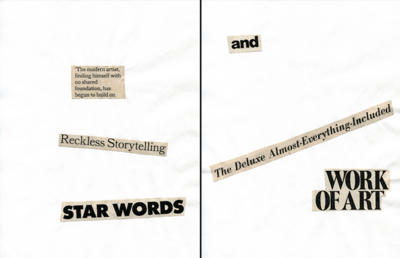
Lorraine O'Grady
Cutting Out CONYT 2, 1977 - 2017
Limited Edition Print
Mixed Media
USD 20,000
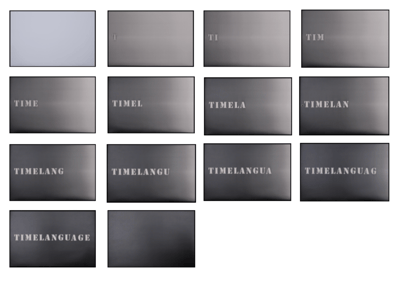
Luis Camnitzer
TIMELANGUAGE, 2016
Limited Edition Print
Mixed Media
EUR 35,000
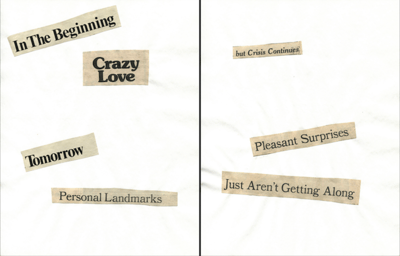
Lorraine O'Grady
Cutting Out CONYT 1, 1977 - 2017
Limited Edition Print
Mixed Media
USD 20,000
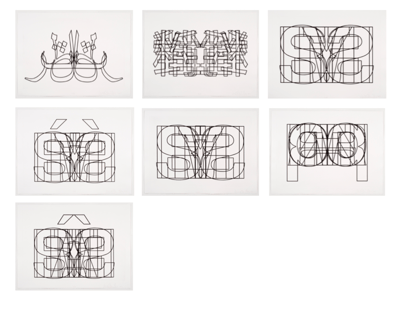
Luis Camnitzer
Symmetrical Jails, 2014
Limited Edition Print
Etching
USD 50,000
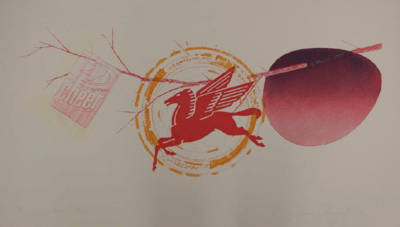
James Rosenquist
Spring Cheer, 1st. State , 1978
Limited Edition Print
Etching and Aquatint
USD 4,250
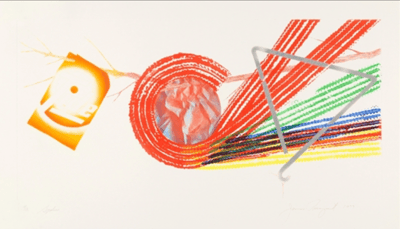
James Rosenquist
Spokes , 1977
Limited Edition Print
Etching and Aquatint
USD 4,390
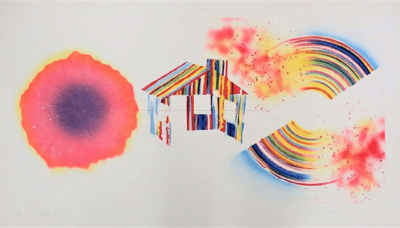
James Rosenquist
Hot Lake, 1978
Limited Edition Print
Etching and Aquatint
USD 4,390
Related Articles

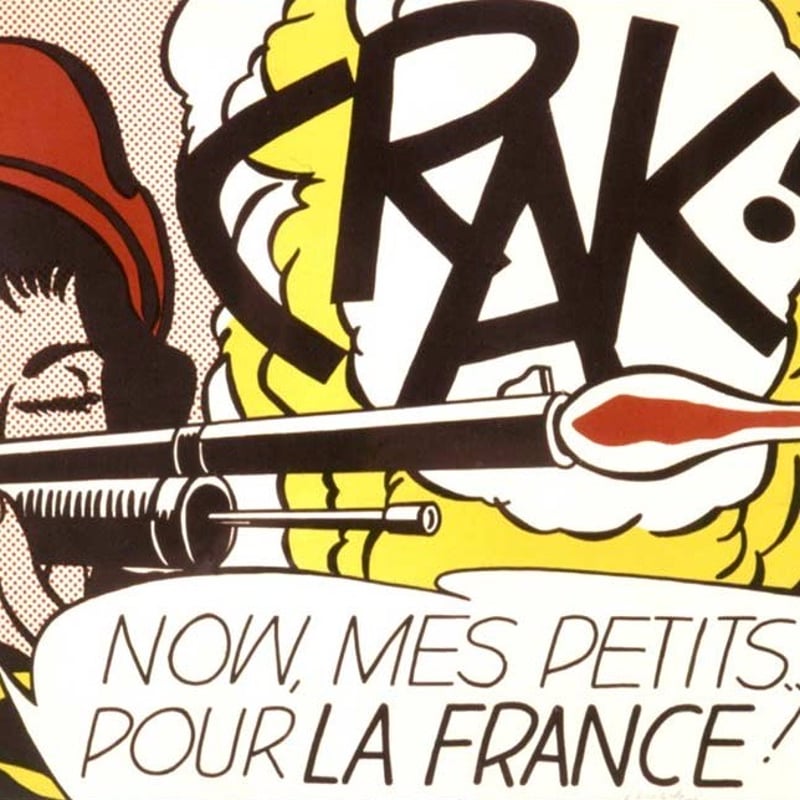
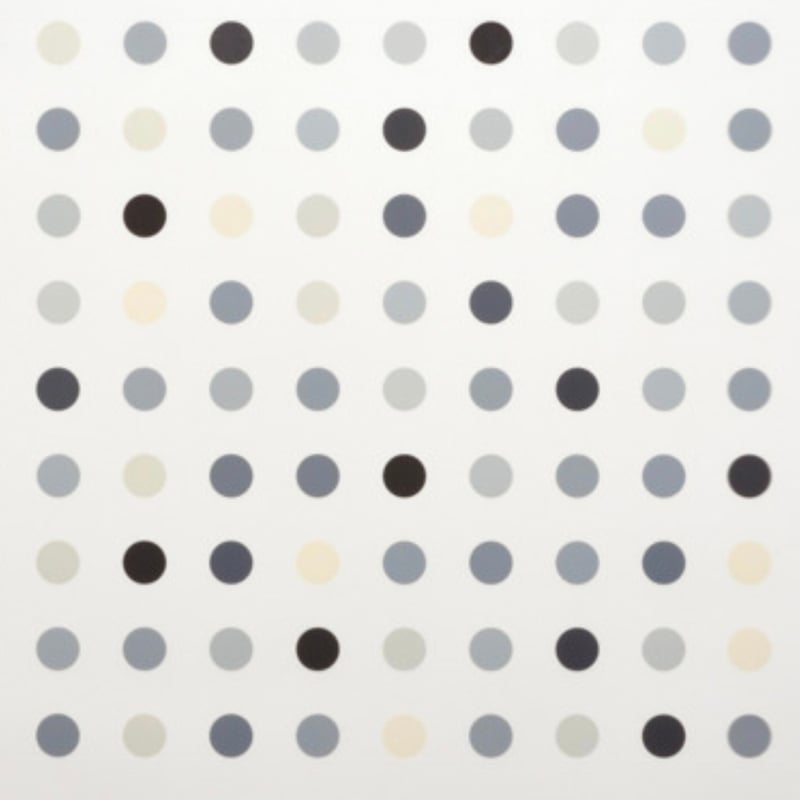
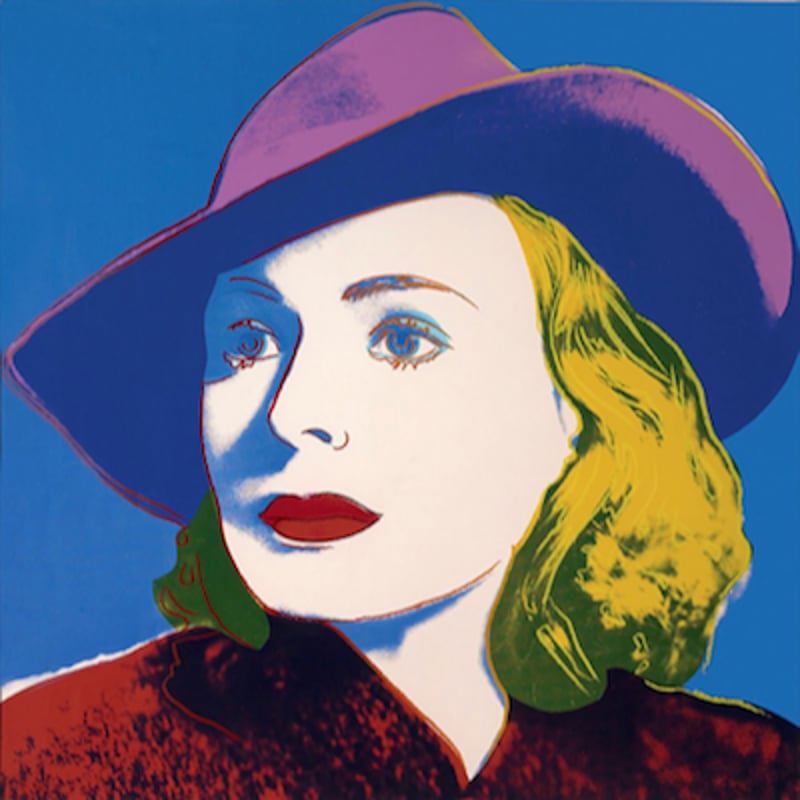
Pop Art is an art movement that began in Britain in 1955 and in the late 1950s in the U.S. It challenged traditional fine arts by incorporating imagery from popular culture, such as news, advertising, and comic books. Pop Art often isolates and recontextualizes materials, combining them with unrelated elements. The movement is more about the attitudes and ideas that inspired it than the specific art itself. Pop Art is seen as a reaction against the dominant ideas of Abstract Expressionism, bringing everyday consumer culture into the realm of fine art.
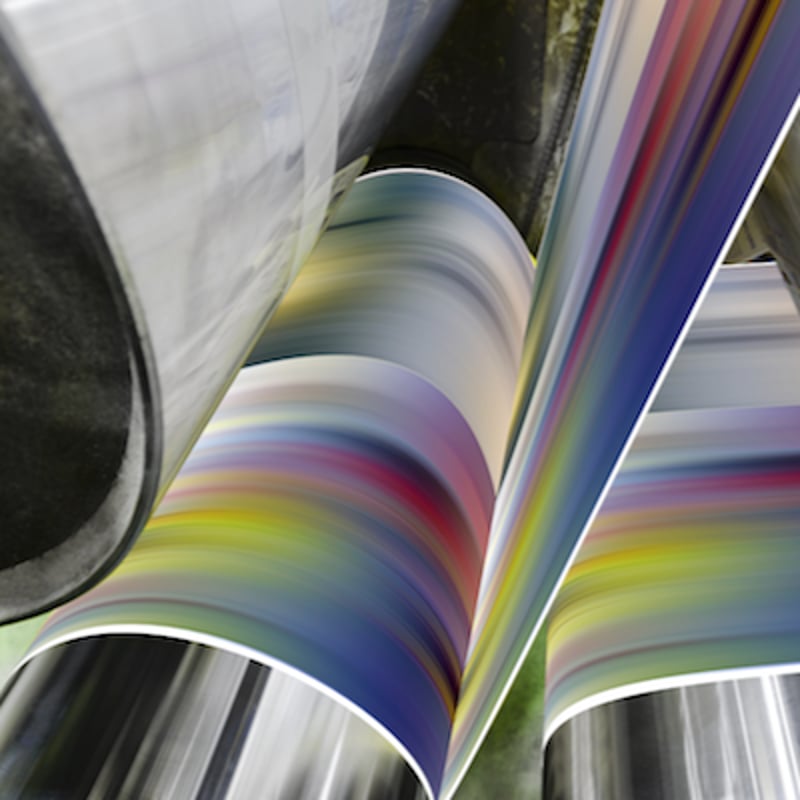
A print is an image or text reproduced using a template or master form. Prints are typically created by transferring ink from a prepared matrix to another material, often paper. Common matrices include copper or zinc plates for etching and engraving, aluminum or stone for lithography, wood blocks for woodcuts, and linoleum for linocuts. The term print can also refer to a single impression made from the matrix.
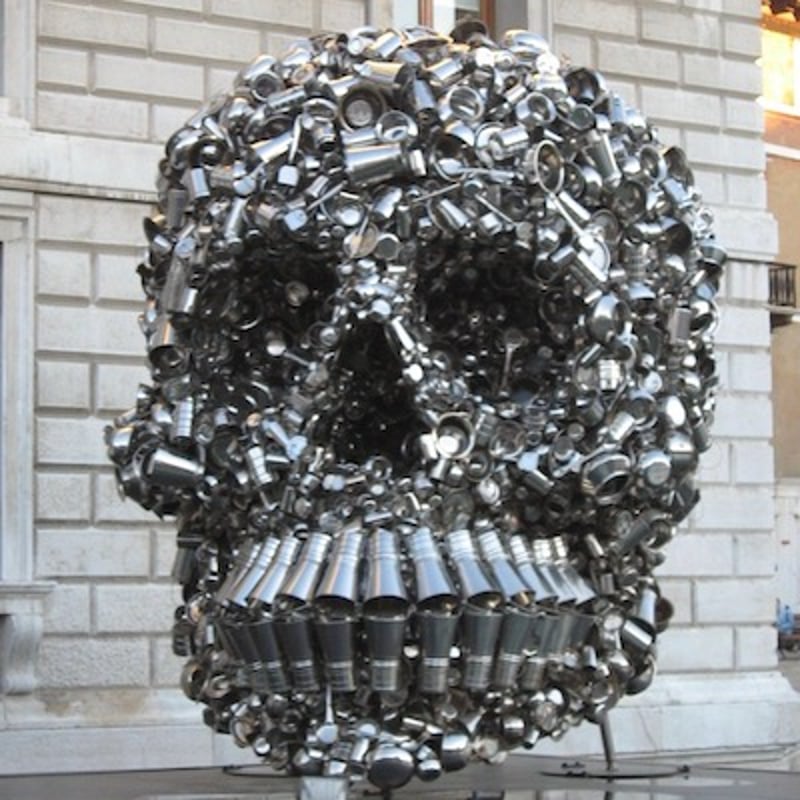
Junk art is a form of art that demonstrates how any material or object can be used to create a wide range of paintings, sculptures, installations, and assemblages. Many Junk Art pieces are made using ordinary materials found in everyday life. By applying artistic knowledge and skills, artists can transform these common objects into remarkable works of art.
Can't find your Answer?
Thank you! Your question has been sent — we'll get back to you shortly.
