
What is appropriation?
- Show All
- Established
- Discoveries
- Show All
Artworks Related to Appropriation

James Rosenquist
My mind is a glass of water, 1972
Limited Edition Print
Lithograph
Currently Not Available
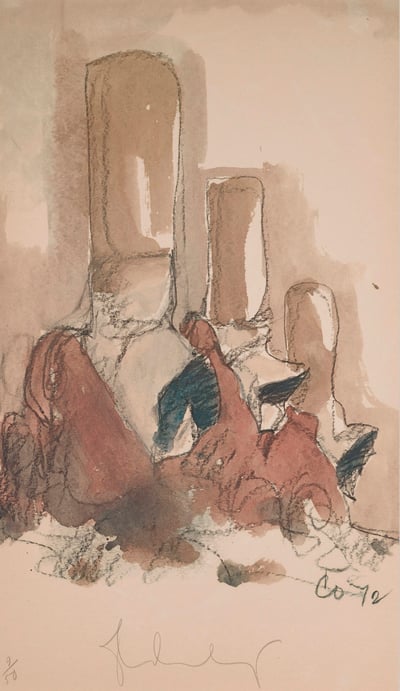
Claes Oldenburg
Fagends Carved in Rock Fagend Canyon, 1975
Limited Edition Print
Offset Print
Inquire For Price

Mr. Brainwash
Superheroes (red), 2018
Limited Edition Print
Serigraph
Inquire For Price

Damien Hirst
Pharmacy, 1992
Limited Edition Print
Lithograph
Currently Not Available
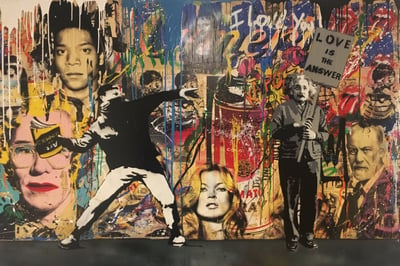
Mr. Brainwash
Banksy thrower and Einstein, 2014
Painting
Mixed Media
USD 64,000 - 84,000

Huang Yan
Landscape, 2005
Photography
Lambda print
EUR 10,150
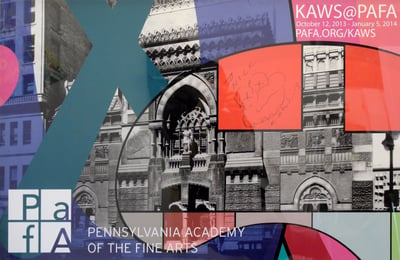
KAWS
Unique Ink Sketch on PAFA , 2013
Drawing / Watercolor
Ink
Inquire For Price
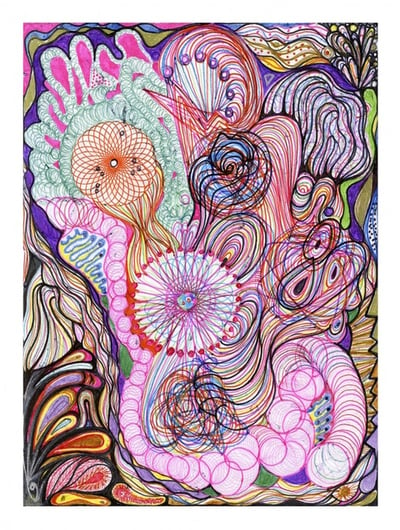
Joana Vasconcelos
Filament 2, 2014
Limited Edition Print
Archival Print
USD 1,875
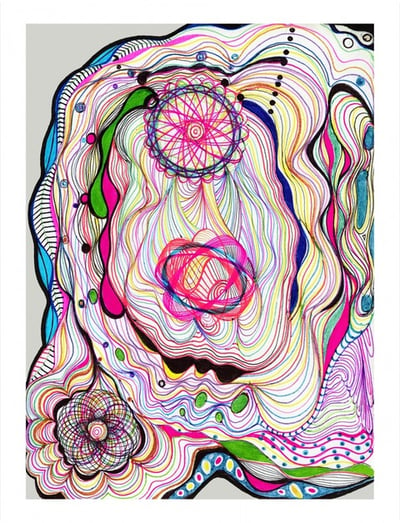
Joana Vasconcelos
Filament 1, 2014
Limited Edition Print
Archival Print
USD 1,875
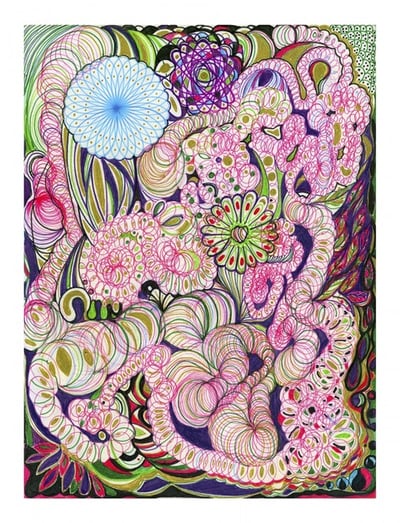
Joana Vasconcelos
Pandora 2, 2014
Limited Edition Print
Archival Print
USD 1,875
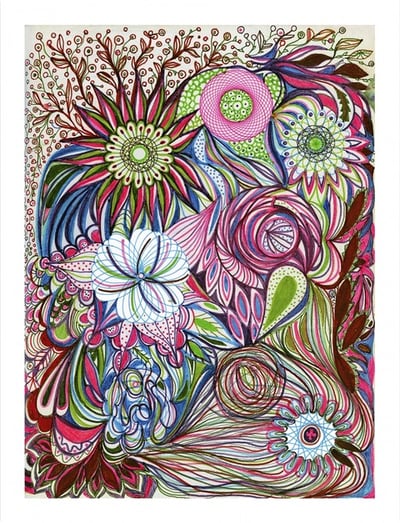
Joana Vasconcelos
Pandora 1, 2014
Limited Edition Print
Archival Print
USD 1,875
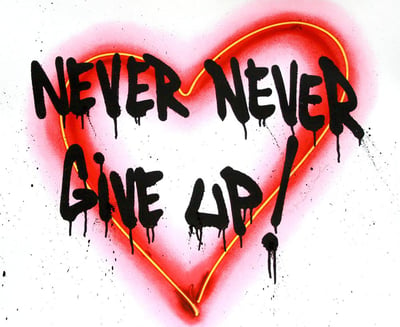
Mr. Brainwash
Speak from the Heart (Never Give Up), 2018
Limited Edition Print
Mixed Media
Currently Not Available
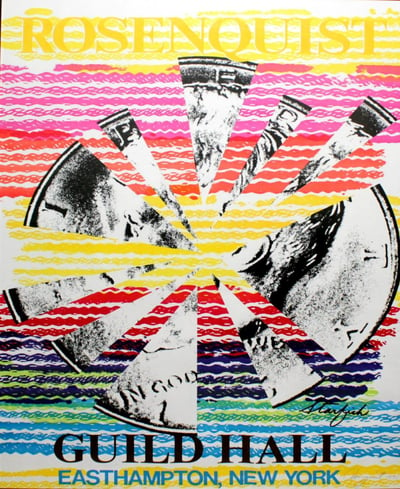
James Rosenquist
Starfish, 1974
Limited Edition Print
Serigraph
Inquire For Price
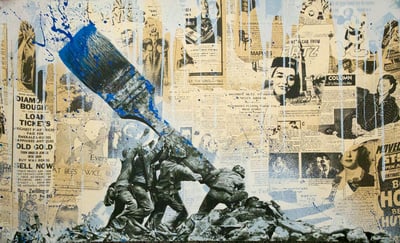
Mr. Brainwash
Untitled (Paintbrush), 2014
Limited Edition Print
Screen-print
EUR 3,900
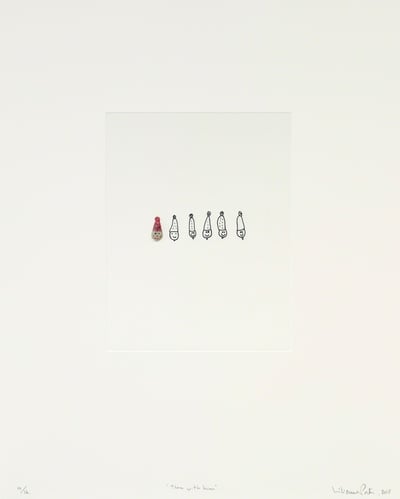
Liliana Porter
Them, Him, 2018
Limited Edition Print
Mixed Media
EUR 1,800
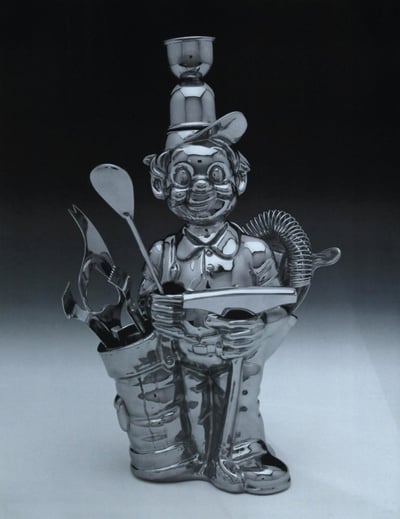
Jeff Koons
Fisherman Golfer, 1986
Limited Edition Print
Lithograph
Artwork On Hold
Related Articles

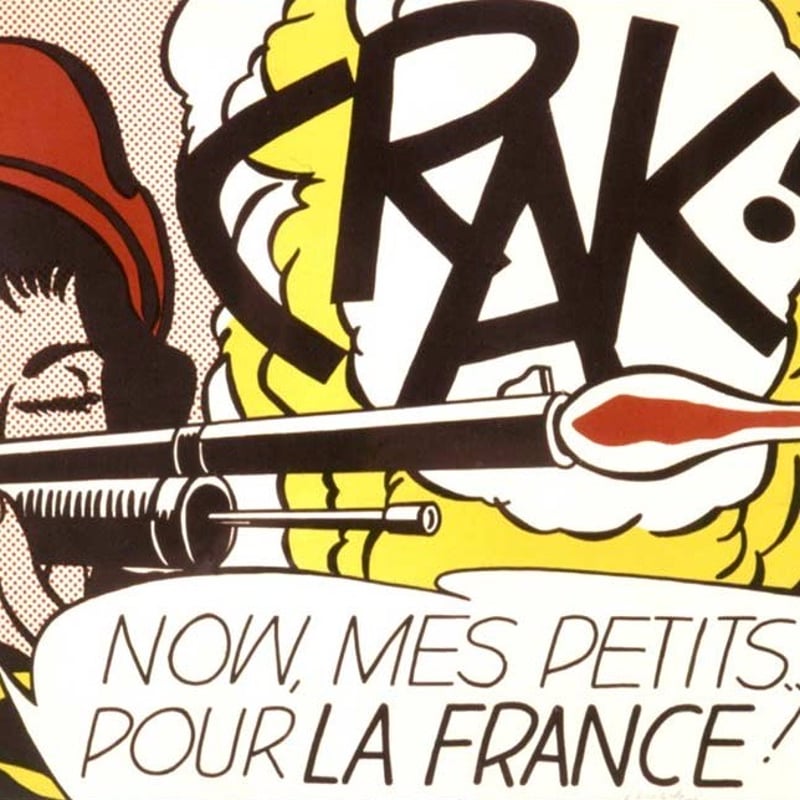

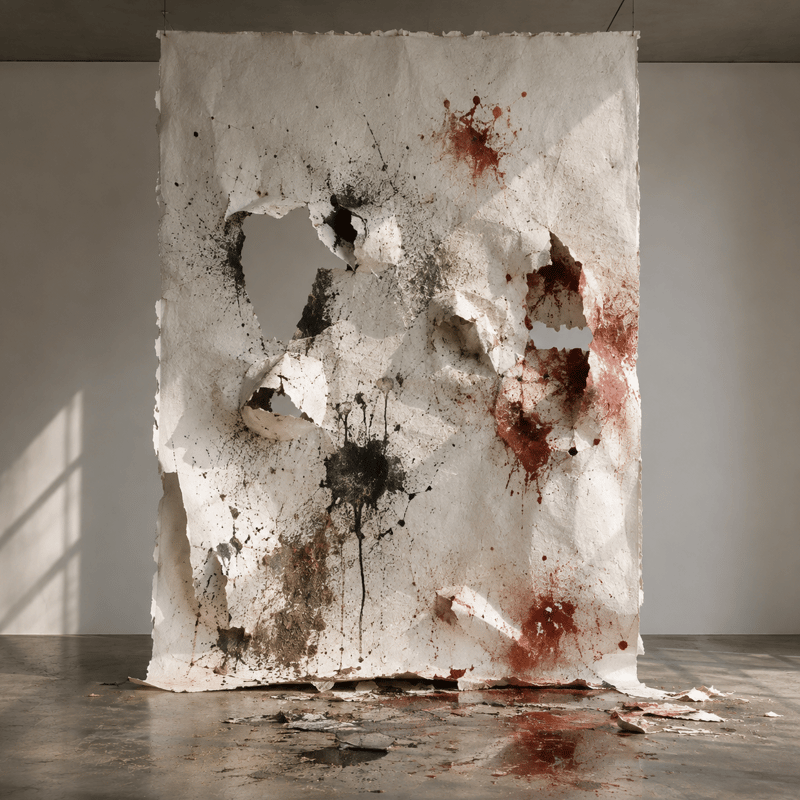
Gutai was a group of Japanese radical artists who formed the Gutai Art Association in 1954. The word Gutai translates to embodiment. The group was known for creating art on the spot for live audiences, often incorporating their own physical movements. Their performances included actions like throwing paint, piercing paper, and rolling in mud, emphasizing the direct interaction between the body and the material.
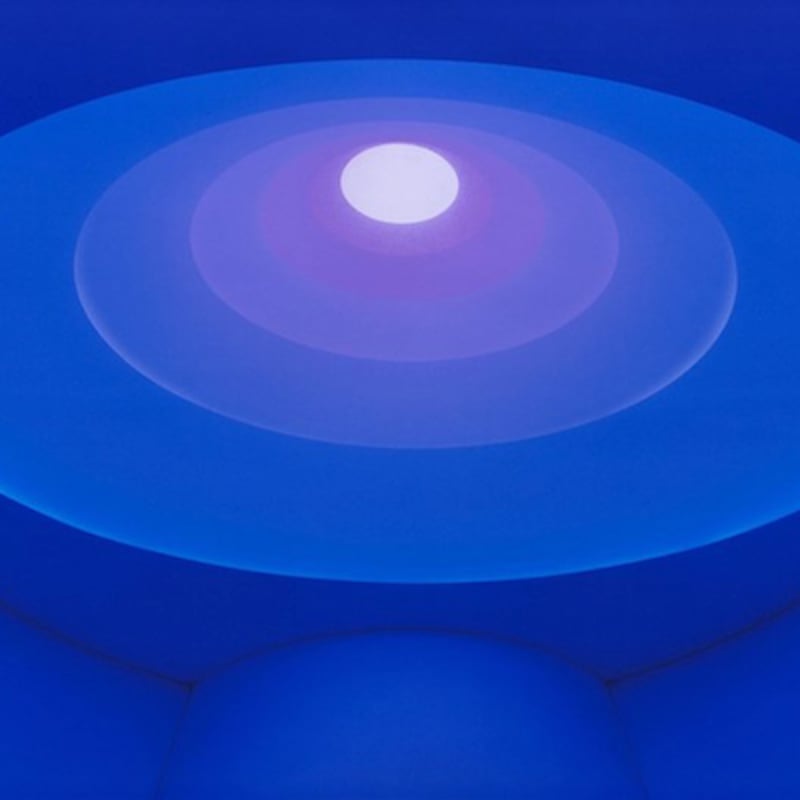
The Light and Space Movement refers to loosely affiliated art movements connected to minimalism, geometric abstraction, and op art that originated in Southern California in the 1960s. Greatly influenced by artist John McLaughlin, these artists focused on sensory phenomena such as light, perception, and space as central elements of their work. They also incorporated cutting-edge technologies from the aerospace and engineering industries to develop light-filled and sensuous objects, creating immersive experiences that emphasize the viewer's perception.
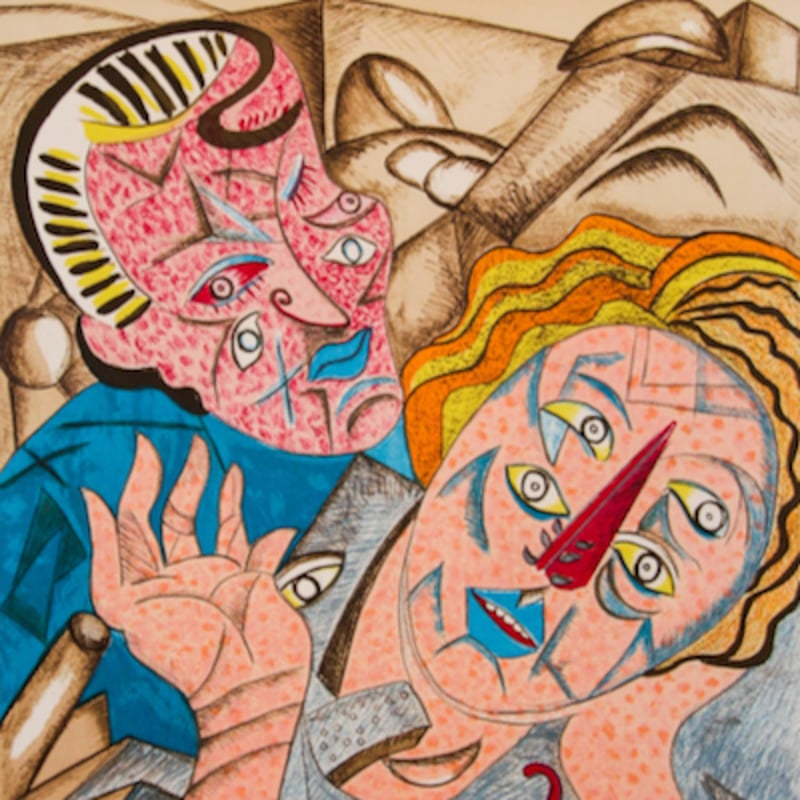
Arte Nucleare was the name of an artist group founded in Milan in 1951. The group aimed to create art that responded to the dangers and technologies of the nuclear age. Their works often utilized automatic techniques and depicted devastated landscapes and mushroom clouds, reflecting the anxieties of a world on the brink of nuclear catastrophe.
Can't find your Answer?
Thank you! Your question has been sent — we'll get back to you shortly.
