
What is appropriation?
- Show All
- Established
- Discoveries
- Show All
Artworks Related to Appropriation
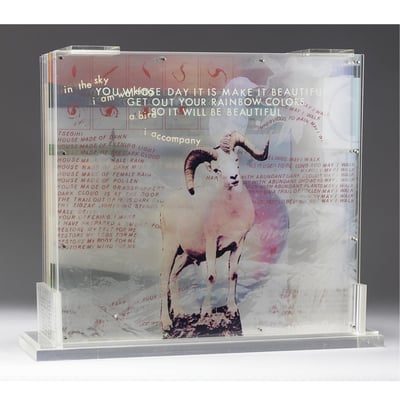
Robert Rauschenberg
Opal Gospel, 1971
Sculpture / Object
Screen-print
USD 13,000 - 15,000
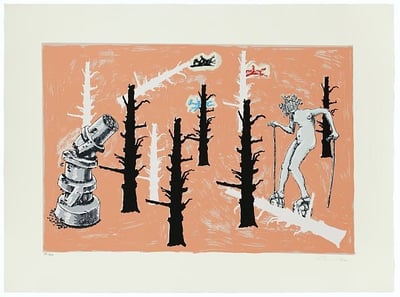
Jorg Immendorf
Schwarzes Schaf
Limited Edition Print
Silkscreen
EUR 1,900
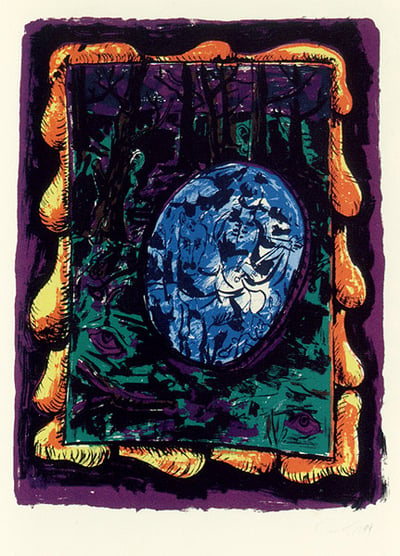
Jorg Immendorf
Malerwald
Limited Edition Print
Silkscreen
EUR 2,300

Jorg Immendorf
AT-Aquarell, 2000
Limited Edition Print
Silkscreen
EUR 2,100

Jorg Immendorf
no title (Red Man), 2006
Limited Edition Print
Silkscreen
EUR 2,300

Jorg Immendorf
Ohne Titel / AT-Spiegelgrafik
Limited Edition Print
Silkscreen
EUR 2,300
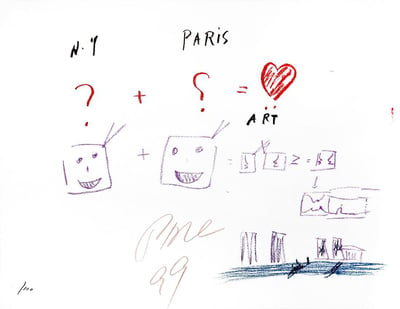
Nam June Paik
NY + Paris = Art, 1999
Limited Edition Print
Lithograph
Currently Not Available
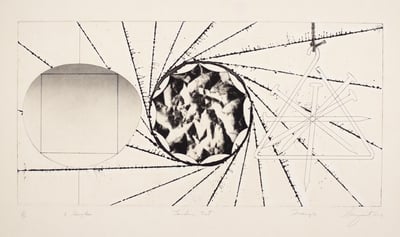
James Rosenquist
Sunglass Lens - Landing Net - Triangle, 1974
Limited Edition Print
Etching
Inquire For Price
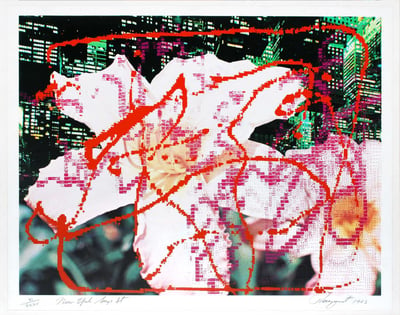
James Rosenquist
New York Says It, 1983
Limited Edition Print
Lithograph
USD 1,400

Laure Prouvost
Ideally here the roof be open to the sky, 2016
Limited Edition Print
Etching
EUR 1,000

Laure Prouvost
This print has traveled far to touch you, 2016
Limited Edition Print
Etching
EUR 1,000

Laure Prouvost
Ideally this wall would melt under your gaze, 2016
Limited Edition Print
Etching
EUR 1,000

Laure Prouvost
This print wishes to be on the other side of this wall, 2016
Limited Edition Print
Etching
EUR 1,000

Laure Prouvost
Ideally this print would be hanged higher, 2016
Limited Edition Print
Etching
EUR 1,000
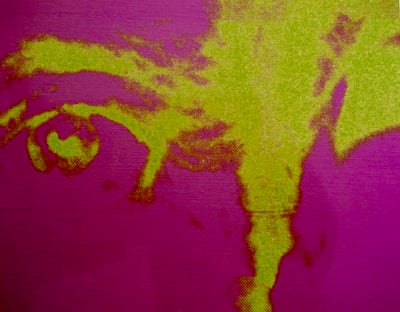
Louise Lawler
Discernible Difference, 2010
Limited Edition Print
Inkjet print
Currently Not Available

Allen Jones
Catwalk II, 1999
Limited Edition Print
Etching
EUR 2,500
Related Articles

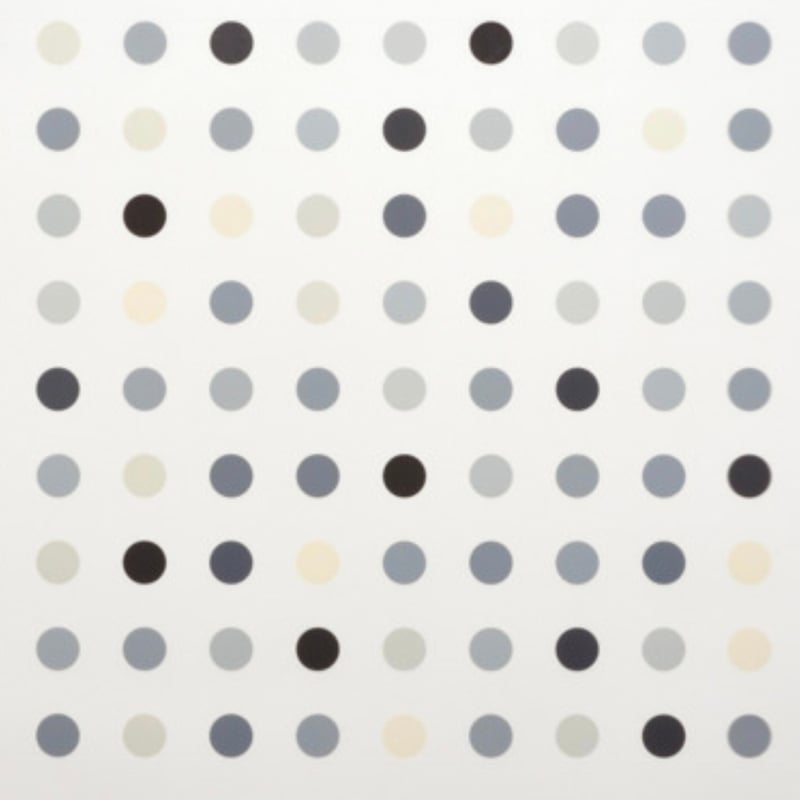
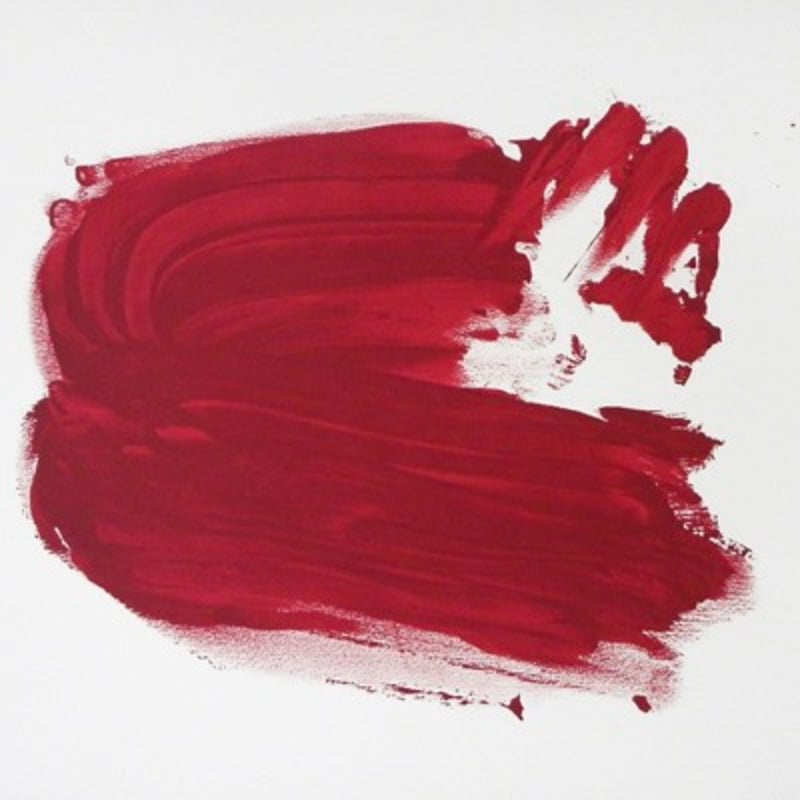
Dau Al Set was an artistic movement that sought to express both the conscious and unconscious mind through art. Initially an offshoot of Surrealism, it evolved into a distinct movement over time. Founded in Catalonia post-World War II, Dau Al Set was the first artistic movement in the region after the war. The name Dau Al Set translates to the seventh face of the dice in Catalan, symbolizing the movement's unique and unconventional character.

Superflat is an art movement founded by Takashi Murakami, heavily influenced by anime and manga. The term Superflat refers to the flattened forms found in Japanese animation, graphic art, fine arts, and pop culture, as well as the perceived superficiality of Japanese culture. Murakami's movement, which he self-proclaimed, is considered postmodern and critiques both the depth and shallowness of contemporary Japanese society. Superflat has been highly influential in bridging the gap between high art and popular culture.
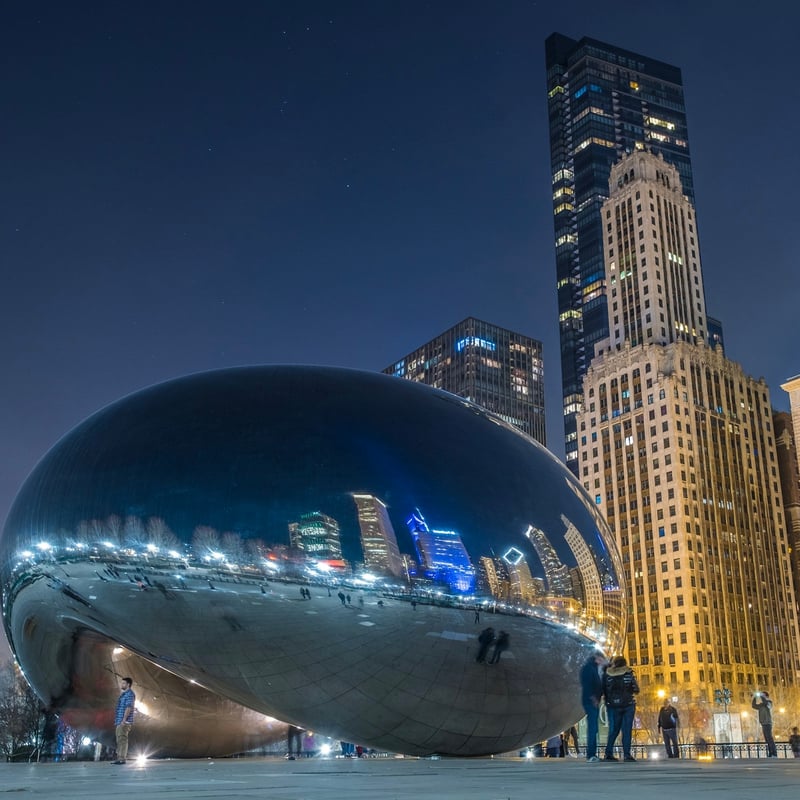
New British Sculpture is the name referring to the work produced by a group of sculptors, installation artists, and other creators who exhibited together in London during the 1980s. This group included artists like Richard Deacon, Richard Wentworth, and Tony Cragg. Tim Woods helped define this movement by identifying four major themes: the blending of kitsch and pop culture, the use of UK urban waste in a bricolage style, the assignment of new meanings to everyday objects, and a playful approach using wit and humor.
Can't find your Answer?
Thank you! Your question has been sent — we'll get back to you shortly.
