Germany
Germany is a global powerhouse in contemporary art, home to iconic institutions such as the Hamburger Bahnhof Museum in Berlin and the Museum of Modern Art in Frankfurt. Renowned artists like Gerhard Richter, acclaimed for his abstract paintings, and Katharina Grosse, known for her immersive installations, exemplify Germany's innovative spirit. Explore Germany's vibrant contemporary art scene on Composition Gallery's website.
Notable Artists from germany
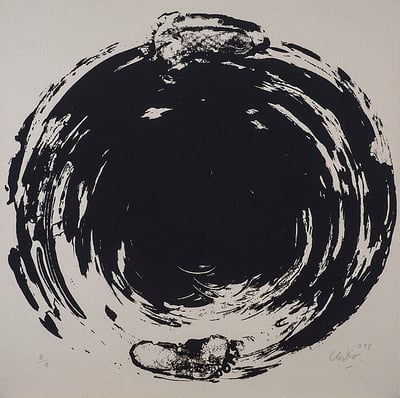
The postwar reset
Few national art scenes have had to reinvent themselves as completely as Germany's. After 1945, with the academies discredited and much of the avant-garde exiled or destroyed, artists in Düsseldorf founded the ZERO group — Heinz Mack, Otto Piene and later Günther Uecker — proposing light, movement and industrial materials as a clean slate. At the same time, Joseph Beuys was turning the Düsseldorf Academy into the most influential art school in Europe, teaching that sculpture could be social, performative and made of anything from felt to fat.
In the early 1960s two of Beuys's near-contemporaries, Gerhard Richter and Sigmar Polke — both recently arrived from the East — coined 'Capitalist Realism', a wry German answer to Pop that treated advertising imagery and blurred family snapshots with equal suspicion. Their careers, which ran in parallel for five decades, still anchor the market for German painting.
Two schools every collector should know
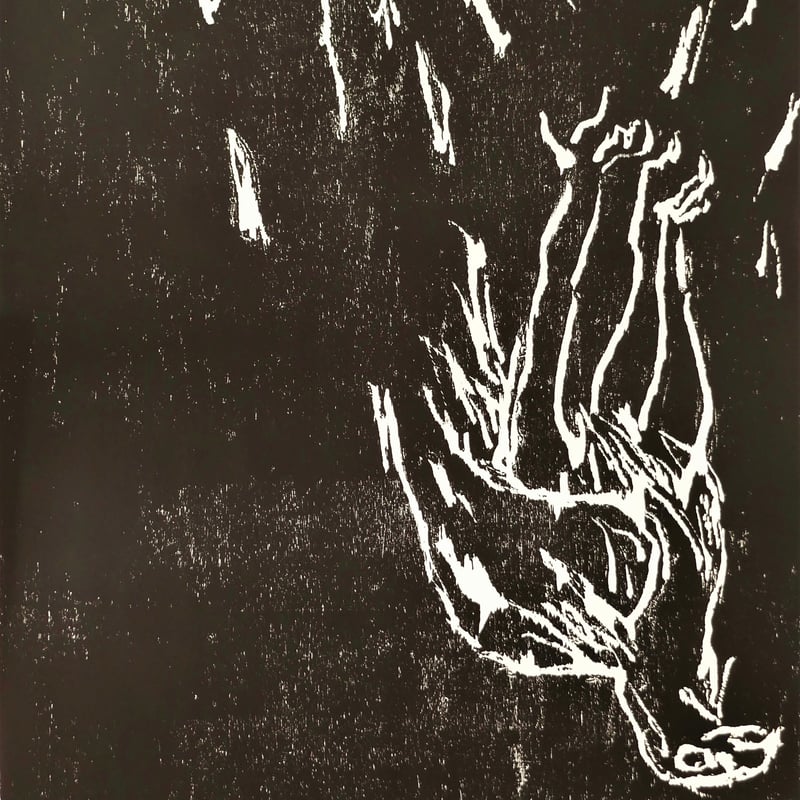
The Düsseldorf School of photography grew from Bernd and Hilla Becher's deadpan typologies of water towers and blast furnaces. Their students — Andreas Gursky, Thomas Struth, Thomas Ruff, Candida Höfer — scaled the approach up into wall-sized colour prints and made German photography a defining force in contemporary art. Meanwhile the Neo-Expressionists — Georg Baselitz, Anselm Kiefer, Markus Lüpertz, Jörg Immendorff — dragged German history, myth and guilt back onto canvas with heavy paint and heavier subject matter.
"Art is the highest form of hope."
Gerhard Richter, statement for Documenta 7, 1982
After the Wall
Reunification in 1990 redrew the map twice over. Berlin's cheap studios drew an international generation, while Leipzig — home to a rigorous East German painting academy — produced the New Leipzig School around Neo Rauch, whose figurative, dreamlike canvases found eager collectors worldwide in the early 2000s. Today artists such as Katharina Grosse, with her sprayed architectural-scale colour, and Wolfgang Tillmans, the first photographer to win the Turner Prize, show how broad the German tradition has become: rigorous, self-questioning, and unusually well supported by museums, Kunstvereine and public collections at every level.
A culture built for editions
Germany has one of the deepest print and multiple traditions in contemporary art, which makes it an accessible entry point for collectors. Beuys issued hundreds of multiples on the principle that ideas should circulate widely; Richter has produced editioned photographs, offset prints and facsimile objects throughout his career, each catalogued with its own edition number. This documentation culture matters: Richter's work is organised in a numbered catalogue raisonné, and serious German artists' estates and studios tend to keep meticulous records. Before buying, check that a print or multiple appears in the relevant catalogue raisonné or the publisher's records, and that the edition size, signature and numbering match what is documented.
Photography: sizes, mounting and care
Large-format German photography brings specific practical questions. Gursky, Ruff, Struth and Höfer typically work in small edition sizes — often six or fewer per format — and many prints are Diasec face-mounted, meaning the chromogenic print is bonded to acrylic. The finish is spectacular but unforgiving: scratches to the acrylic are difficult to polish out, delamination cannot be reversed, and colour prints are sensitive to prolonged bright light. Ask for a condition report that specifically covers the mount edges and surface, keep works out of direct sunlight, and never clean the acrylic with solvent-based products. A print in pristine condition can command a substantial premium over an otherwise identical example with surface wear.
Market notes and what to watch
The German market is unusually transparent by international standards. Sales within the EU may trigger the artist's resale right (in Germany administered through VG Bild-Kunst), a modest percentage due on secondary-market transactions above a threshold — factor this into resale calculations. Provenance deserves attention at both ends of the timeline: for prewar and immediate postwar material, restitution questions can arise, while for East German-era works, documentation is sometimes thin simply because the commercial infrastructure did not exist. Finally, be aware that the biggest names — Richter, Kiefer, Baselitz, Gursky — have attracted forgeries and unauthorised reproductions. Buying from reputable galleries, insisting on documented provenance, and cross-checking catalogue raisonné numbers remain the collector's best protections.
Artworks Related to Germany

Stephan Balkenhol
Kopfsäule Mann, 2020
Sculpture / Object
Wood
EUR 66,000 - 80,000
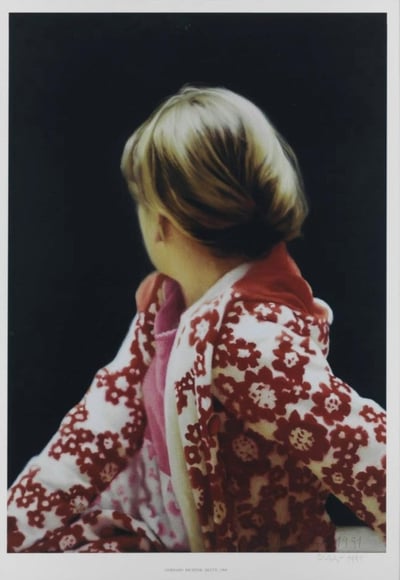
Gerhard Richter
Betty, 1991
Limited Edition Print
Offset Print
GBP 21,000 - 26,500
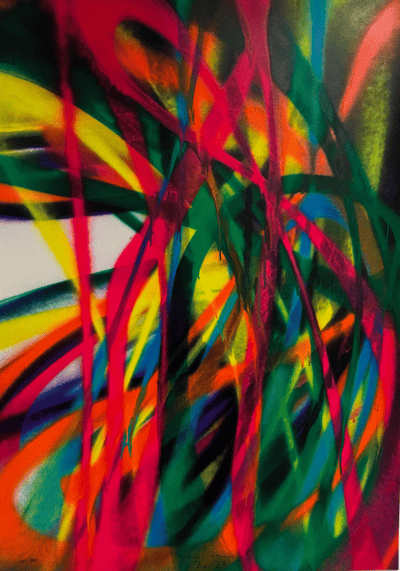
Katharina Grosse
Untitled III, 2026
Limited Edition Print
Silkscreen
EUR 3,500 - 5,000
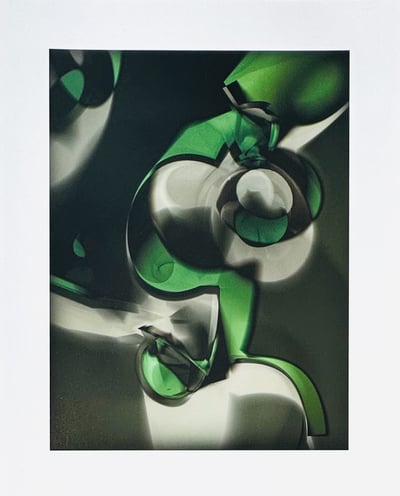
Thomas Ruff
phg.s.01, 2012-2020
Photography
C-Print
EUR 1,350
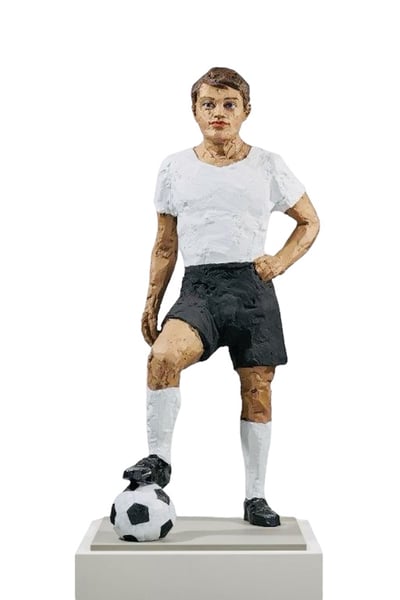
Stephan Balkenhol
Fussballliebe, 2024
Sculpture / Object
Bronze
EUR 25,800
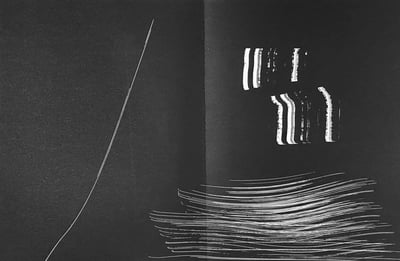
Hans Hartung
Lithograph X from Farandole, 1971
Limited Edition Print
Lithograph
USD 1,280
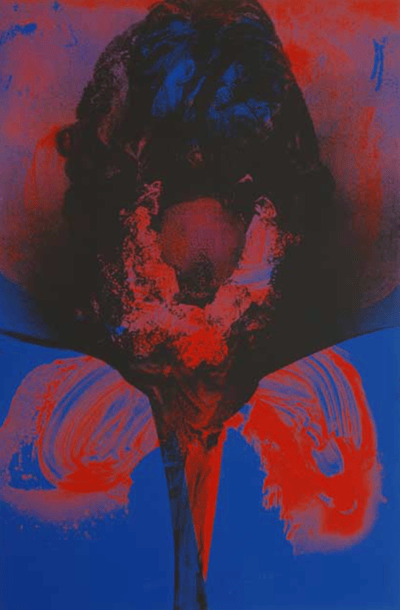
Otto Piene
Addis Abeba X, 1972
Limited Edition Print
Screen-print
EUR 3,400
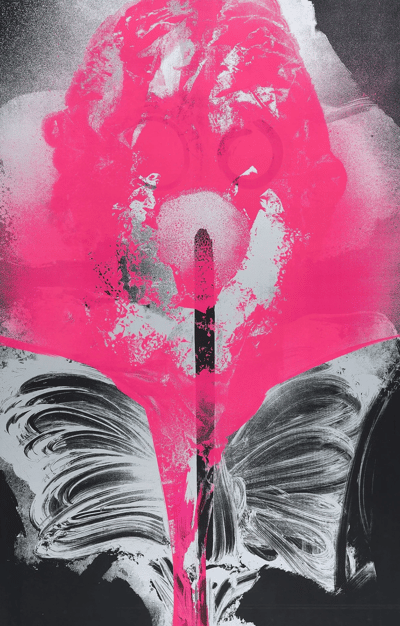
Otto Piene
Addis Abeba V, 1972
Limited Edition Print
Screen-print
EUR 3,300
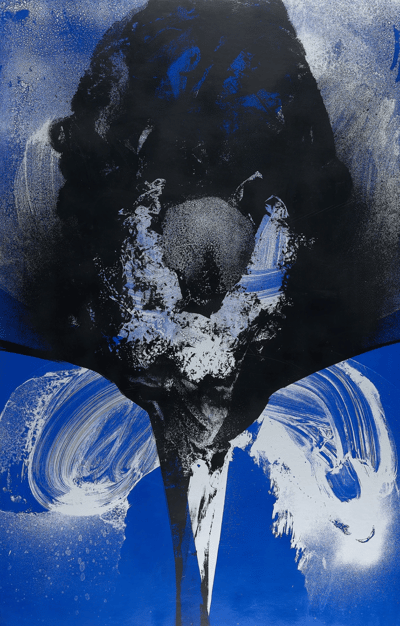
Otto Piene
Addis Abeba VI, 1972
Limited Edition Print
Screen-print
EUR 3,100
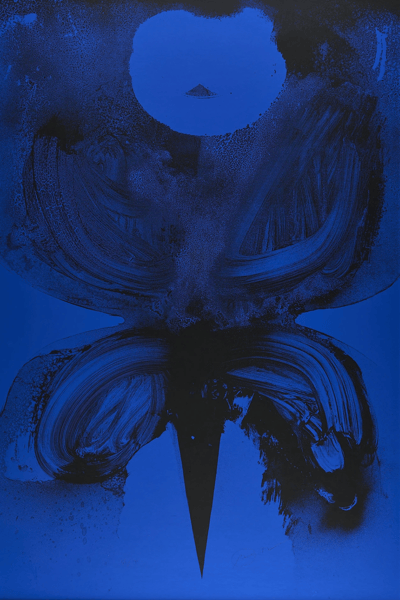
Otto Piene
Addis Abeba IX, 1972
Limited Edition Print
Screen-print
EUR 2,800
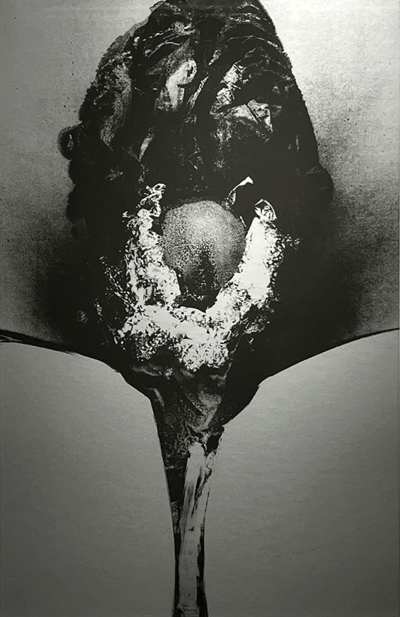
Otto Piene
Addis Abeba II, 1972
Limited Edition Print
Screen-print
EUR 2,800
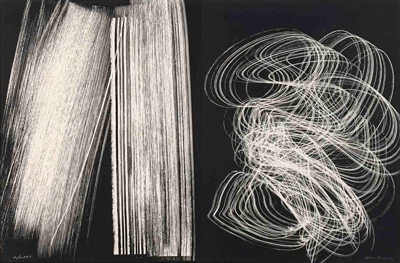
Hans Hartung
Farandole V, L-1970-5, 1970
Limited Edition Print
Lithograph
EUR 1,700
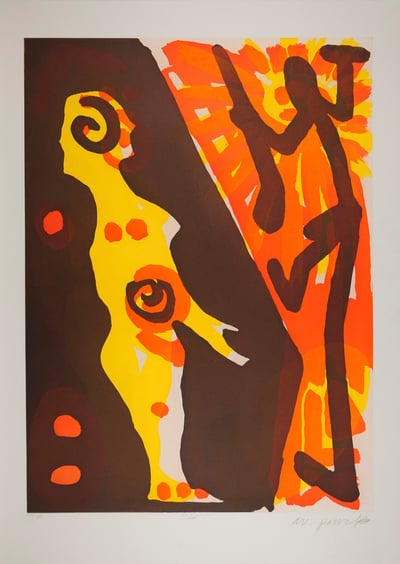
A.R. Penck
Serie I Rächer, 1991
Limited Edition Print
Etching and Aquatint
EUR 2,800

Gerhard Richter
P2 Haggadah, 2014
Limited Edition Print
Mixed Media
GBP 27,000 - 35,000
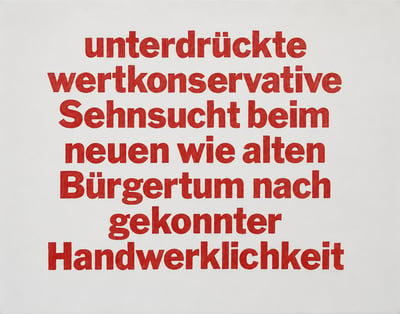
Thomas Demand
Texte zur Kunst, 2010
Limited Edition Print
Offset Print
EUR 780

Helmut Newton
Cyberwoman 3, 2000
Photography
Photograph
GBP 3,500 - 4,500
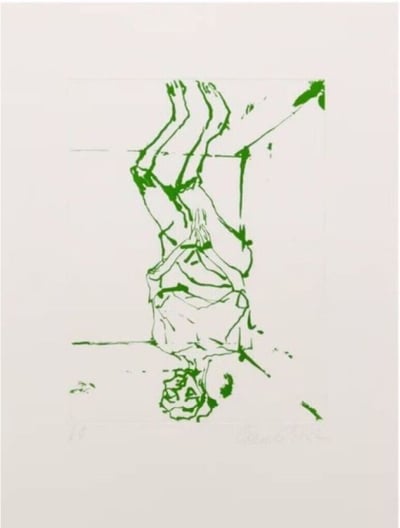
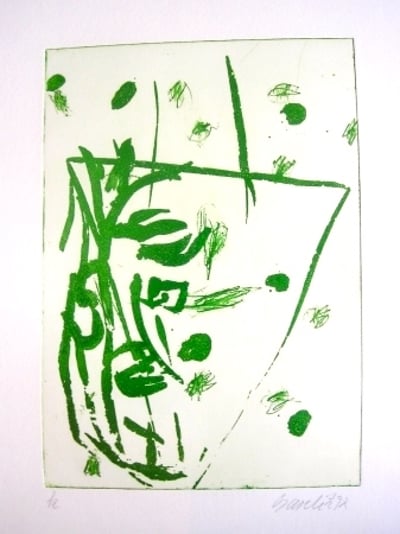
Georg Baselitz
Serpentine - green, 2022
Limited Edition Print
Etching and Aquatint
Inquire For Price

Gerhard Richter
Tulpen, 2017
Limited Edition Print
Giclée printing
GBP 17,000 - 25,500
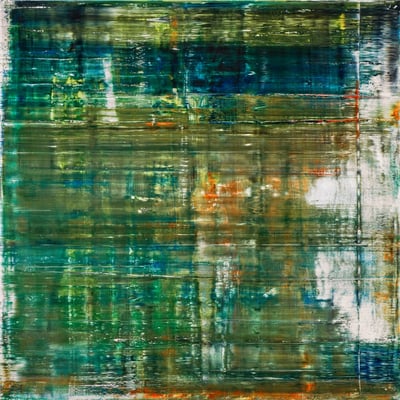
Gerhard Richter
Cage P19-1, 2020
Limited Edition Print
Giclée printing
GBP 17,000 - 22,000
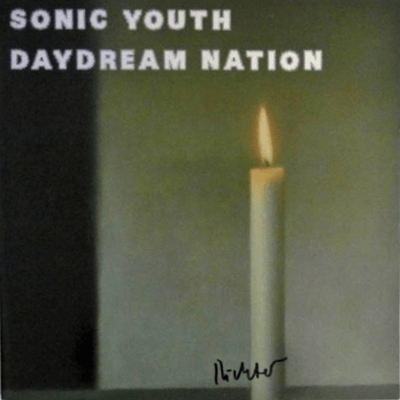
Gerhard Richter
LP Sonic Youth, 2007
Limited Edition Print
Mixed Media
Inquire For Price
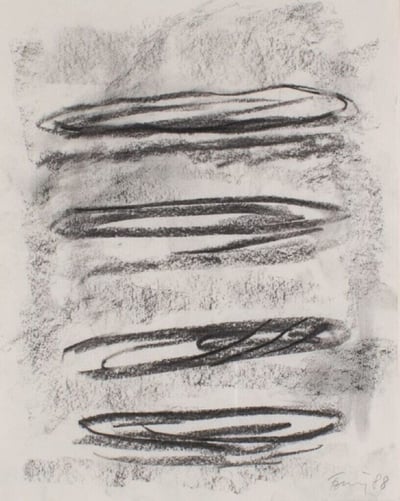
Gunther Forg
Untitled, 1988
Drawing / Watercolor
Charcoal
Inquire For Price

Gerhard Richter
Cage P19-4, 2020
Limited Edition Print
Giclée printing
Currently Not Available
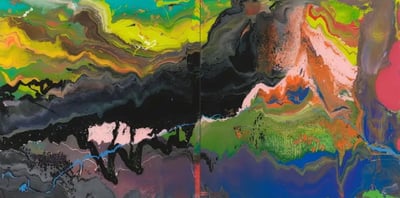
Gerhard Richter
Flow P16, 2016
Limited Edition Print
Mixed Media
Inquire For Price
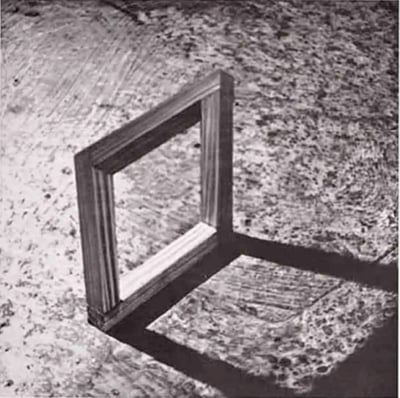
Gerhard Richter
Nine Objects, 1969
Limited Edition Print
Mixed Media
GBP 15,000 - 19,500

Gerhard Richter
Landschaft mit Wolke, 2026
Limited Edition Print
Mixed Media
GBP 900
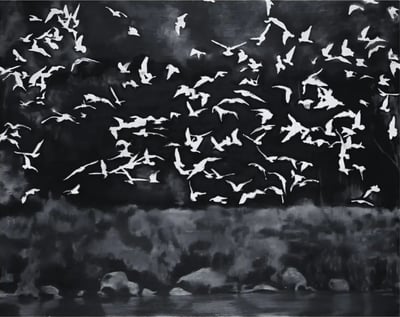
Gerhard Richter
Vögel, 2026
Limited Edition Print
Mixed Media
GBP 900
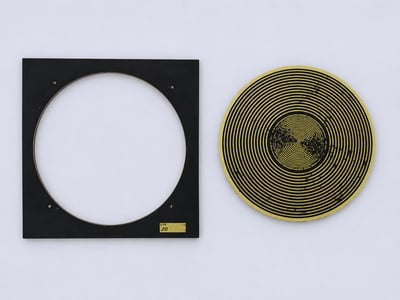
Rosemarie Trockel
Ex voto Platte, 2000
Sculpture / Object
Mixed Media
EUR 900
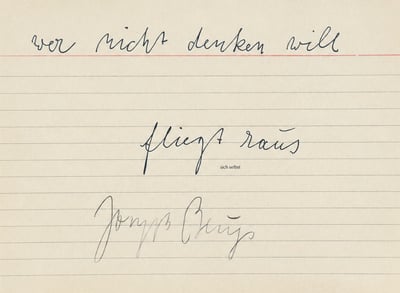
Joseph Beuys
Sich selbst (wer nicht denken will fliegt raus), 1977
Drawing / Watercolor
Mixed Media
EUR 700
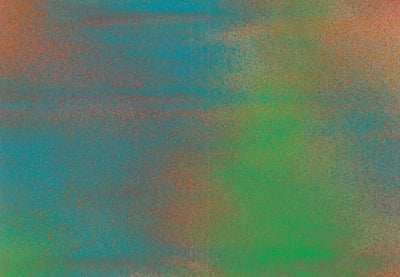
Katharina Grosse
Picture Park, 2007
Painting
Mixed Media
EUR 16,600
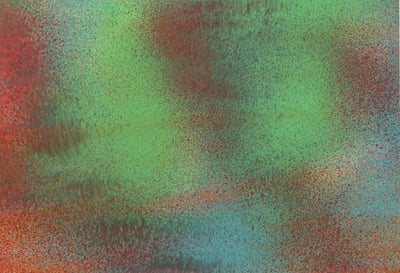
Katharina Grosse
Picture Park, 2007
Painting
Mixed Media
EUR 16,600
Related Articles
Can't find your Answer?
Thank you! Your question has been sent — we'll get back to you shortly.
