
What is Process Art?
- Show All
- Established
- Discoveries
- Show All
Artworks Related to Process Art
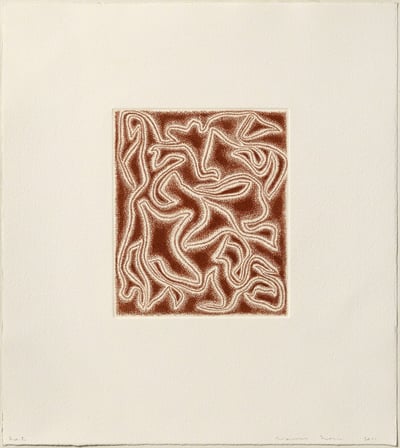
James Siena
Línies sortint de l'obscuritat, 2011
Limited Edition Print
Etching
EUR 800
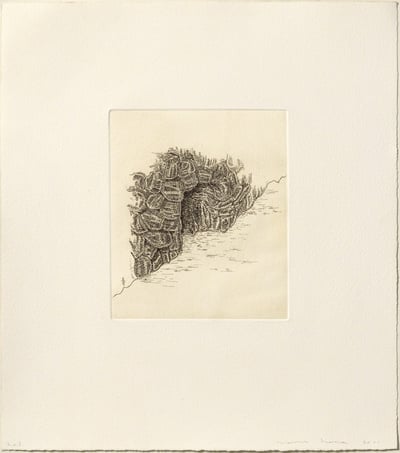
James Siena
Cova, 2011
Limited Edition Print
Etching
EUR 800
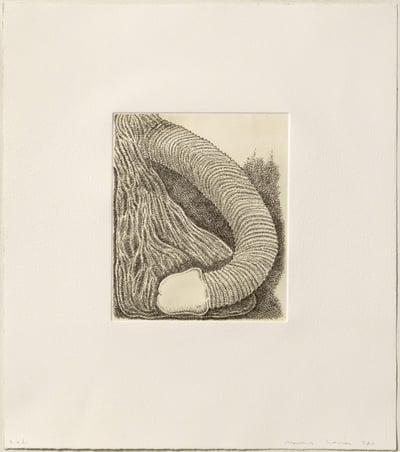
James Siena
Membre , 2011
Limited Edition Print
Etching
EUR 800
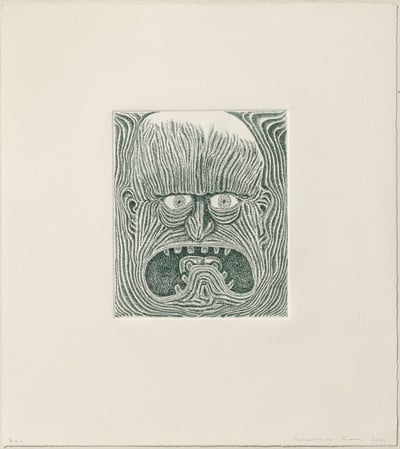
James Siena
La por, 2011
Limited Edition Print
Etching
EUR 800
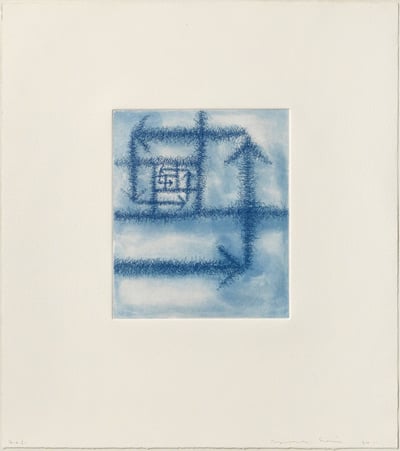
James Siena
Fletxes ortogonals decreixents, 2011
Limited Edition Print
Etching
EUR 800
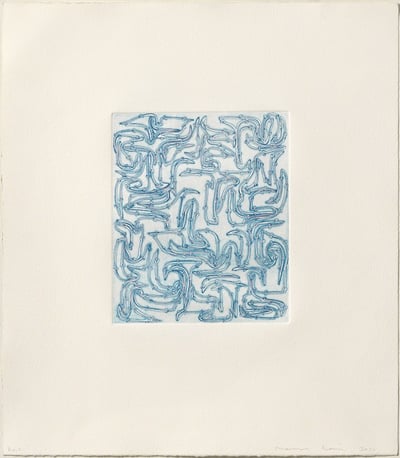
James Siena
Fletxes rodones, 2011
Limited Edition Print
Etching
EUR 800
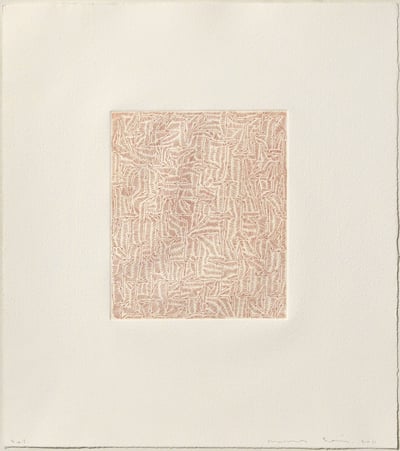
James Siena
Camí de fletxes entre línies paral.leles , 2011
Limited Edition Print
Etching
EUR 800

Jonathan Monk
The idea of an empty sliding, 2015
Limited Edition Print
Monotype
EUR 3,000
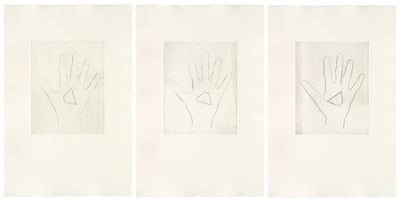
Jonathan Monk
My Left Hand Holding a Piece 3 , 2008
Limited Edition Print
Drypoint
Currently Not Available
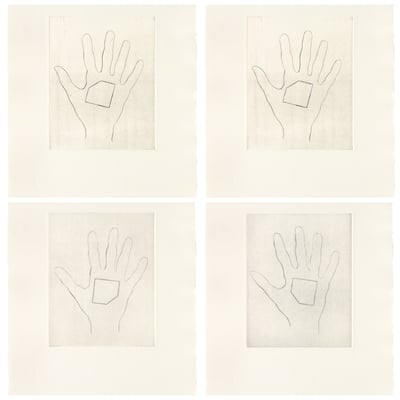
Jonathan Monk
My Left Hand Holding a Square 4, 2008
Limited Edition Print
Drypoint
EUR 3,000
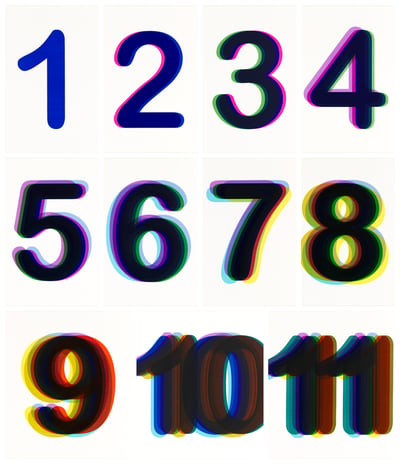
Jonathan Monk
COUNTING IN COLOUR, 2010
Limited Edition Print
Lithograph
EUR 3,200

Mateo López
Cuaderno Bolivariano, 2012
Limited Edition Print
Mixed Media
EUR 450
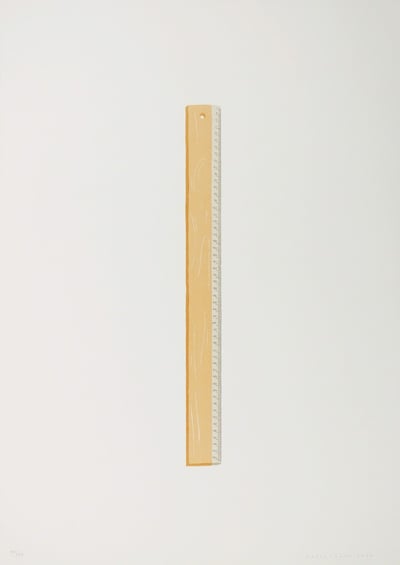
Mateo López
Regla calendario, 2012
Limited Edition Print
Lithograph
EUR 600
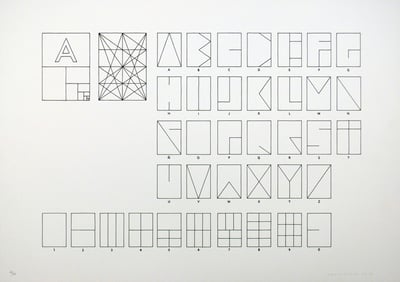
Mateo López
Tipografía de papel, 2012
Limited Edition Print
Lithograph
EUR 600
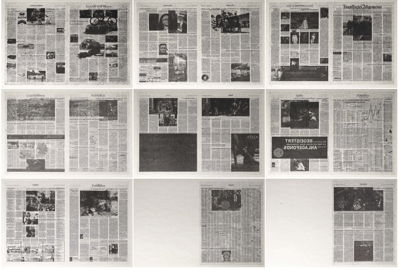
Jacob Kassay
Frankfurter Allgemeine, 2014
Limited Edition Print
Lithograph
EUR 45,000
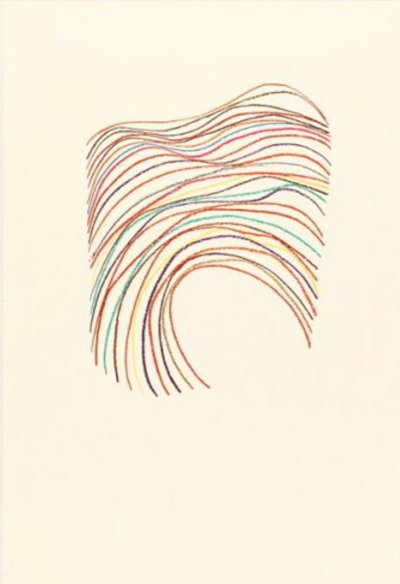
León Ferrari
Mod. 13, 2009
Limited Edition Print
Lithograph
EUR 1,000
Related Articles
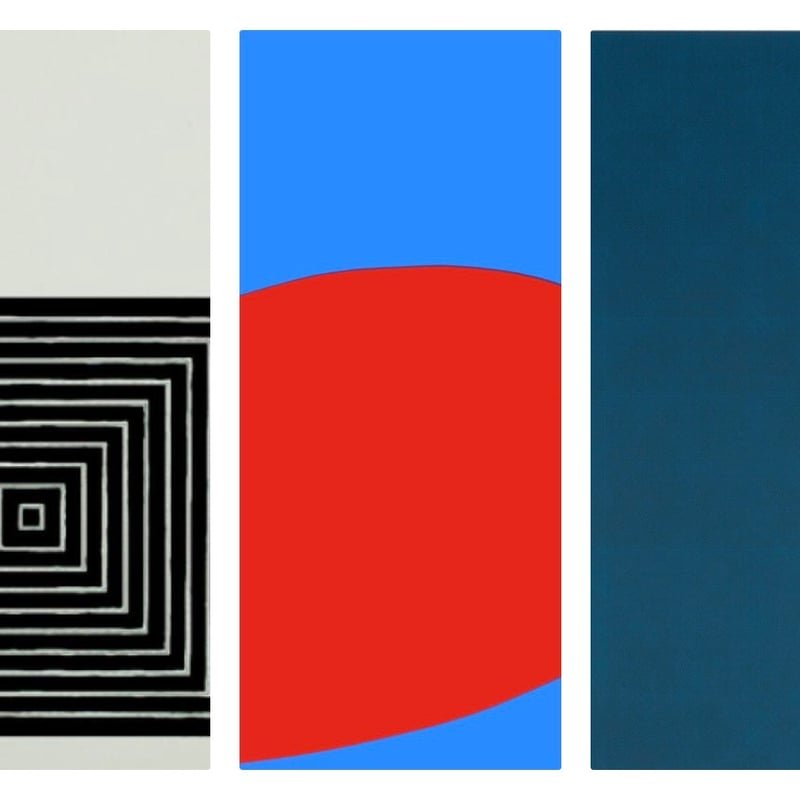

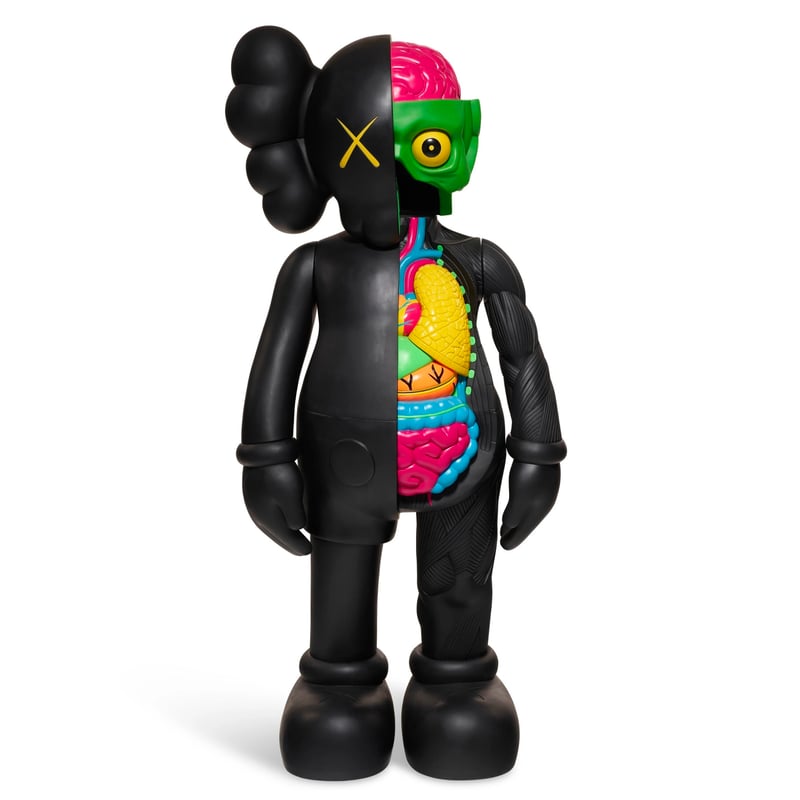
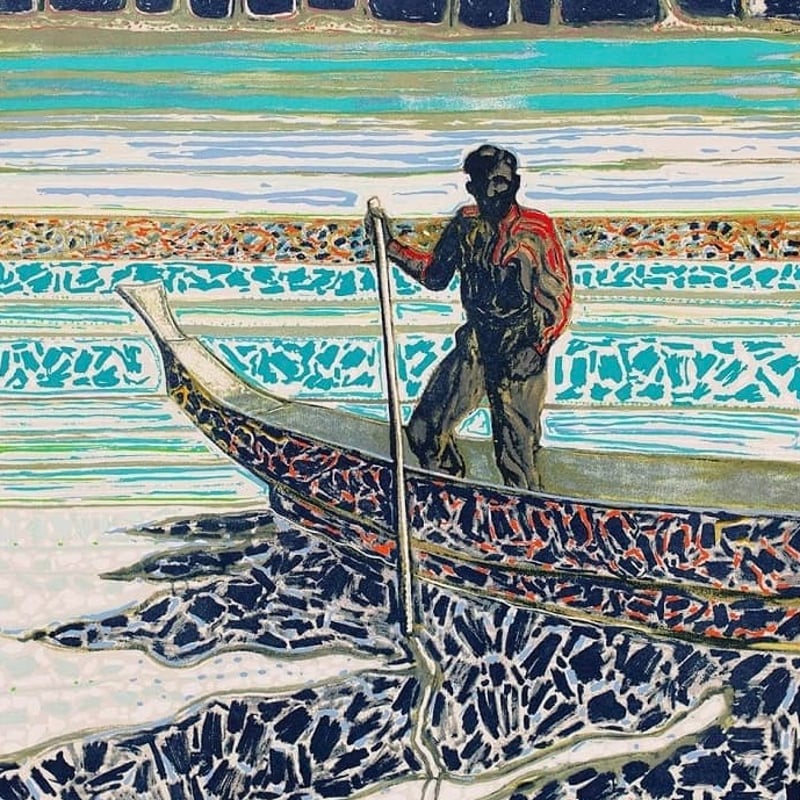
Stuckism is an art movement that promotes figurative painting over conceptual art. It was founded in 1999 by Charles Thomson and Billy Childish with an initial group of 13 artists in Britain. The movement has since expanded to 52 countries with 233 groups worldwide. Several manifestos, issued by Thomson and Childish, advocate for the spirit of modernism and the creation of spiritual art, regardless of medium, subject matter, or style. Stuckism emphasizes the importance of genuine expression and rejects the dominance of conceptual art in the contemporary art scene.

Video art is an art form that uses video and audio data, primarily featuring moving images. It emerged in the late 1960s and early 1970s with the advent of new technology and consumer video equipment that became accessible beyond corporate broadcasting. Video art can take many forms, including broadcast recordings, installations in museums or galleries, online streamed works, videotapes, and performances incorporating video monitors, television sets, or projections that display live or recorded sounds and images.
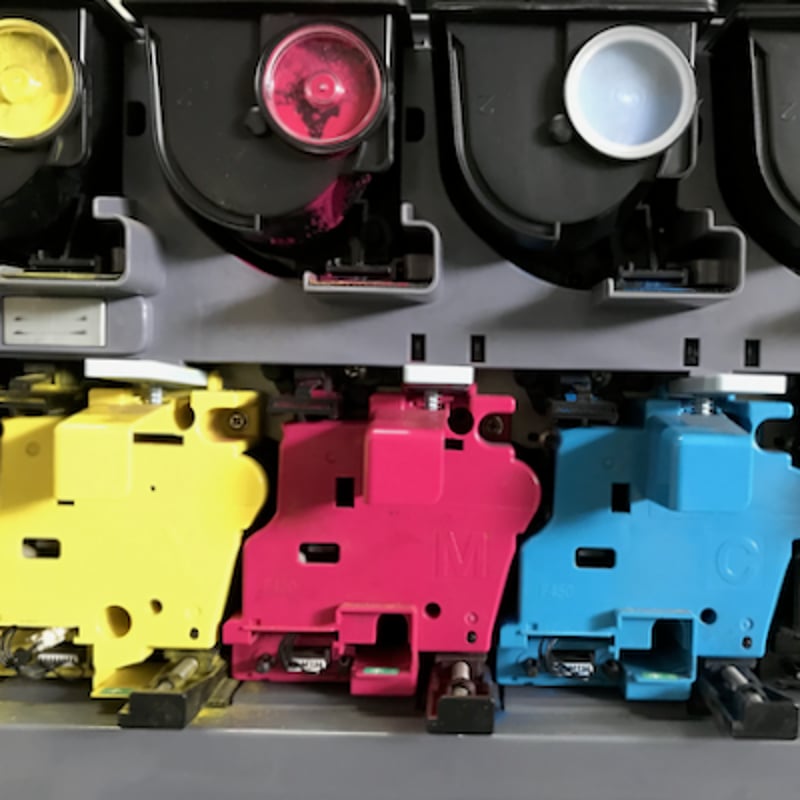
A laser print is created by using red, blue, and green lasers to expose photographic silver halide paper. After exposure, the paper is processed with photographic chemicals to produce an archival-quality print. This digital technology results in sharp images with highly uniform color and excellent detail.
Can't find your Answer?
Thank you! Your question has been sent — we'll get back to you shortly.
