
What is Process Art?
- Show All
- Established
- Discoveries
- Show All
Artworks Related to Process Art
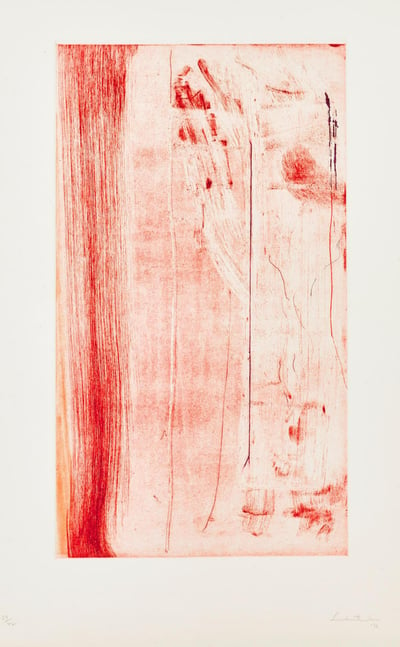
Helen Frankenthaler
Pompeii Forte, 1976-82
Limited Edition Print
Etching and Aquatint
Currently Not Available
Mel Bochner
Private Listing
Limited Edition Print
Mel Bochner
Private Listing
Limited Edition Print
Mel Bochner
Private Listing
Limited Edition Print
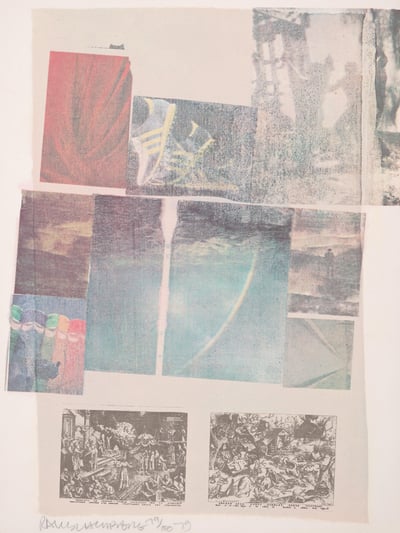
Robert Rauschenberg
People Have Enough Trouble Without Being Intimidated by an Artichoke, 1979
Limited Edition Print
Collage
Inquire For Price

Richard Serra
Abu Ghraib, 2004
Limited Edition Print
Lithograph
Inquire For Price
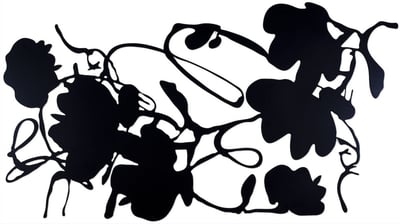
Donald Sultan
Black Lantern Flowers, 2016
Sculpture / Object
Installation
USD 24,000
Robert Rauschenberg
Private Listing
Drawing / Watercolor
Mel Bochner
Private Listing
Limited Edition Print
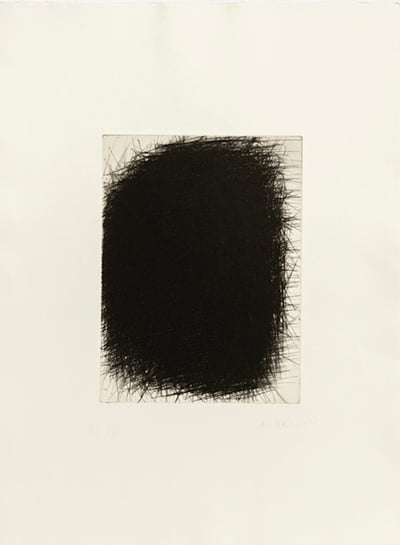
Arnulf Rainer
En Face (schwarz), 1971 - 1972
Limited Edition Print
Drypoint
Currently Not Available
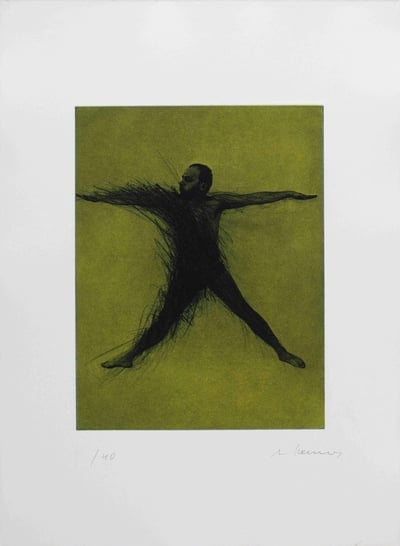
Arnulf Rainer
Body Pose III, 1971 - 1975
Limited Edition Print
Mixed Media
EUR 3,800
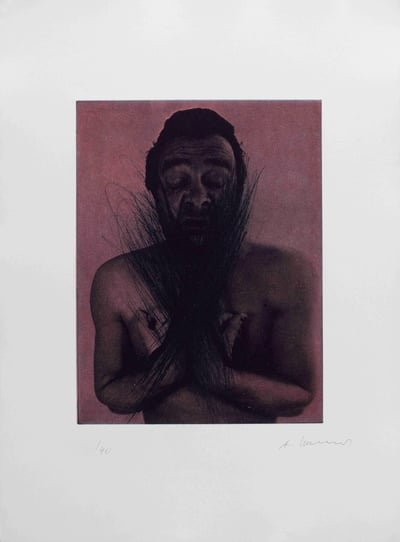
Arnulf Rainer
Body Pose II, 1971 - 1975
Limited Edition Print
Mixed Media
EUR 3,800
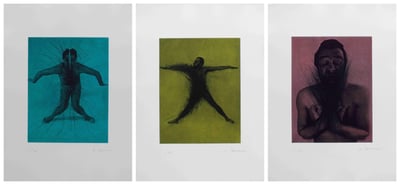
Arnulf Rainer
Body Poses, 1971/72, 1971 - 1975
Limited Edition Print
Mixed Media
EUR 12,000
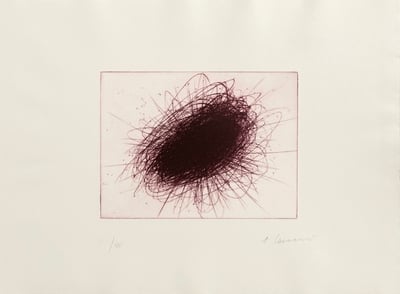
Arnulf Rainer
Kosmos II (violett), 2003
Limited Edition Print
Drypoint
Currently Not Available

Arnulf Rainer
lila Wald, 2001
Limited Edition Print
Drypoint
Currently Not Available
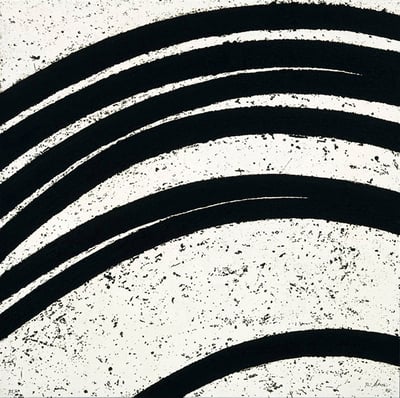
Richard Serra
Between the Torus and the Sphere III, 2006
Limited Edition Print
Etching
EUR 20,000 - 30,000
Related Articles
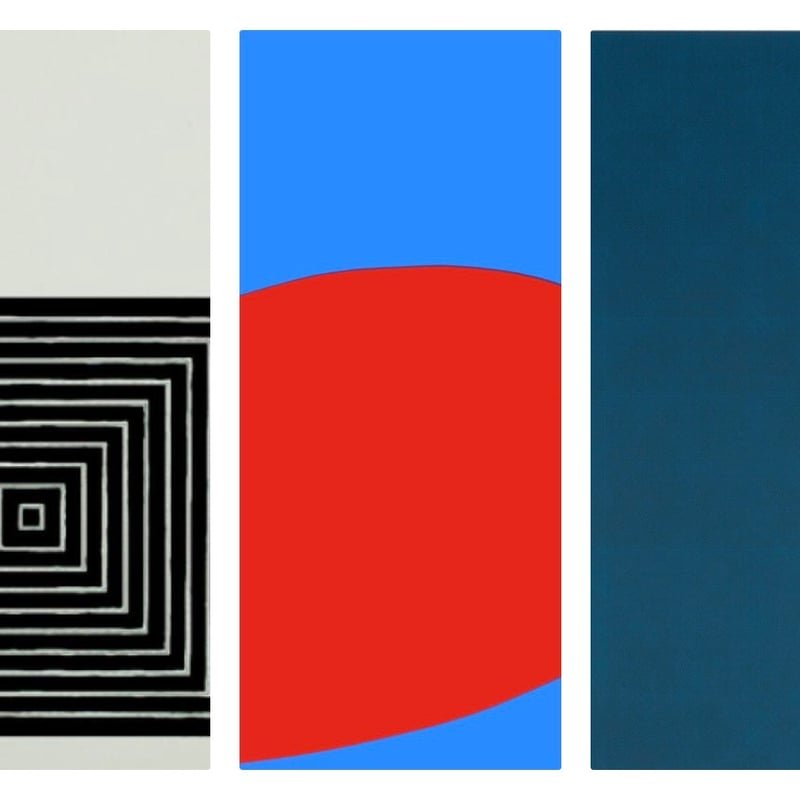
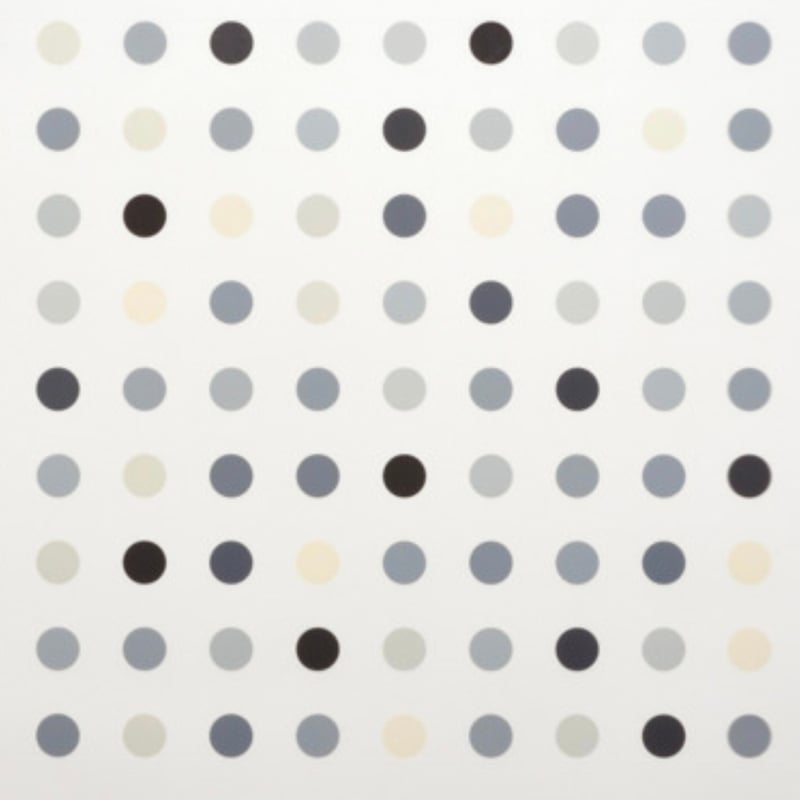
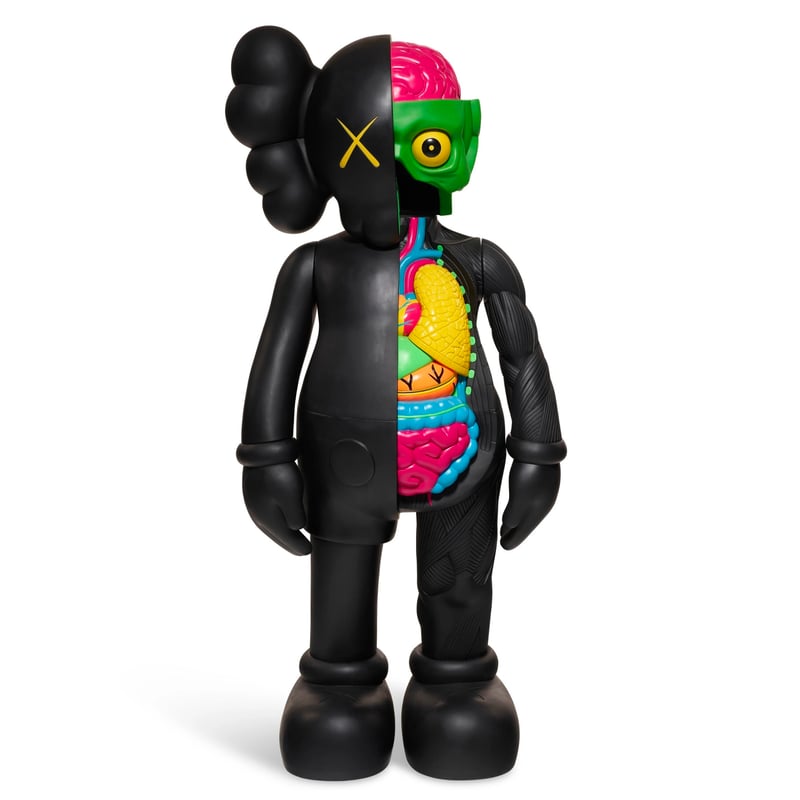

Colour Field Painting is an abstract style characterized by large areas of a single color or simple, solid colors. The term was first used in the 1950s to describe the work of three American Abstract Expressionist painters—Barnett Newman, Mark Rothko, and Clyfford Still. Their work emphasized the emotional power of color and the creation of vast, meditative spaces through expansive color fields.
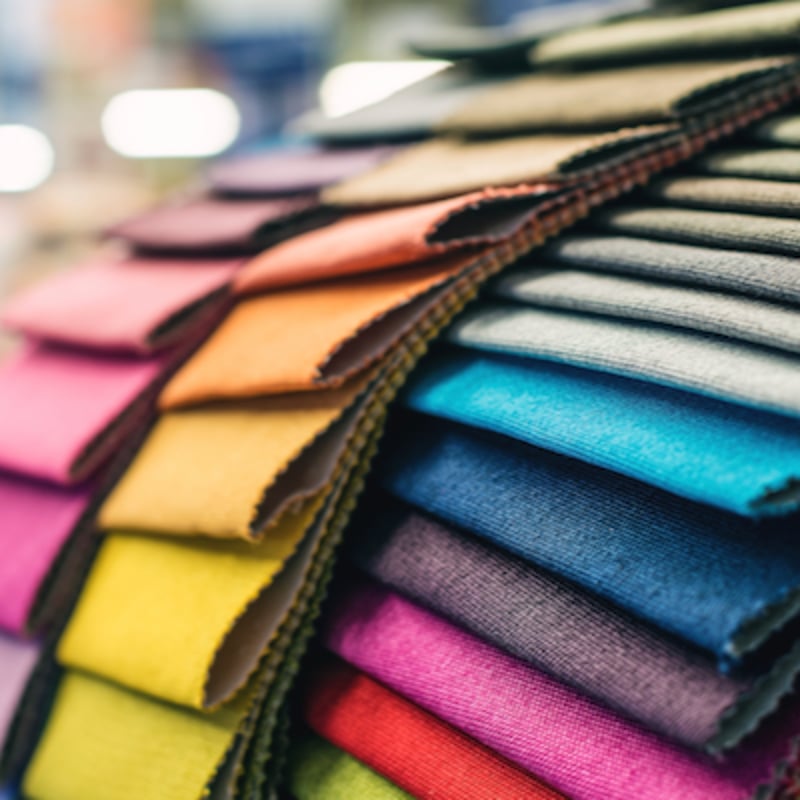
Textile refers to a flexible material made by weaving, felting, crocheting, knitting, or knotting long strands of natural or synthetic yarn or thread. Textile artists often create their own materials or use selected textiles in fabric art compositions, incorporating a wide range of textures and patterns.
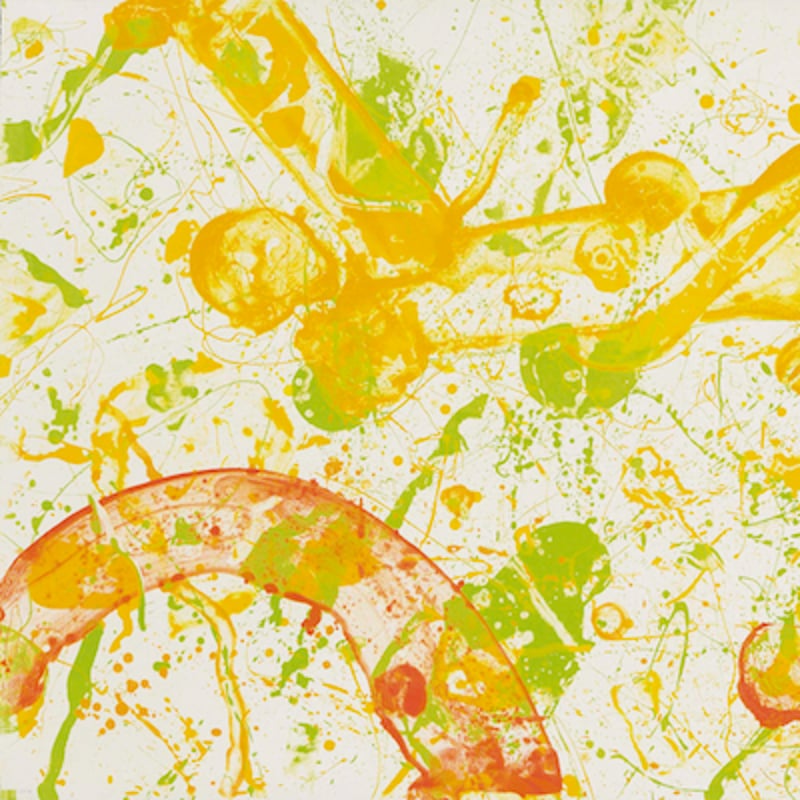
Tachisme is a French abstract painting style that gained popularity between 1940 and 1950, often seen as the European counterpart to Abstract Expressionism. However, there are stylistic differences between the two. Tachisme, which emerged from Art Informel, rejected geometric abstraction in favor of more intuitive and spontaneous expression. It was a reaction against the structured forms of Cubism and is closely related to Informalism. Tachisme emphasizes gestural brushwork, irregular forms, and a focus on the process of painting itself.
Can't find your Answer?
Thank you! Your question has been sent — we'll get back to you shortly.
