
What is Lettrism?
- Show All
- Established
- Discoveries
- Show All
Artworks Related to Lettrism
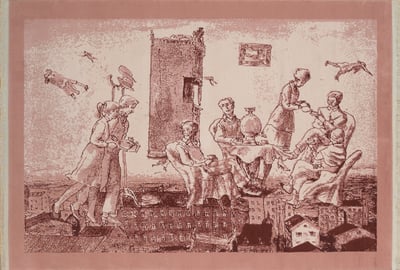
Ilja Kabakov
The Flying #3, 2006
Tapestry
Tapestry
EUR 13,500
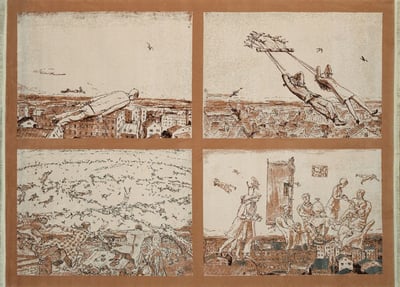
Ilja Kabakov
The Flying #2, 2006
Tapestry
Tapestry
EUR 24,000
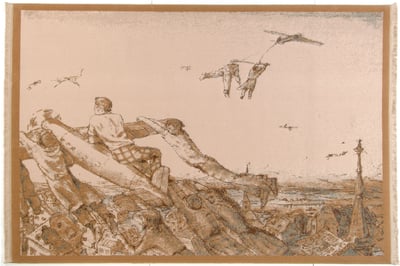
Ilja Kabakov
The Flying, 2006
Tapestry
Tapestry
EUR 13,500
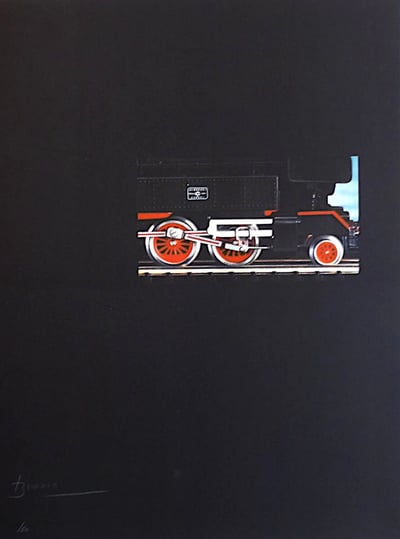
Joan Brossa
Túnel, 1989
Limited Edition Print
Lithograph
EUR 1,000
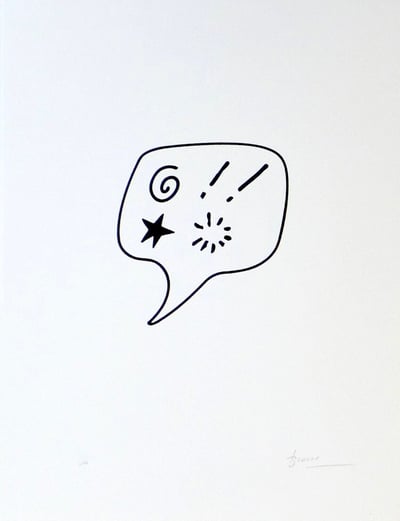
Joan Brossa
Blasfèmia, 1989
Limited Edition Print
Lithograph
EUR 1,000
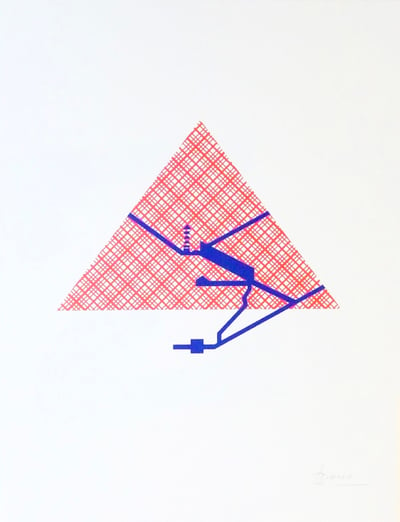
Joan Brossa
Poema visual 25, 1989
Limited Edition Print
Lithograph
EUR 1,000
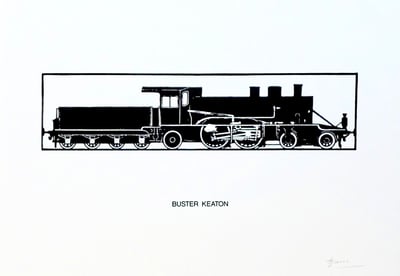
Joan Brossa
Buster Keaton , 1989
Limited Edition Print
Lithograph
EUR 1,000
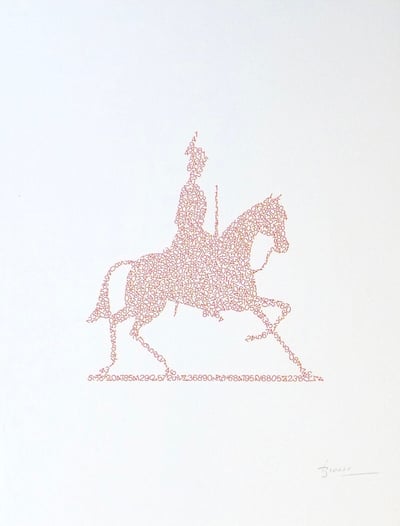
Joan Brossa
Poema visual 4, 1989
Limited Edition Print
Lithograph
EUR 1,000

Joan Brossa
Sherlock Holmes, 1989
Limited Edition Print
Lithograph
Currently Not Available
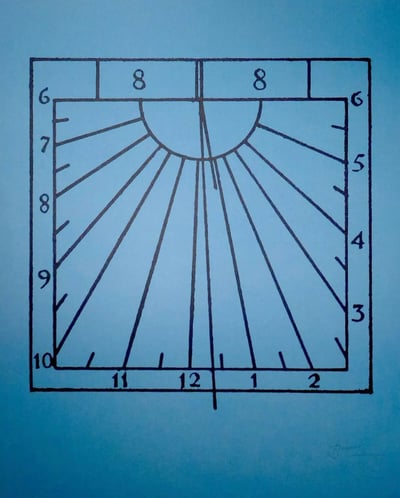
Joan Brossa
Rellotge de sol, 1989
Limited Edition Print
Lithograph
EUR 1,000
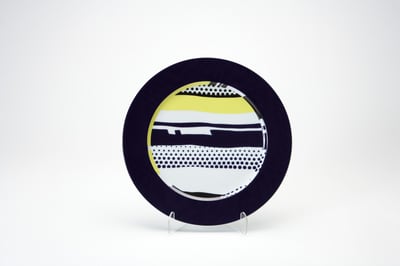
Roy Lichtenstein
Rosenthal plate 1, 2000
Sculpture / Object
Plate
EUR 700
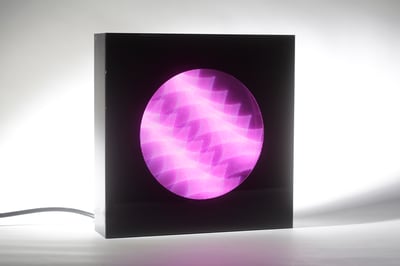
Horacio García Rossi
Boite à lumières, 2012
Sculpture / Object
Mixed Media
EUR 3,000

Mr. Brainwash
Lichtenline, 2009
Limited Edition Print
Screen-print
USD 7,800
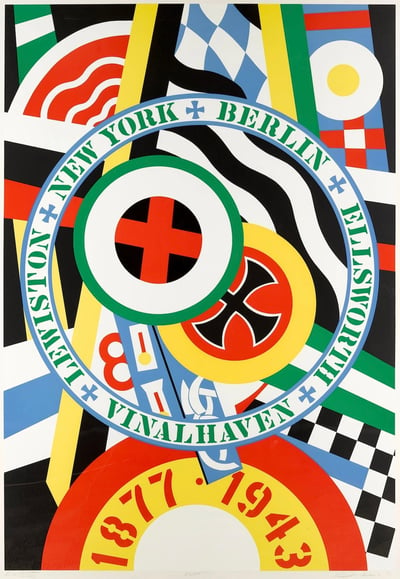
Robert Indiana
The Hartley Elegies: The Berlin Series- KvF IV, 1990
Limited Edition Print
Serigraph
USD 7,900
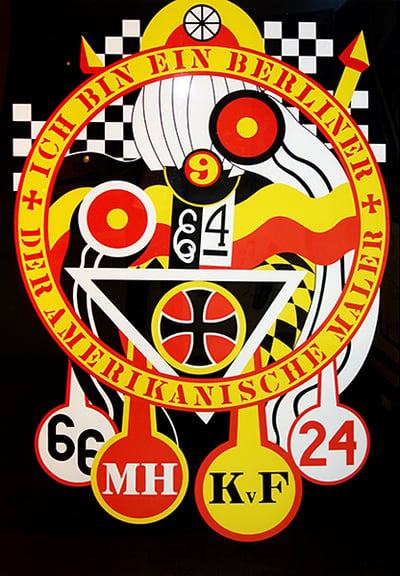
Robert Indiana
The Hartley Elegies: The Berlin Series - KvF III, 1990
Limited Edition Print
Serigraph
USD 7,900
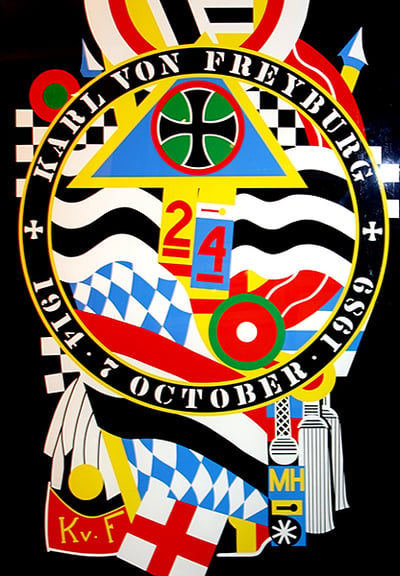
Robert Indiana
The Hartley Elegies: The Berlin Series - KvF I, 1990
Limited Edition Print
Serigraph
USD 7,900
Related Articles

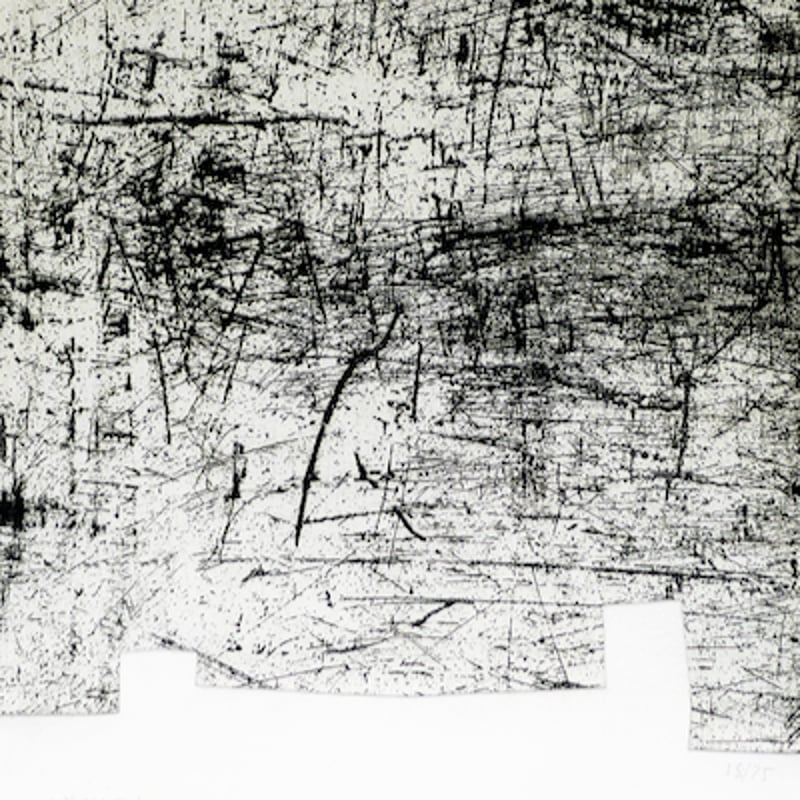
Abstract art uses form, shape, line, and color to create a visual experience without attempting to represent external reality. The composition exists independently of the world's visual references, focusing on expressing ideas and emotions through non-representational means.
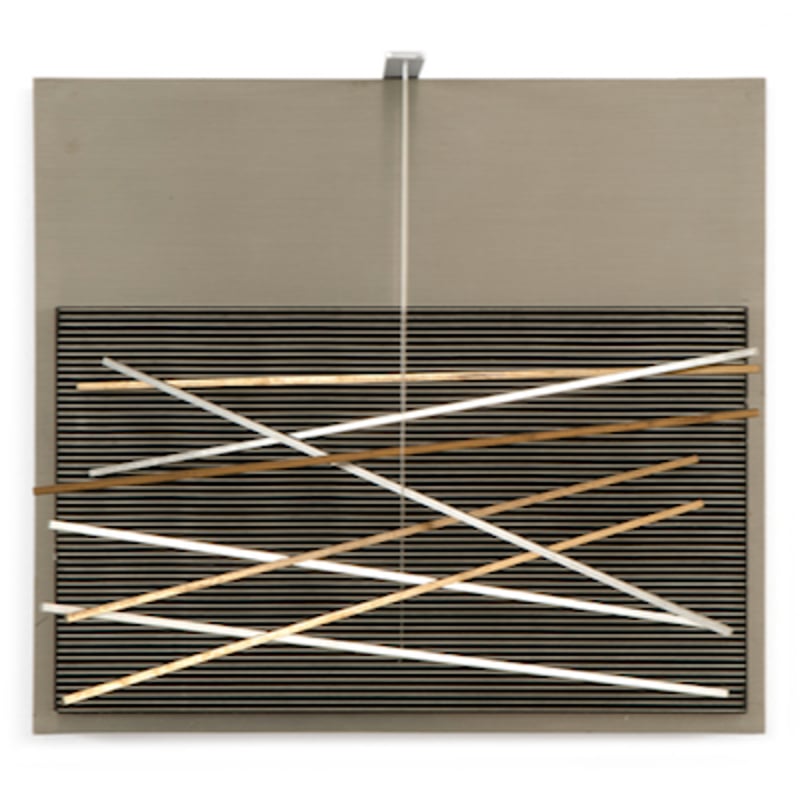
Kinetic art is an international movement that emerged in the 1920s and gained prominence in the 1960s, referring to art that involves both apparent and real motion. It encompasses any medium that includes movement, either relying on actual motion for its effect or being perceived as moving by the viewer. Early examples include canvas paintings designed to create optical illusions of movement. Today, kinetic art often refers to three-dimensional figures and sculptures, such as those operated by machines or those that move naturally. The movement covers a variety of styles and techniques that frequently overlap.
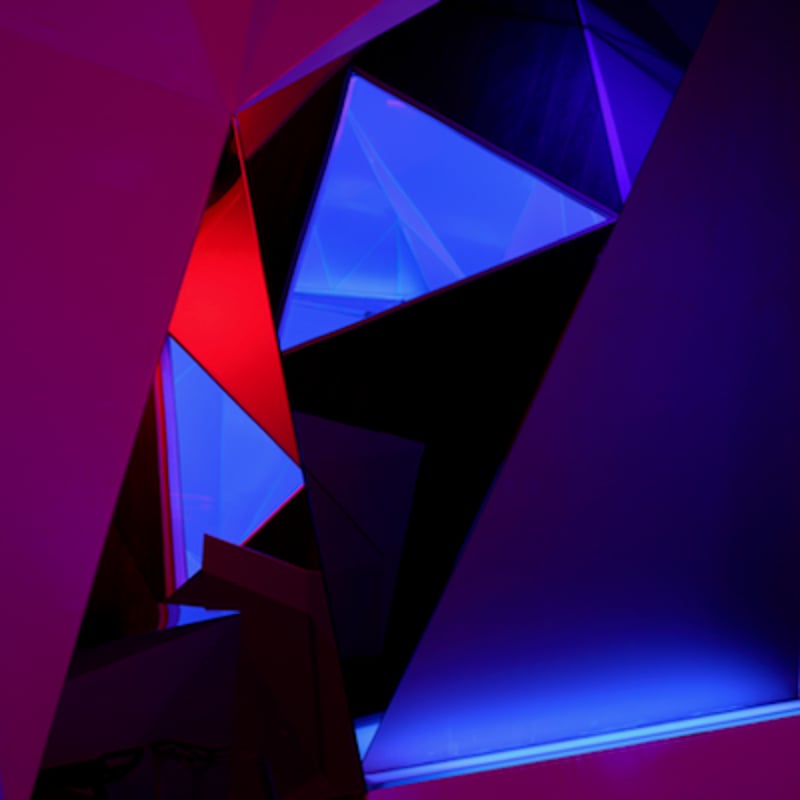
Light art refers to artworks that use light as the primary medium. These can include sculptures or installations that interact with the natural or urban environment. Light art can be suspended, in relief, ground-based, permanent, or temporary. There are two main types of light art: one displayed indoors in galleries and another exhibited outdoors. Light art has been used throughout human history, from ancient times to contemporary public installations.
Can't find your Answer?
Thank you! Your question has been sent — we'll get back to you shortly.
