
What is Hard Edge Art?
- Show All
- Established
- Discoveries
- Show All
Artworks Related to Hard Edge art

Victor Vasarely
Dirac from the album Diam, 1988
Limited Edition Print
Serigraph
Inquire For Price

Victor Vasarely
Photon from the album Diam, 1988
Limited Edition Print
Serigraph
USD 2,100

Victor Vasarely
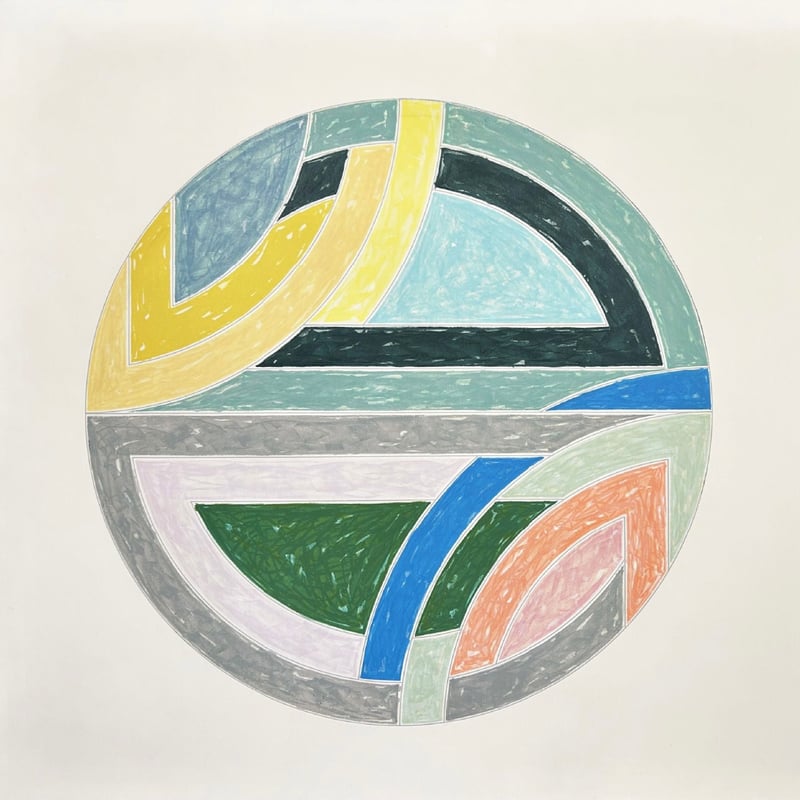
Sinvilag from the album Diam, 1988
Limited Edition Print
Serigraph
Inquire For Price

Victor Vasarely
Folkokta from the album Diam, 1988
Limited Edition Print
Serigraph
Inquire For Price

Victor Vasarely
RIKKA from the album Diam, 1988
Limited Edition Print
Serigraph
Inquire For Price

Victor Vasarely
Diam from the album Diam, 1988
Limited Edition Print
Serigraph
Inquire For Price

Donald Judd
Untitled (Schellmann 265/266), 1992-1993
Limited Edition Print
Woodcut
Inquire For Price

Joan Miró
L'Astre Bleu, 1972
Limited Edition Print
Lithograph
USD 8,100

Joan Miró
Plate 10 from Le Lezard aux Plumes d'or, 1967
Limited Edition Print
Lithograph
Inquire For Price

Joan Miró
Lithographs IV: one plate, 1981
Limited Edition Print
Lithograph
Inquire For Price

Joan Miró
Astre et Fumée (Star and Smoke), 1967
Limited Edition Print
Etching and Aquatint
Inquire For Price

Joan Miró
Archipel Sauvage III, 1970
Limited Edition Print
Aquatint
EUR 13,200

Joan Miró
Lithographie pour l'Exposition Miró au Casino de Knokke-le-Zoute, 1971
Limited Edition Print
Lithograph
EUR 8,600

Joan Miró
Un poème dans chaque livre, 1956
Limited Edition Print
Etching and Aquatint
EUR 6,800

Joan Miró
Montroig 3, 1974
Limited Edition Print
Lithograph
EUR 8,600

Bridget Riley
Magenta and Green, 2002
Limited Edition Print
Screen-print
GBP 18,500 - 23,000
Related Articles
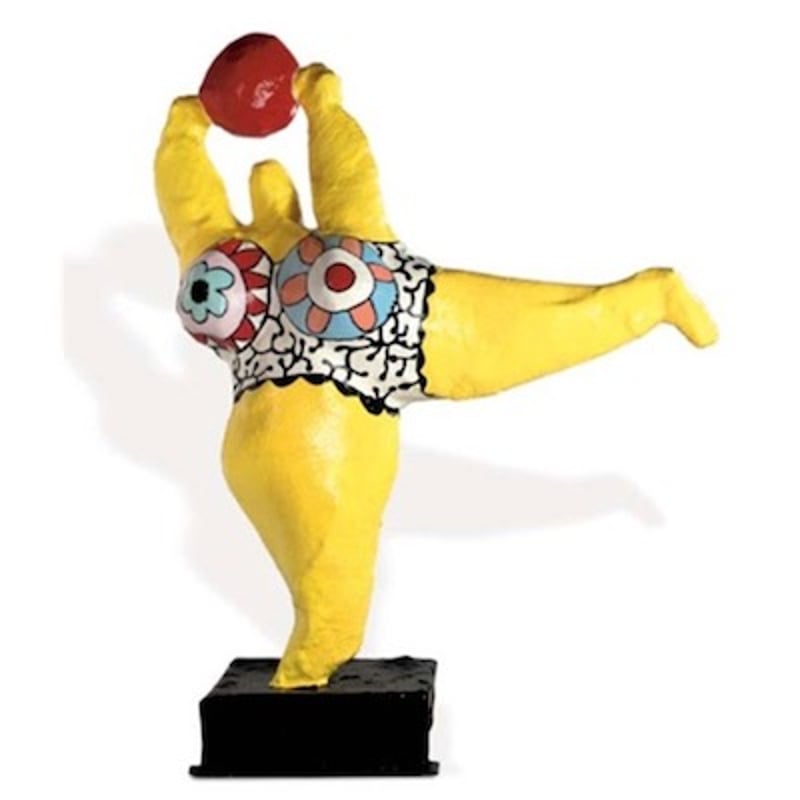
Papier-mâché is a composite material made from pieces of paper or pulp, reinforced with textiles and bound with adhesives like starch, wallpaper paste, or glue. There are two main methods to create papier-mâché: one involves layering strips of paper soaked in adhesive, while the other uses a pulp made by boiling or soaking paper and then adding glue. Though each method has a different process, both yield similar results.

Photography is the process of creating an image on light sensitive materials. The image is produced by using a camera, which has a lens that focuses on light either reflected or emitted from an object. These visible wavelengths are used to reproduce the image seen.
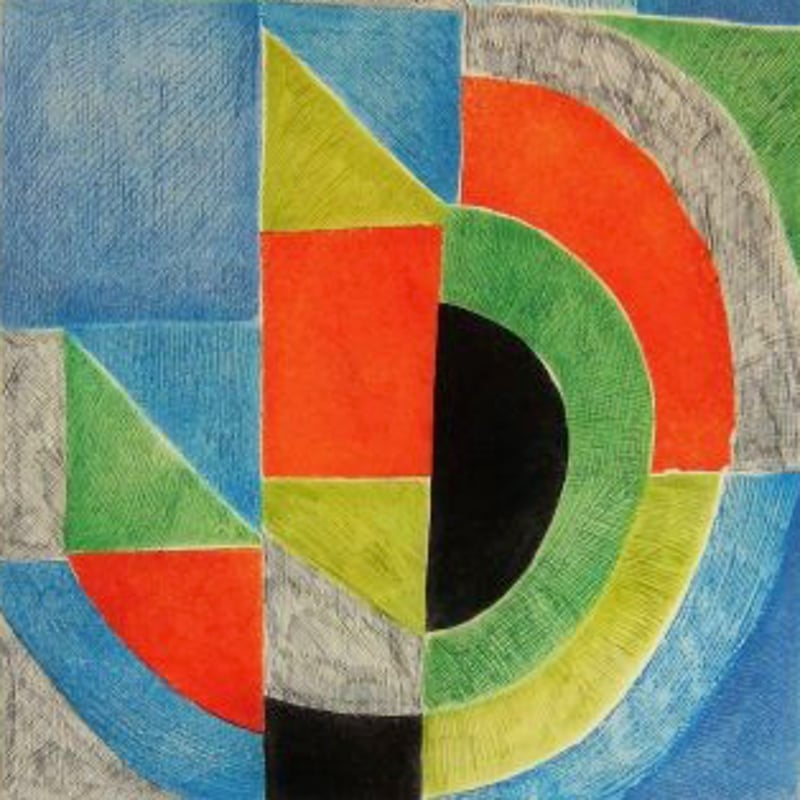
Réalités Nouvelles means new realities and refers to an exhibiting society founded in 1939 in Paris by Sonia Delaunay. The Salon des Réalités Nouvelles was dedicated to promoting abstract art, which it considered to be a new reality because it does not imitate the existing physical world. The movement emphasized that abstract art creates its own reality, independent of the external world, and played a significant role in the development and recognition of abstract art in the mid-20th century.
Can't find your Answer?
Thank you! Your question has been sent — we'll get back to you shortly.
