What is etching?
- Show All
- Established
- Discoveries
- Show All
Artworks Related to Etching
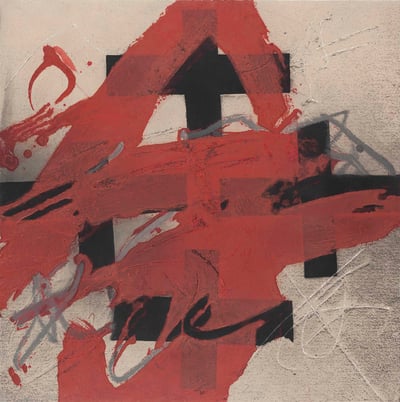
Antoni Tapies
Cobert de Roig, 1984
Limited Edition Print
Etching
EUR 7,450

Rashid Johnson
Untitled (Small Anxious Man), 2021
Limited Edition Print
Etching
USD 13,500
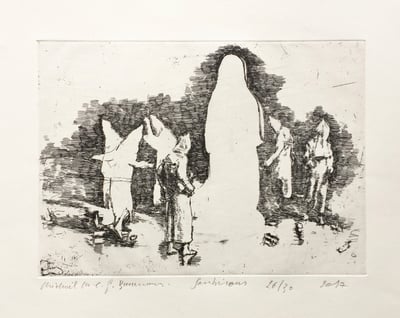
Michael Borremans
Soubirous, 2017
Limited Edition Print
Etching
Currently Not Available
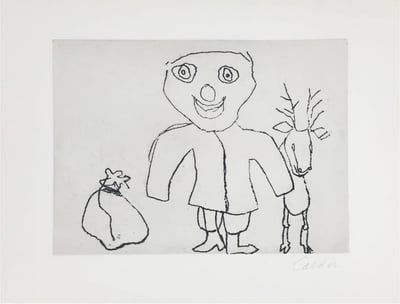
Alexander Calder
Santa Claus X, 1974
Limited Edition Print
Etching
USD 1,700
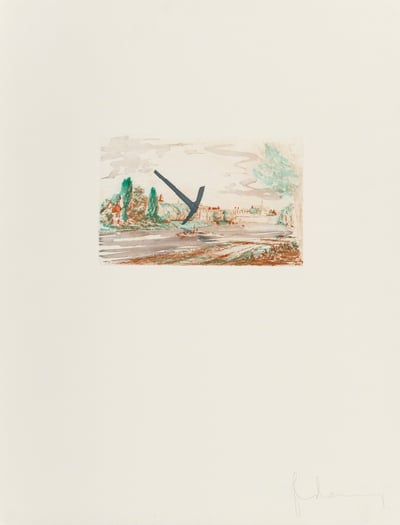
Claes Oldenburg
Pick-Axe Superimposed on a Drawing of Site by EL Grimm, 1982
Limited Edition Print
Etching
Currently Not Available
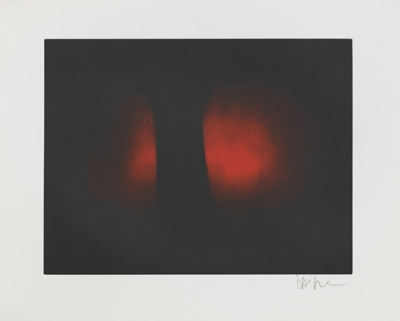
Anish Kapoor
Untitled (red on dark background), 2015
Limited Edition Print
Etching
GBP 5,300

David Hockney
Two Peppers, 1973
Limited Edition Print
Etching
GBP 11,000 - 13,500
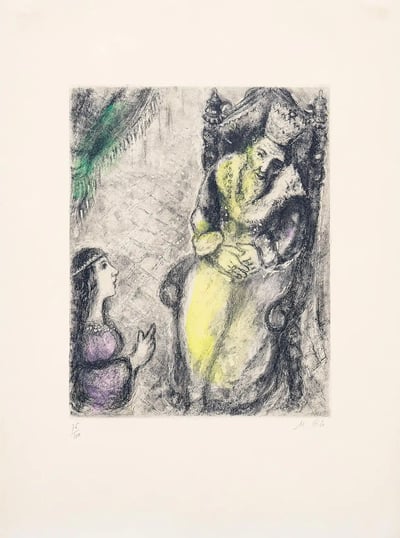
Marc Chagall
Bath-Sheba at the Feet of David, 1958
Limited Edition Print
Etching
EUR 10,000 - 15,000

Joan Miró
Plate IV from Espriu, 1975
Limited Edition Print
Etching
EUR 19,500
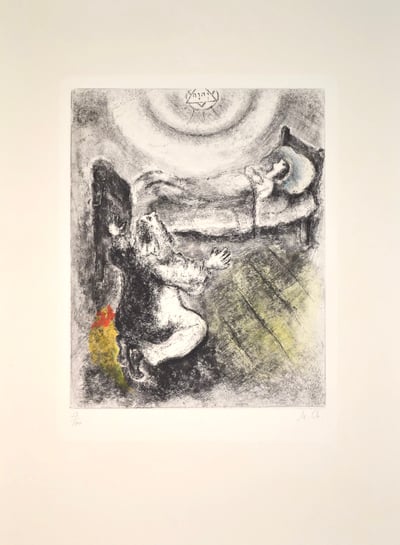
Marc Chagall
The infant being revived by Elijah - MCH84, 1958
Limited Edition Print
Etching
USD 8,600
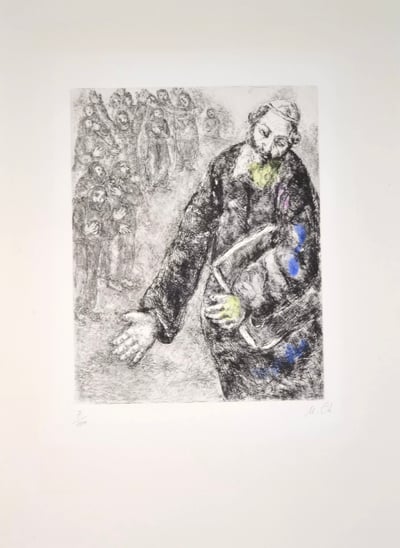
Marc Chagall
Joshua reading The Word Of The Law - MCH47, 1958
Limited Edition Print
Etching
USD 8,600
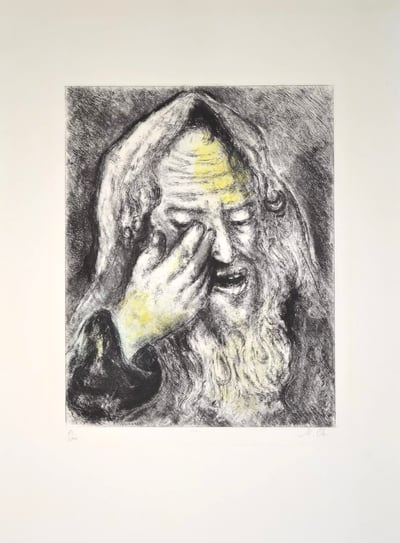
Marc Chagall
The suffering of Jeremiah - MCH103, 1958
Limited Edition Print
Etching
USD 8,600
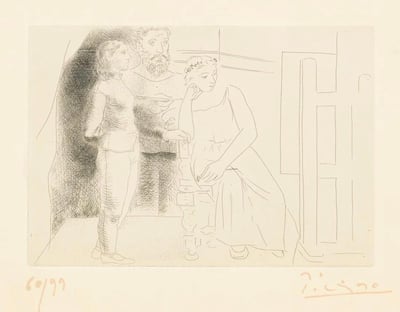
Pablo Picasso
Peintre Avec Deux Modeles Regardant une Toile, 1927
Limited Edition Print
Etching
USD 7,950
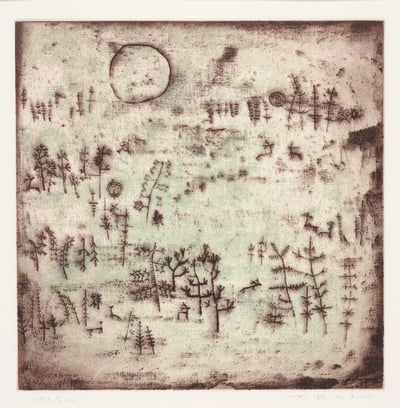
Zao Wou-Ki
Paysage au Soleil, 1950
Limited Edition Print
Etching
Currently Not Available
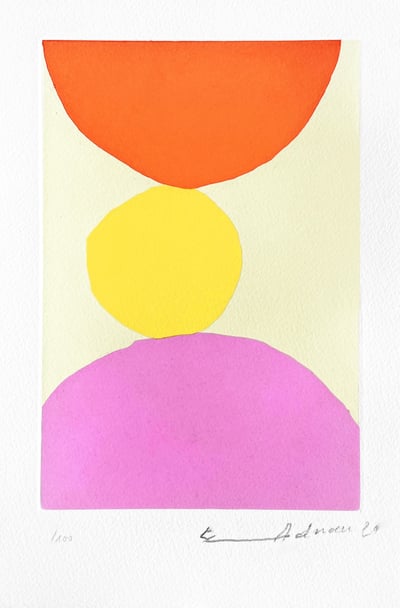
Etel Adnan
L'Express Beyrouth-Enfer, 2021
Limited Edition Print
Etching
Currently Not Available
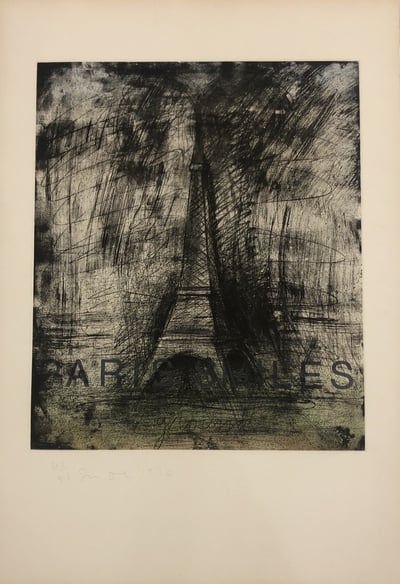
Jim Dine
Paris Smiles in Darkness, 1976
Limited Edition Print
Etching
EUR 4,500
Related Articles
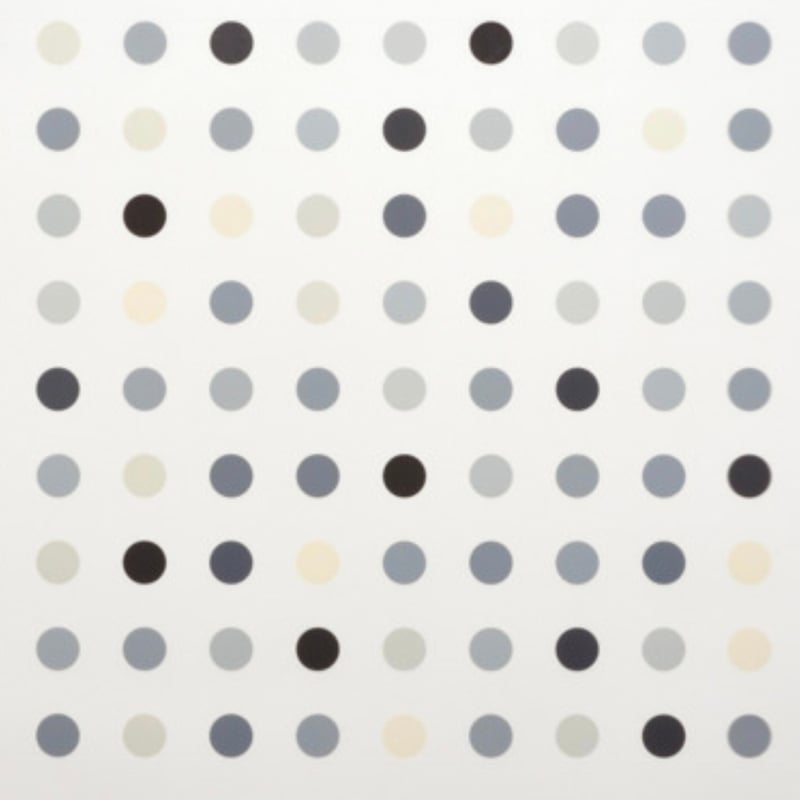
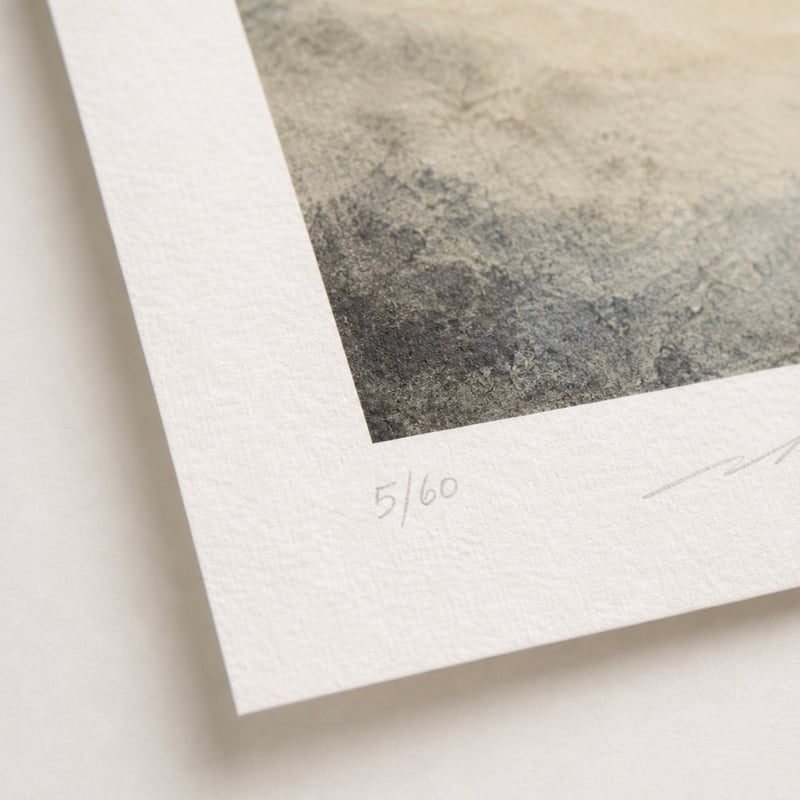

Derived from the Latin word meaning flow, Fluxus is an international movement of designers, composers, and artists known for blending various artistic disciplines and media during the 1960s. The movement remains active in visual art, performance, design, architecture, urban planning, and other creative fields. Fluxus is sometimes referred to as nter-media and continues to play a pivotal role in expanding the definitions of what art can be.
Relief printing is a printmaking process where the design to be printed is etched or cut into a surface, leaving only the raised areas to transfer ink. The non-printing areas are removed, so only the design is inked and printed. Common relief printing techniques include woodcut, linocut, and wood engraving.
Lithography is a printing method based on the principle that water and oil do not mix. It can be used to print artwork or text onto paper or other suitable materials. Traditionally, an image was drawn with wax, fat, or oil onto a lithographic limestone surface or plate. Today, metal plates and other surfaces are also used in lithographic printing.
Can't find your Answer?
Thank you! Your question has been sent — we'll get back to you shortly.
