
What is Surrealism?
- Show All
- Established
- Discoveries
- Show All
Artworks Related to Surrealism
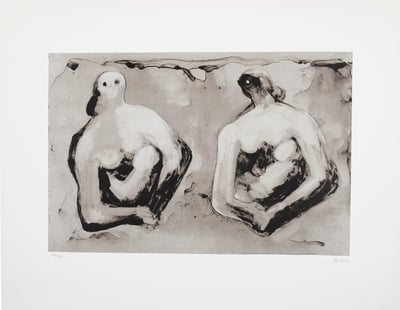
Henry Moore
Sisters with Children (C. 544), 1979
Limited Edition Print
Lithograph
USD 2,500
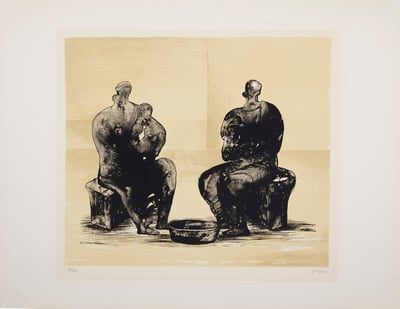
Henry Moore
Two Women Bathing Child II (C. 310), 1973
Limited Edition Print
Lithograph
USD 2,500

Henry Moore
Collection of 10 Prints, 1973–1981
Limited Edition Print
Mixed Media
USD 21,500
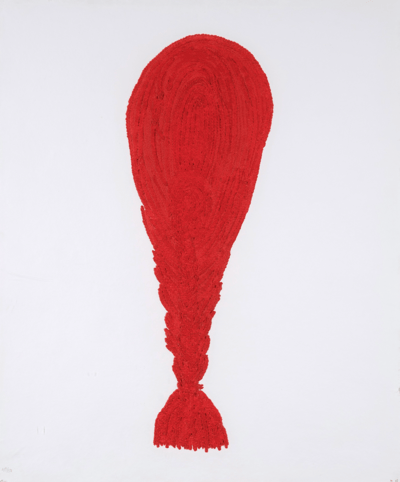
Louise Bourgeois
Crochet V, 1998
Limited Edition Print
Mixed Media
USD 34,750
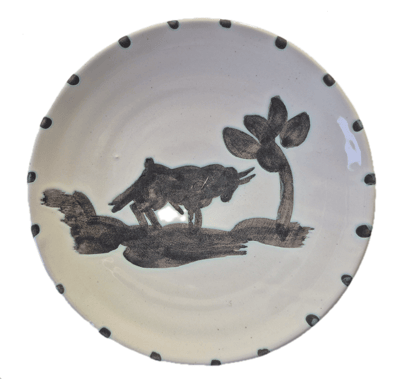
Pablo Picasso
Taureau sous l'arbre (Bull under the Tree), 1952
Ceramics
Ceramic
EUR 4,800
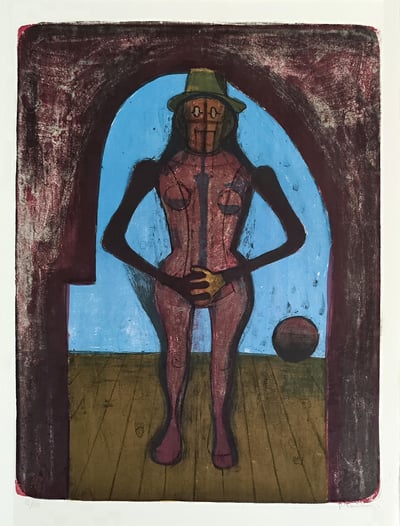
Rufino Tamayo
Femme au Collant Rose, 1969
Limited Edition Print
Lithograph
EUR 2,600
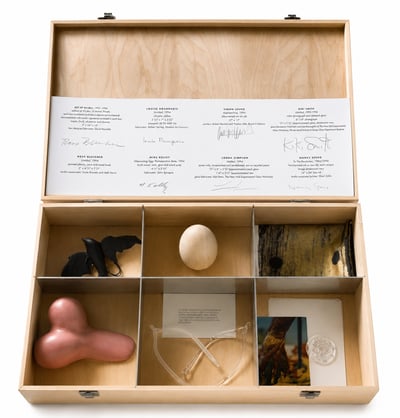
Louise Bourgeois
ACT UP Art Box, 1994
Sculpture / Object
Mixed Media
EUR 11,500
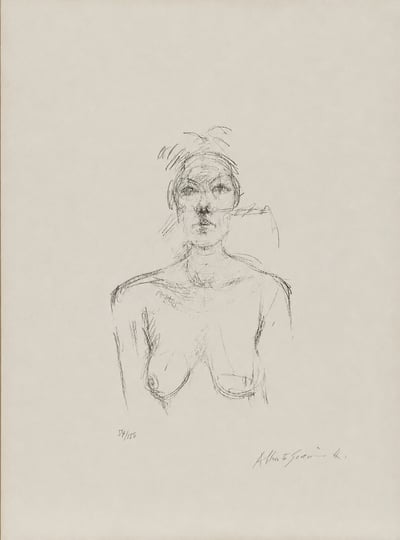
Alberto Giacometti
Buste II, 1960
Limited Edition Print
Lithograph
EUR 4,800
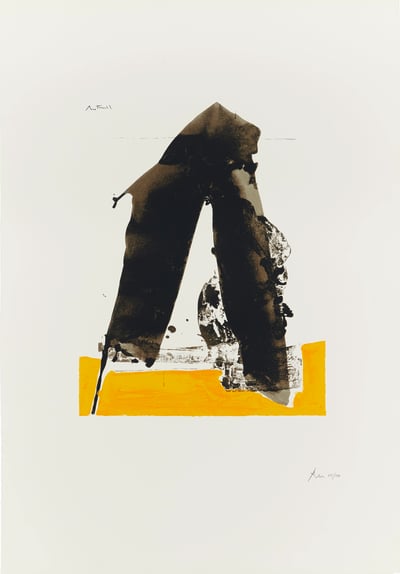
Robert Motherwell
Untitled 10 from The Basque Suite, 1970-71
Limited Edition Print
Screen-print
USD 2,650
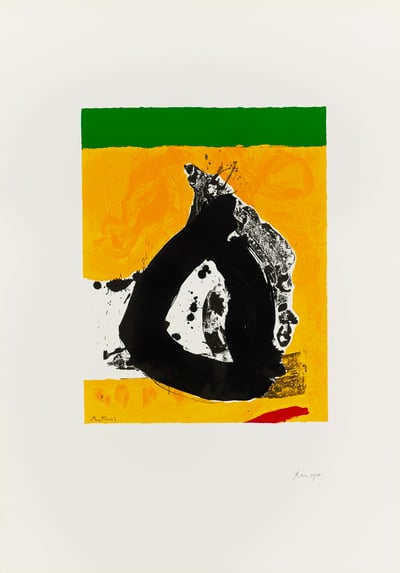
Robert Motherwell
Untitled 9 from The Basque Suite, 1970-71
Limited Edition Print
Screen-print
USD 2,650
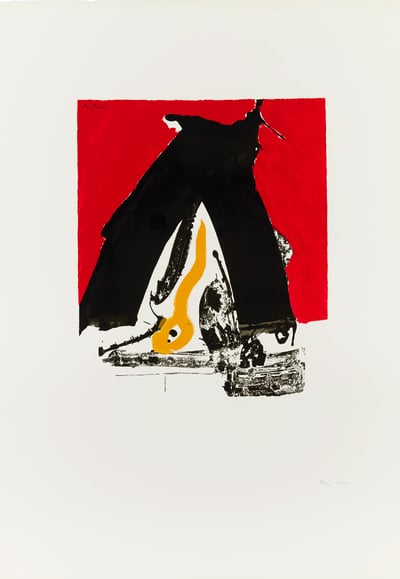
Robert Motherwell
Untitled 8 from The Basque Suite, 1970-71
Limited Edition Print
Screen-print
USD 2,650
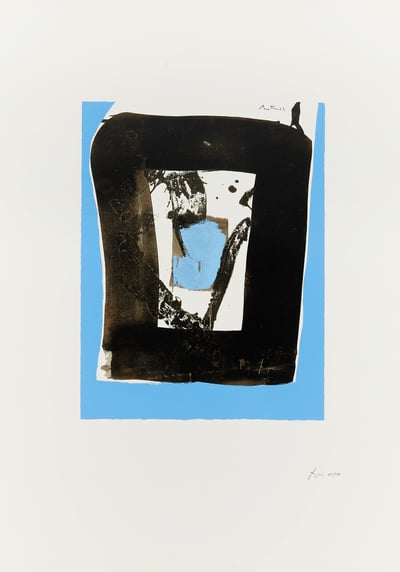
Robert Motherwell
Untitled 7 from The Basque Suite, 1970-71
Limited Edition Print
Screen-print
USD 2,650
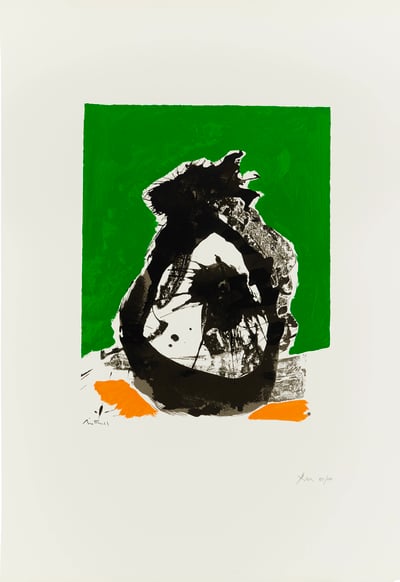
Robert Motherwell
Untitled 6 from The Basque Suite, 1970-71
Limited Edition Print
Screen-print
USD 2,650
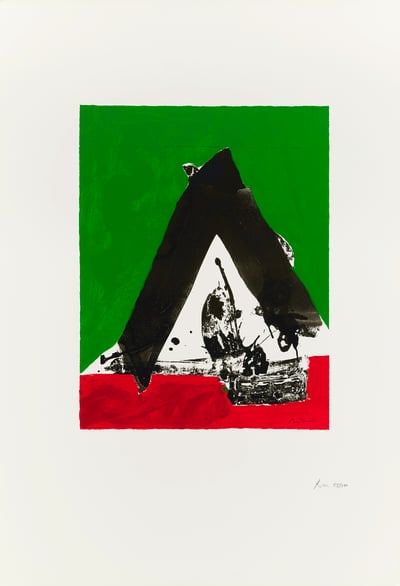
Robert Motherwell
Untitled 5 from The Basque Suite, 1970-71
Limited Edition Print
Screen-print
USD 2,650
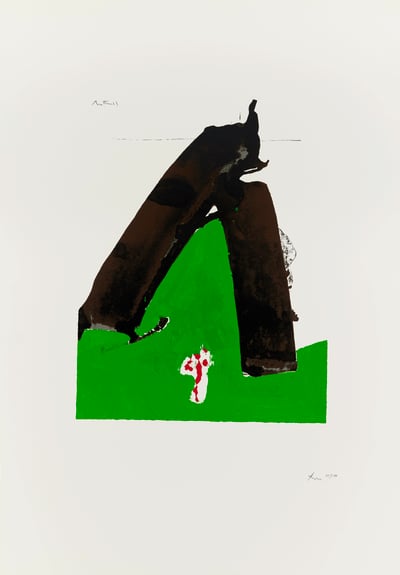
Robert Motherwell
Untitled 4 from The Basque Suite, 1970-71
Limited Edition Print
Screen-print
USD 2,650
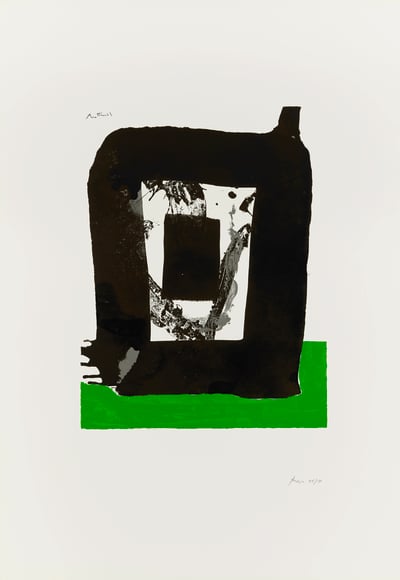
Robert Motherwell
Untitled 3 from The Basque Suite, 1970-71
Limited Edition Print
Screen-print
USD 2,650
Related Articles
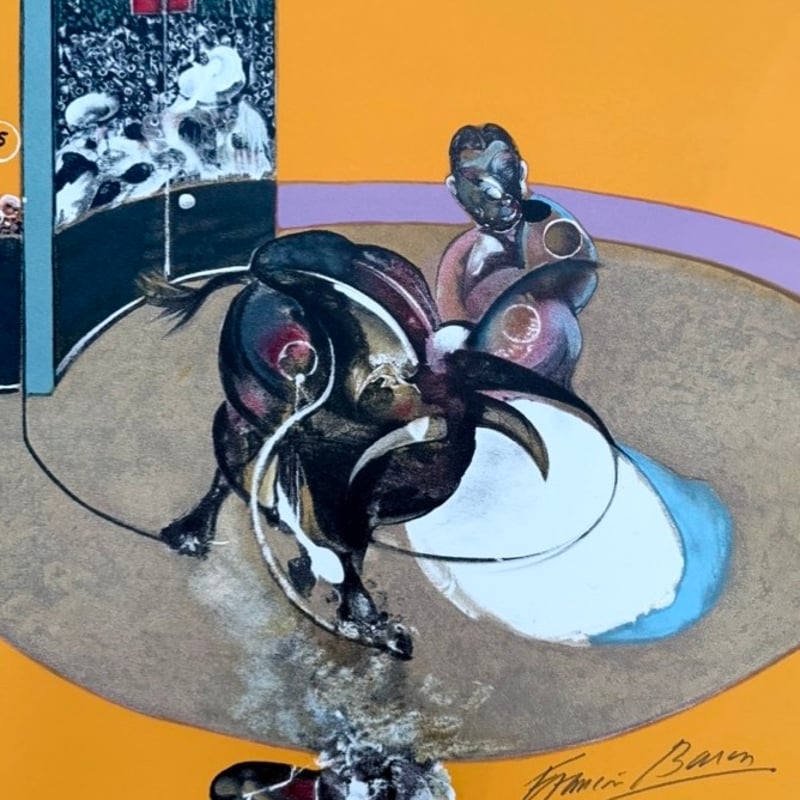
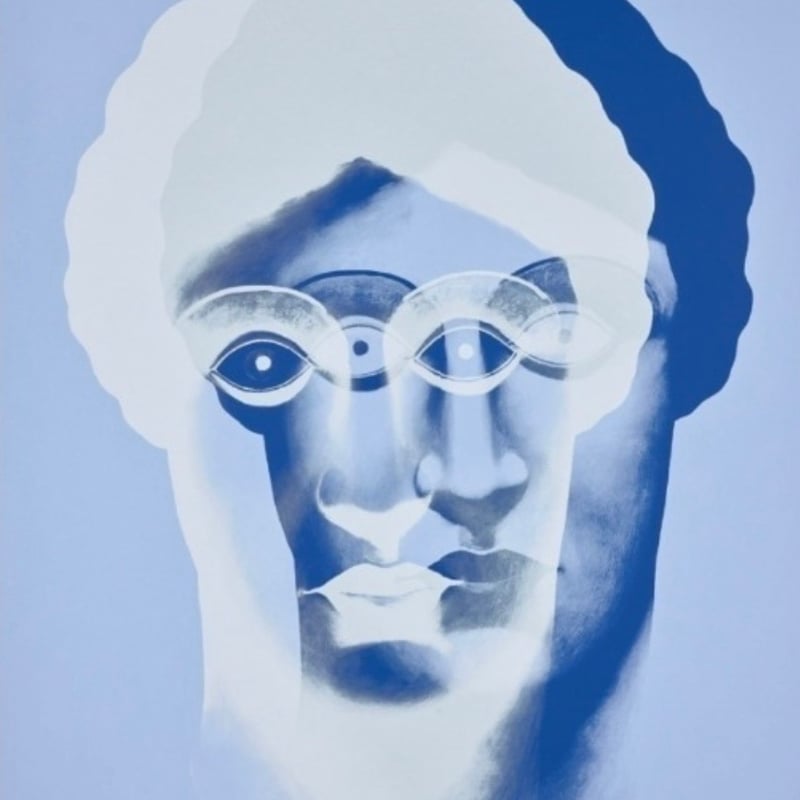
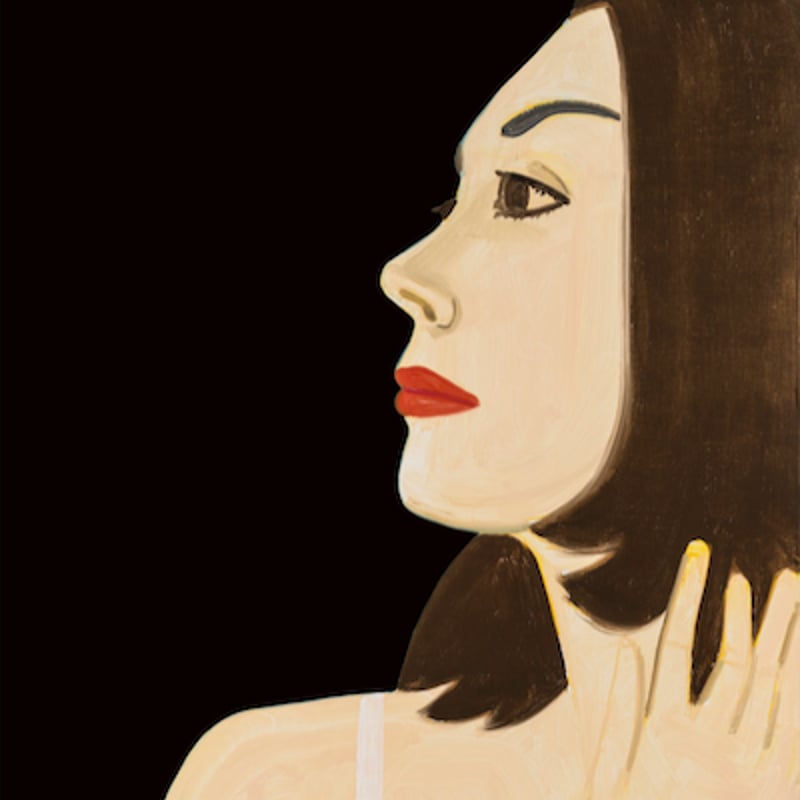
Sometimes known as Figurativism, figurative art refers to sculptures and paintings that are clearly or specifically derived from real objects, making them representational. The term figurative art is often used in contrast to abstract art. However, since the emergence of abstract art, figurative art has come to describe any form of modern art that has strong references to the real world or actual situations.
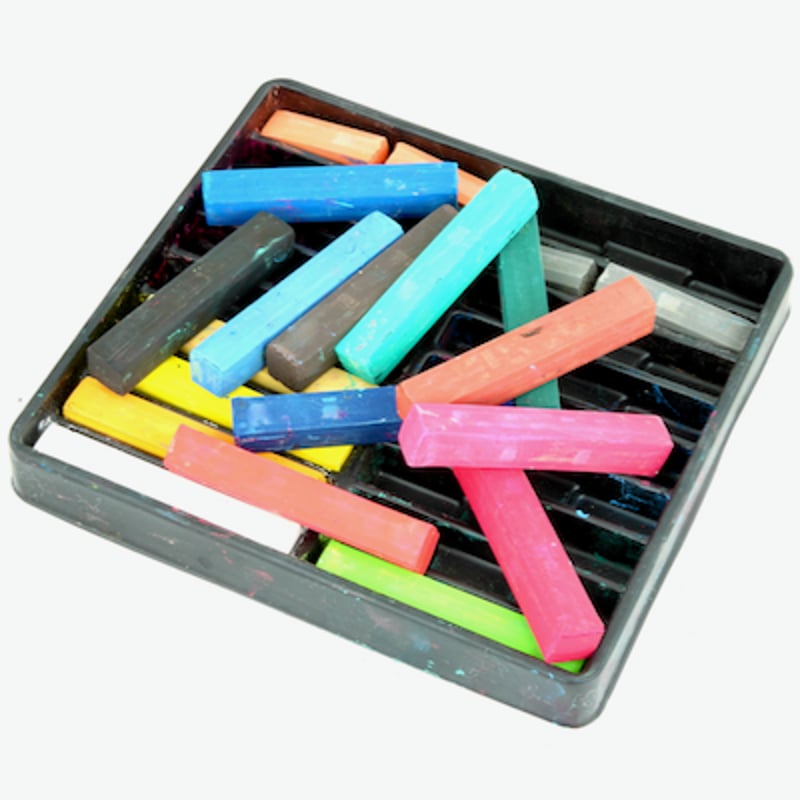
Conté is a vivid, waxy crayon invented by Nicolas-Jacques Conté in 1795. Artists use Conté crayons for detailed drawing, shading large areas, and blending colors. The tips can be sharpened with sanding pads for precision, or the sides can be dragged flat for broad shading.

A watermark is an image or pattern embedded into a sheet of paper during the papermaking process. Each papermaker includes a faint trademark, which becomes visible when the paper is held up to a light source. Watermarks serve as a mark of authenticity and are used for identification, often carrying historical significance in determining the origin and age of the paper.
Can't find your Answer?
Thank you! Your question has been sent — we'll get back to you shortly.
