
What is Surrealism?
- Show All
- Established
- Discoveries
- Show All
Artworks Related to Surrealism
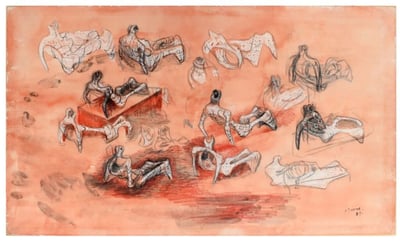
Henry Moore
Reclining Figures, 1939
Painting
Mixed Media
Inquire For Price
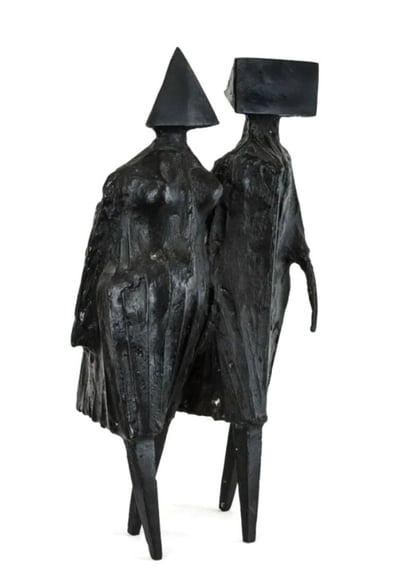
Lynn Chadwick
Maquette VII Walking Couple, 1976
Sculpture / Object
Bronze
Inquire For Price

Javier Calleja
Pop Top Planter and Flower Vase, 2021
Sculpture / Object
Ceramic
Inquire For Price
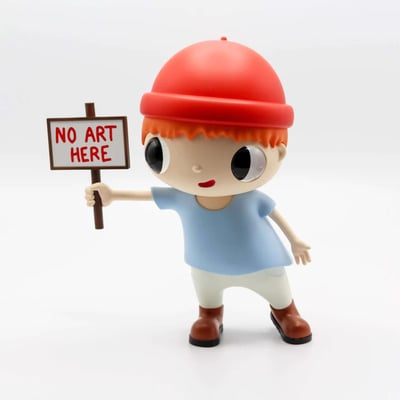
Javier Calleja
No Art Here, 2020
Sculpture / Object
Resin
GBP 1,300

Lucian Freud
Girl in Bed, 1953
Limited Edition Print
Archival Print
GBP 3,500 - 4,500

Lucian Freud
Double Portrait, 1990
Limited Edition Print
Archival Print
GBP 3,500 - 4,500
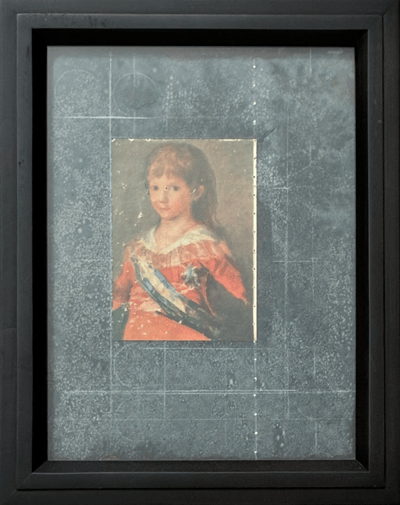
Joseph Cornell
Untitled, c. 960s
Drawing / Watercolor
Collage
Inquire For Price
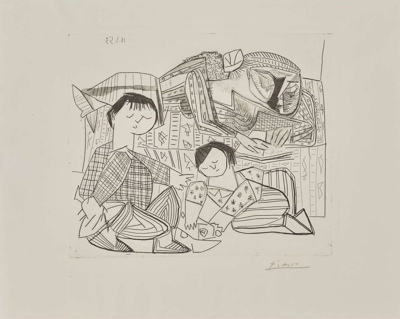
Pablo Picasso
Mere et Enfants, 1961
Limited Edition Print
Etching and Aquatint
GBP 20,000
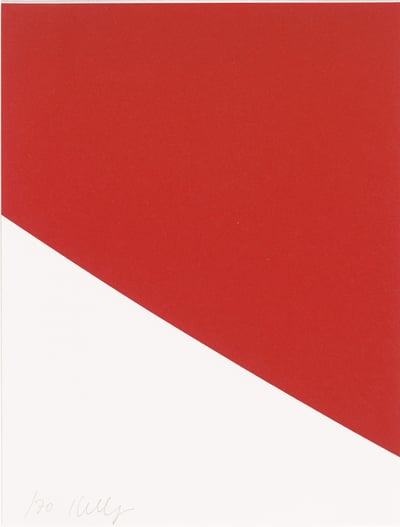
Ellsworth Kelly
Red Curve, 1999
Limited Edition Print
Lithograph
USD 16,000
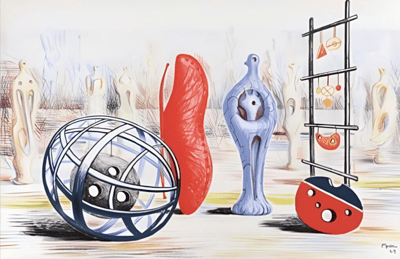
Henry Moore
Scultpural Objects School, 1949
Limited Edition Print
Lithograph
Inquire For Price
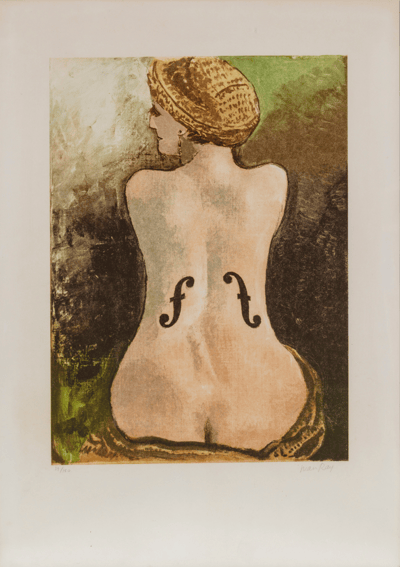
Man Ray
Le Violon d'Ingres, 1968
Limited Edition Print
Lithograph
EUR 5,000
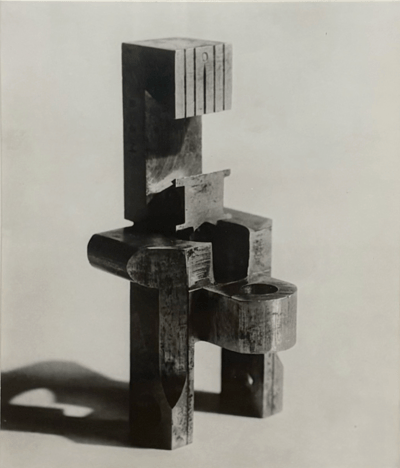
Man Ray
The Rebus, 1926
Photography
Gelatin Silver Print
EUR 6,500
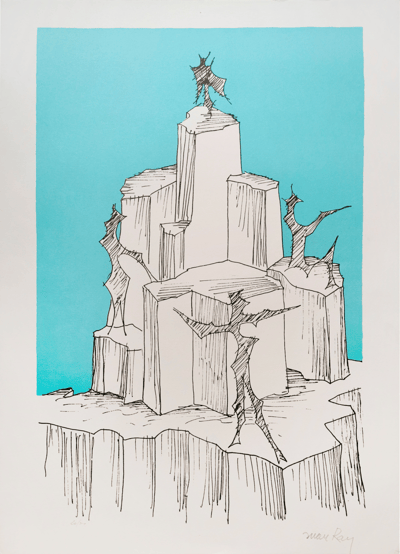
Man Ray
La Montagna di Cristallo, 1971
Limited Edition Print
Lithograph
EUR 2,400
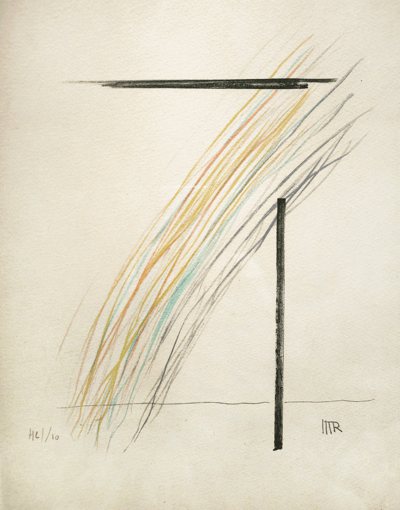
Man Ray
Invasion de l'espace, 1974
Limited Edition Print
Lithograph
EUR 2,300
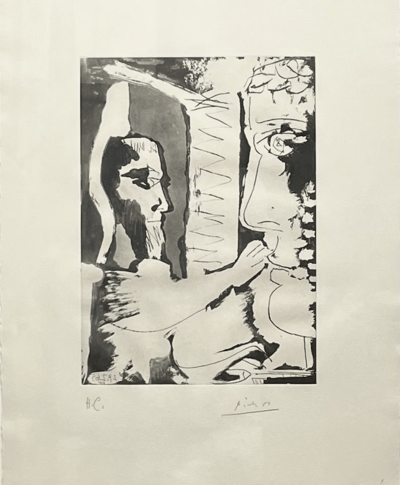
Pablo Picasso
Sculpteur et Sculpture, 1965
Limited Edition Print
Aquatint
EUR 10,400
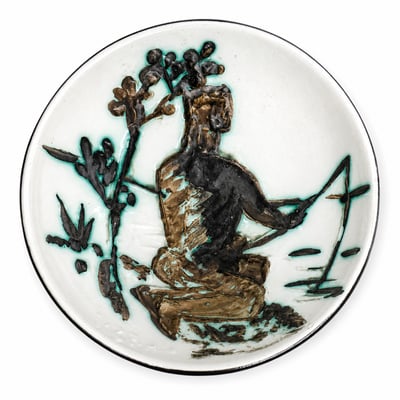
Pablo Picasso
Angler, 1955
Ceramics
Clay
EUR 7,800
Related Articles

Transavanguardia is the Italian version of Neo-Expressionism, referring to an art movement that emerged in Italy and other parts of Western Europe during the 1970s and 1980s. The term translates to beyond the avant-garde. Transavanguardia arose as a reaction against the dominance of conceptual art, reintroducing emotion and reviving painting as a primary medium. The movement marked a return to mythic imagery and figurative art, celebrating a rediscovery of traditional forms and themes in a contemporary context.
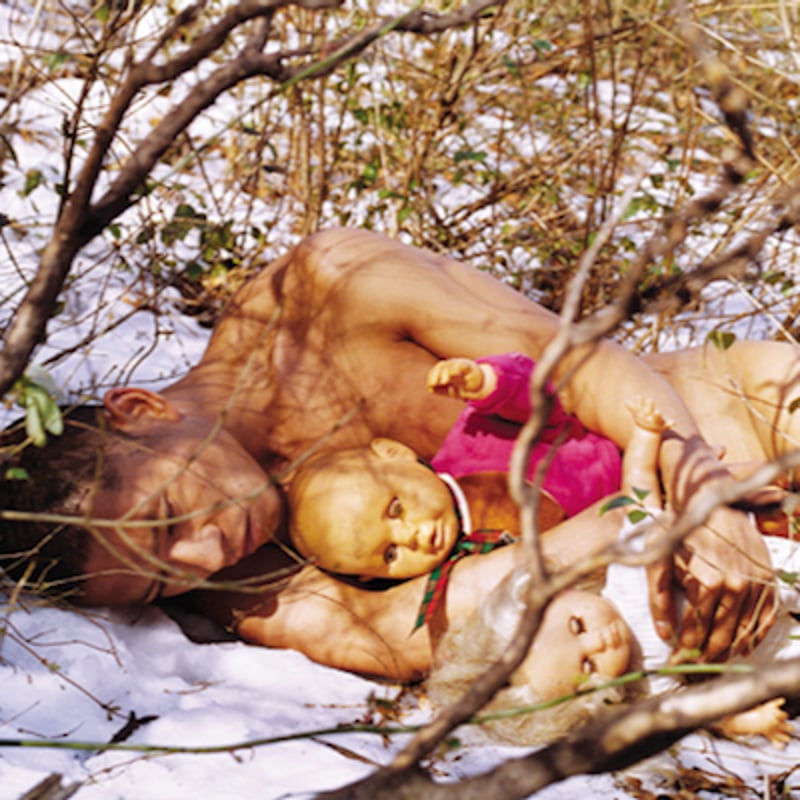
Live art is a form of performance that began in the 1960s and is generally exploratory and innovative. It involves a single artist or an artist group presenting the work before a live audience. The performances can include humans, animals, and living plants, often blurring the boundaries between art and life, and encouraging interaction with the audience.

The Aesthetic Movement emerged in the late 19th century, emphasizing the beauty and sensual qualities of art over practical or moral considerations. It promoted the idea of creating art for its own sake, valuing beauty and aesthetic experience as ends in themselves. The movement was particularly influential in Britain.
Can't find your Answer?
Thank you! Your question has been sent — we'll get back to you shortly.
