
What is Surrealism?
- Show All
- Established
- Discoveries
- Show All
Artworks Related to Surrealism
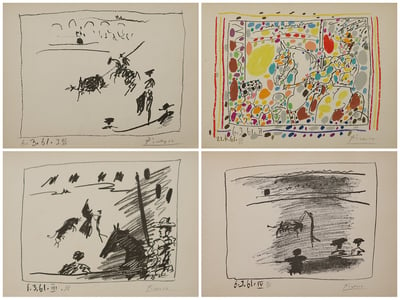
Pablo Picasso
A Los Toros (set of 4), 1961
Limited Edition Print
Lithograph
USD 37,000 - 46,500
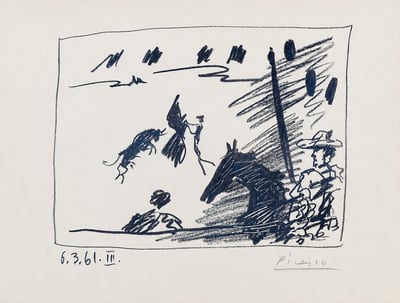
Pablo Picasso
Les Banderilles from A los toros avec Picasso, 1961
Limited Edition Print
Lithograph
Inquire For Price
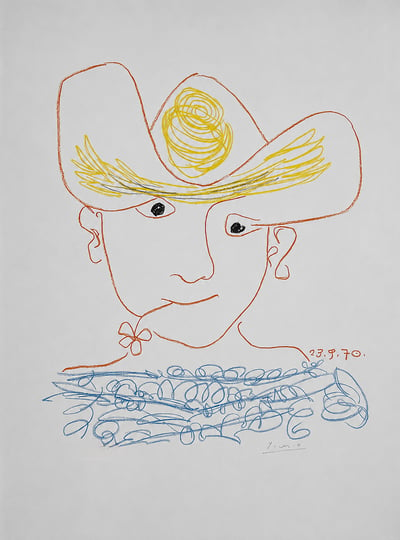
Pablo Picasso
Young Spanish Peasant, 1970
Limited Edition Print
Lithograph
USD 12,900
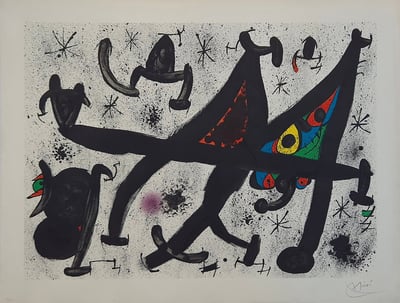
Joan Miró
Homenatge a Joan Prats 11, 1971
Limited Edition Print
Lithograph
USD 9,000
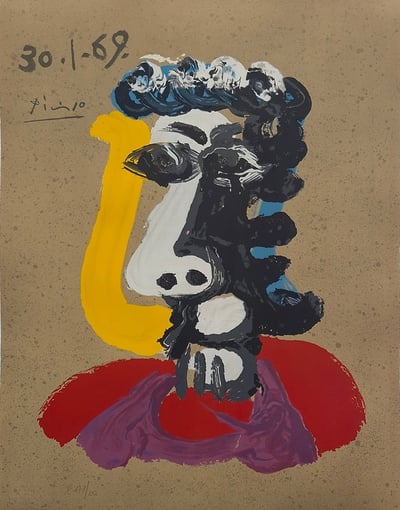
Pablo Picasso
One plate, from Les Portraits Imaginaires (2), 1969
Limited Edition Print
Offset Print
USD 6,750
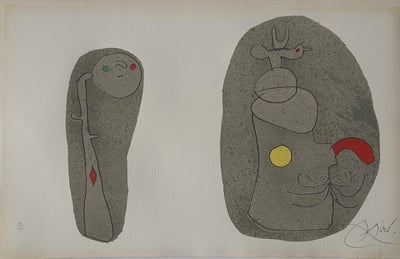
Joan Miró
Pl.11 from L'enfance d'Ubu, 1975
Limited Edition Print
Lithograph
USD 4,980
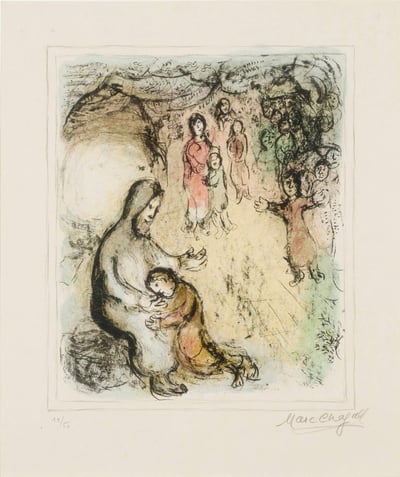
Marc Chagall
La Bénédiction de Jacob, 1979
Limited Edition Print
Lithograph
USD 6,800
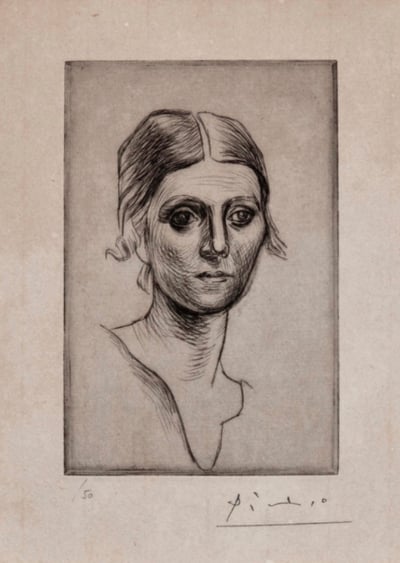
Pablo Picasso
Portrait d'Olga Picasso, 1920
Limited Edition Print
Drypoint
USD 56,750

Henry Moore
Reclining nude (C. 670), 1980
Limited Edition Print
Etching and Aquatint
USD 2,500
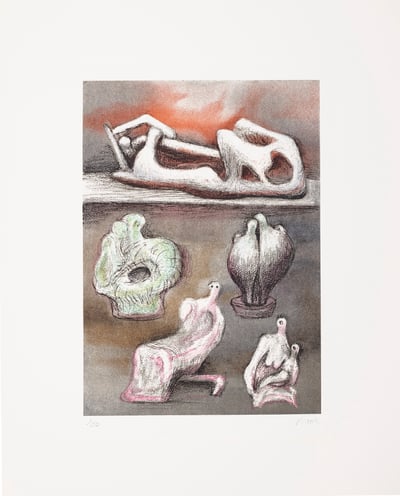
Henry Moore
Five Ideas for Sculpture (C. 610), 1981
Limited Edition Print
Lithograph
USD 2,500
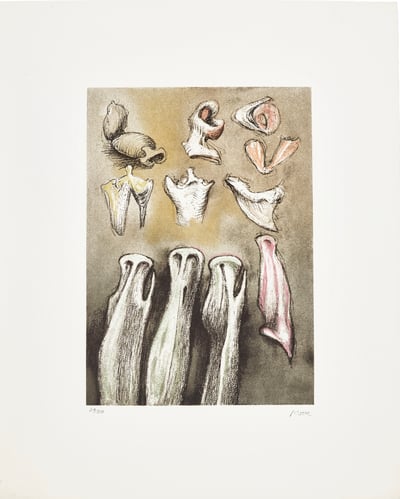
Henry Moore
Three Sisters (C. 621), 1981
Limited Edition Print
Lithograph
USD 2,500
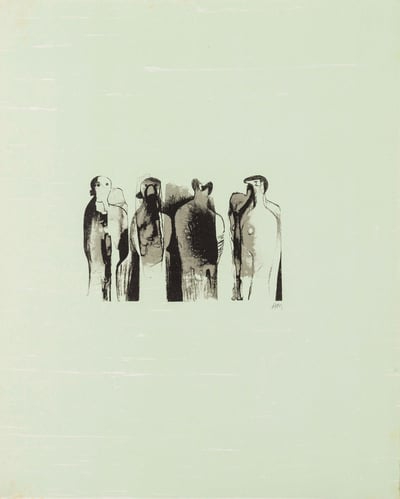
Henry Moore
La Poesie: Four Standing Figures (C. 323), 1973-1975
Limited Edition Print
Lithograph
USD 2,500
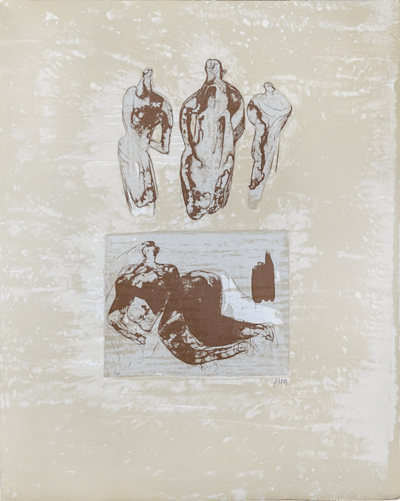
Henry Moore
La Poesie: Ideas from a Sketchbook (C. 324), 1973-1975
Limited Edition Print
Lithograph
USD 2,500

Henry Moore
La Poesie: Creole Lady (C. 321), 1973-1975
Limited Edition Print
Lithograph
USD 2,500
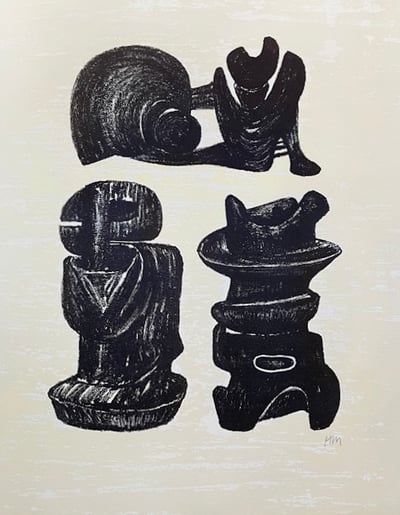
Henry Moore
La Poesie: Three Sculptural Forms (C. 320), 1973-1975
Limited Edition Print
Lithograph
USD 2,500
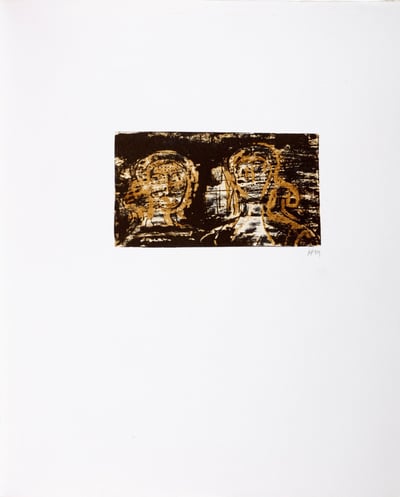
Henry Moore
La Poesie: Two Heads (C. 318), 1973-1975
Limited Edition Print
Lithograph
USD 2,500
Related Articles
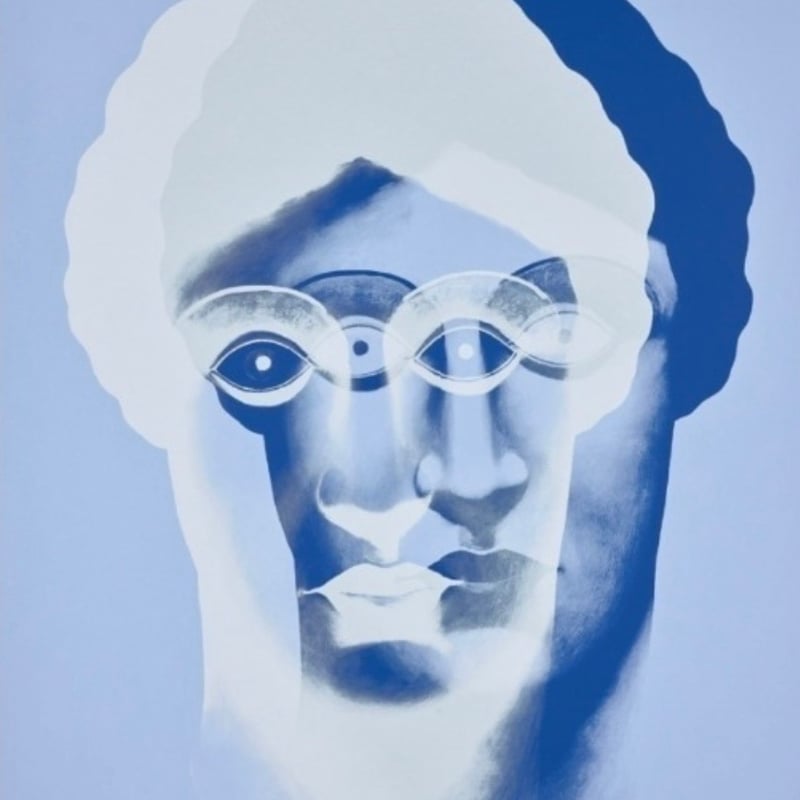
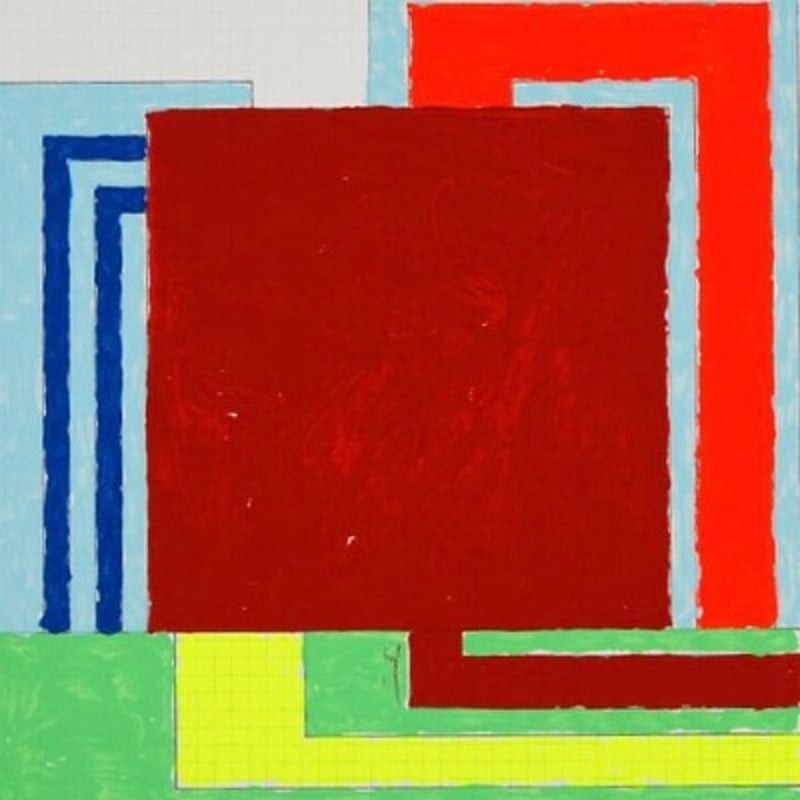
Known as Neo-Geo for short, this movement uses geometric objects and shapes to create abstract artwork as a metaphor for society. Inspired by various 20th-century art styles, including minimalism and pop art, Neo-Geo emerged in the 1980s as a response to the industrialization and commercialization of the modern world. The movement reflects on the impact of mass production, consumerism, and technology, often critiquing the superficiality of contemporary culture through its abstract, geometric compositions.

In the 1960s, Funk Art emerged as a reactive movement against Abstract Expressionism. It was widely known as an anti-establishment movement, with the name derived from the jazz term funky. This term carried both positive and negative connotations: in the jazz world, it described passion, quirkiness, and sensuality, but it could also refer to a foul odor. Funk Art was particularly popular in the California Bay Area. While the artists of the Funk Art era shared similar attitudes and styles, they did not see themselves as part of a formal group or movement.
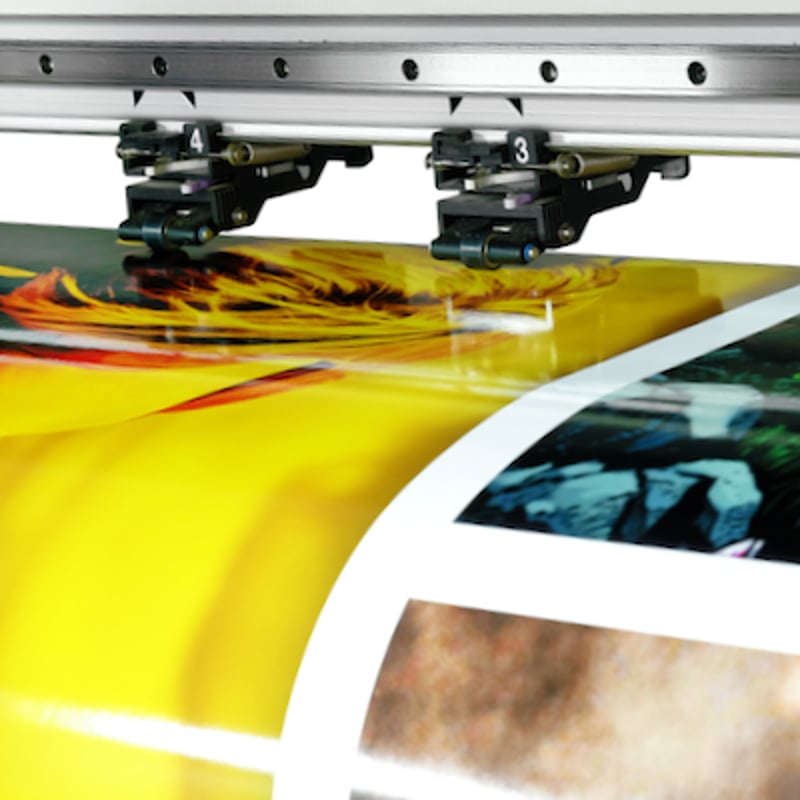
Digital print on paper refers to a digital image printed with archival-grade inks on high-quality, acid-free paper. This process ensures the print can last over twenty years if properly stored. The digital file allows for future prints to be made as needed.
Can't find your Answer?
Thank you! Your question has been sent — we'll get back to you shortly.
