
What is Surrealism?
- Show All
- Established
- Discoveries
- Show All
Artworks Related to Surrealism

Rufino Tamayo
Hombre en rosa, 1984
Limited Edition Print
Etching
EUR 4,350

Joan Miró
Archipel Sauvage III, 1970
Limited Edition Print
Aquatint
EUR 13,200

Joan Miró
Lithographie pour l'Exposition Miró au Casino de Knokke-le-Zoute, 1971
Limited Edition Print
Lithograph
EUR 8,600

Joan Miró
Un poème dans chaque livre, 1956
Limited Edition Print
Etching and Aquatint
EUR 6,800

Joan Miró
Montroig 3, 1974
Limited Edition Print
Lithograph
EUR 8,600
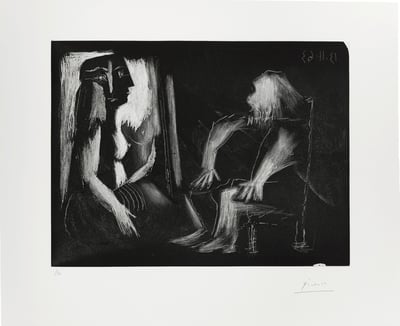
Pablo Picasso
Scène d'intérieur: l'atelier (Bloch 1128; Baer 1125.II.B.b.1), 1963
Limited Edition Print
Aquatint
GBP 9,000 - 11,500
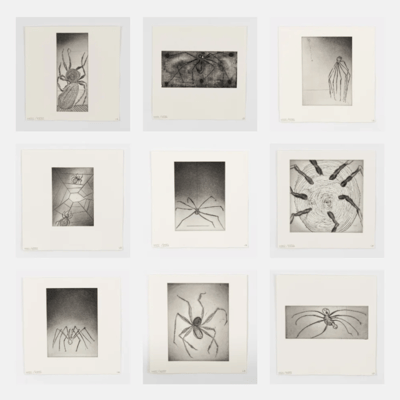
Louise Bourgeois
Ode à Ma Mère, 1995
Limited Edition Print
Drypoint
GBP 61,000 - 76,000
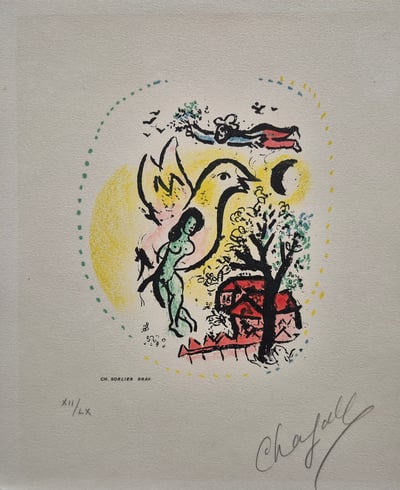
Marc Chagall
Vocation, 1969
Limited Edition Print
Lithograph
EUR 5,600
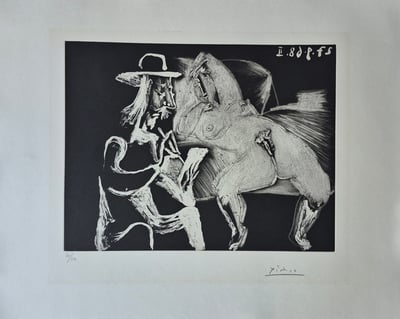
Pablo Picasso
Homme au Chapeau dessinant à Côté d'une Femme offerte, from Séries 347, 1969
Limited Edition Print
Etching
EUR 6,200
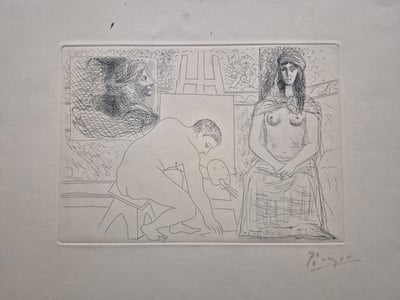
Pablo Picasso
Peintre ramassant son Pinceau (Le Chef-d'Oeuvre Inconnu), 1931
Limited Edition Print
Etching
EUR 8,600
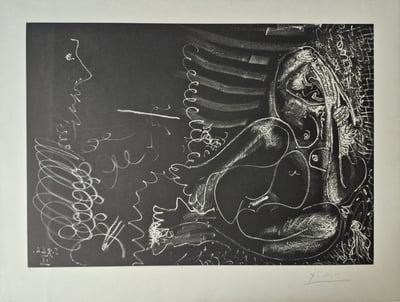
Pablo Picasso
Peintre en demi-figure et modèle assis en tailleur, 1966
Limited Edition Print
Etching and Aquatint
EUR 6,200

Joan Miró
Fundació Palma I, 1988
Limited Edition Print
Mixed Media
Inquire For Price
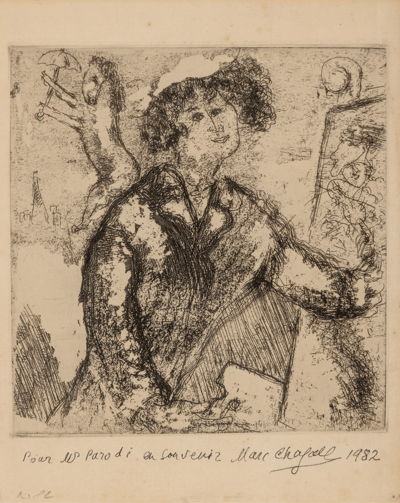
Marc Chagall
Autoportrait au chevalet (from Chagall et l'Ame Juive) , 1931
Limited Edition Print
Etching
USD 4,100
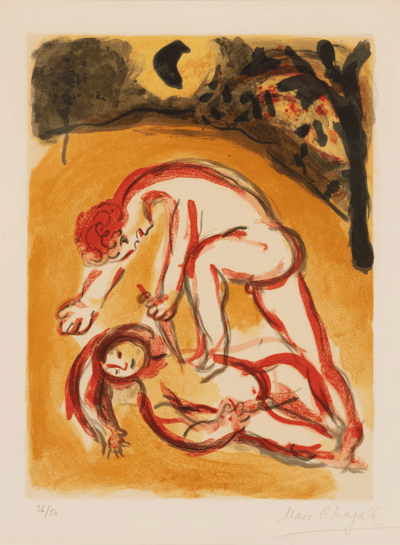
Marc Chagall
Caïn et Abel (from Dessins pour la Bible), 1960
Limited Edition Print
Lithograph
Inquire For Price
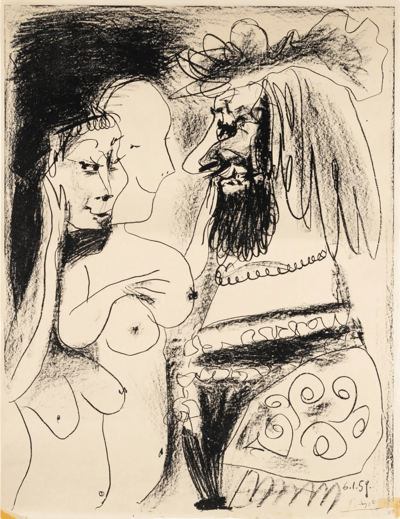
Pablo Picasso
Le Vieux Roi, 1959
Limited Edition Print
Lithograph
Currently Not Available
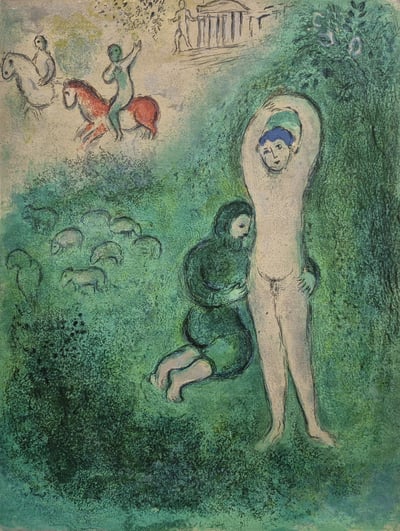
Marc Chagall
Daphins and Gnathon, 1961
Limited Edition Print
Lithograph
EUR 2,900
Related Articles
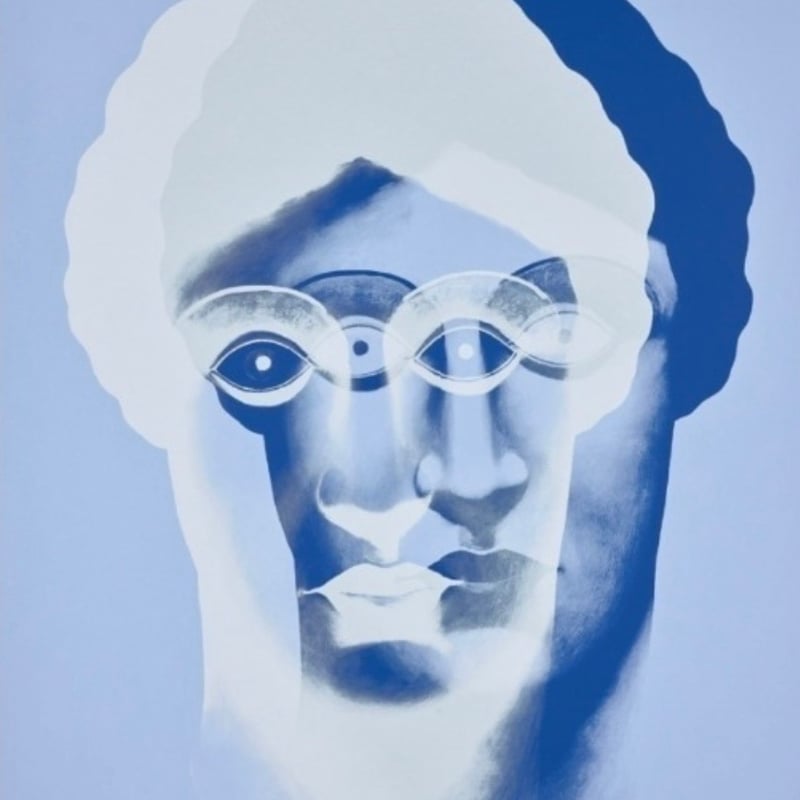

Art Fabrication is a process used in the production of technically challenging or large-scale artworks. It occurs when a designer or artist is unable to fully realize their concept or design on their own and seeks assistance from a fabrication studio. These studios are equipped with specialized machinery, resources, and skilled labor necessary to execute complex art projects to a high standard.

A body print is an art technique where the artist uses their body as a printing plate. This can be done by smearing grease, margarine, or oil on the skin, hair, and clothes, then pressing the body against a surface like paper. The oiled imprint is then dusted with pigment. Unlike a self-portrait, a body print explores two competing concepts of identity rather than capturing a likeness of the artist. The method emphasizes the physicality of the body while questioning the boundaries between self-representation and abstraction.
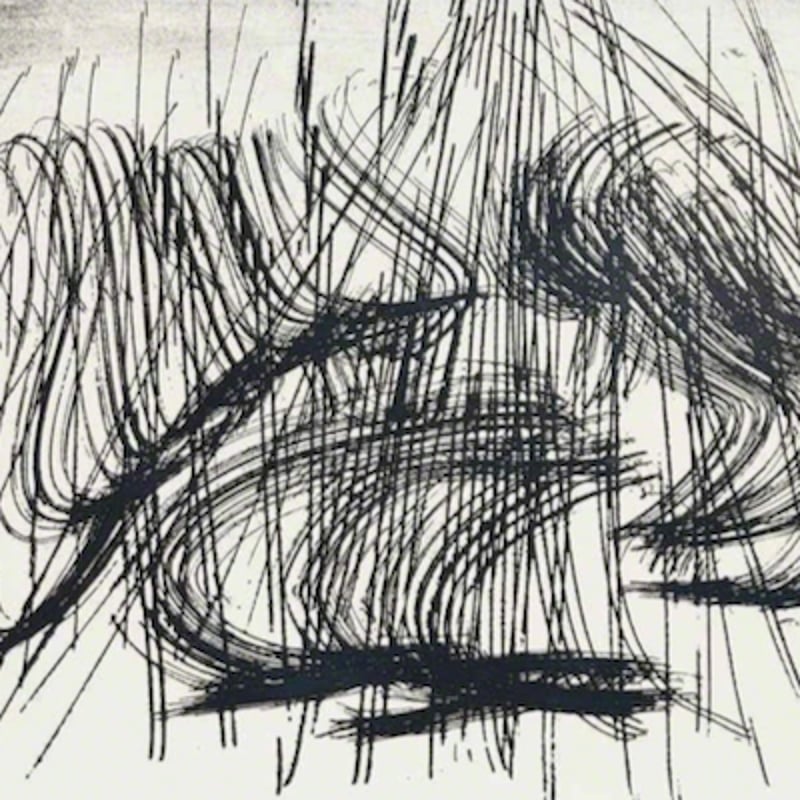
Automatism refers to a technique in the creative process that accesses material from the unconscious or subconscious mind. It is based on Sigmund Freud’s psychoanalytic method of free association. Artists value this process for its ability to inspire creative thought and spontaneous creation.
Can't find your Answer?
Thank you! Your question has been sent — we'll get back to you shortly.
