
What is site specific art?
- Show All
- Established
- Discoveries
- Show All
Artworks Related to Site Specific Art
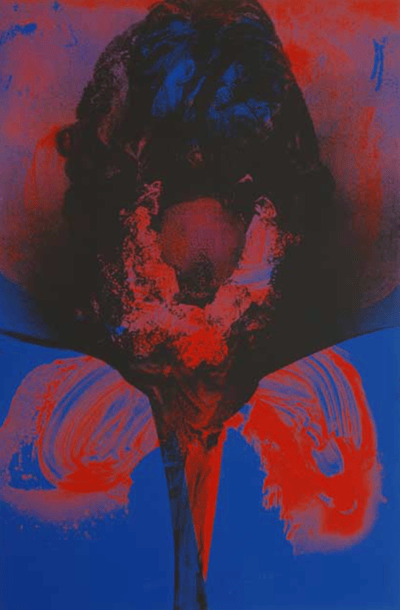
Otto Piene
Addis Abeba X, 1972
Limited Edition Print
Screen-print
EUR 3,400
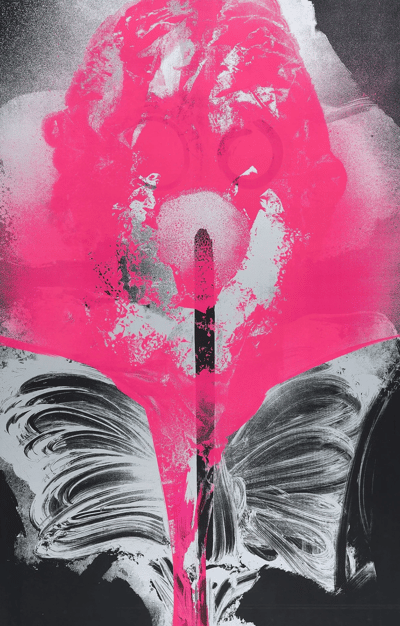
Otto Piene
Addis Abeba V, 1972
Limited Edition Print
Screen-print
EUR 3,300
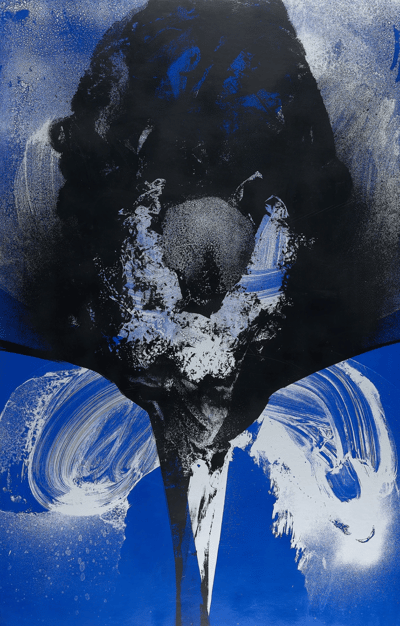
Otto Piene
Addis Abeba VI, 1972
Limited Edition Print
Screen-print
EUR 3,100
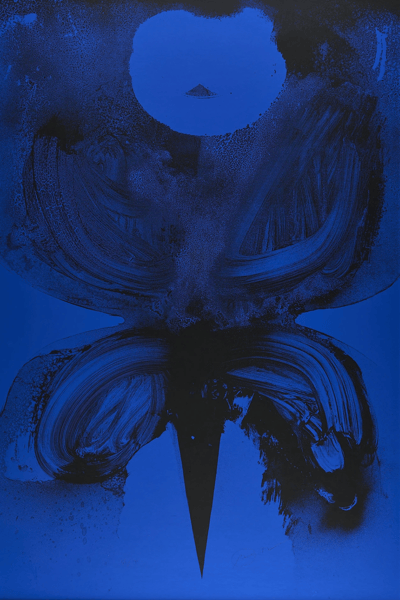
Otto Piene
Addis Abeba IX, 1972
Limited Edition Print
Screen-print
EUR 2,800
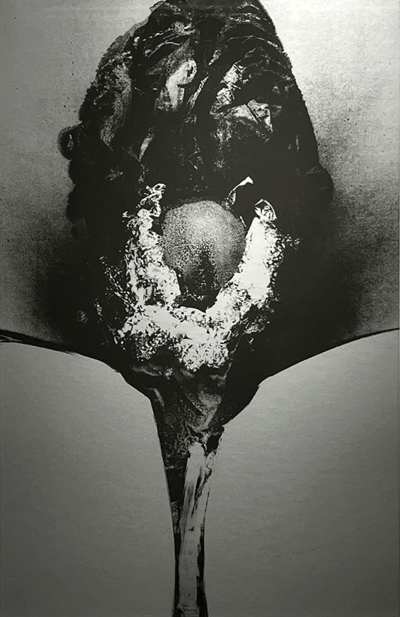
Otto Piene
Addis Abeba II, 1972
Limited Edition Print
Screen-print
EUR 2,800
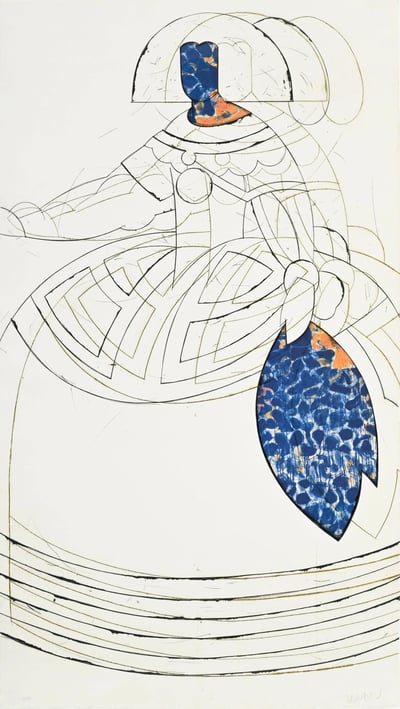
Manolo Valdés
Reina Mariana VIII, 2000
Limited Edition Print
Collage
EUR 22,350

Banksy
Bomb Middle England (Unsigned), 2002
Limited Edition Print
Screen-print
GBP 15,000 - 20,000
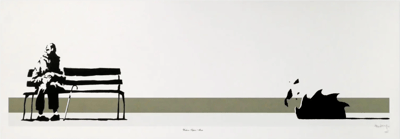
Banksy
Western Super Mare, 2003
Limited Edition Print
Screen-print
GBP 15,000 - 20,000
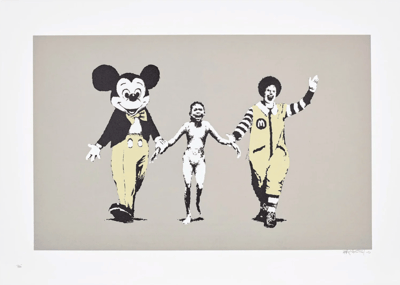
Banksy
Napalm, 2004
Limited Edition Print
Screen-print
GBP 32,000 - 38,000
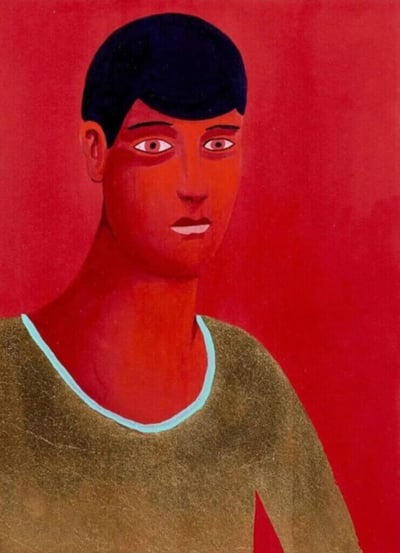
Nicolas Party
Untitled, Red Portrait, 2017
Painting
Watercolor
GBP 50,000 - 60,000
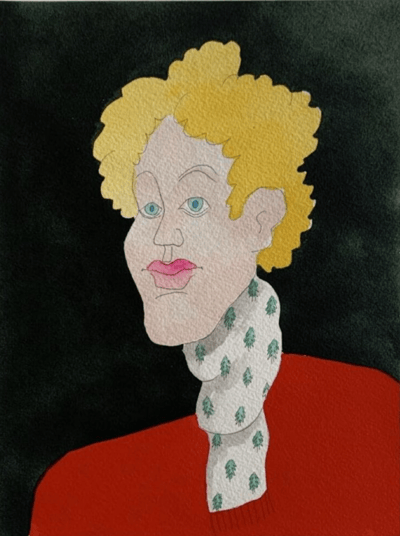
Nicolas Party
Untitled (portrait), 2014
Painting
Watercolor
GBP 23,000 - 29,900
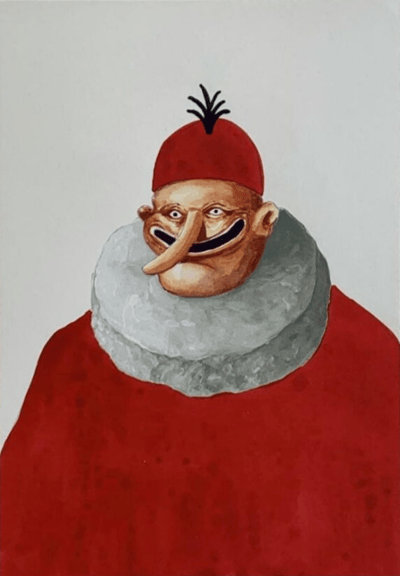
Nicolas Party
Untitled (face), 2015
Painting
Watercolor
GBP 35,000 - 45,500
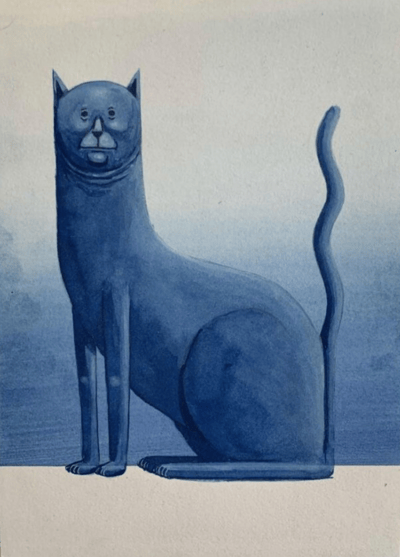
Nicolas Party
Untitled (cat), 2017
Painting
Watercolor
GBP 37,500 - 50,000
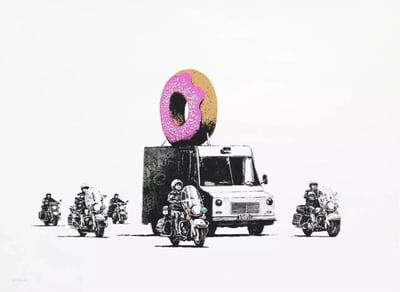
Banksy
Donuts - Strawberry, 2009
Limited Edition Print
Screen-print
Inquire For Price
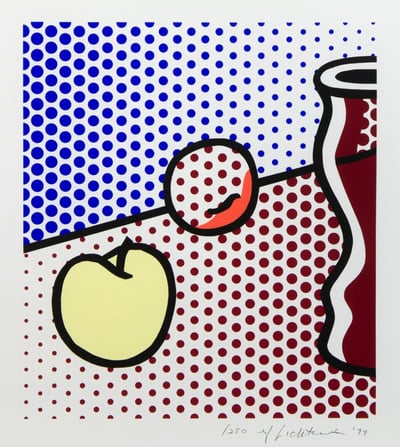
Roy Lichtenstein
Still Life with Red Jar, 1994
Limited Edition Print
Screen-print
GBP 18,500 - 24,000
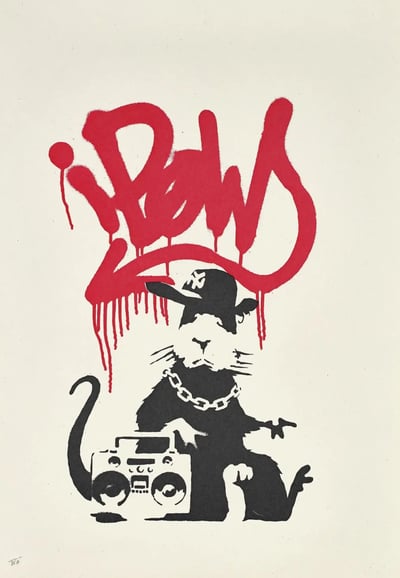
Banksy
Gangsta Rat (Unsigned), 2004
Limited Edition Print
Screen-print
GBP 18,000 - 23,000
Related Articles


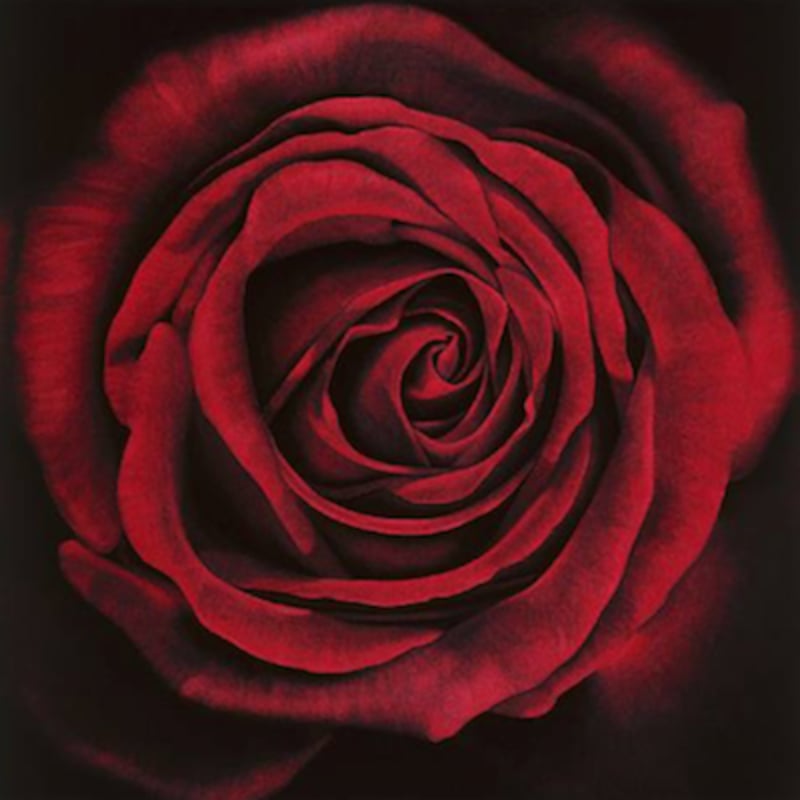
Photorealism is a genre of art or artistic movement that involves drawing, painting, and other graphic media in which the artist carefully studies a photograph and attempts to reproduce it as realistically as possible in another medium. While the term can broadly describe any artwork created in this manner, it specifically refers to a group of painters and paintings in the U.S. art movement that emerged in the late 1960s and early 1970s.
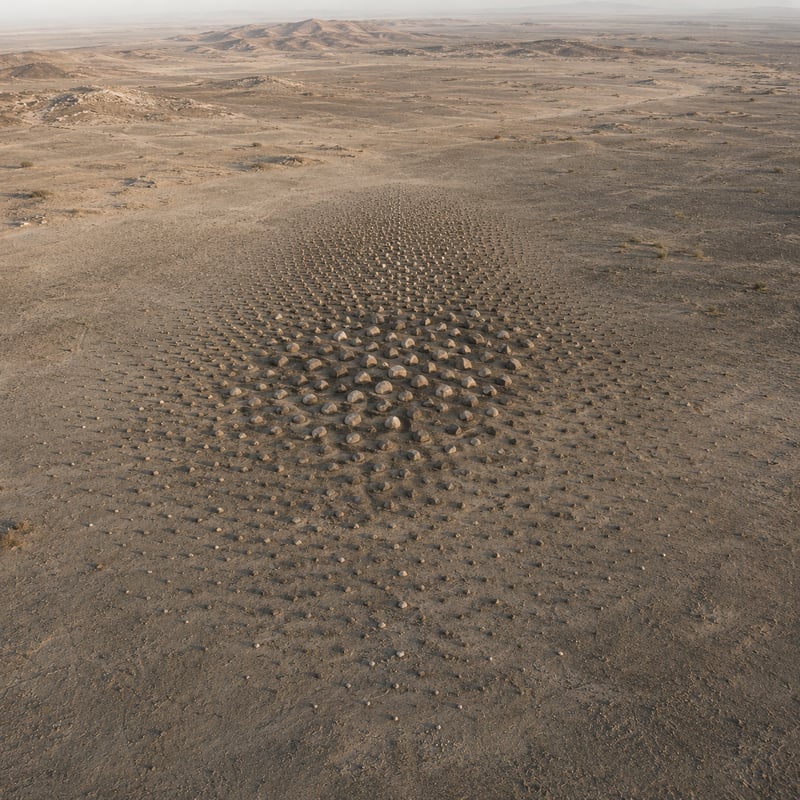
Earth art, also known as Land Art, emerged in the 1960s and 70s as part of the conceptual art movement. It involves creating artworks by sculpting the land or constructing structures in the landscape using natural materials like earth, rocks, or twigs. These works are often large-scale and emphasize the relationship between art and nature.

Metal has been traditionally used in art for creating sculptures, jewelry, masks, adornments, tools, and weapons, often featuring decorative elements. Common types of metal used include bronze, brass, cast iron, gray iron, copper, gold, tin, wrought iron, and silver.
Can't find your Answer?
Thank you! Your question has been sent — we'll get back to you shortly.
