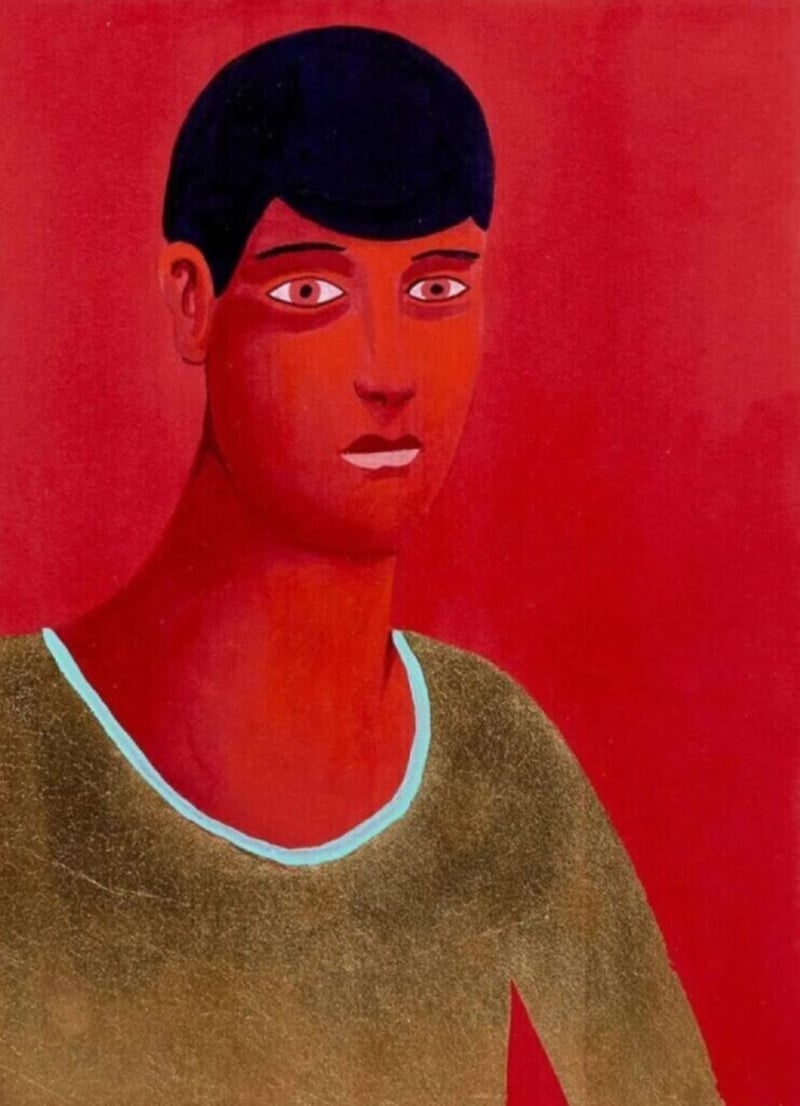
Untitled, Red Portrait, 2017
Form
Medium
Size
- Inches
- Centimeters
Edition
Price
- Authenticity Guaranteed
- Insured Shipping
- Online Since 2005
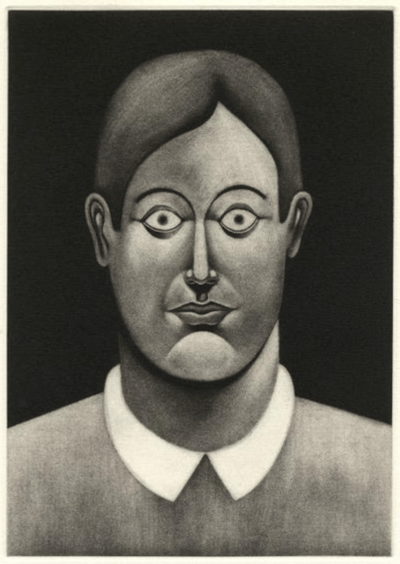
Nicolas Party
Portrait, 2016
Limited Edition Print
Mezzotint
GBP 16,000 – 20,000
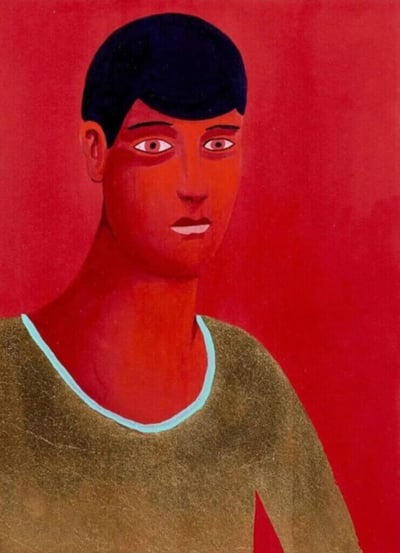
Nicolas Party
Untitled, Red Portrait, 2017
Painting
Watercolor
GBP 50,000 – 60,000
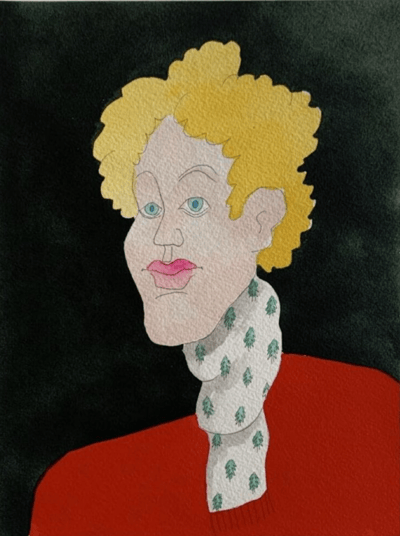
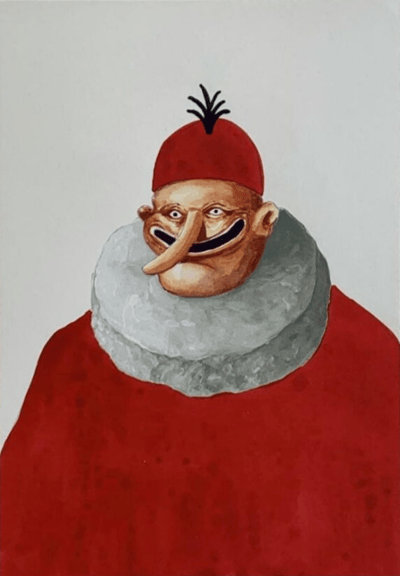
Nicolas Party
Untitled (portrait), 2014
Painting
Watercolor
GBP 23,000 – 29,900
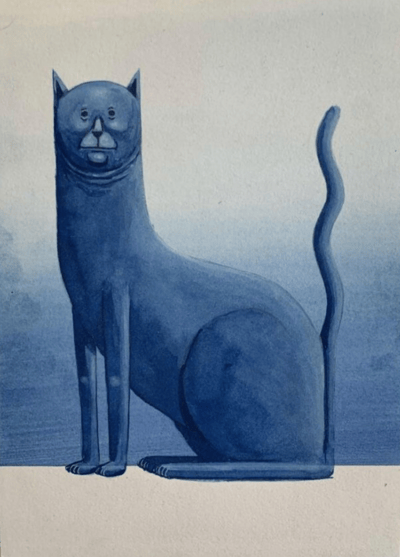
Nicolas Party
Untitled (face), 2015
Painting
Watercolor
GBP 35,000 – 45,500
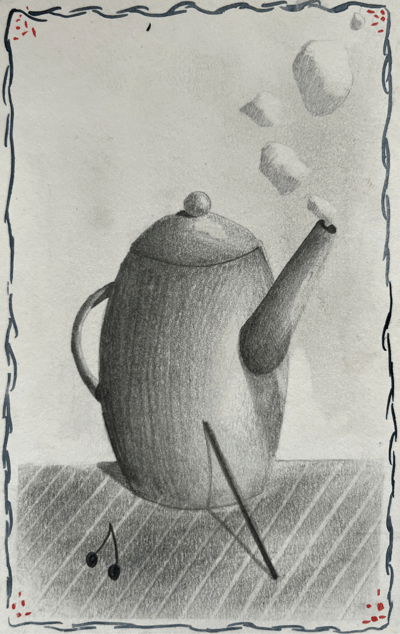
Nicolas Party
Untitled (cat), 2017
Painting
Watercolor
GBP 37,500 – 50,000
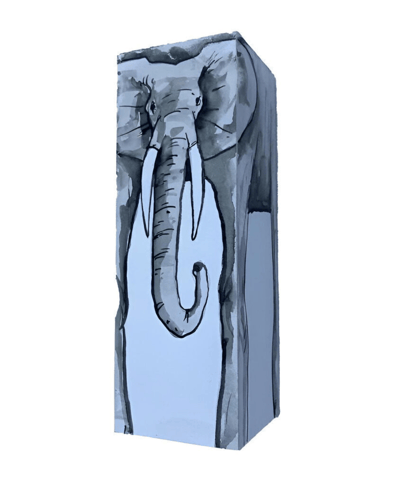
Nicolas Party
Untitled (Teapot), 2010
Drawing / Watercolor
Graphite
Inquire For Price
Nicolas Party
Elephant, 2012
Sculpture / Object
Mixed Media
Inquire For Price
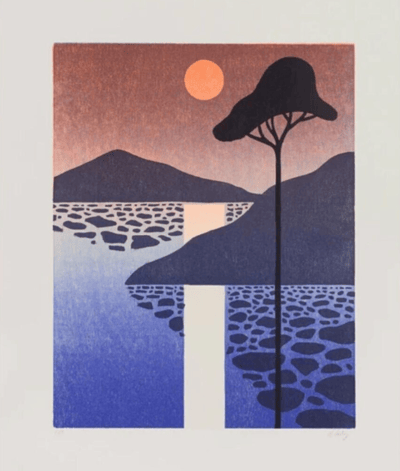
Nicolas Party
Sunset, 2021
Limited Edition Print
Woodcut
GBP 7,000 – 10,000
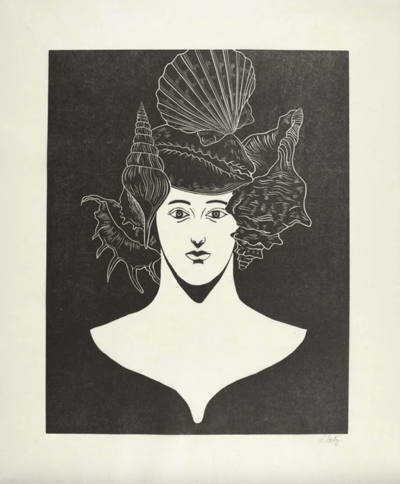
Nicolas Party
Portrait With Shells, 2021
Limited Edition Print
Woodcut
GBP 5,000 – 7,000
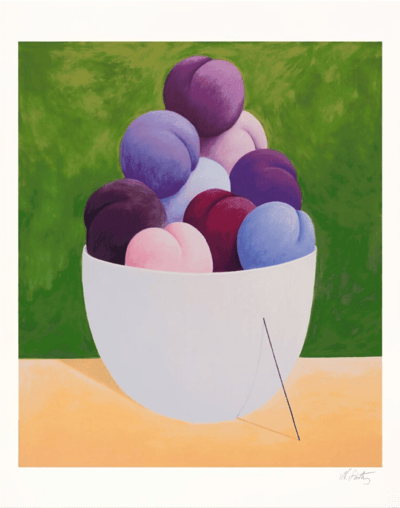
Nicolas Party
Purple Peaches, 2024
Limited Edition Print
Screen-print
GBP 6,000 – 10,000
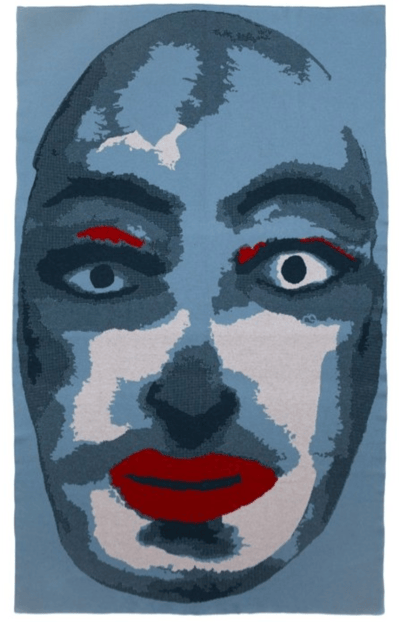
Nicolas Party
Untitled (Artist's Blanket), 2017
Tapestry
Tapestry
USD 2,500
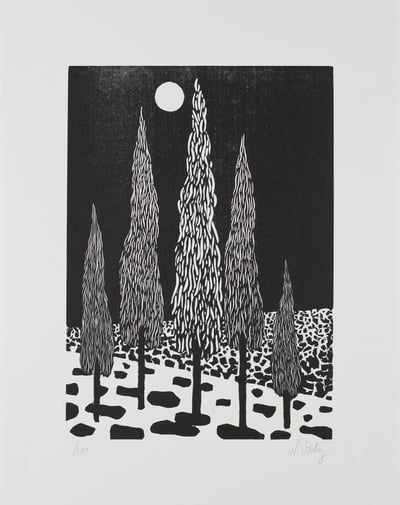
Nicolas Party
Trees, 2020
Limited Edition Print
Woodcut
GBP 6,000
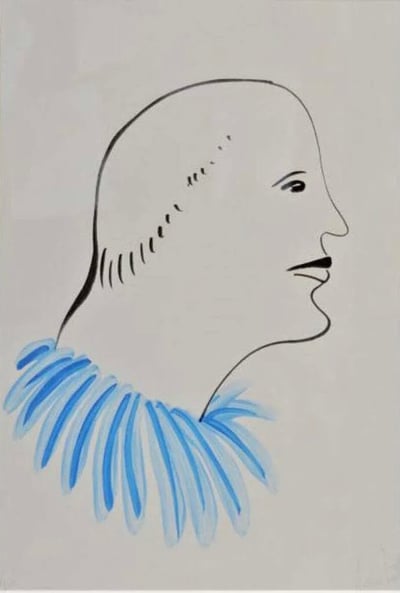
Nicolas Party
Untitled Blue, 2016
Limited Edition Print
Mixed Media
GBP 4,850
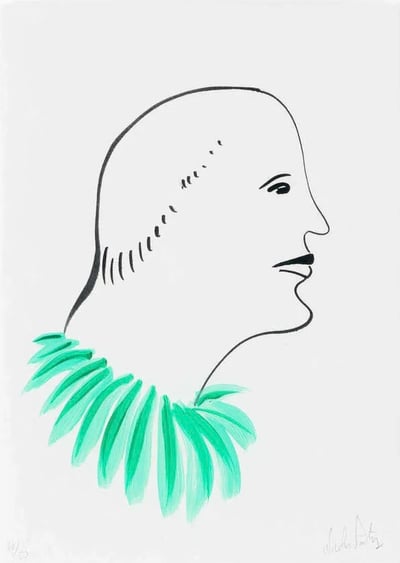
Nicolas Party
Untitled Green, 2016
Limited Edition Print
Mixed Media
GBP 4,850
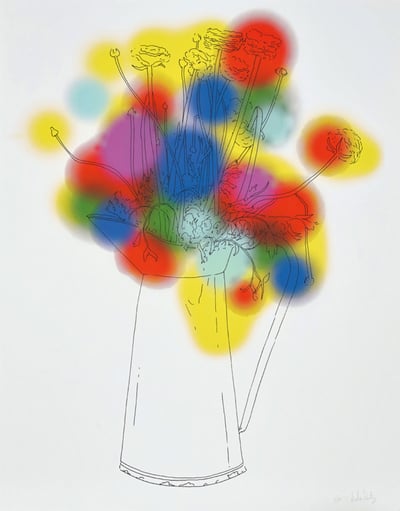
Nicolas Party
Flowers and few colors, 2013
Limited Edition Print
Screen-print
USD 9,000 – 12,000
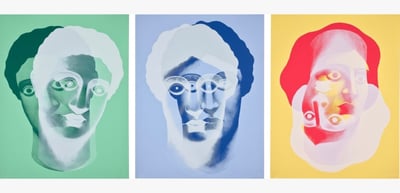
Nicolas Party
Karma Series of Portraits, 2017
Limited Edition Print
Screen-print
GBP 25,000 – 30,000
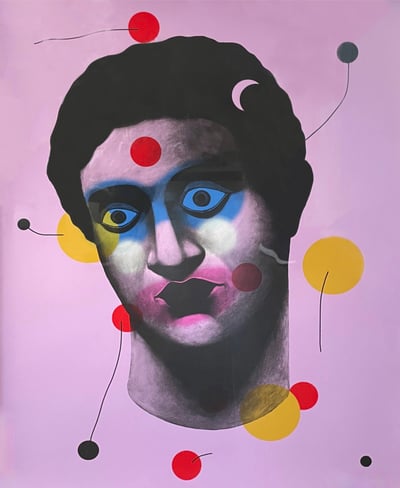
Nicolas Party
Portrait for RXArt Children's Hospital Commission, 2019
Limited Edition Print
Screen-print
GBP 9,500
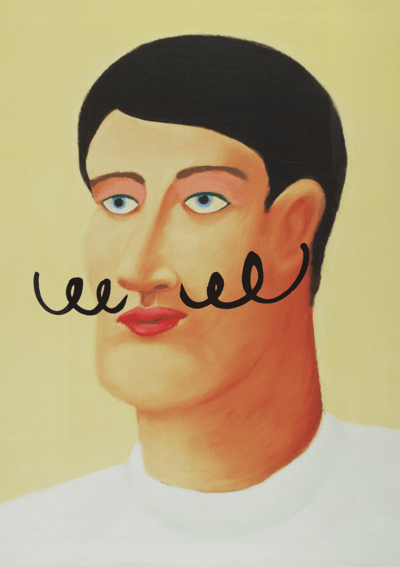
Nicolas Party
Portrait With A Mustache, 2013
Limited Edition Print
Mixed Media
Inquire For Price
Related Artists
Related Articles
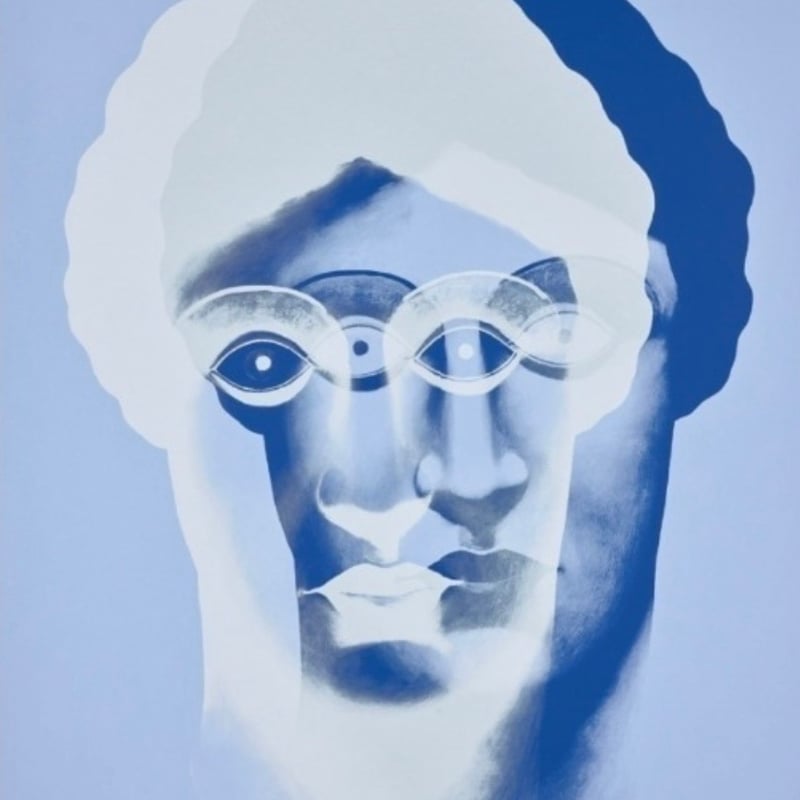
Artists - May 16, 2025
Nicolas Party’s Pastel Worlds: Renaissance Echoes in Surreal Landscapes
Discover how Nicolas Party went from graffiti to global acclaim, reviving pastels with surreal flair and reshaping 21st-century figurative art.Read More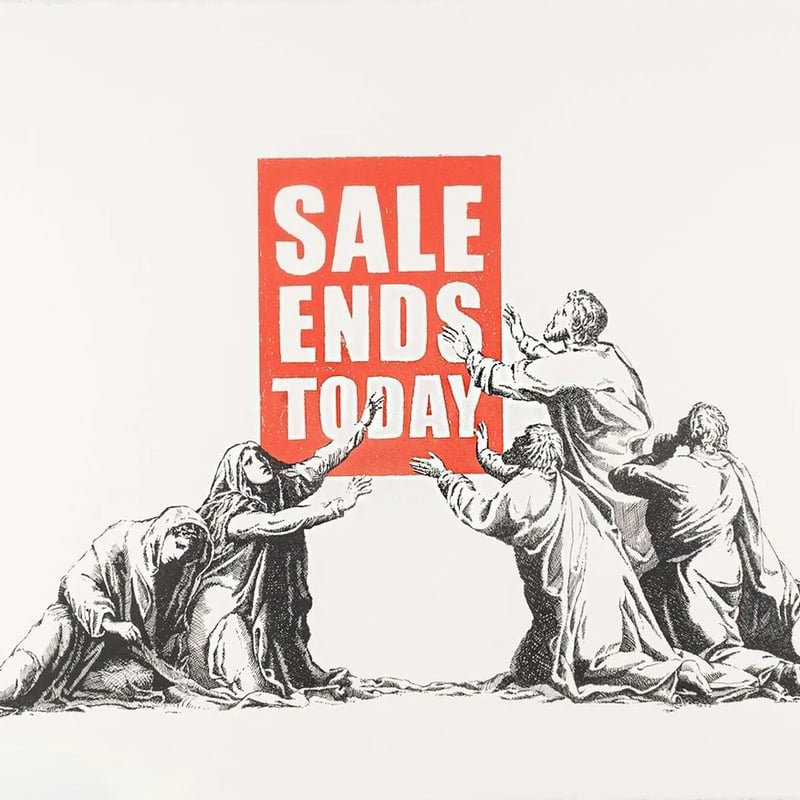
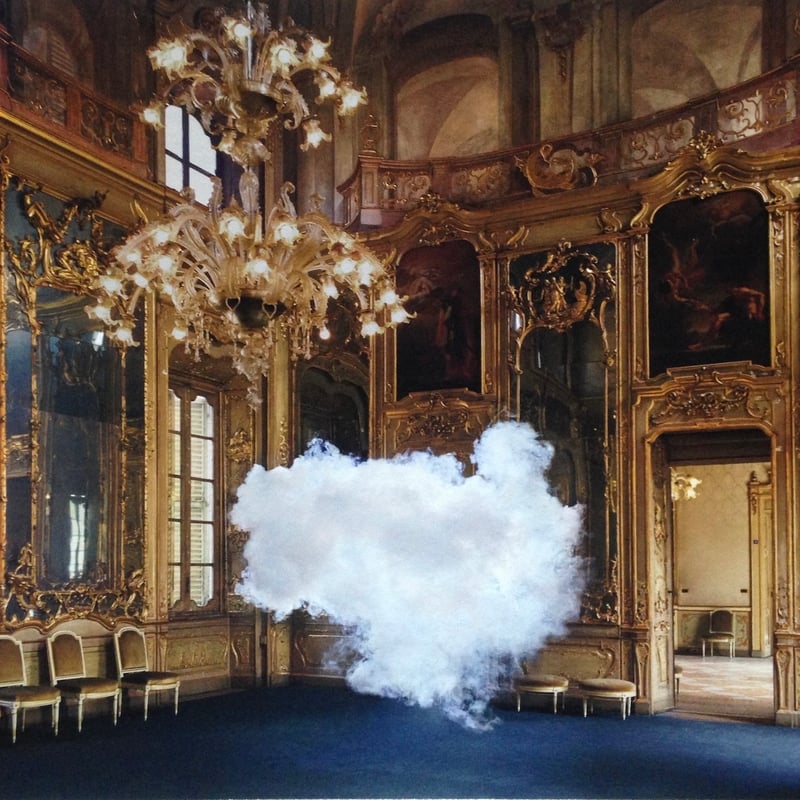
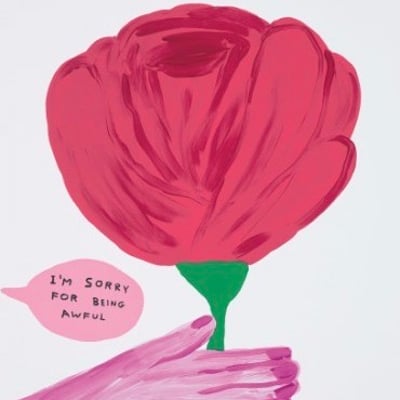
What is Naive Art?
Naïve art describes a style of artwork that is simple and unsophisticated, often created by artists without formal training in an academy or art school. The style is characterized by a lack of advanced techniques, giving it a childlike appearance. Naïve art often features bright colors, simple shapes, and a straightforward approach to subject matter, reflecting the artist's untrained perspective.
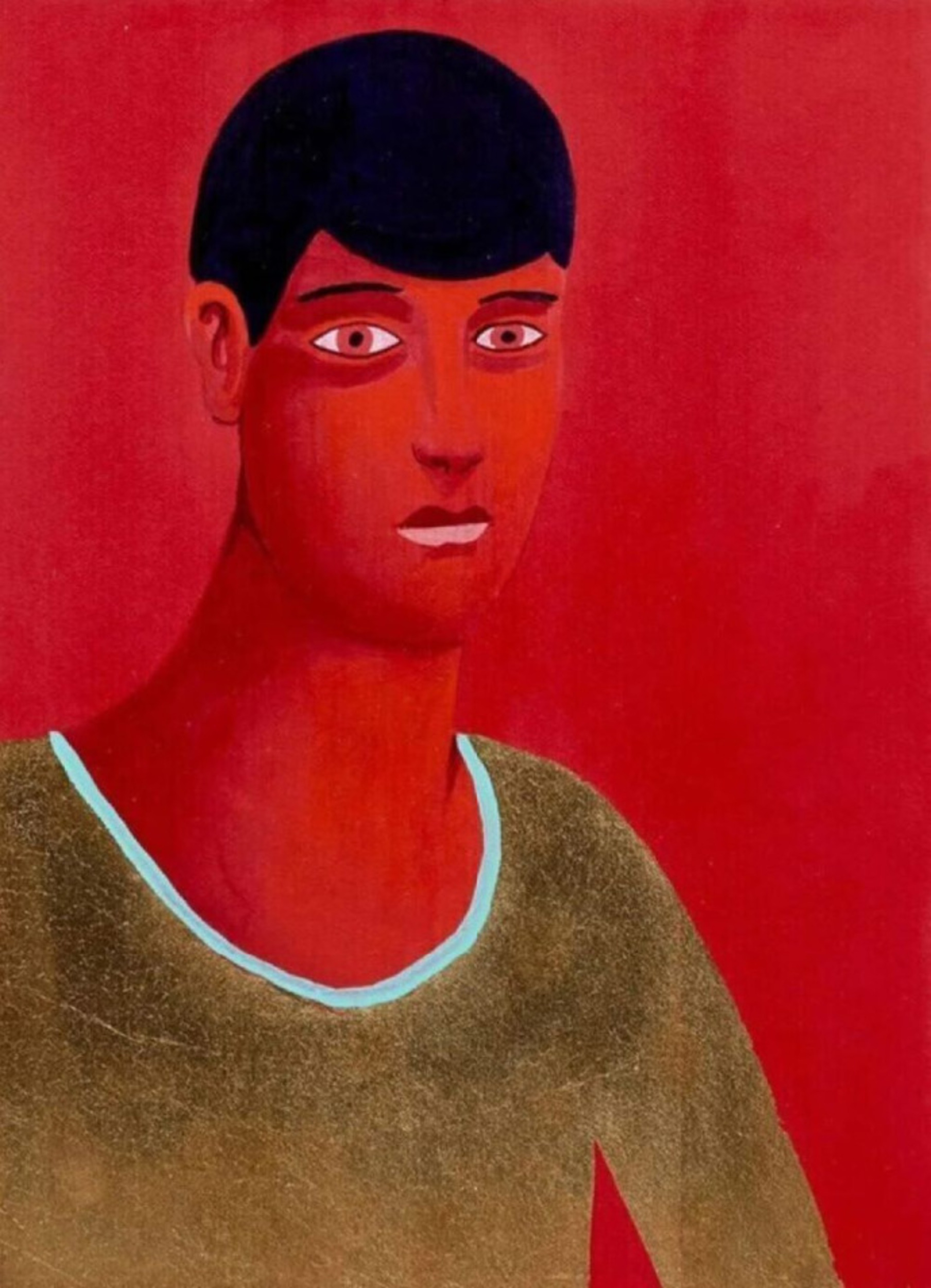
Nicolas Party
Untitled, Red Portrait, 2017
18.5 x 13 cm


