
What is site specific art?
- Show All
- Established
- Discoveries
- Show All
Artworks Related to Site Specific Art
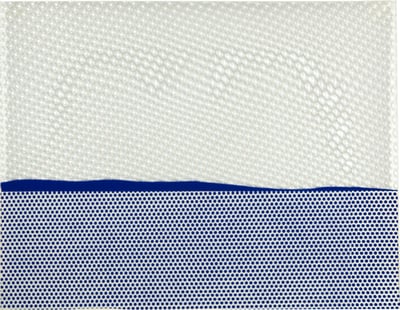
Roy Lichtenstein
Seascape No 1, 1964
Limited Edition Print
Screen-print
USD 42,000
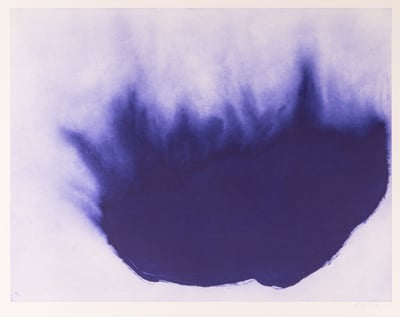
Anish Kapoor
Composition No 3, from 12 Etchings, 2007
Limited Edition Print
Etching
USD 15,000
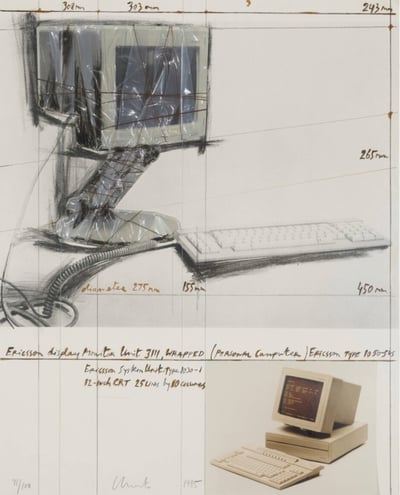
Javacheff Christo
Ericsson Display Monitor Unit 3111, Wrapped, Project for Personal Computer, 1985
Limited Edition Print
Lithograph
USD 12,000
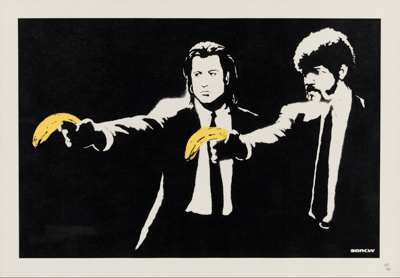
Banksy
Pulp Fiction, 2004
Limited Edition Print
Screen-print
Inquire For Price
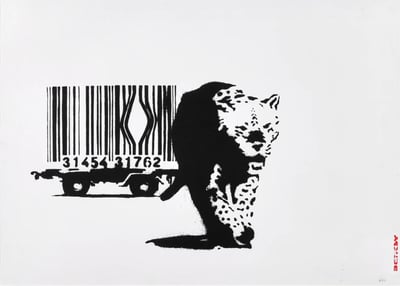
Banksy
Barcode (unsigned), 2004
Limited Edition Print
Screen-print
EUR 25,000 - 30,000
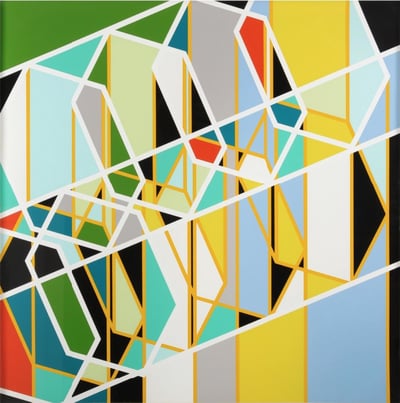
Sarah Morris
Robert Towne, 2006
Limited Edition Print
Mixed Media
EUR 2,400
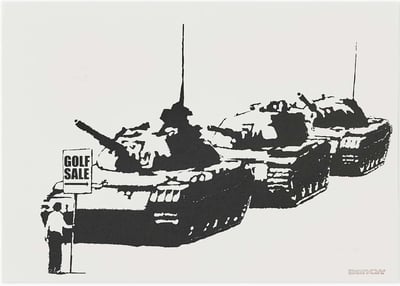
Banksy
Golf Sale (Unsigned), 2003
Limited Edition Print
Screen-print
GBP 14,300
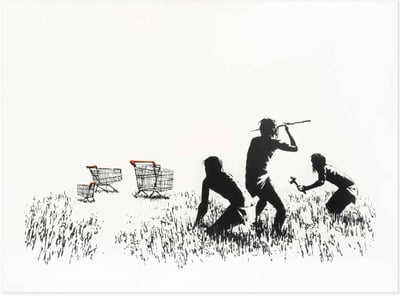
Banksy
Trolleys (Black & White Unsigned), 2007
Limited Edition Print
Screen-print
GBP 14,870
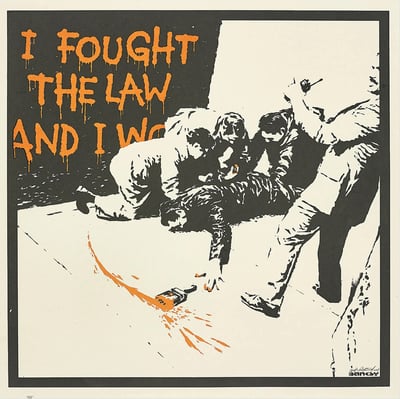
Banksy
I Fought The Law, 2004
Limited Edition Print
Screen-print
Inquire For Price
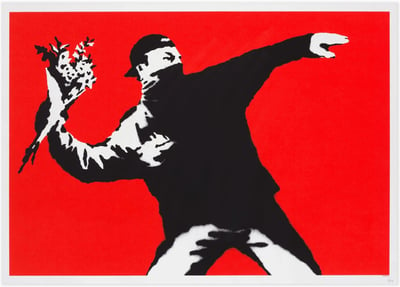
Banksy
Love Is In The Air (Unsigned), 2003
Limited Edition Print
Screen-print
Inquire For Price
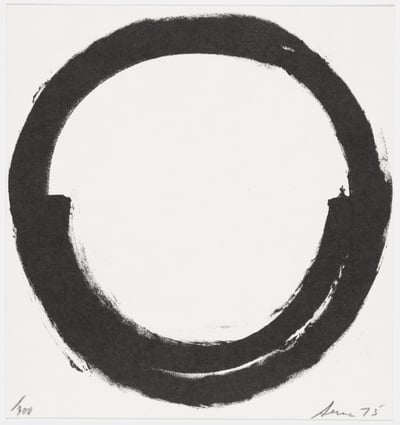
Richard Serra
Untitled from The New York Collection for Stockholm, 1973
Limited Edition Print
Lithograph
GBP 7,500 - 9,750
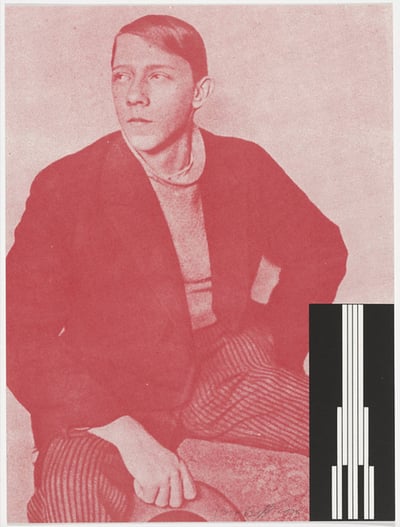
Dan Flavin
Untitled from The New York Collection for Stockholm, 1973
Limited Edition Print
Screen-print
GBP 2,340
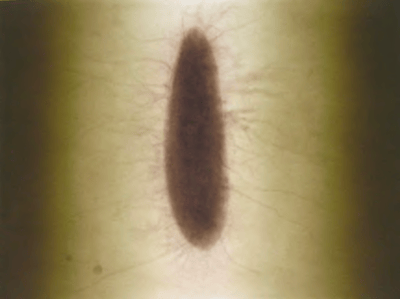
Anish Kapoor
Untitled 02, 2007
Limited Edition Print
Etching
EUR 9,000
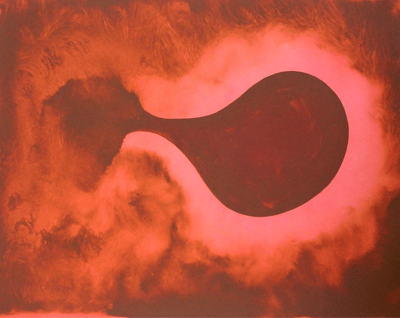
Anish Kapoor
Untitled 09, 2007
Limited Edition Print
Etching
EUR 9,000
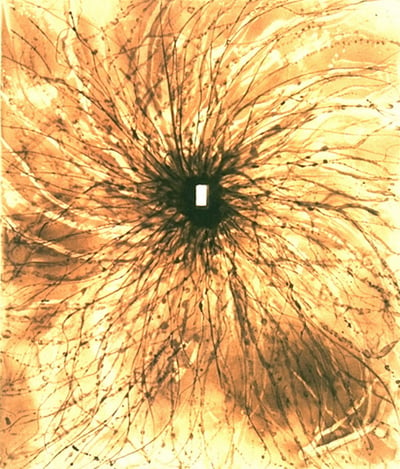
Anish Kapoor
Door, 1991
Limited Edition Print
Aquatint
EUR 9,000
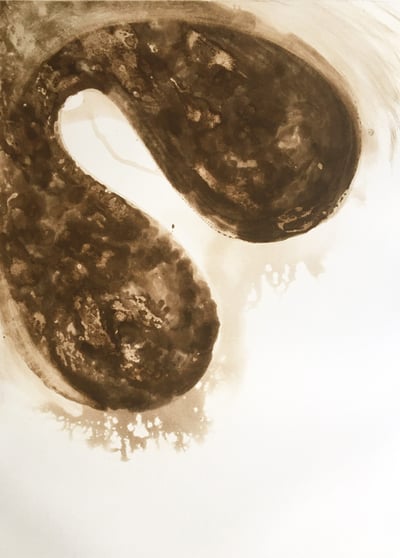
Anish Kapoor
Untitled (12), 1988
Limited Edition Print
Aquatint
EUR 11,500
Related Articles
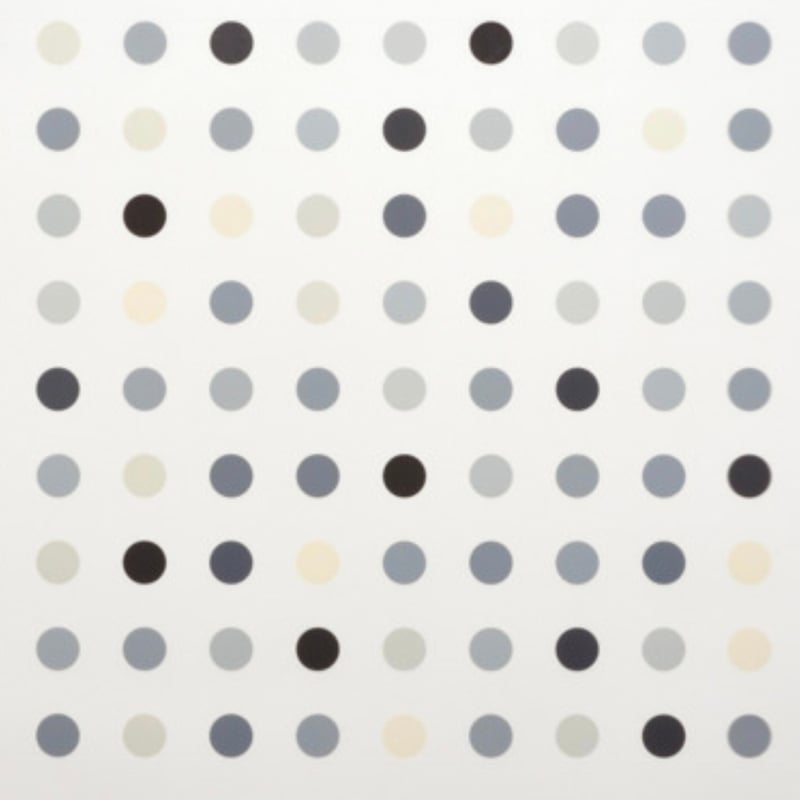
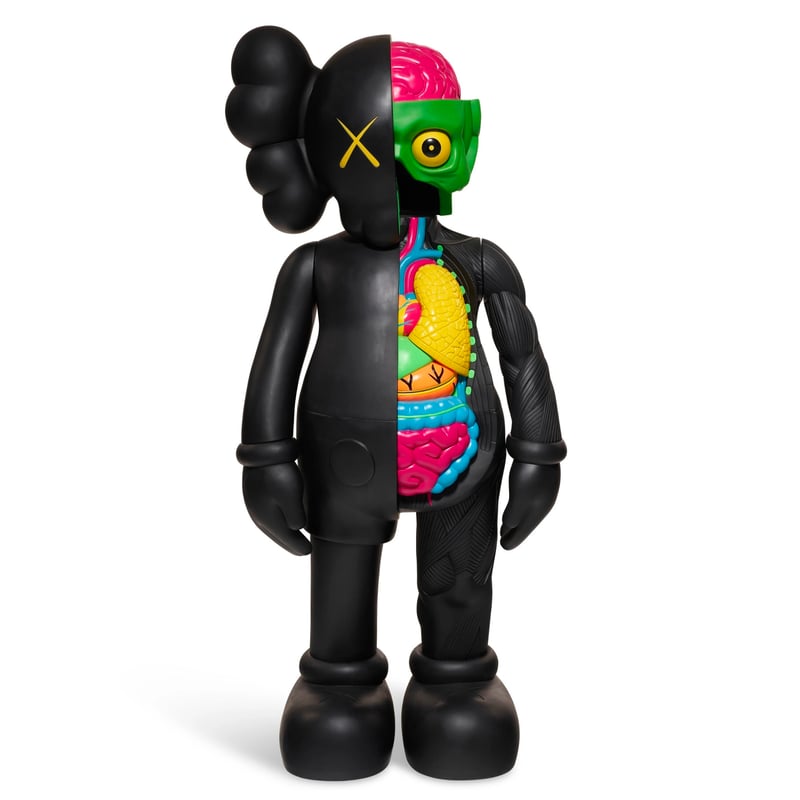
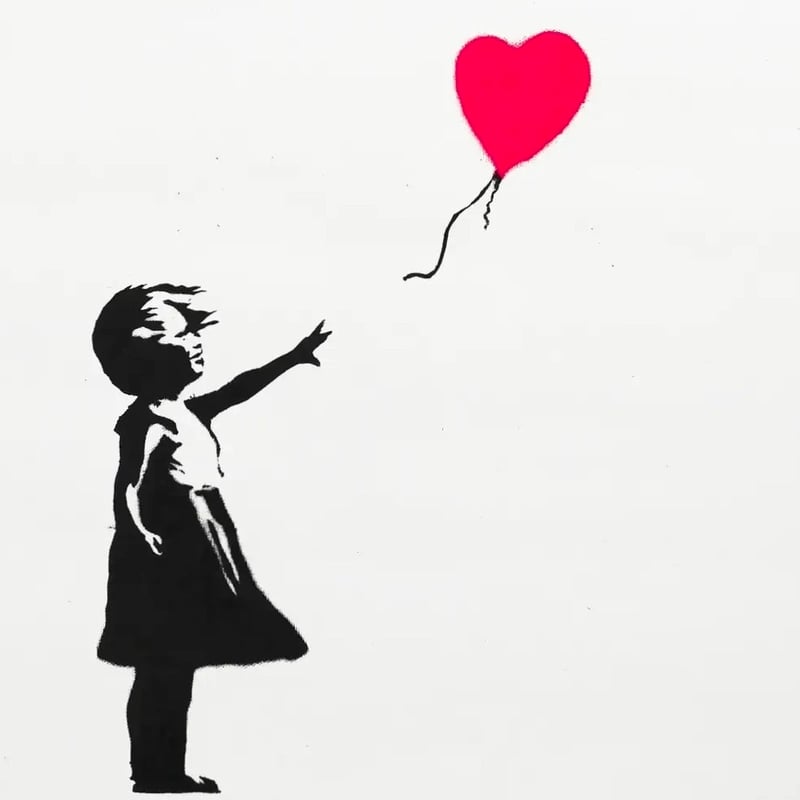

Acrylic sculpture refers to both a process and the resulting object. The artist begins by creating a sculpture from clay, plaster, or epoxy, which is then used to make a flexible mold. Melted acrylic is poured into the mold, and once it cures, the acrylic piece is hand-finished through sanding and polishing. Acrylic sculptures are valued for their clarity, durability, and ability to achieve intricate details.
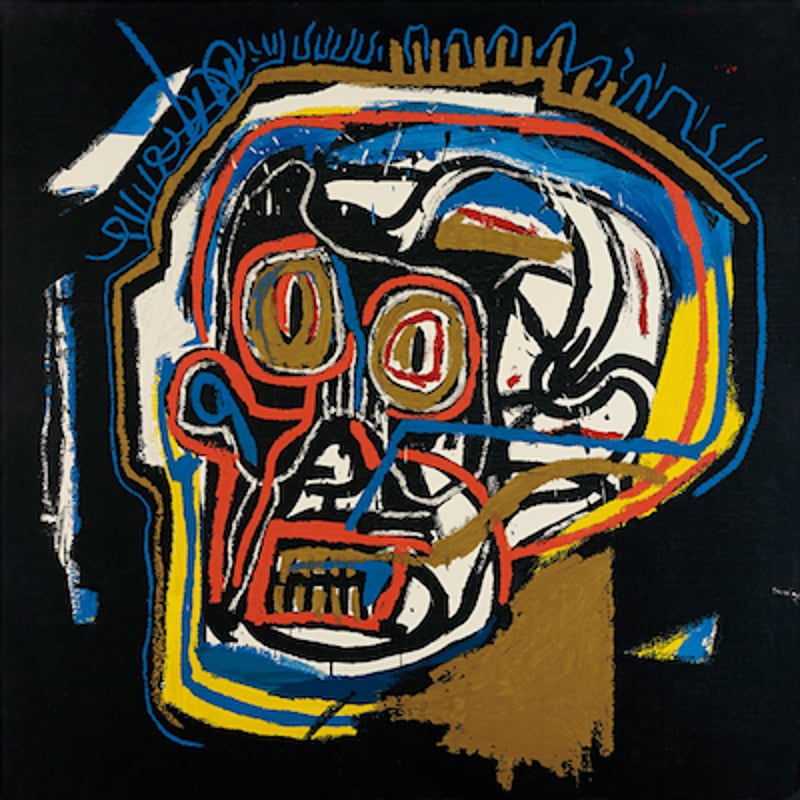
Street Art is artwork created and executed in public spaces, outside of traditional art venues. It gained popularity during the 1980s graffiti art boom and has since evolved into various forms and styles. Common forms of Street Art include pop-up art, sticker art, stencil graffiti, and street installations or sculptures. Terms like guerrilla art, neo-graffiti, post-graffiti, and urban art are often used interchangeably to describe this genre, which challenges conventional ideas about where and how art should be displayed.
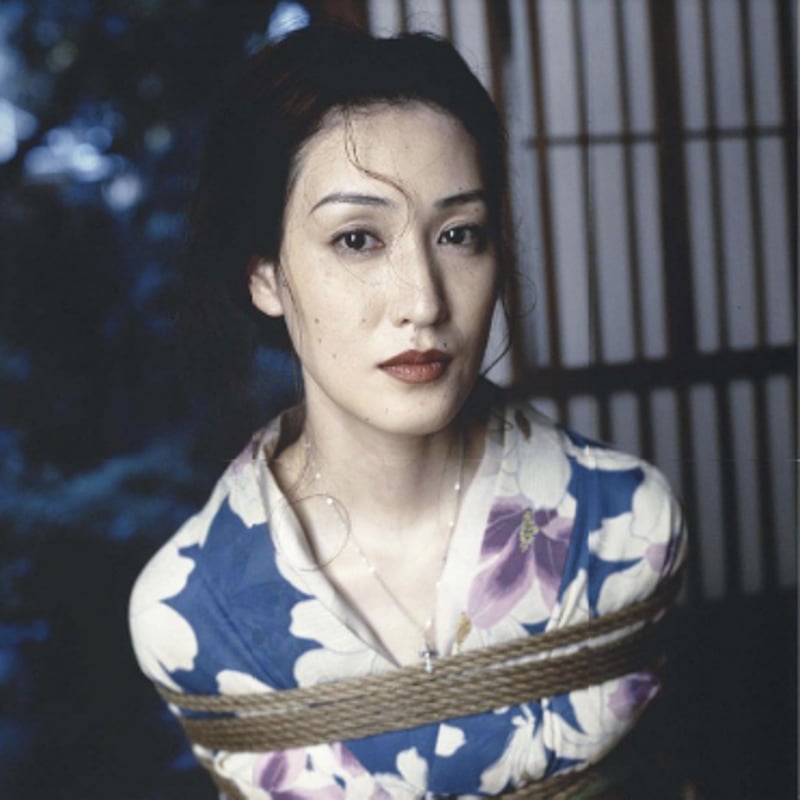
Shock Art is an art movement that uses disturbing images, scents, or sounds to provoke a strong, often shocked, reaction from viewers. It is often regarded as a form of social commentary, with critics and supporters debating whether its impact is positive or negative. Shock Art frequently employs taboo, obscene, or outrageous elements to challenge societal norms and provoke critical thought.
Can't find your Answer?
Thank you! Your question has been sent — we'll get back to you shortly.
