
What is site specific art?
- Show All
- Established
- Discoveries
- Show All
Artworks Related to Site Specific Art

Banksy
CND Soldiers (Unsigned), 2005
Limited Edition Print
Screen-print
GBP 14,000 - 18,200
Banksy
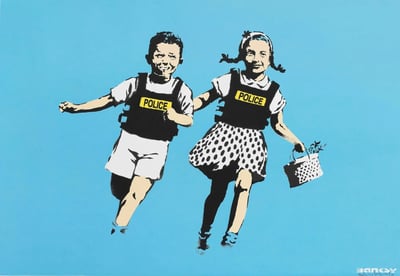
Jack & Jill, 2005
Limited Edition Print
Screen-print
GBP 33,000 - 40,000

Banksy
Toxic Mary, 2003
Limited Edition Print
Screen-print
GBP 34,000 - 42,000
Roy Lichtenstein
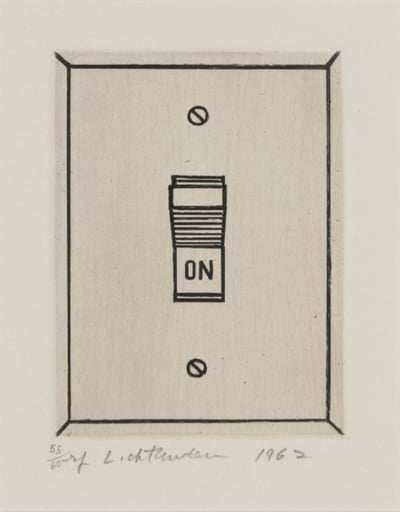
On, 1962/64
Limited Edition Print
Etching
USD 25,225
Roy Lichtenstein
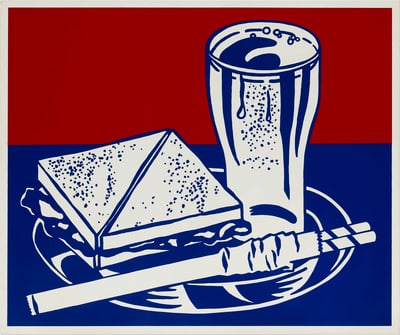
Sandwich and Soda, 1964
Limited Edition Print
Screen-print
USD 19,500

Jenny Holzer
The future is stupid, 2000
Sculpture / Object
Mixed Media
EUR 1,400
Roy Lichtenstein
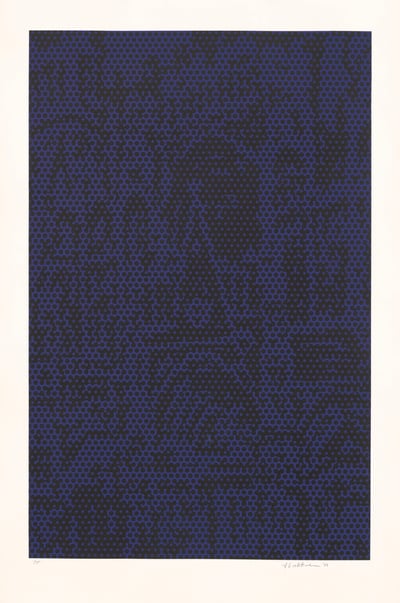
Cathedral #6, 1969
Limited Edition Print
Lithograph
USD 21,200

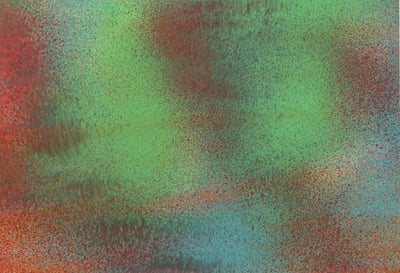
Katharina Grosse
Picture Park, 2007
Painting
Mixed Media
EUR 16,600
Katharina Grosse
Picture Park, 2007
Painting
Mixed Media
EUR 16,600
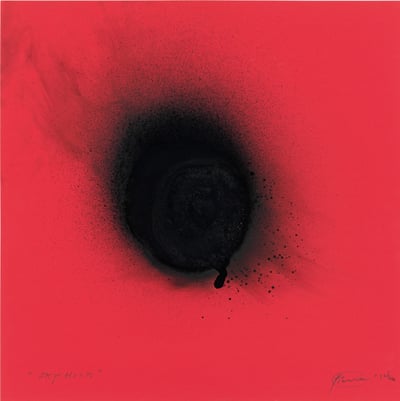
Otto Piene
Sky Hook, 2014
Painting
Gouache
Inquire For Price
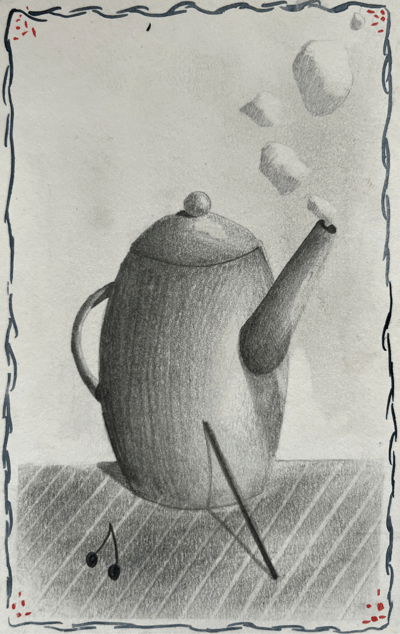
Nicolas Party
Untitled (Teapot), 2010
Drawing / Watercolor
Graphite
Inquire For Price

Javacheff Christo
Wrapped Monumento to Vittorio Emanuele, Piazza del Duomo, 1970
Limited Edition Print
Photograph
EUR 2,400
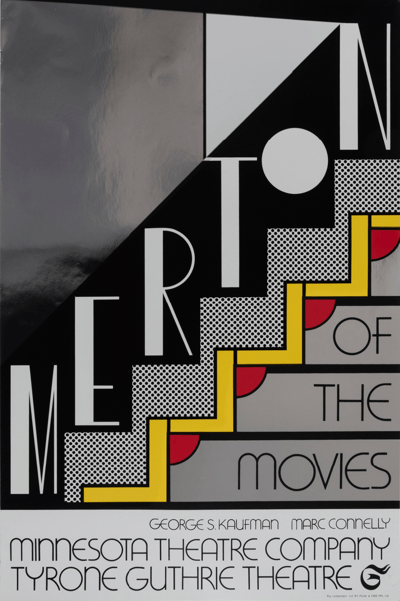
Roy Lichtenstein
Merton at the Movies, 1968
Limited Edition Print
Silkscreen
EUR 6,500

Roy Lichtenstein
Mao, 1971
Limited Edition Print
Lithograph
Artwork On Hold
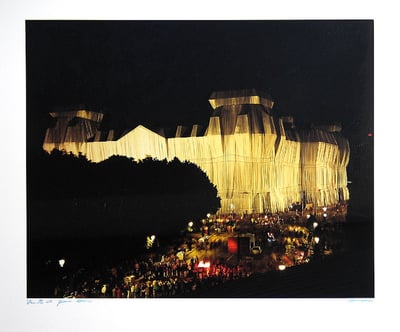
Javacheff Christo
Reichstag/Berlin Nacht, Wrapped, 1995
Limited Edition Print
Photograph
EUR 10,000

Javacheff Christo
The Pont Neuf Wrapped Reflecting Bridge PN-150, 1985
Limited Edition Print
Photograph
EUR 14,000
Related Articles




A Lambda print is produced using a Lambda laser printer, a technology developed by the Durst company. The Durst Lambda was one of the first printers to use digital laser technology to create archival-quality prints. This process, also known as a Lambda c-type print, involves exposing photographic paper to laser light, resulting in high-quality, long-lasting images.

Appropriation in art involves using pre-existing images or objects with little or no modification. This technique has played a significant role across various art forms, including visual arts, music, performance, and literature. In visual arts, appropriation refers to the practice of adopting, sampling, recycling, or borrowing elements—or even entire forms—of existing visual culture, integrating them into new works to create meaning or critique.

Chalk is a natural mineral, primarily composed of calcium carbonate. In art, chalk refers to sticks used for drawing, made from a mixture of chalk, colored pigments, and gum Arabic. These sticks are usually shaped into four flat sides for easier handling.
Can't find your Answer?
Thank you! Your question has been sent — we'll get back to you shortly.
