
What is Performance Art?
- Show All
- Established
- Discoveries
- Show All
Artworks Related to Performance art
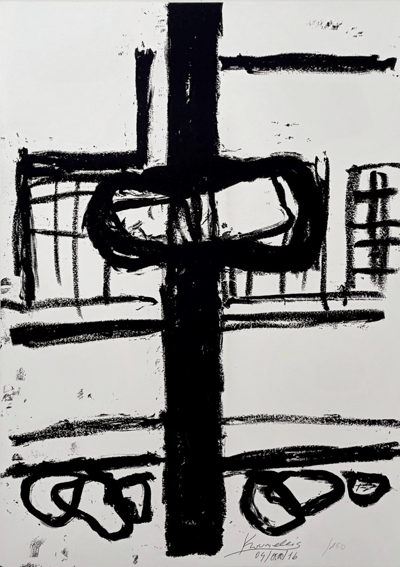
Jannis Kounellis
Opera in ricordo di Mauro Rostagno, 2000
Limited Edition Print
Screen-print
EUR 850

Robert Indiana
First Love, 1991
Limited Edition Print
Aquatint
USD 3,575

Robert Longo
Joseph (from the Men in the Cities series), 2000
Limited Edition Print
Lithograph
Currently Not Available

Robert Longo
James, 1999
Limited Edition Print
Lithograph
USD 55,000 - 60,000
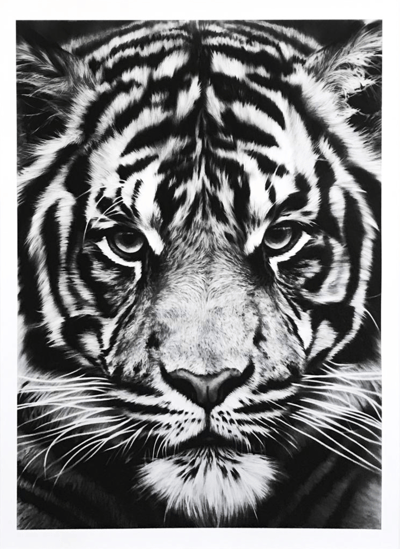
Robert Longo
Untitled (Tiger), 2012
Limited Edition Print
Pigment print
USD 45,000 - 50,000
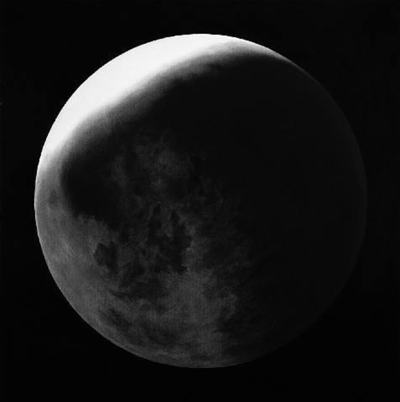
Robert Longo
Untitled (Moon in Shadow), 2006
Limited Edition Print
Pigment print
USD 6,000
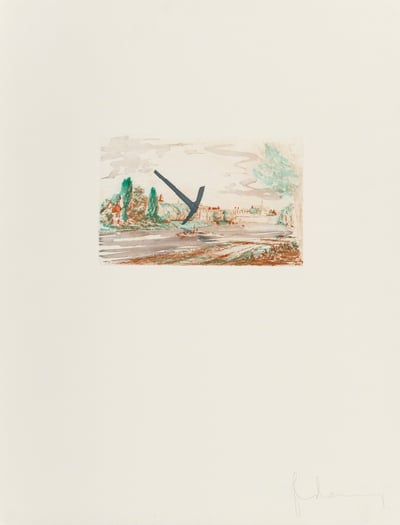
Claes Oldenburg
Pick-Axe Superimposed on a Drawing of Site by EL Grimm, 1982
Limited Edition Print
Etching
Currently Not Available
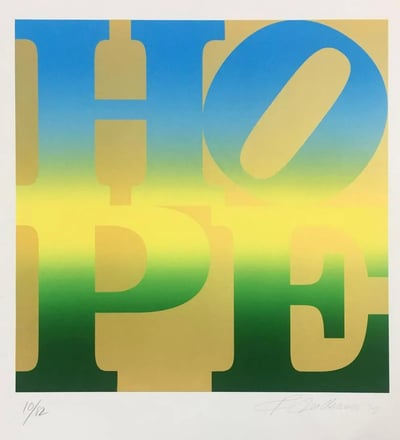
Robert Indiana
Summer (Four Seasons of Hope), 2012
Limited Edition Print
Screen-print
USD 5,200

Michelangelo Pistoletto
Amare, 2006
Limited Edition Print
Mixed Media
Currently Not Available

Robert Rauschenberg
Untitled (Native American with Truck), 2000
Limited Edition Print
Pigment print
EUR 2,850
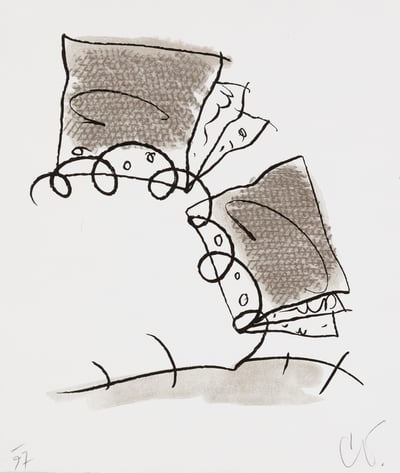
Claes Oldenburg
Notebook Torn in Half , 1997
Limited Edition Print
Lithograph
USD 1,100

Claes Oldenburg
Sketch for a Sculpture in the Form of a Dress Collar and Tie, with Stud, 1994
Limited Edition Print
Lithograph
Inquire For Price

Claes Oldenburg
Broken Button (Split Button), 1981
Sculpture / Object
Mixed Media
Currently Not Available

Claes Oldenburg
The Soap at Baton Rouge, 1990
Sculpture / Object
Mixed Media
Inquire For Price
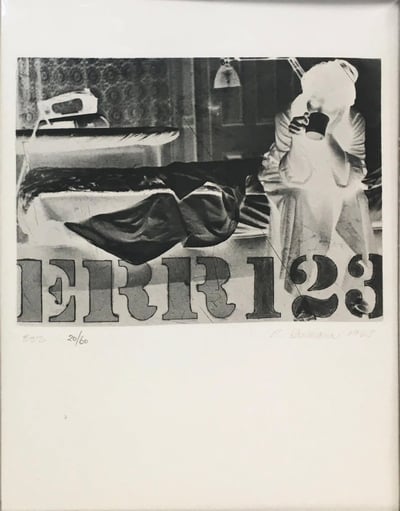
Robert Indiana
Err123, 1962
Limited Edition Print
Photogravure
Inquire For Price

Red Grooms
Gertrude Stein, 1975
Sculpture / Object
Mixed Media
Currently Not Available
Related Articles
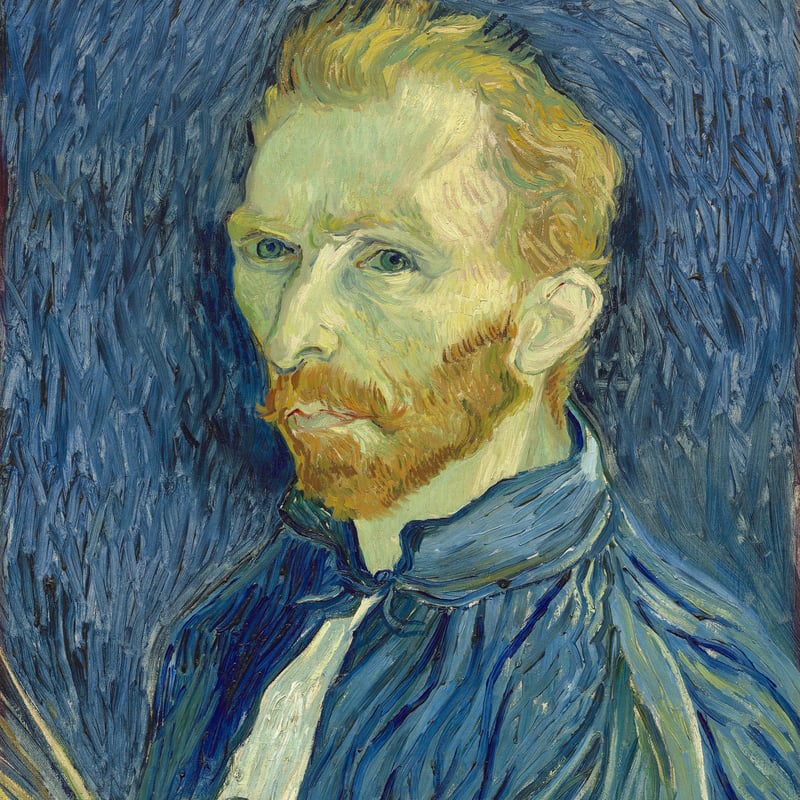
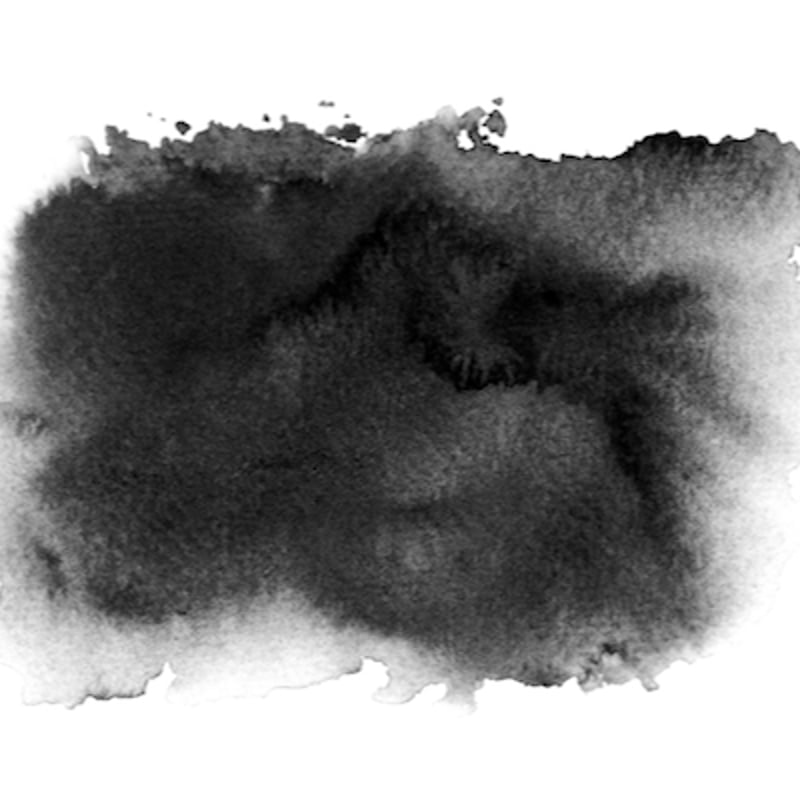
Ink is a colored liquid or paste used for writing, drawing, painting, and printing. The term also refers to the process of applying ink to mark, cover, stain, draw, or trace over pencil lines. Ink can be applied using various tools, such as pens, brushes, and quills.
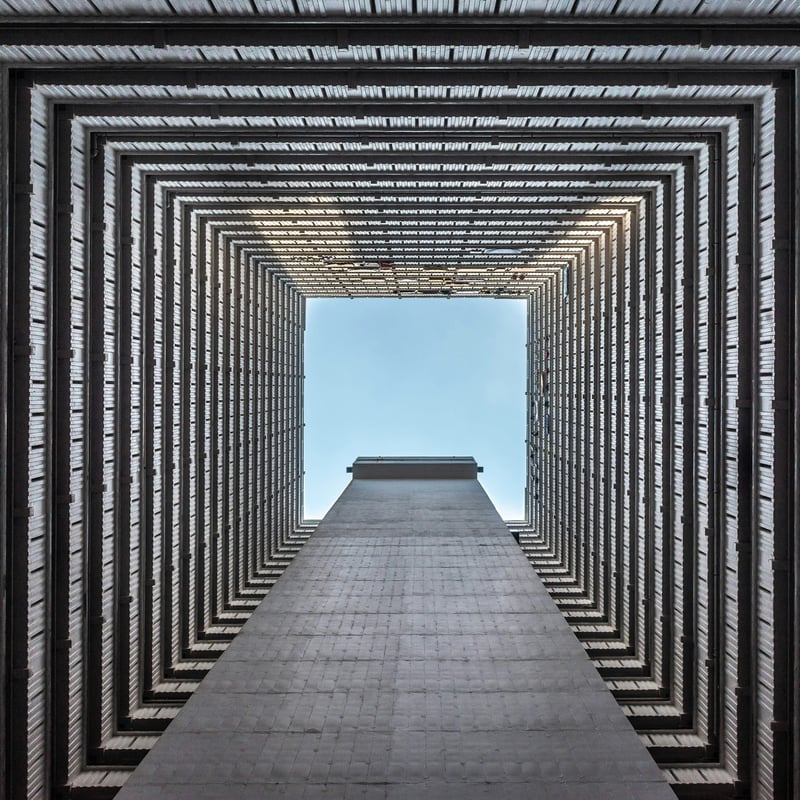
Perspective refers to the techniques artists use to represent three-dimensional objects on a two-dimensional surface. These techniques create the illusion of depth and space, making objects appear as they do in the real world, despite the limitations of a flat surface. Common types of perspective include linear and atmospheric perspective.
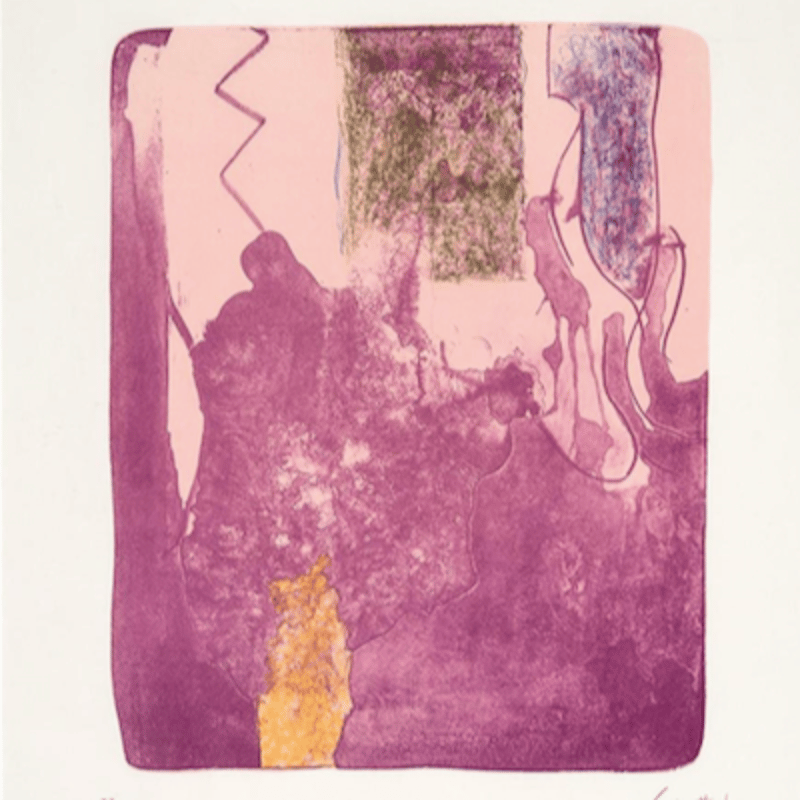
Lyrical abstraction is a descriptive term characterizing a type of abstract painting closely related to Abstract Expressionism, in use from the 1940s to the present. The term can also describe two distinct but related trends in post-World War II modernist painting. This art movement originated in Paris, France, after the war, emphasizing personal expression, spontaneity, and the emotional use of color and form.
Can't find your Answer?
Thank you! Your question has been sent — we'll get back to you shortly.
