
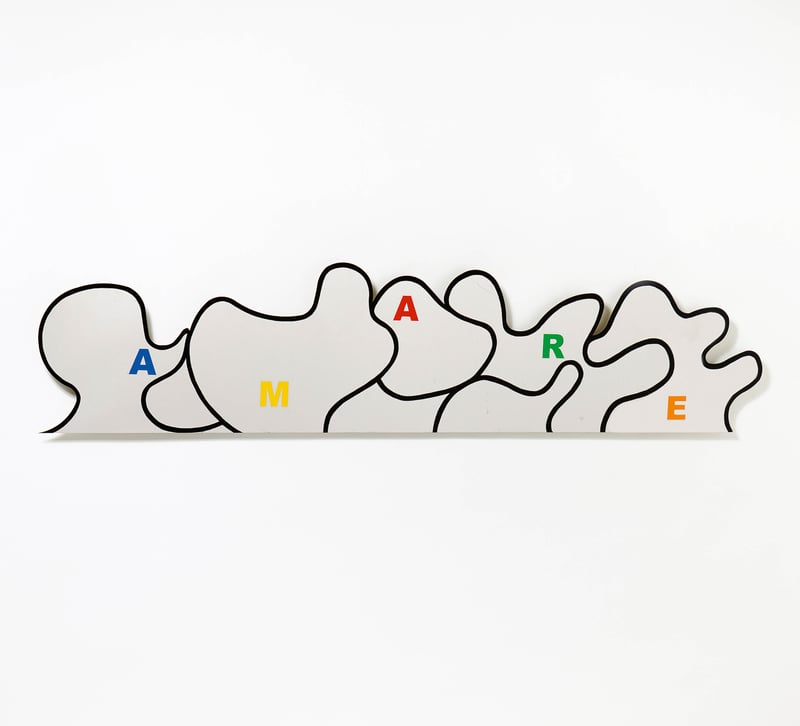
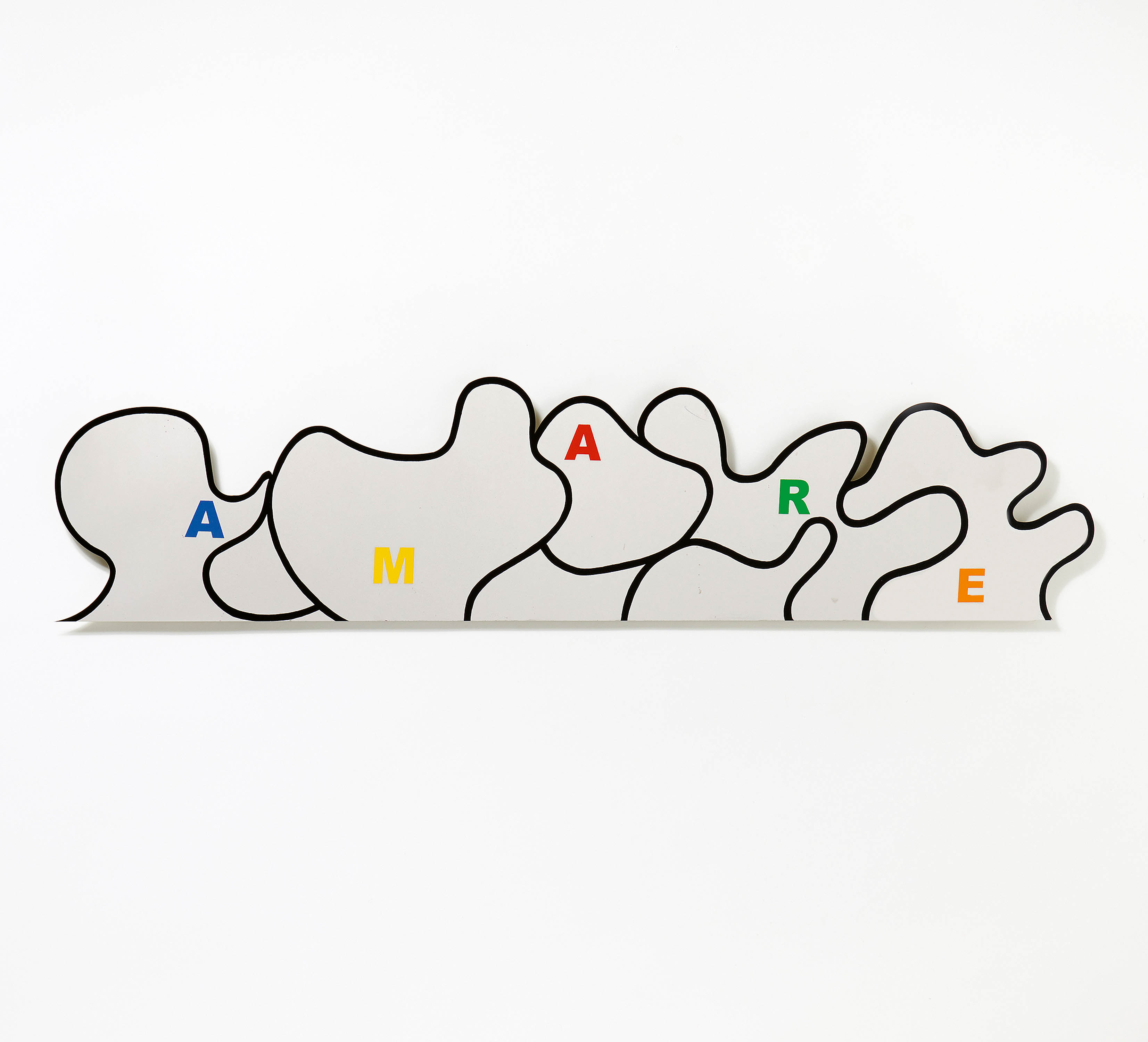
Michelangelo Pistoletto – Amare, 2006 – Mixed Media
Screen printing on mirror polished steel - Signed and numbered on the back - Printer Arte 3, Milano - Mounted suspension device. In original pcaket
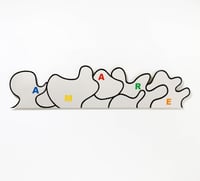
Michelangelo Pistoletto's Amare (2006) is a screen print on mirror-polished steel, showcasing the artist’s signature use of reflective surfaces to engage viewers directly. The piece, measuring 25 x 113 cm, features abstract, curvilinear shapes outlined in black. Within these fluid forms, the word AMARE is spelled out using primary colors (blue, yellow, red, green, and orange) on different segments, highlighting the theme of love. The mirrored surface invites the viewer to become a part of the artwork, integrating their reflection with the concept of love and self-awareness. Pistoletto’s work often explores the interaction between art, space, and the observer.
Artwork Copyright © Michelangelo Pistoletto
Michelangelo Pistoletto (Italy, 1933) is a key figure in Arte Povera and conceptual art. Renowned for his 'Mirror Paintings,' which incorporate reflective surfaces to engage viewers directly, he explores themes of identity, society, and time. Pistoletto's works, including the 'Third Paradise' project, have influenced generations of contemporary artists worldwide.
Artwork Copyright © Michelangelo Pistoletto

Amare, 2006

Form

Medium

Edition

Price

Available works →
  • Authenticity Guaranteed
  • Insured Shipping
  • Online Since 2005
Inventory 12270
Signed
Comes with gallery invoice and certificate
Sell Us a Similar Artwork. Learn more.
Screen printing on mirror polished steel - Signed and numbered on the back - Printer Arte 3, Milano - Mounted suspension device. In original pcaket
Michelangelo Pistoletto's Amare (2006) is a screen print on mirror-polished steel, showcasing the artist’s signature use of reflective surfaces to engage viewers directly. The piece, measuring 25 x 113 cm, features abstract, curvilinear shapes outlined in black. Within these fluid forms, the word AMARE is spelled out using primary colors (blue, yellow, red, green, and orange) on different segments, highlighting the theme of love. The mirrored surface invites the viewer to become a part of the artwork, integrating their reflection with the concept of love and self-awareness. Pistoletto’s work often explores the interaction between art, space, and the observer.
Artwork Copyright © Michelangelo Pistoletto
Michelangelo Pistoletto (Italy, 1933) is a key figure in Arte Povera and conceptual art. Renowned for his 'Mirror Paintings,' which incorporate reflective surfaces to engage viewers directly, he explores themes of identity, society, and time. Pistoletto's works, including the 'Third Paradise' project, have influenced generations of contemporary artists worldwide.
Artwork Copyright © Michelangelo Pistoletto
SORT BY
  • Recently Added
  • Price (Low-High)
  • Price (High-Low)
  • Year (Low-High)
  • Year (High-Low)
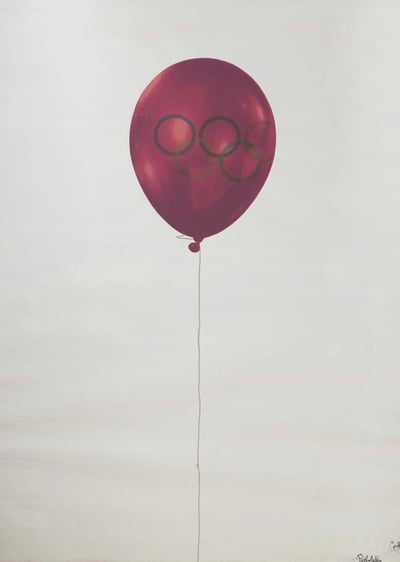
Michelangelo Pistoletto – Balloon, 1983 – Silkscreen

Michelangelo Pistoletto

Balloon, 1983

Limited Edition Print

Silkscreen

Inquire For Price

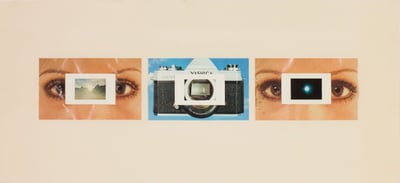
Michelangelo Pistoletto – Alter Ego, 1984 – Screen-print

Michelangelo Pistoletto

Alter Ego, 1984

Limited Edition Print

Screen-print

EUR 1,050
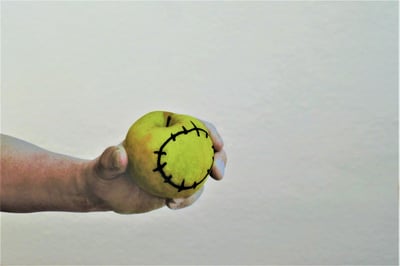
Michelangelo Pistoletto – La mela reintegrata, 2014 – Screen-print

Michelangelo Pistoletto

La mela reintegrata, 2014

Limited Edition Print

Screen-print

EUR 4,850

Michelangelo Pistoletto – Amare, 2006 – Mixed Media

Michelangelo Pistoletto

Amare, 2006

Limited Edition Print

Mixed Media

Currently Not Available

Stay Updated on Michelangelo Pistoletto

Subscribe to receive updates on new artworks, exhibitions and news about Michelangelo Pistoletto.

We respect your privacy and protect your information.
What is late modernism?

What is late modernism?

Late Modernism refers to the continuation and evolution of Modernist principles in art, architecture, and literature from the mid-20th century into the late 20th century. This movement maintains a focus on form, abstraction, and the rejection of traditional styles, but it often incorporates more complexity and ambiguity compared to early Modernism. Late Modernism explores themes such as alienation, identity, and the fragmentation of reality, reflecting the social and cultural shifts of the post-war period. It is seen in the works of architects like Louis Kahn and artists like Francis Bacon, who pushed the boundaries of Modernism while responding to the changing world around them.

Est. 2005 — twenty years of collecting, online.