What is Lettrism?
- Show All
- Established
- Discoveries
- Show All
Artworks Related to Lettrism

Jasper Johns
Periscope, 1981
Limited Edition Print
Etching and Aquatint
USD 25,000 - 30,000
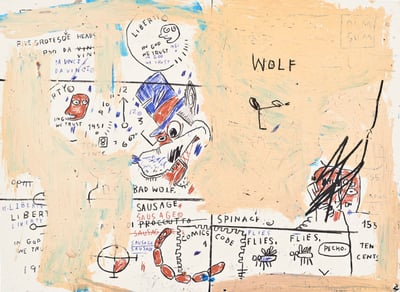
Jean-Michel Basquiat
Wolf Sausage, 1982-83/2019
Limited Edition Print
Screen-print
Inquire For Price

Robert Indiana
First Love, 1991
Limited Edition Print
Aquatint
USD 3,575
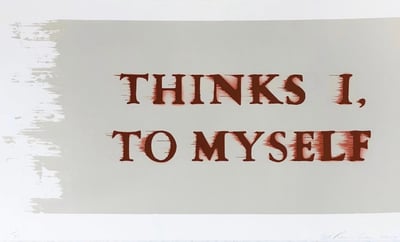
Ed Ruscha
Thinks I, To Myself, 2016
Limited Edition Print
Lithograph
USD 17,900
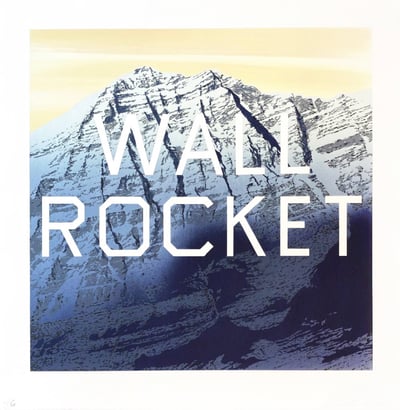
Ed Ruscha
Wall Rocket, 2013
Limited Edition Print
Lithograph
USD 70,000 - 80,000
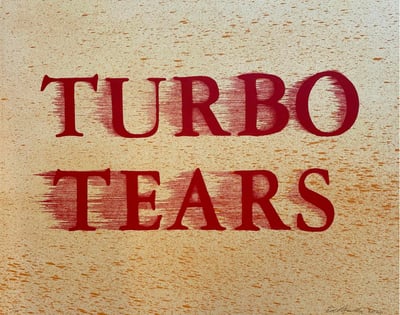
Ed Ruscha
Turbo Tears, 2020
Limited Edition Print
Lithograph
USD 23,000 - 25,000
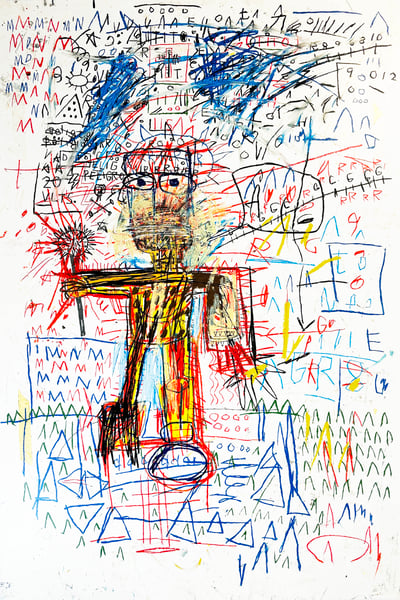
Jean-Michel Basquiat
Untitled IV from The Figures Portfolio, 1982/2023
Limited Edition Print
Screen-print
USD 50,000 - 60,000
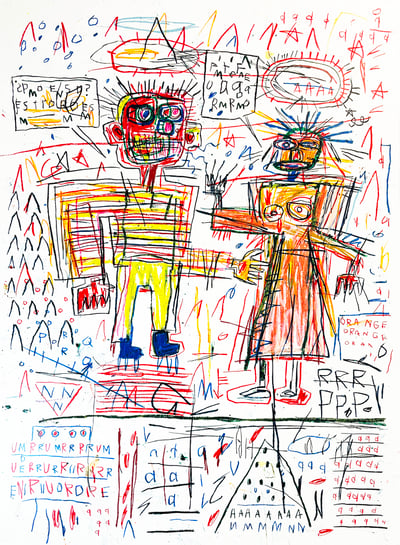
Jean-Michel Basquiat
Untitled III from The Figures Portfolio, 1982/2023
Limited Edition Print
Screen-print
USD 50,000 - 60,000

David Shrigley
Vote (set of 8), 2022
Limited Edition Print
Silkscreen
EUR 10,000 - 15,000

David Shrigley
I Am The Moth, You Are The Flame, 2022
Limited Edition Print
Linocut
GBP 1,500
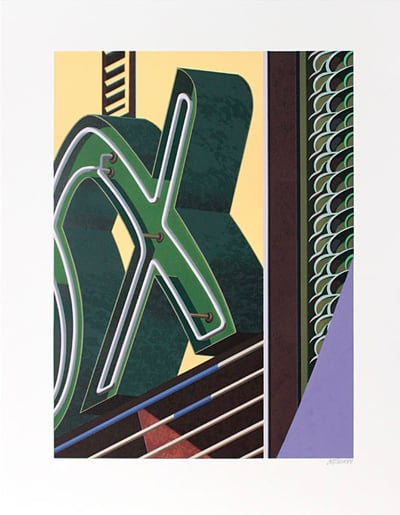
Robert Cottingham
The Letter X, 2001
Limited Edition Print
Lithograph
USD 1,100
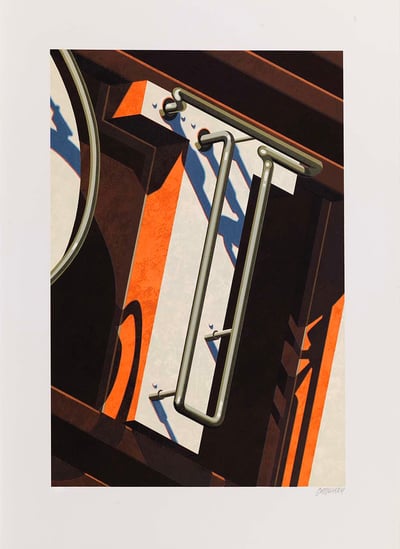
Robert Cottingham
The Letter T, 2001
Limited Edition Print
Lithograph
USD 1,100

Robert Cottingham
The Letter M, 2001
Limited Edition Print
Lithograph
USD 1,100
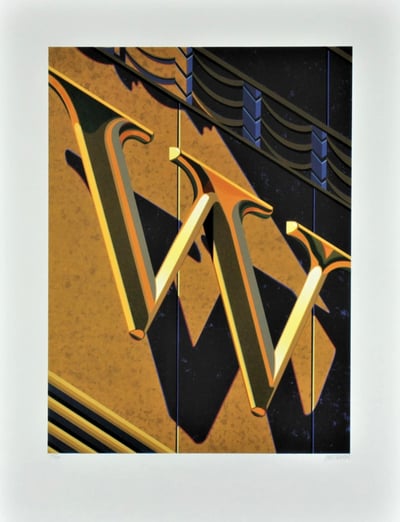
Robert Cottingham
The Letter W, 2001
Limited Edition Print
Lithograph
USD 1,100
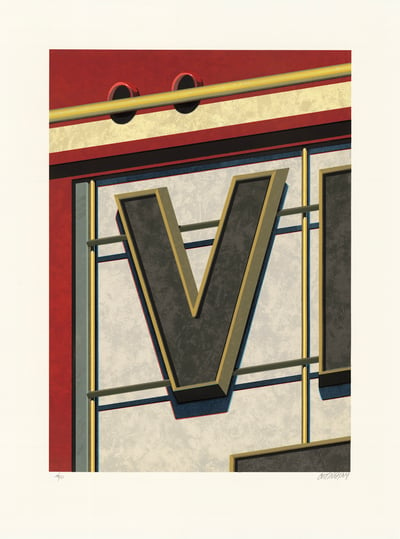
Robert Cottingham
The Letter V, 2001
Limited Edition Print
Lithograph
USD 1,100

Roy Lichtenstein
Shipboard Girl, 1965
Limited Edition Print
Offset Print
Currently Not Available
Related Articles
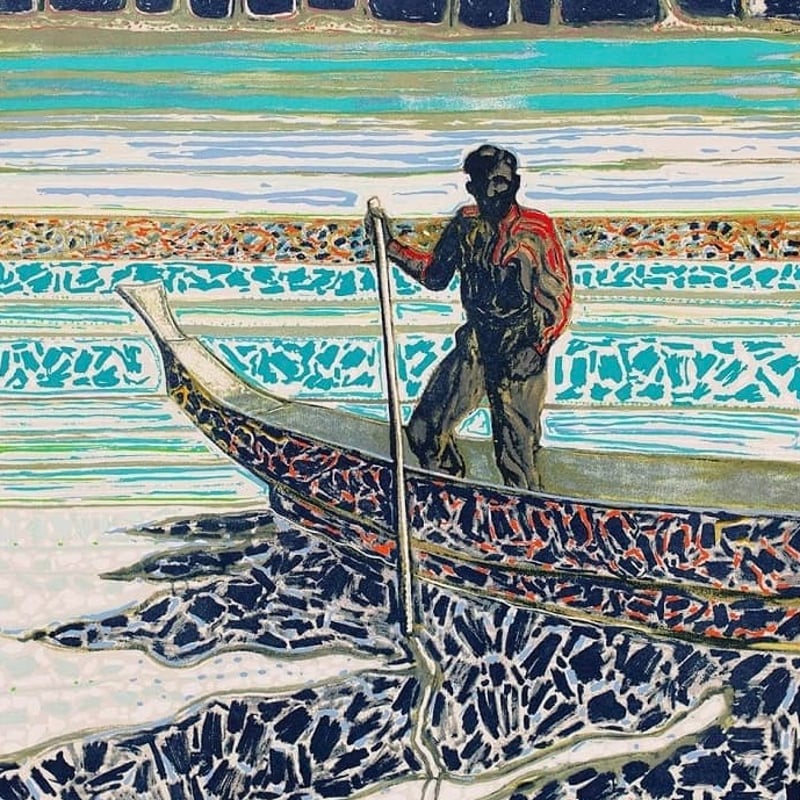
Stuckism is an art movement that promotes figurative painting over conceptual art. It was founded in 1999 by Charles Thomson and Billy Childish with an initial group of 13 artists in Britain. The movement has since expanded to 52 countries with 233 groups worldwide. Several manifestos, issued by Thomson and Childish, advocate for the spirit of modernism and the creation of spiritual art, regardless of medium, subject matter, or style. Stuckism emphasizes the importance of genuine expression and rejects the dominance of conceptual art in the contemporary art scene.

An artist proof traditionally refers to a print impression taken during the printing process to evaluate the current state of the artwork as the artist works on the plate. These proofs often show incomplete images and are sometimes called trial impressions or working proofs. However, in modern practice, an artist proof typically refers to an impression of the finished work that is identical to the numbered edition copies but is set aside for the artist's personal use. Artist proofs are usually marked A.P. and may be considered more valuable by collectors due to their limited availability.
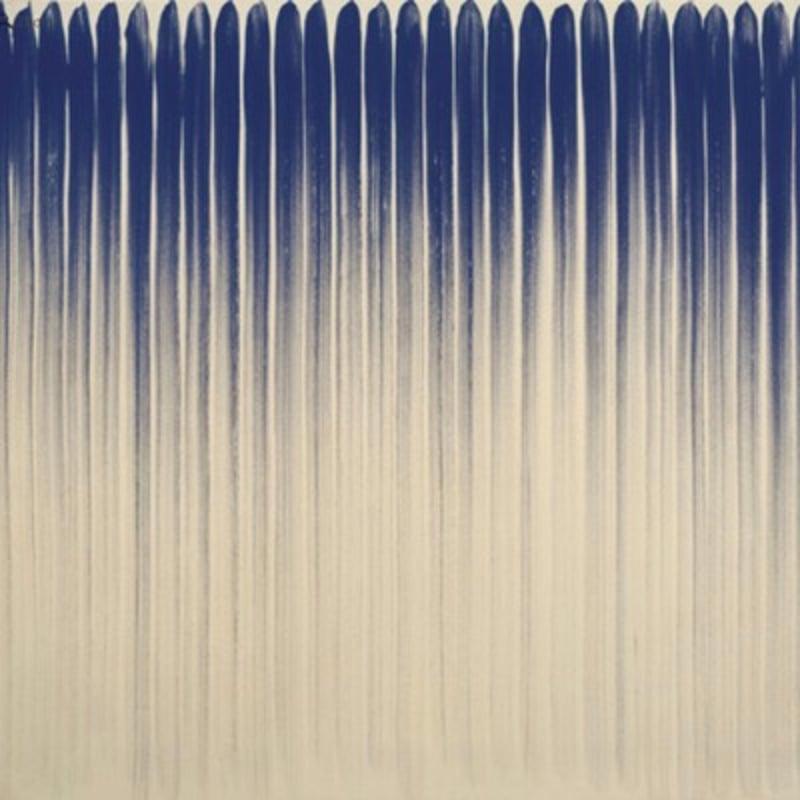
Meaning School of Things, Mono-ha originated in Tokyo in the mid-1960s. Instead of creating traditional artwork, the artists of Mono-ha used different materials and their natural properties to express dismay at the industrialization taking place in Japan at the time. The movement gained international attention and is now a widely respected form of art, known for its emphasis on the relationship between materials and their environment.
Can't find your Answer?
Thank you! Your question has been sent — we'll get back to you shortly.
