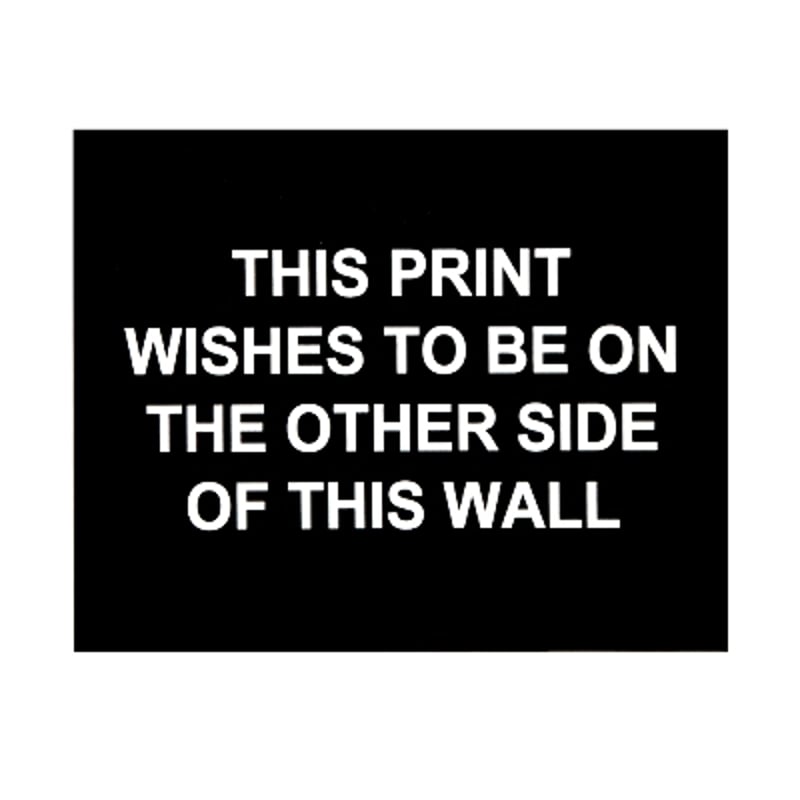
What is Lettrism?
- Show All
- Established
- Discoveries
- Show All
Artworks Related to Lettrism
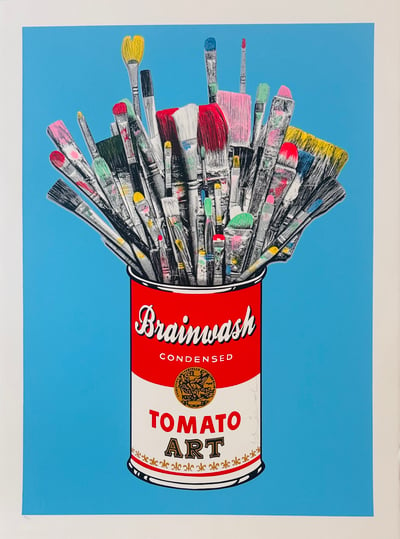
Mr. Brainwash
Tomato Pop (Blue), 2023
Limited Edition Print
Screen-print
EUR 3,500
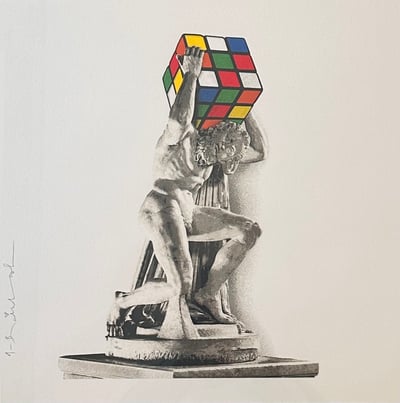
Mr. Brainwash
Rubik's Atlas, 2021
Limited Edition Print
Screen-print
EUR 1,800
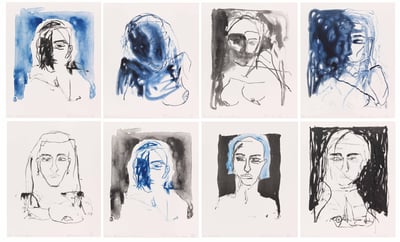
Tracey Emin
These Feelings Were True (Set of 8), 2020
Limited Edition Print
Lithograph
EUR 80,000 - 90,000
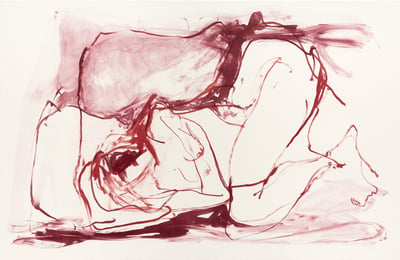
Tracey Emin
A Deeper Place, 2025
Limited Edition Print
Lithograph
USD 17,750
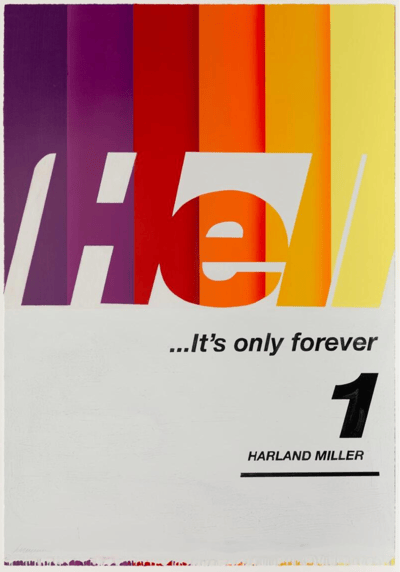
Harland Miller
Hell... It's Only Forever 1 (Large), 2020
Limited Edition Print
Woodcut
USD 25,000 - 35,000
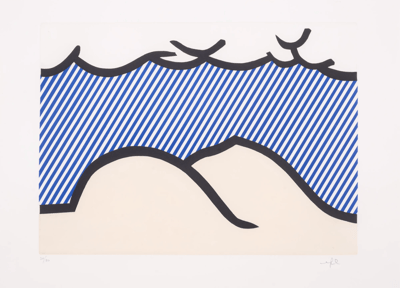
Roy Lichtenstein
Illustration for 'De Denver au Montana, Depart 27 Mai 1972' (I), 1992
Limited Edition Print
Etching and Aquatint
USD 12,500
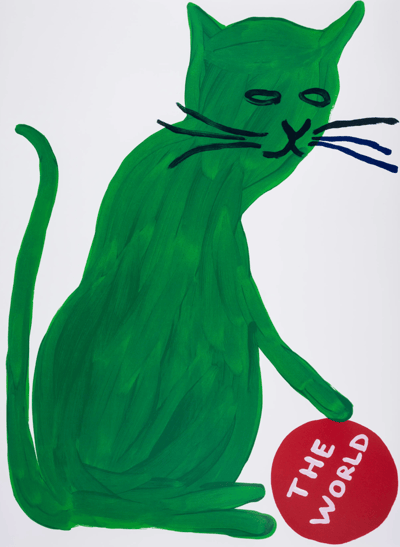
David Shrigley
The World, 2019
Limited Edition Print
Lithograph
USD 3,450

Yoshitomo Nara
Y.N. (Self-Portrait), 2002
Limited Edition Print
Intaglio
Inquire For Price
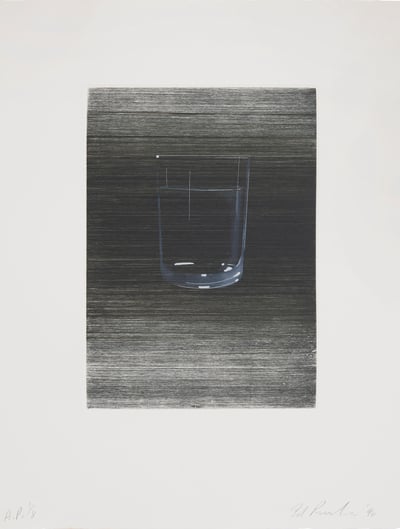
Ed Ruscha
Sunliner #7, from Sunliners, 1995
Limited Edition Print
Etching and Aquatint
USD 4,690
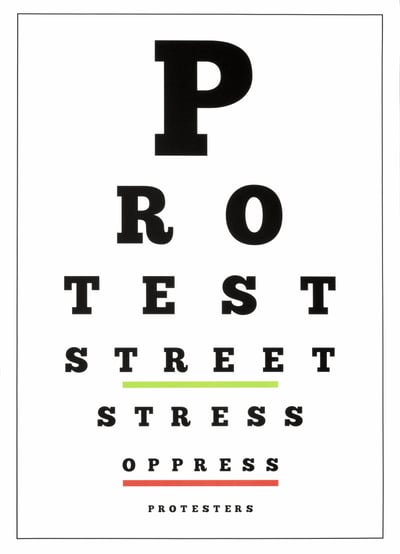
Ivan Navarro
Carta visual (Protest), 2019
Limited Edition Print
Lithograph
EUR 2,000

Roy Lichtenstein
Composition II, 1996
Limited Edition Print
Screen-print
USD 80,000 - 90,000

Ed Ruscha
Sin - Without, 2002
Limited Edition Print
Lithograph
USD 50,000 - 60,000

Richard Prince
18 & Stormy, 2018
Limited Edition Print
Offset Print
Inquire For Price
Jack Pierson
Private Listing
Drawing / Watercolor
Roy Lichtenstein
Private Listing
Limited Edition Print
Roy Lichtenstein
Private Listing
Limited Edition Print
Related Articles

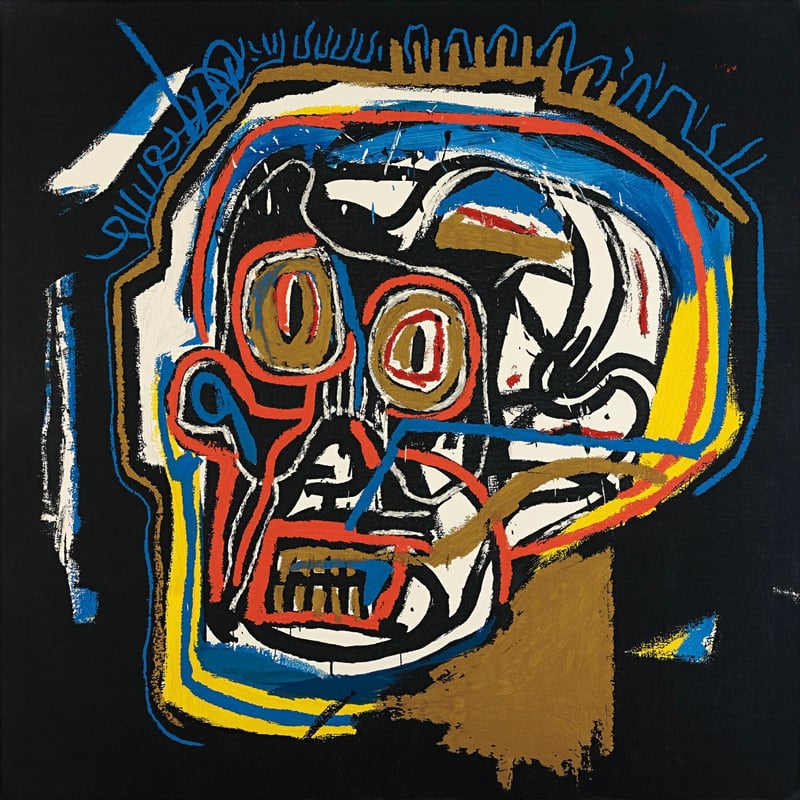
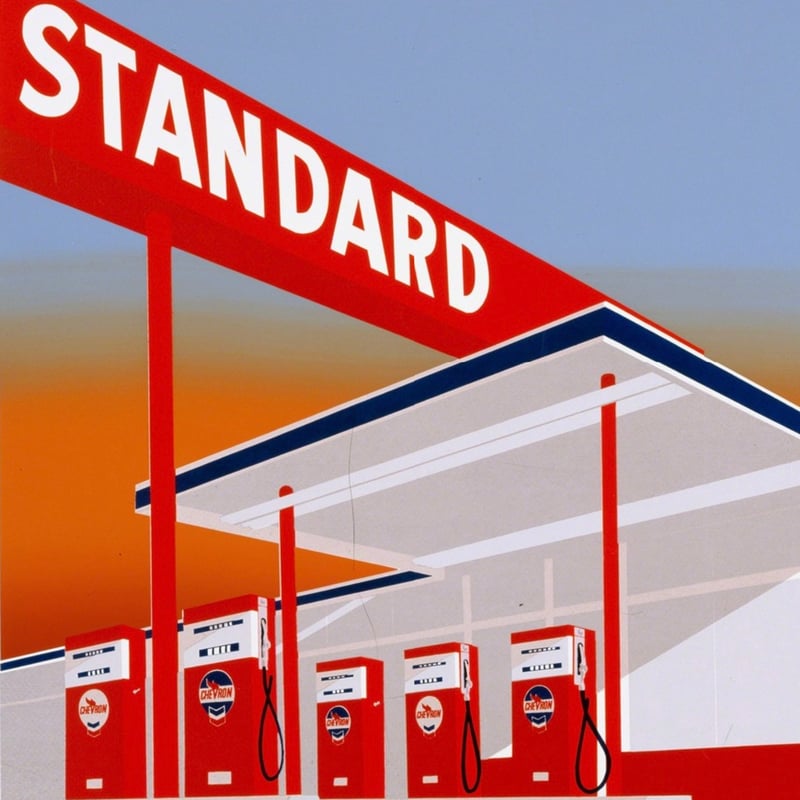
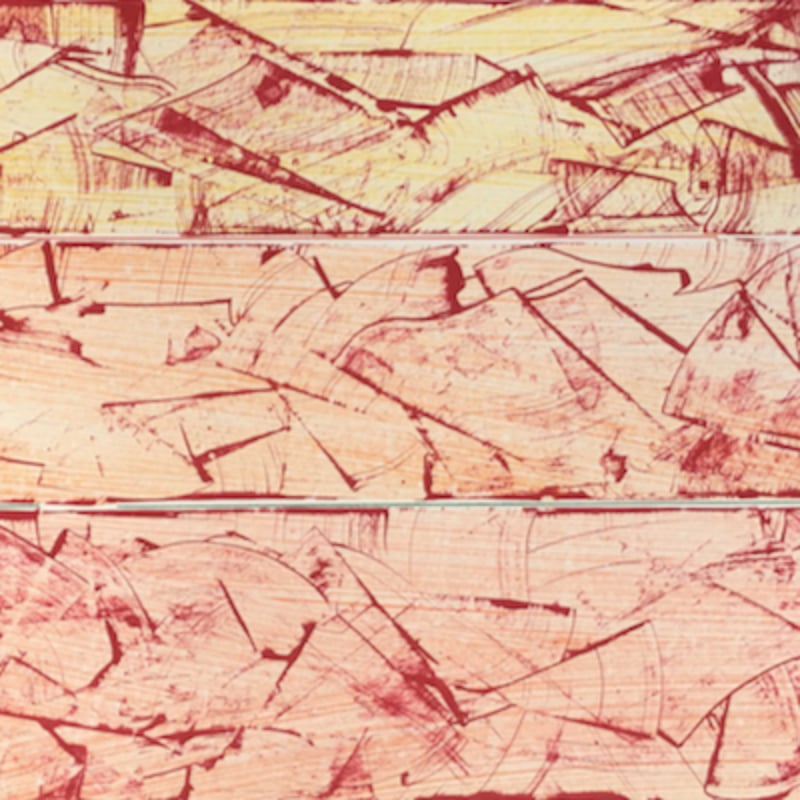
Systems Art refers to a group of artists who, during the late 1960s and early 1970s, used the frameworks of conceptualism and minimalism to create art that was responsive to its environment. Rejecting traditional art themes, they embraced aesthetic systems and experimented with diverse media. Systems Art often connected with contemporary political movements of the time, emphasizing the interrelationship between the artwork, its context, and the broader social and political environment.

Comic strip art refers to artwork that utilizes the subject matter and commercial printing techniques found in comic strips. In the 1960s, a group of artists began creating paintings that incorporated Ben-Day dots—commonly used in comics and advertising—to produce highly graphic designs in bright colors, using traditional art media.
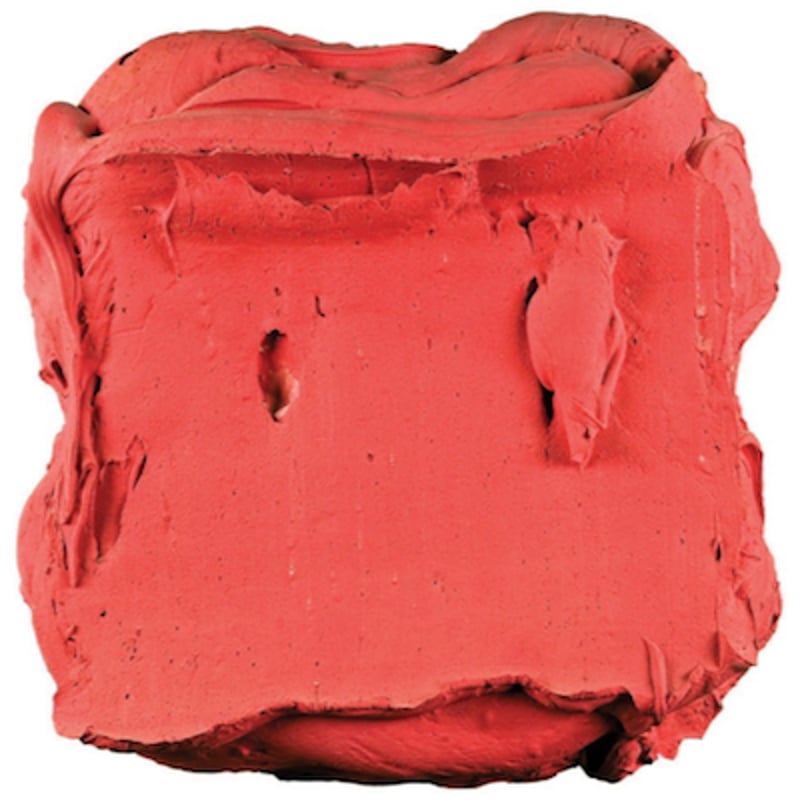
Matter painting is a technique that involves blending thick impasto paints with materials like cement, mud, sand, or shells. The term first emerged in the 1950s to describe the works of Belgian and Dutch painters who explored the physical properties of painting materials and the different ways paint could be manipulated. This approach emphasizes texture and the tactile qualities of the surface, creating a sculptural effect on the canvas.
Can't find your Answer?
Thank you! Your question has been sent — we'll get back to you shortly.
