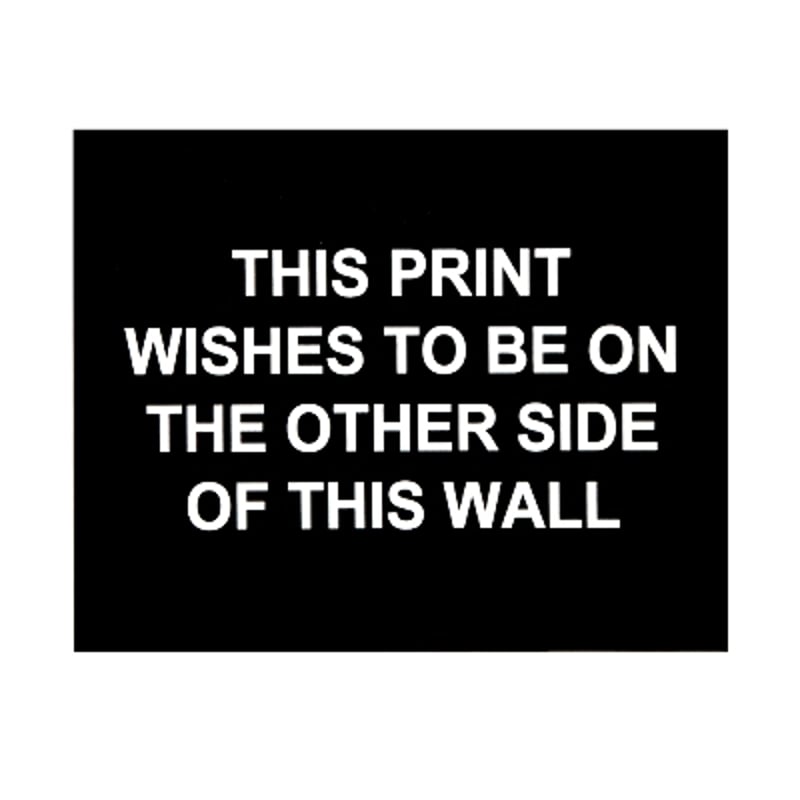
What is Lettrism?
- Show All
- Established
- Discoveries
- Show All
Artworks Related to Lettrism
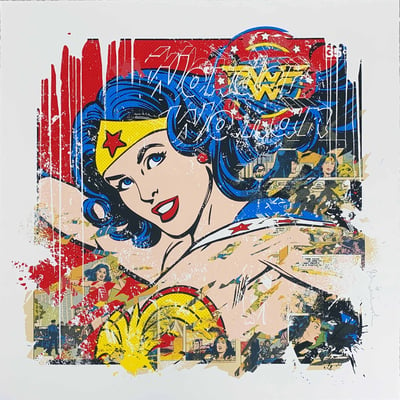
Mr. Brainwash
Shero, 2020
Limited Edition Print
Screen-print
USD 2,200
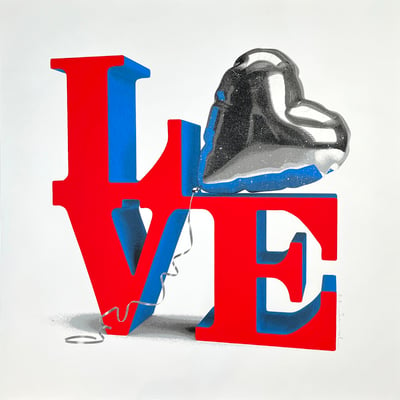
Mr. Brainwash
Monumental Love - Red, 2021
Limited Edition Print
Silkscreen
USD 3,000
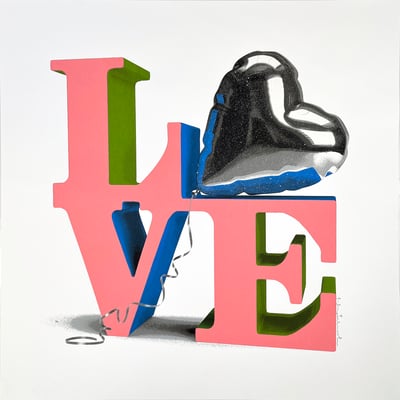
Mr. Brainwash
Monumental Love - Pink, 2021
Limited Edition Print
Silkscreen
USD 3,000
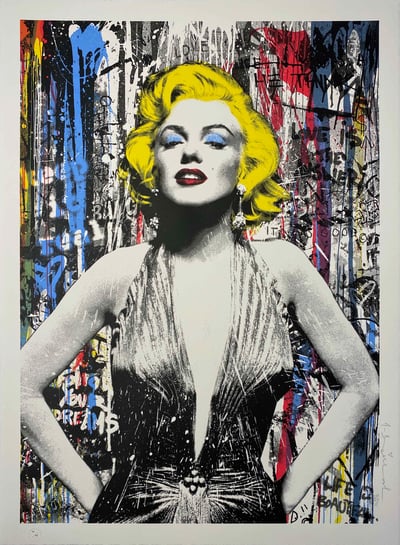
Mr. Brainwash
Marilyn For Ever, 2021
Limited Edition Print
Screen-print
USD 1,850
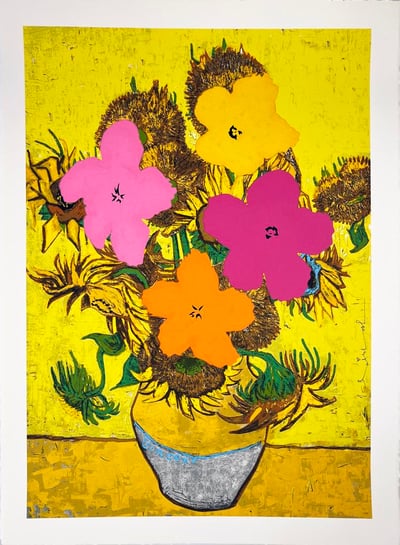
Mr. Brainwash
Flower and Sun, 2023
Limited Edition Print
Screen-print
USD 3,250
Mr. Brainwash
Flowarh$ - II (B, 2021
Limited Edition Print
Silkscreen
USD 5,700
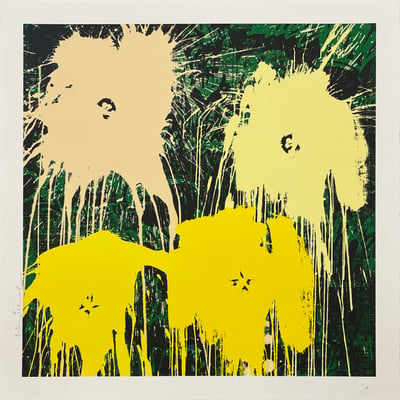
Mr. Brainwash
Flowarh$ - II (B), 2021
Limited Edition Print
Silkscreen
USD 2,750
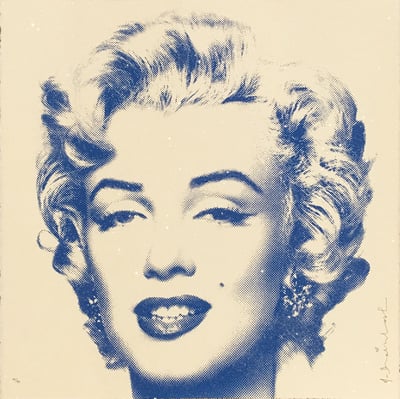
Mr. Brainwash
Diamond Girl - Blue, 2016
Limited Edition Print
Mixed Media
USD 3,000
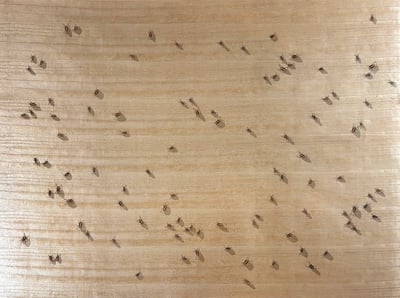
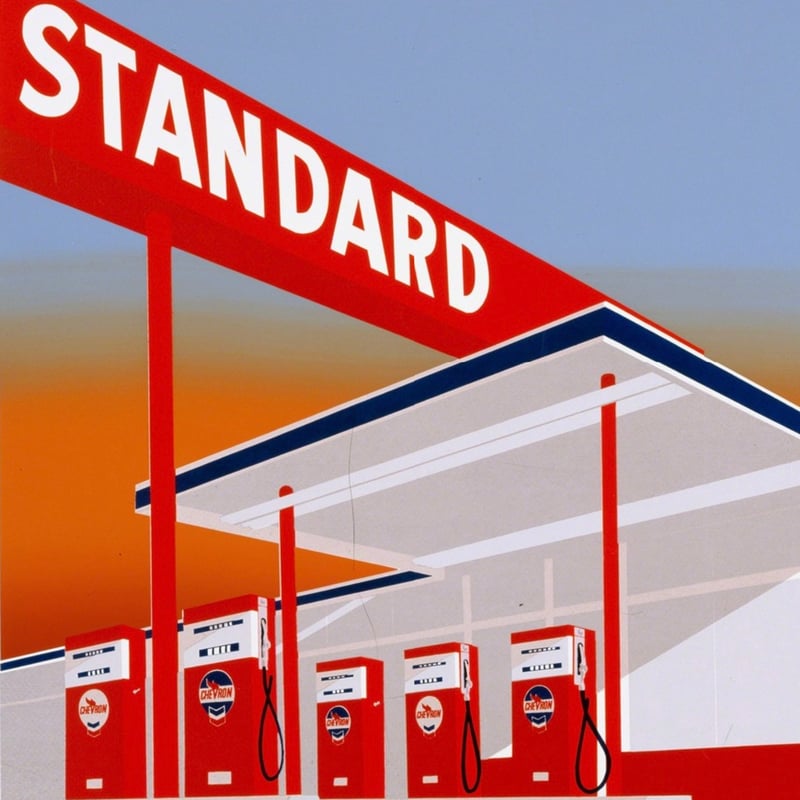
Ed Ruscha
Cockroaches from the Insects Portfolio, 1972
Limited Edition Print
Screen-print
USD 5,000
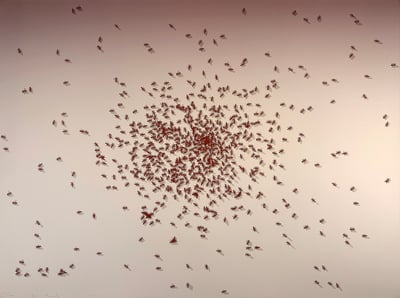
Ed Ruscha
Swarm of Red Ants from the Insects Portfolio, 1972
Limited Edition Print
Screen-print
USD 3,900
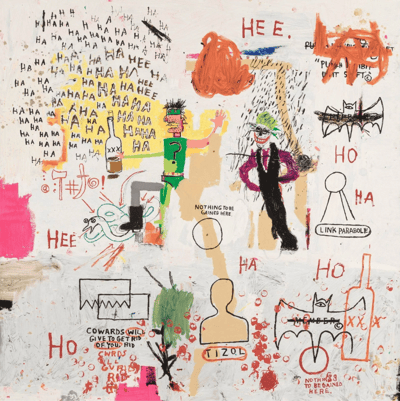
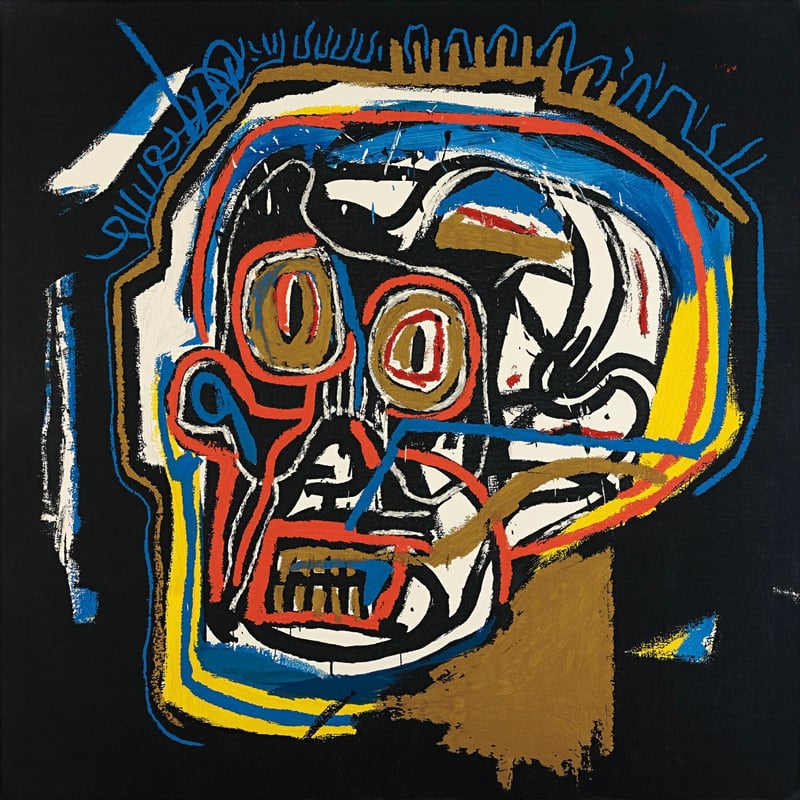
Jean-Michel Basquiat
Riddle Me This, Batman, 1982-87/2022
Limited Edition Print
Screen-print
USD 55,000 - 70,000
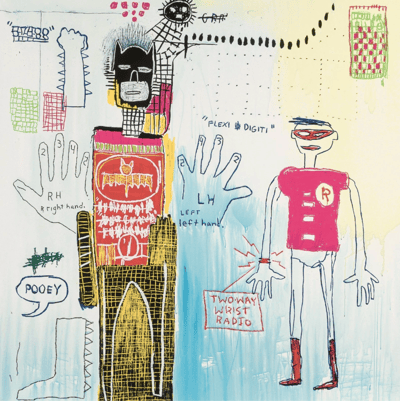
Jean-Michel Basquiat
Piano Lesson, 1982-87/2022
Limited Edition Print
Screen-print
USD 55,000 - 70,000
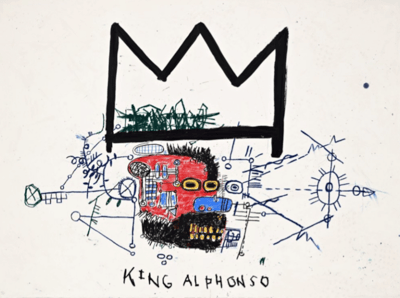
Jean-Michel Basquiat
King Alphonso, 1982-83, 2025
Limited Edition Print
Screen-print
USD 55,500
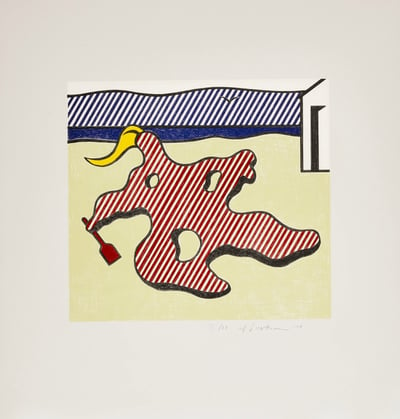
Roy Lichtenstein
Nude on Beach, from the Surrealist Series, 1978
Limited Edition Print
Lithograph
USD 20,000 - 30,000
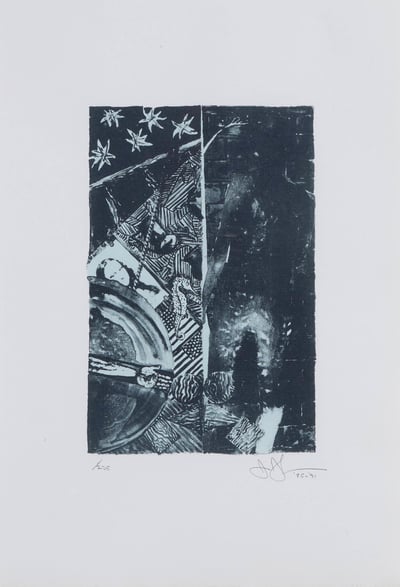
Jasper Johns
Summer (Blue), 1985-91
Limited Edition Print
Lithograph
USD 4,690
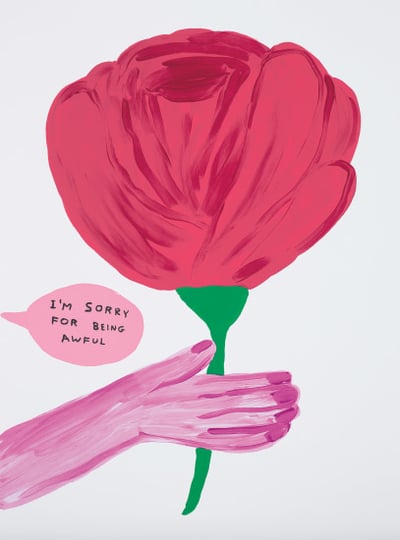
David Shrigley
I'm Sorry For Being Awful, 2018
Limited Edition Print
Screen-print
GBP 3,900
Related Articles

Collage is a production art technique commonly used in visual arts where a new artwork is created by assembling various materials. These materials can include ribbons, newspaper and magazine clippings, pieces of handmade or colored paper, photographs, text fragments, and other objects, all combined to form a cohesive whole.

Emulation is the process of recreating digital art to ensure it remains accessible and functional, even when the original technology used to create it becomes obsolete. This is done by using newer technology to replicate the experience and functionality of the original artwork, preserving art made with early cameras, software, and computers.
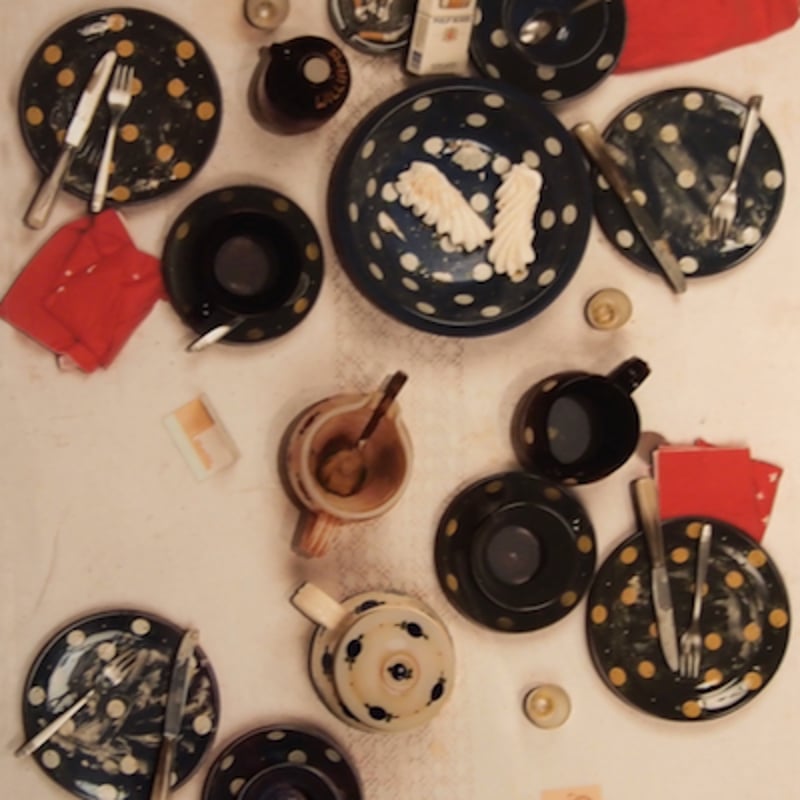
Nouveau Réalisme is an artistic movement founded in 1960 by art critic Pierre Restany and painter Yves Klein during a collective exhibition at a gallery in Milan. Restany wrote the original manifesto in April 1960, proclaiming the movement. In October of that year, nine artists, including Martial Raysse, Yves Klein, Daniel Spoerri, Jean Tinguely, Arman, Pierre Restany, and three Ultra-Lettrists—Jacques de la Villeglé, François Dufrêne, and Raymond Hains—signed the declaration. In 1961, the movement expanded to include Mimmo Rotella, Niki de Saint Phalle, Gérard Deschamps, and César. The movement emphasized a return to reality in art, often incorporating everyday objects and exploring the boundaries between art and life.
Can't find your Answer?
Thank you! Your question has been sent — we'll get back to you shortly.
