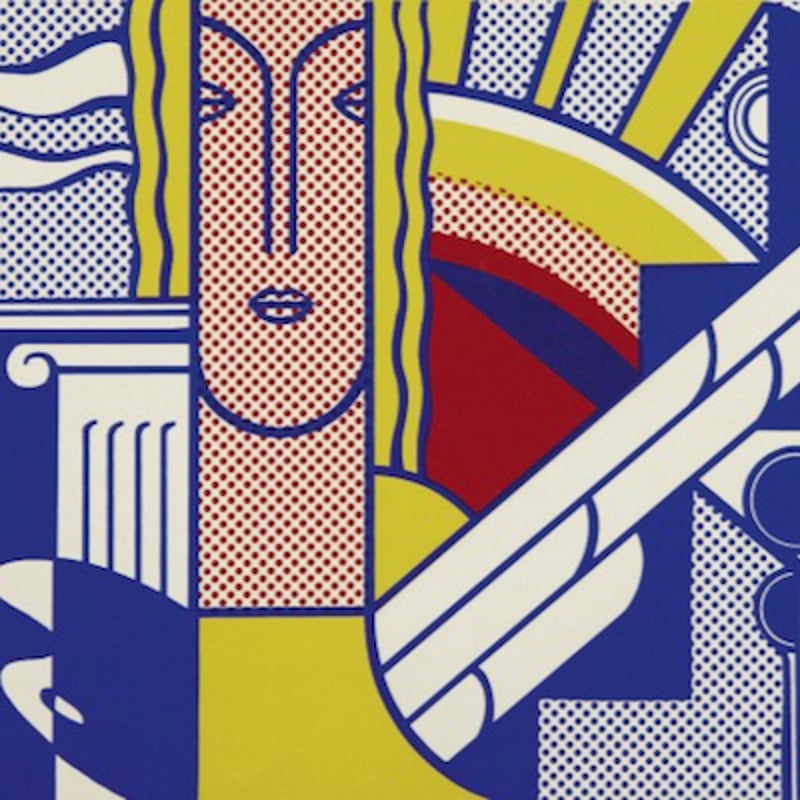
What is late modernism?
- Show All
- Established
- Discoveries
- Show All
Artworks Related to Late modernism
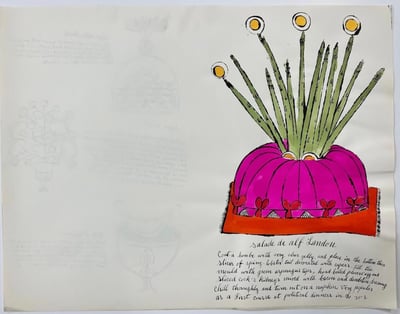
Andy Warhol
Wild Raspberries (Salad), 1959
Limited Edition Print
Offset Print
Inquire For Price
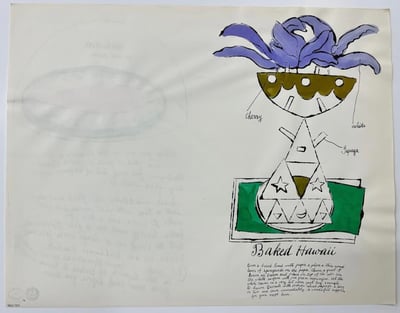
Andy Warhol
Wild Raspberries (Baked Hawaii), 1959
Limited Edition Print
Offset Print
Inquire For Price
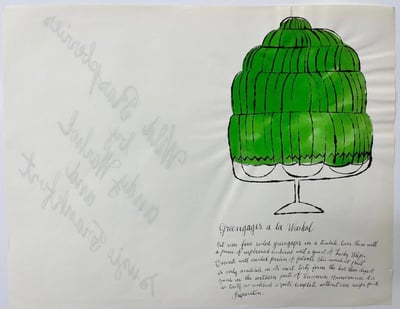
Andy Warhol
Wild Raspberries (Greengauges a la Warhol), 1959
Limited Edition Print
Offset Print
Inquire For Price
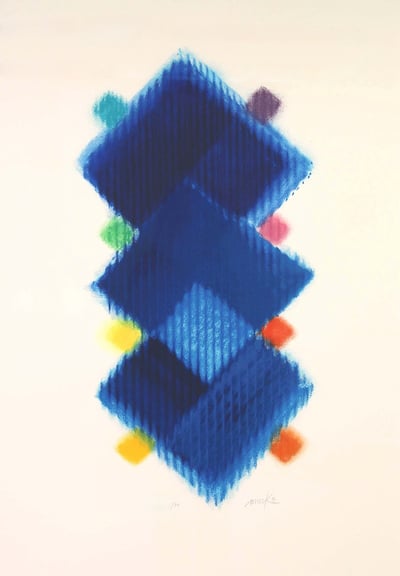
Heinz Mack
Kleiner Dreiklang, 1994
Limited Edition Print
Silkscreen
EUR 6,970
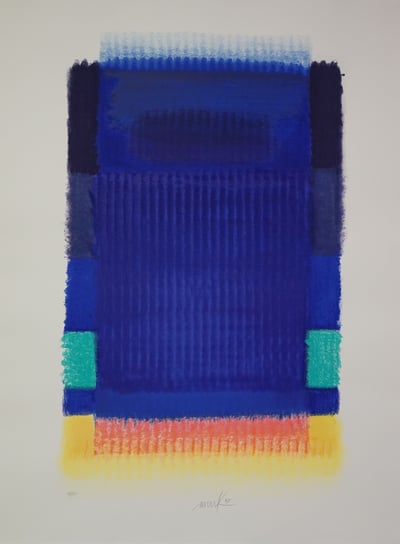
Heinz Mack
Blaues Feld mit Rosa, 1997
Limited Edition Print
Silkscreen
EUR 5,800
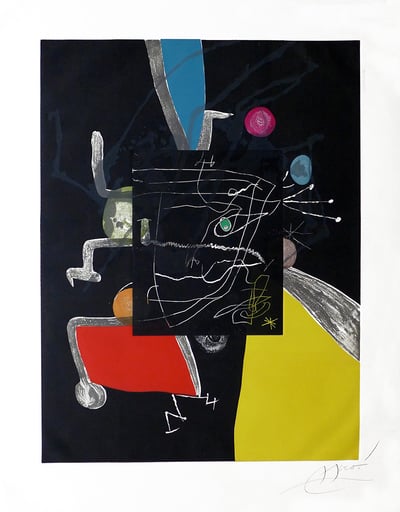
Joan Miró
Martí i Pol, 1976
Limited Edition Print
Mixed Media
EUR 14,250
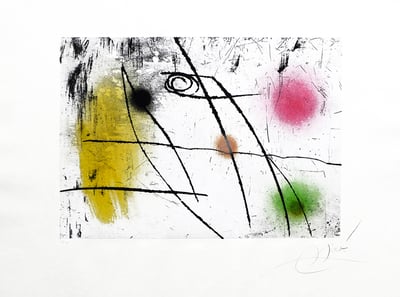
Joan Miró
Lapidari nº 37 Calsedonia, 1981
Limited Edition Print
Mixed Media
EUR 11,900
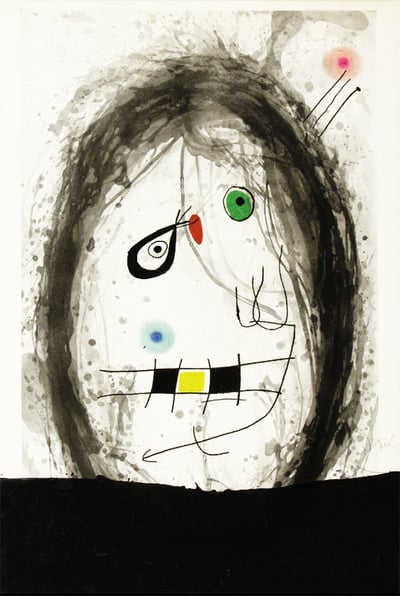
Joan Miró
L´exilé noir, 1969
Limited Edition Print
Mixed Media
EUR 15,400
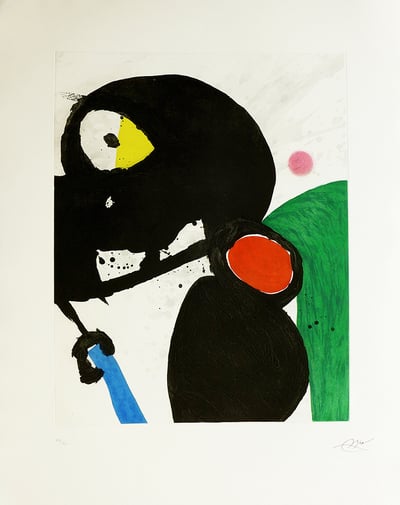
Joan Miró
La mangeuse de crabes, 1981
Limited Edition Print
Mixed Media
EUR 9,500
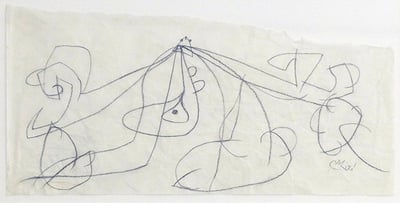
Joan Miró
Personnage II, 1979
Drawing / Watercolor
Pencil
Inquire For Price
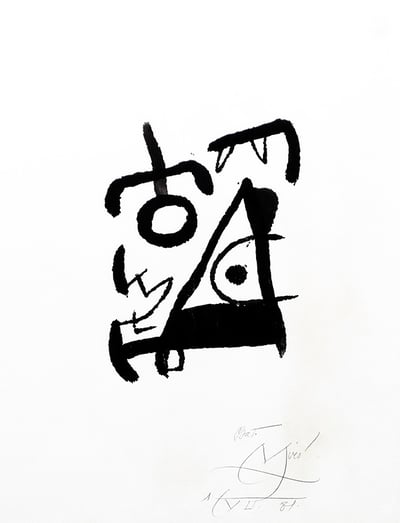
Joan Miró
Miró Graveur VII, 1981
Limited Edition Print
Woodcut
EUR 8,350
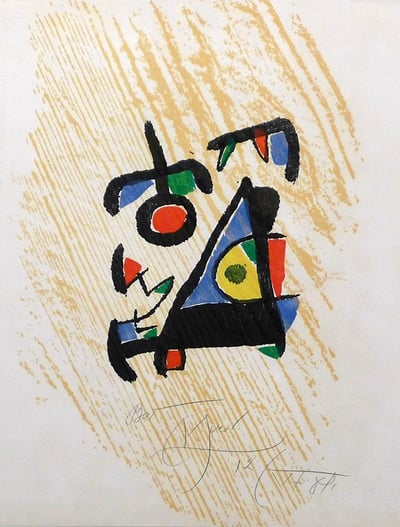
Joan Miró
Miró Graveur III, 1981
Limited Edition Print
Woodcut
EUR 13,000
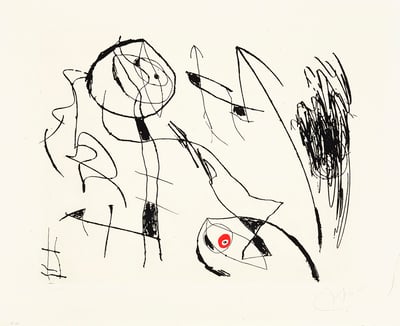
Joan Miró
Serie Mallorca I, 1973
Limited Edition Print
Etching and Aquatint
EUR 11,300
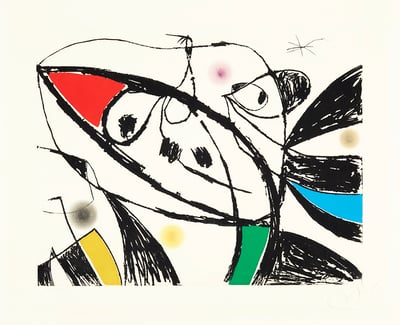
Joan Miró
Serie Mallorca III, 1973
Limited Edition Print
Etching and Aquatint
EUR 11,300
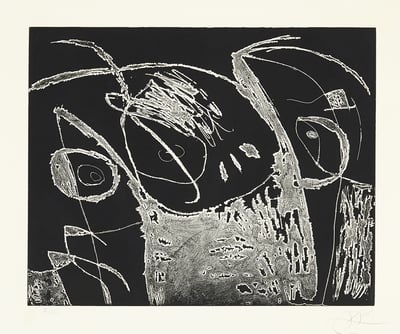
Joan Miró
Serie Mallorca - Negro y blanco IX, 1973
Limited Edition Print
Etching and Aquatint
EUR 8,350
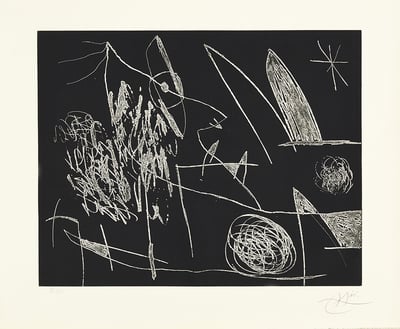
Joan Miró
Serie Mallorca - Negro y blanco VII, 1973
Limited Edition Print
Etching and Aquatint
EUR 8,350
Related Articles
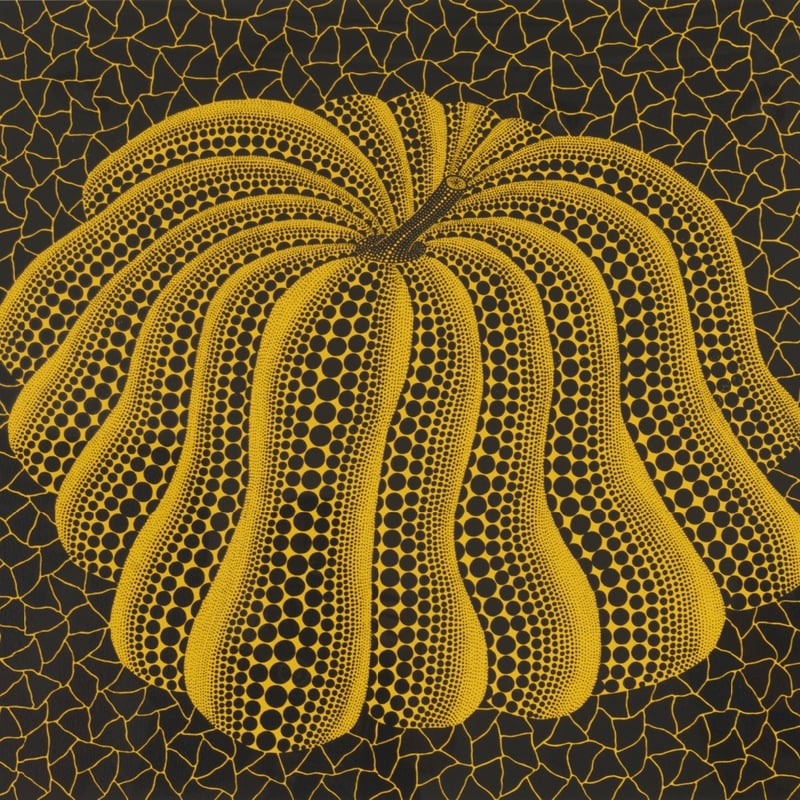
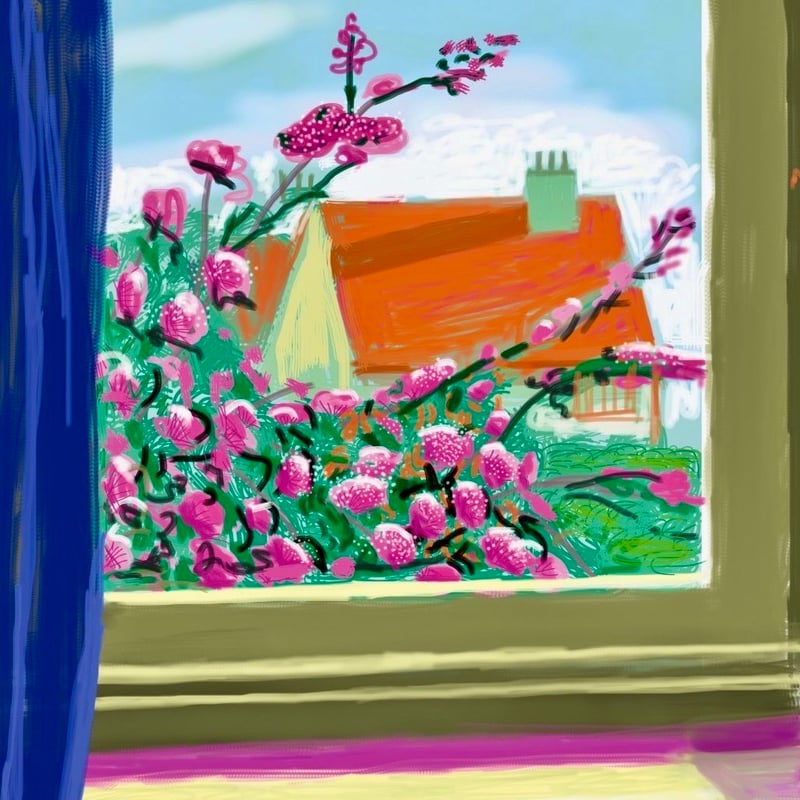

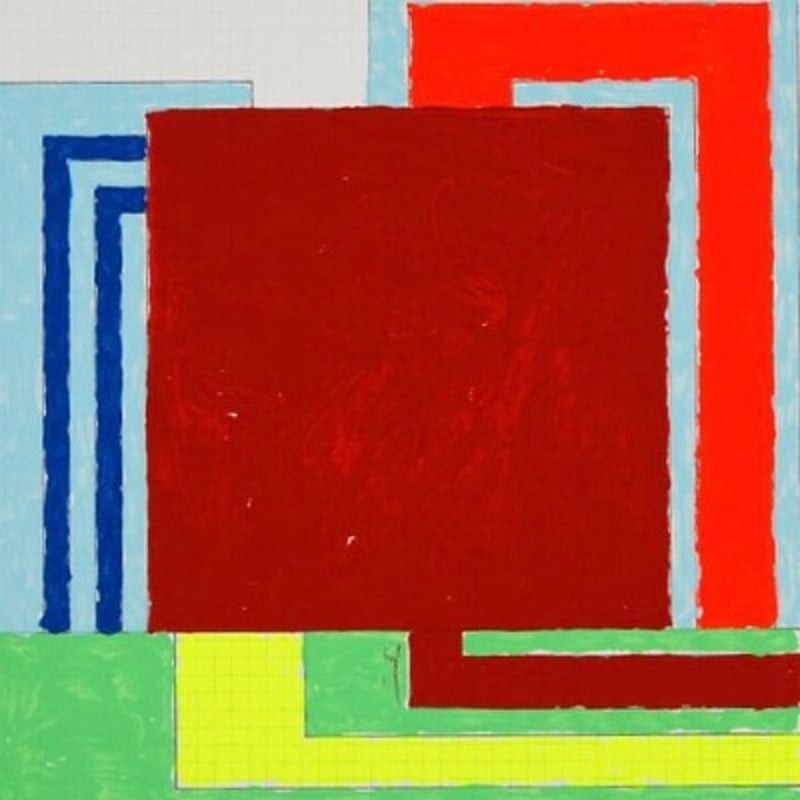
Known as Neo-Geo for short, this movement uses geometric objects and shapes to create abstract artwork as a metaphor for society. Inspired by various 20th-century art styles, including minimalism and pop art, Neo-Geo emerged in the 1980s as a response to the industrialization and commercialization of the modern world. The movement reflects on the impact of mass production, consumerism, and technology, often critiquing the superficiality of contemporary culture through its abstract, geometric compositions.

Clay is a natural material formed when rocks break down over time due to weathering. Water carries the fine particles of earth, which accumulate as a soft, sticky substance called muck. This muck is collected, cleaned, and refined by removing impurities like rocks and adding sand to improve its texture, resulting in usable clay.
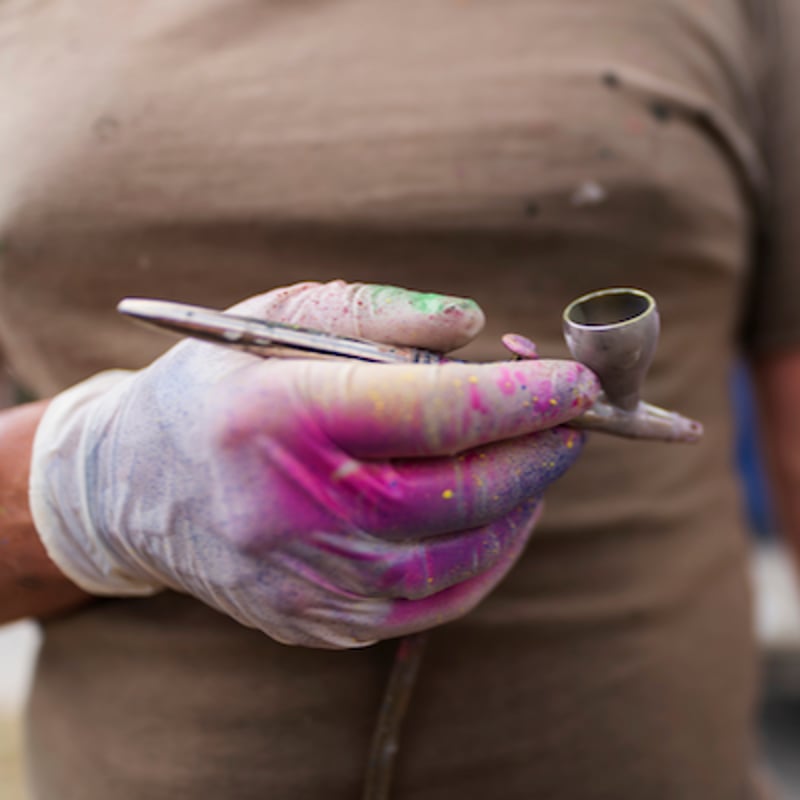
An airbrush is a device that sprays various media, including paint and ink, using compressed air. Artists use airbrushes to create a smooth, even application of color, often achieving effects that are not possible with traditional brushes. James Rosenquist, an American Pop artist, regularly used an airbrush in his work. Before gaining fame with pieces like the iconic F-111 (1965), he worked as a commercial and industrial painter, where he honed his airbrush skills.
Can't find your Answer?
Thank you! Your question has been sent — we'll get back to you shortly.
