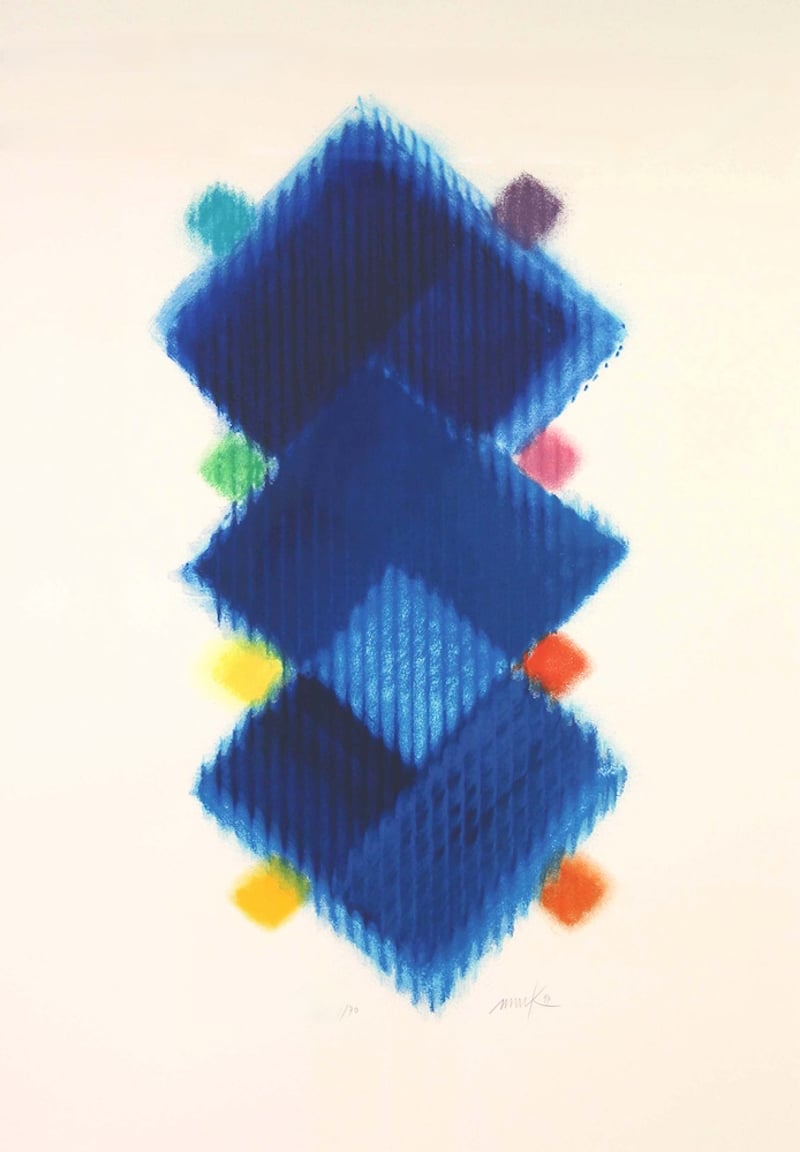
Kleiner Dreiklang, 1994
Form
Medium
Size
- Inches
- Centimeters
Edition
Price
- USD
- EUR
- GBP
- CHF
- Authenticity Guaranteed
- Insured Shipping
- Online Since 2005
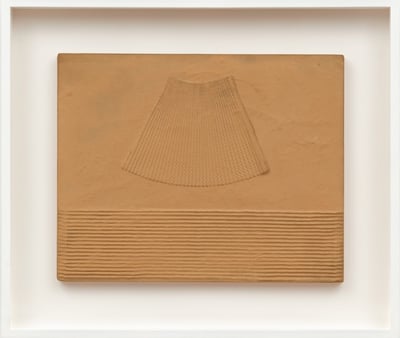
Heinz Mack
Sandflügel, 1976
Sculpture / Object
Mixed Media
Inquire For Price
Heinz Mack
Kleiner Dreiklang, 1994
Limited Edition Print
Silkscreen
EUR 6,970
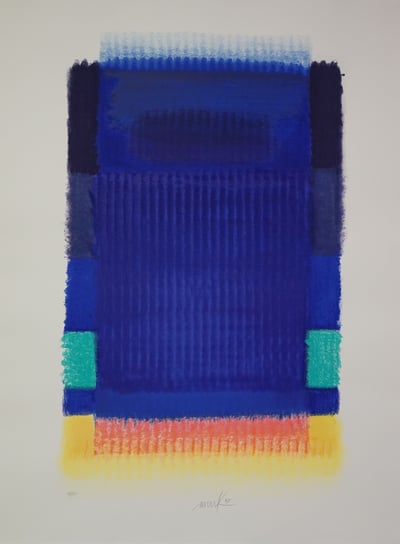
Heinz Mack
Blaues Feld mit Rosa, 1997
Limited Edition Print
Silkscreen
EUR 5,800
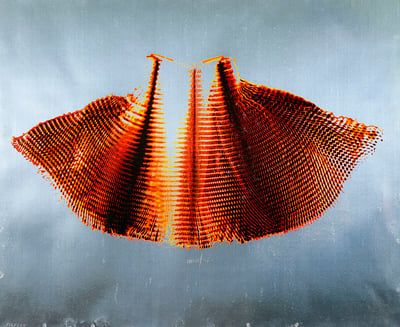
Heinz Mack
Silberflügel, Roter Fächer, 1973
Limited Edition Print
Screen-print
Currently Not Available
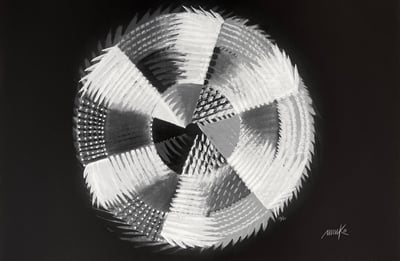
Heinz Mack
Terzett (against black), 2021
Limited Edition Print
Screen-print
Currently Not Available
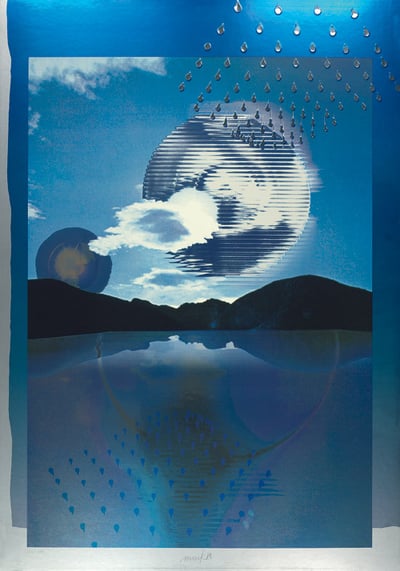
Heinz Mack
Kunst im Jahr 2000, 1986
Limited Edition Print
Screen-print
Currently Not Available
Related Artists
Related Articles
Popular, Artists, Art Movements, Collecting - August 23, 2026
The ZERO Movement: Collecting Günther Uecker and the Art of a New Beginning
Explore the ZERO Movement and learn how to collect Günther Uecker editions, from embossed prints and sand works to multiples, provenance and condition.Read More
Popular, News, Artists - January 27, 2026
Gerhard Richter at Fondation Louis Vuitton: Why It Matters for Collectors
Art dealer Kris Ghesquière examines the Gerhard Richter exhibition at Fondation Louis Vuitton and its significance for collectors and the art market.Read More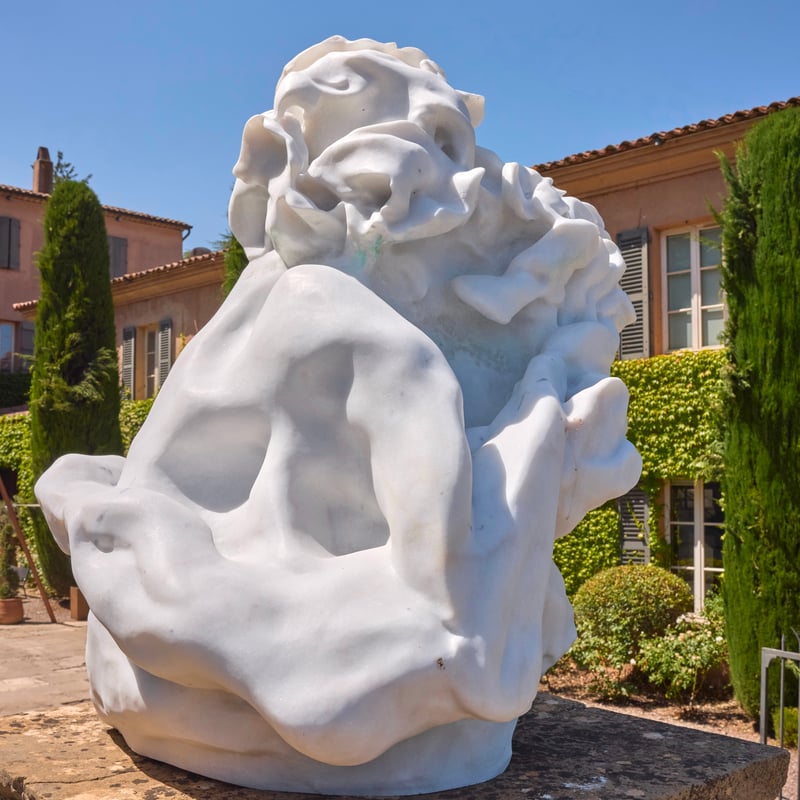
Popular, News, Artists, Collecting - August 12, 2026
In Minor Keys: Finding Intimacy and Identity at the 61st Venice Biennale — and in Your Collection
Explore how Koyo Kouoh’s 61st Venice Biennale vision, In Minor Keys, is shifting contemporary collecting toward quiet introspection, memory, and personal identity.Read More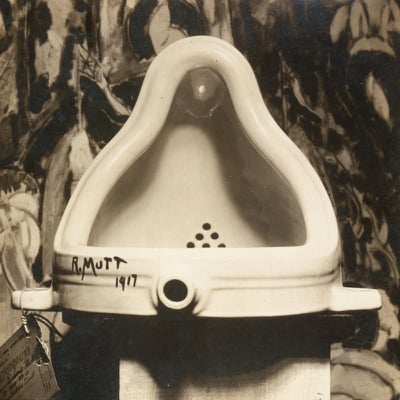
What is Found Object?
A found object is a term used to describe a man-made or natural object, or a fragment of one, that an artist discovers or purchases and keeps for inspiration or as a work of art. The artist may also modify the object or incorporate it into a collage or assemblage, transforming it into a new piece of art.

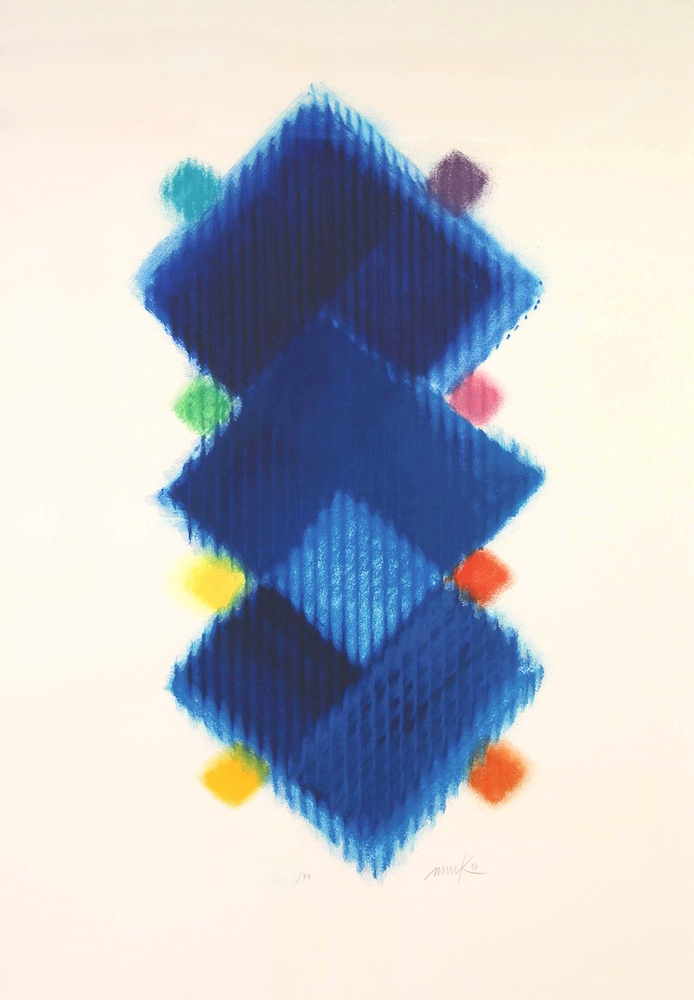
Heinz Mack
Kleiner Dreiklang, 1994
100 x 70 cm


