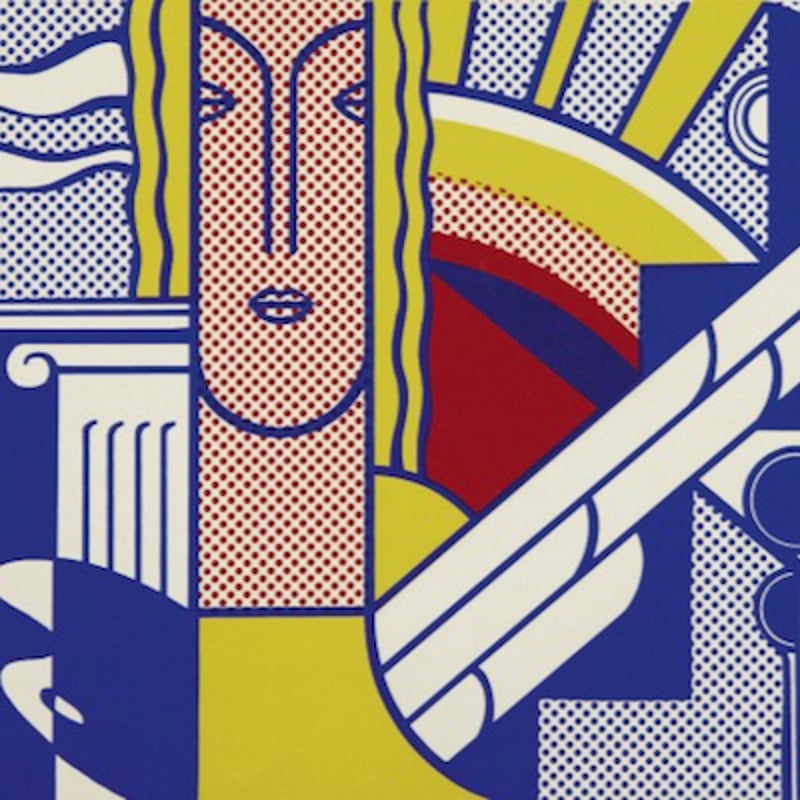
What is late modernism?
- Show All
- Established
- Discoveries
- Show All
Artworks Related to Late modernism
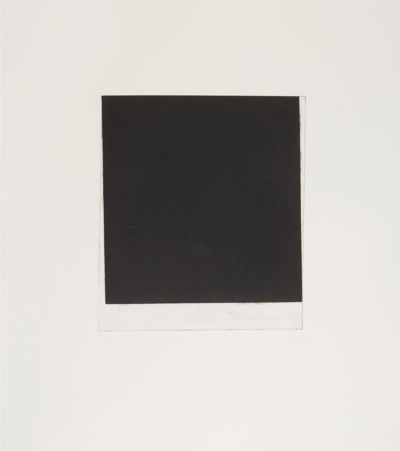
Ellsworth Kelly
Wall, 1976-1979
Limited Edition Print
Etching and Aquatint
USD 6,790
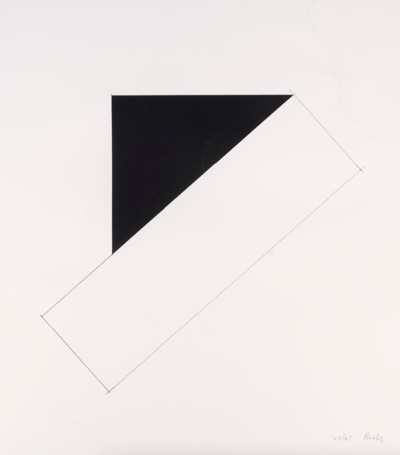
Ellsworth Kelly
Jacmel, 1978-1980
Limited Edition Print
Screen-print
USD 8,500
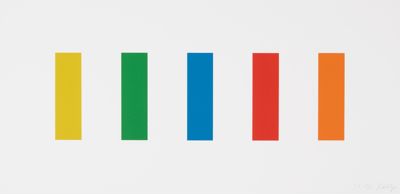
Ellsworth Kelly
Dartmouth, 2011
Limited Edition Print
Lithograph
Currently Not Available
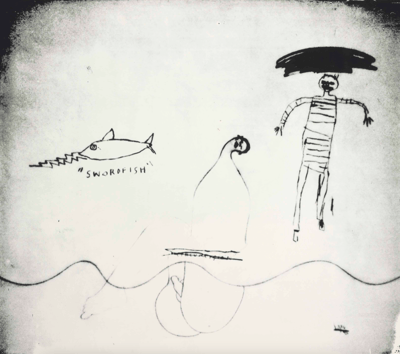
Andy Warhol
Tre Amici, 1984
Limited Edition Print
Screen-print
USD 80,000 - 90,000
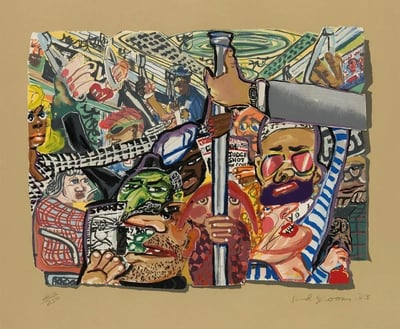
Red Grooms
Saskia Down the Metro, 1983
Limited Edition Print
Collage
USD 3,570
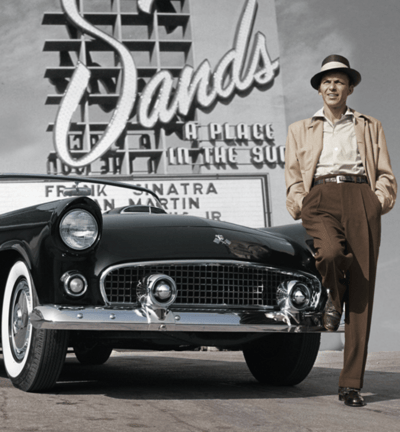
Frank Worth
Frank Sinatra
Photography
Gelatin Silver Print
USD 595
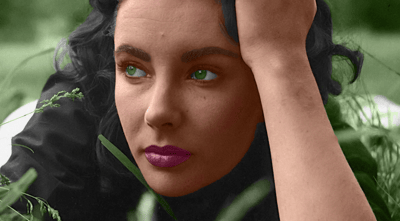
Frank Worth
Elizabeth Taylor
Photography
Gelatin Silver Print
USD 1,495
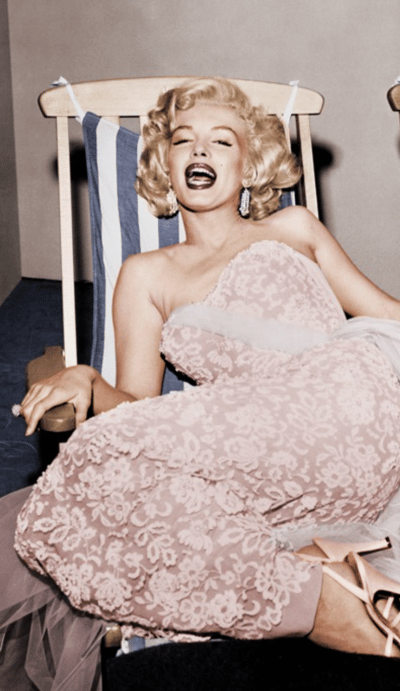
Frank Worth
Marilyn
Photography
Gelatin Silver Print
USD 2,995
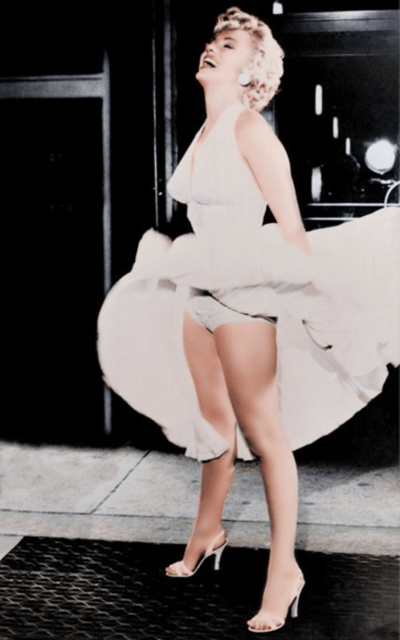
Frank Worth
Marilyn
Photography
Gelatin Silver Print
USD 3,995
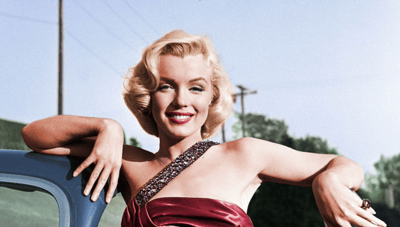
Frank Worth
Marilyn in 'how to marry a millionaire'
Photography
Gelatin Silver Print
USD 2,995
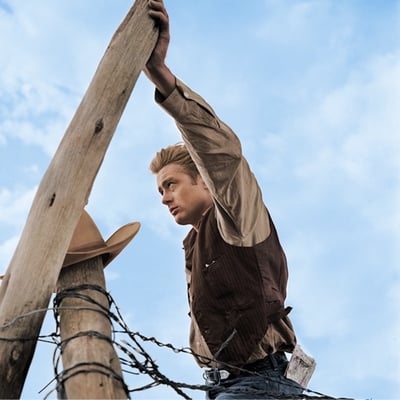
Frank Worth
James Dean
Photography
Gelatin Silver Print
USD 2,995
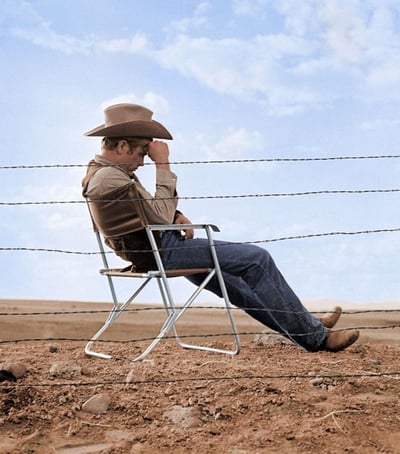
Frank Worth
James Dean seated
Photography
Gelatin Silver Print
USD 2,995
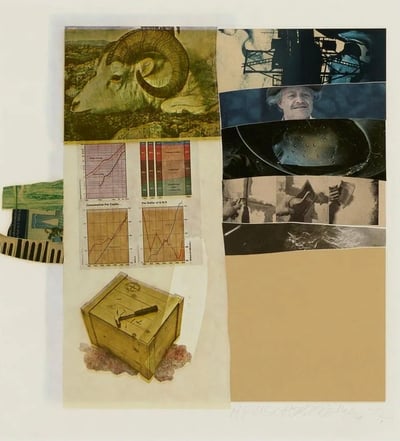
Robert Rauschenberg
Horsefeathers Thirteen I, 1972
Limited Edition Print
Mixed Media
Currently Not Available
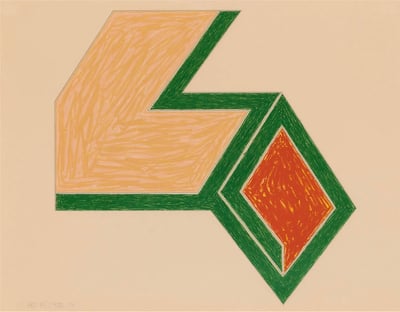
Frank Stella
Effingham, 1974
Limited Edition Print
Mixed Media
Inquire For Price
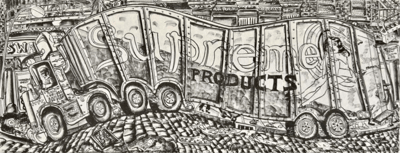
Red Grooms
Truck I, 1979
Limited Edition Print
Lithograph
USD 2,100
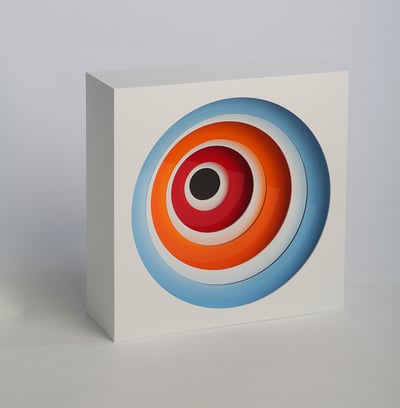
Gregorio Vardanega
Boite à Cercles de Couleurs, 1970
Sculpture / Object
Acrylic sculpture
Currently Not Available
Related Articles
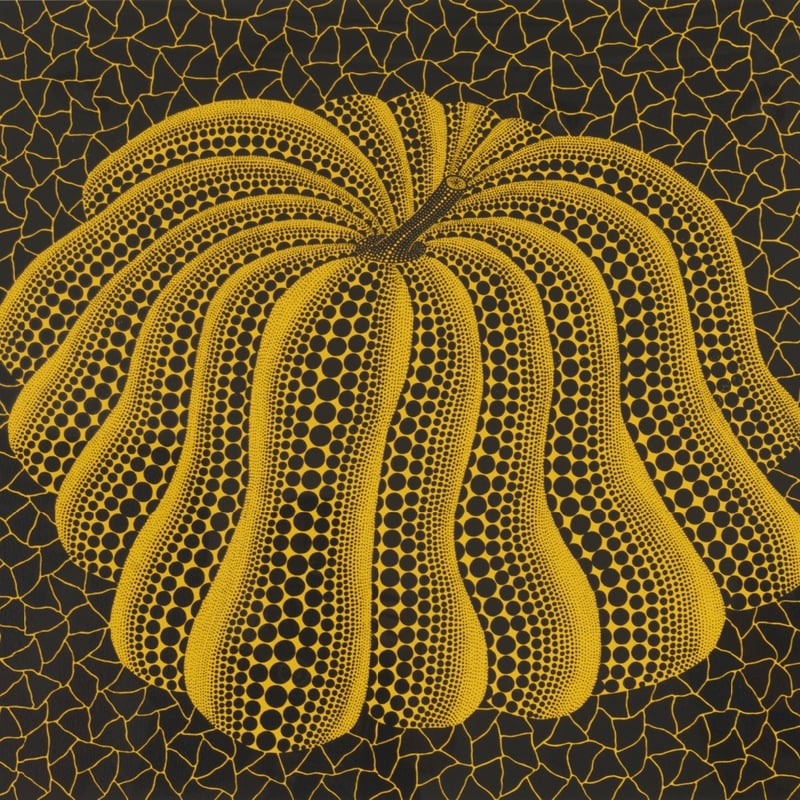
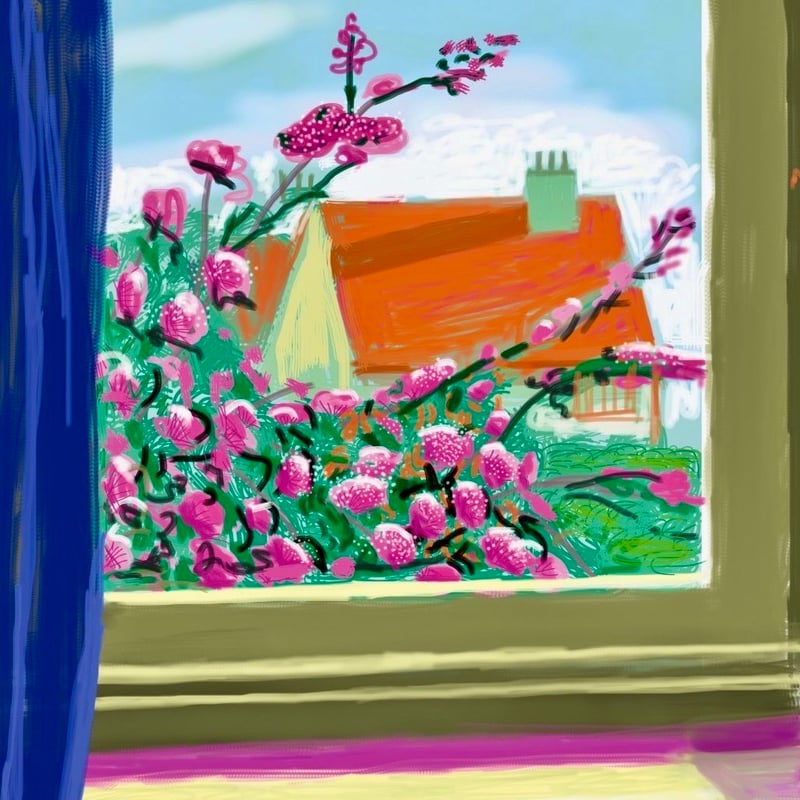
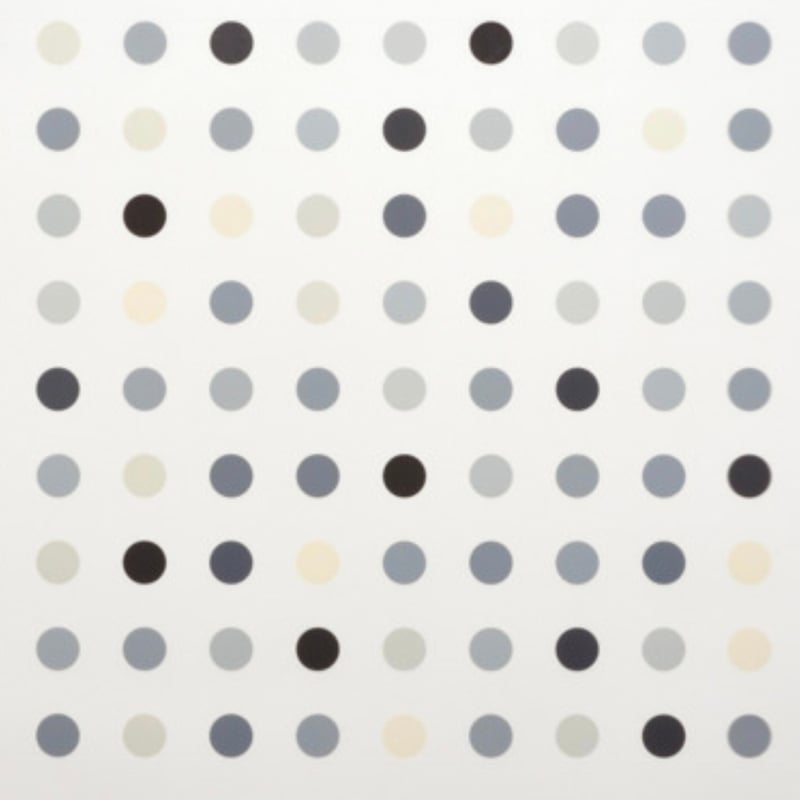
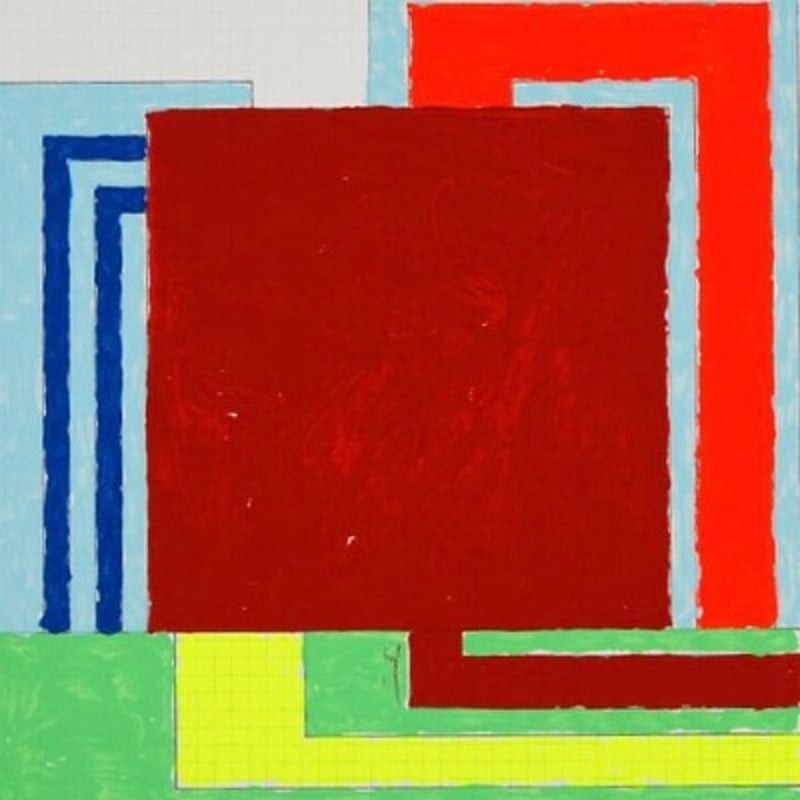
Known as Neo-Geo for short, this movement uses geometric objects and shapes to create abstract artwork as a metaphor for society. Inspired by various 20th-century art styles, including minimalism and pop art, Neo-Geo emerged in the 1980s as a response to the industrialization and commercialization of the modern world. The movement reflects on the impact of mass production, consumerism, and technology, often critiquing the superficiality of contemporary culture through its abstract, geometric compositions.
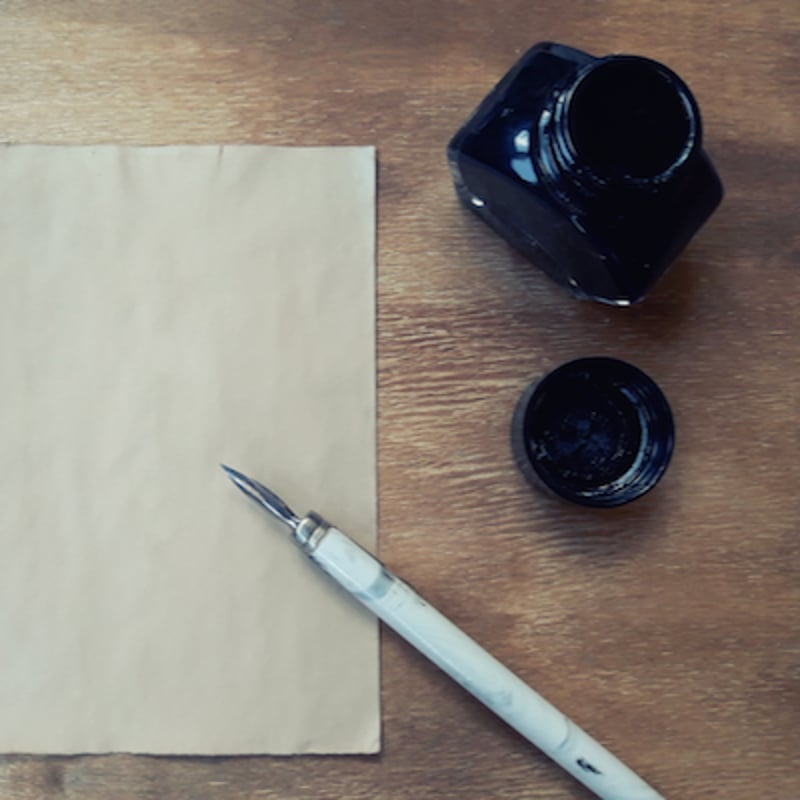
Pen and ink is a traditional drawing technique that involves using a dip pen with India ink on paper. The fine tip of the dip pen is ideal for creating varied lines and detailed shading. Some artists prefer using a fountain pen with an ink reservoir for greater convenience.

Engraving is a printmaking technique where a metal plate or surface is directly cut using a sharp engraving tool called a burin. The tool creates deep lines or grooves, which are then filled with ink. The plate is pressed onto paper with heavy pressure, transferring the inked image. This process results in a clear and precise print.
Can't find your Answer?
Thank you! Your question has been sent — we'll get back to you shortly.
