What is late modernism?
- Show All
- Established
- Discoveries
- Show All
Artworks Related to Late modernism

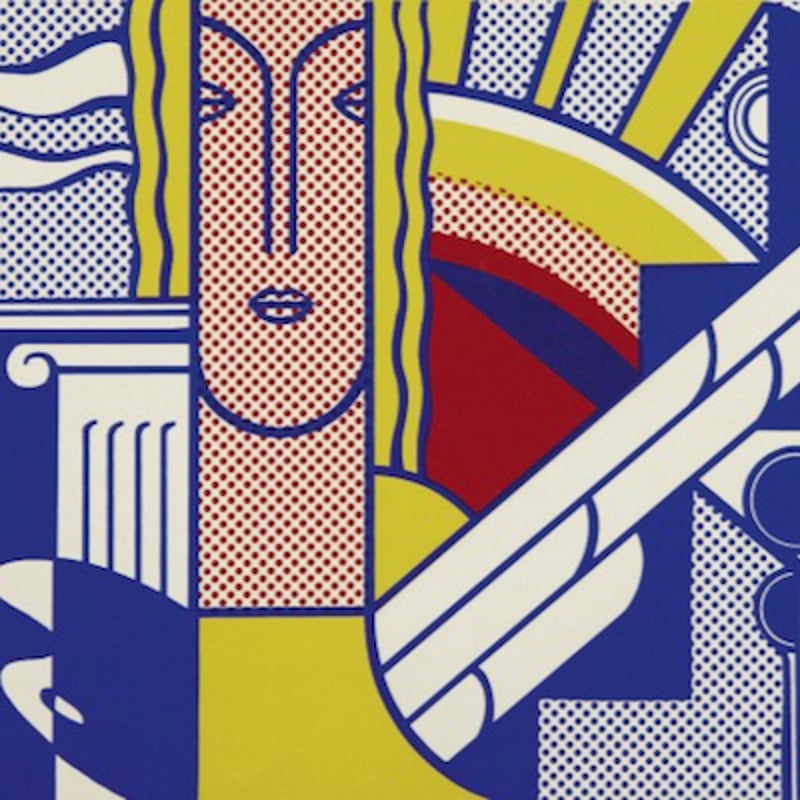
Roy Lichtenstein
Shipboard Girl, 1965
Limited Edition Print
Offset Print
Currently Not Available
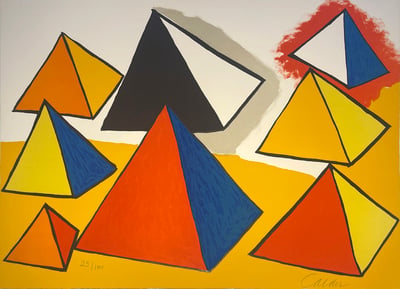
Alexander Calder
Hommage á Euclide / Hommage to Euclid from La Memoire Elementaire, 1976
Limited Edition Print
Lithograph
USD 9,600
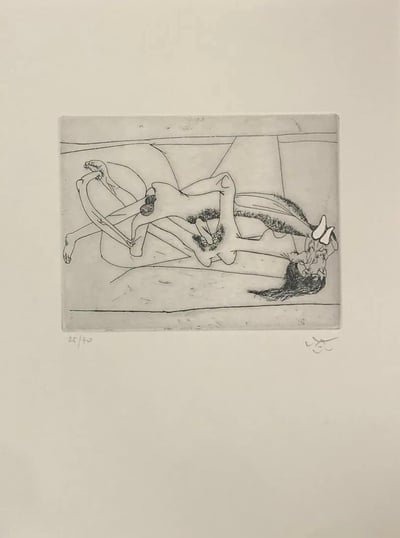
Roberto Matta
Untitled 212 (From the New School), 1980
Limited Edition Print
Etching and Aquatint
USD 850
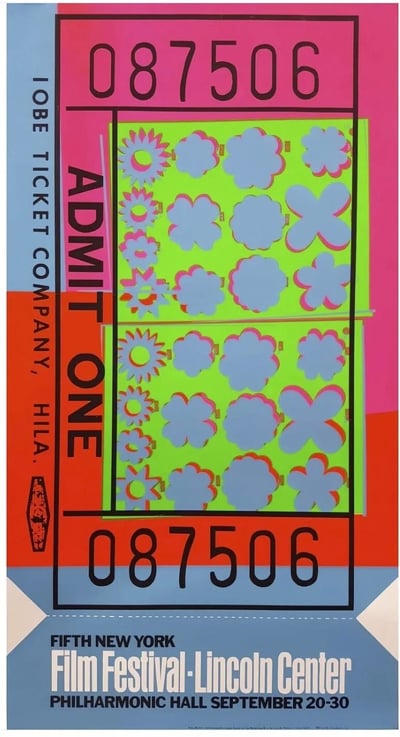
Andy Warhol
Lincoln Centre Ticket, 1967
Limited Edition Print
Screen-print
GBP 12,500

Andy Warhol
Speed Skater (FS II.303) (from Art and Sports Portfolio), 1983
Limited Edition Print
Screen-print
GBP 50,000 - 60,000
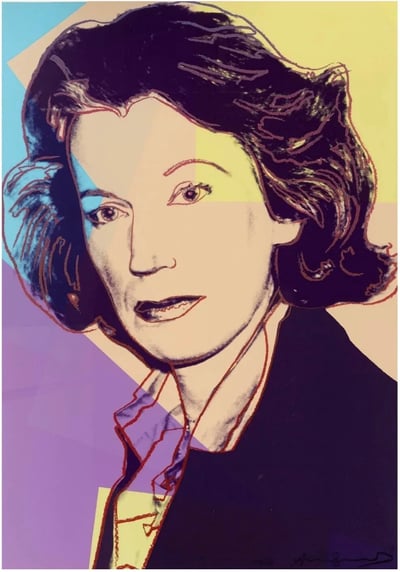
Andy Warhol
Mildred Scheel , 1980
Limited Edition Print
Silkscreen
Inquire For Price
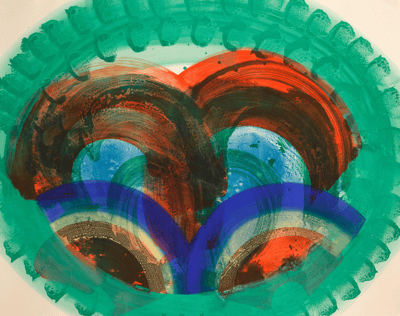
Howard Hodgkin
Red Palm, 1986-1987
Limited Edition Print
Lithograph
Currently Not Available

David Hockney
Two Peppers, 1973
Limited Edition Print
Etching
GBP 11,000 - 13,500
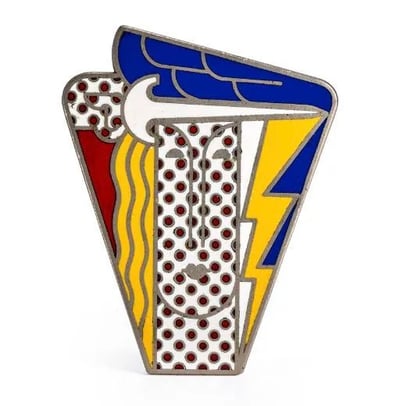
Roy Lichtenstein
Modern Head Enamel Pin, 1968
Sculpture / Object
Metal
USD 4,950

Jasper Johns
Knee, 1974
Limited Edition Print
Lithograph
USD 7,350

Joan Miró
Quelques Fleurs IV, 1964
Limited Edition Print
Lithograph
USD 5,890
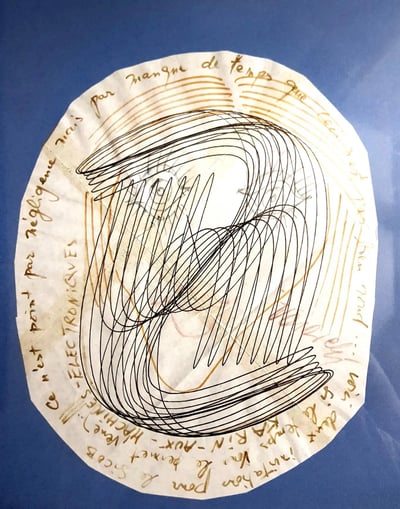
Victor Vasarely
Face, 1970s
Drawing / Watercolor
Pen and ink
EUR 3,650

Joan Miró
Plate I from Oda à Joan Miró, 1973
Limited Edition Print
Lithograph
EUR 7,750

Joan Miró
Plate IV from Espriu, 1975
Limited Edition Print
Etching
EUR 19,500

Michelangelo Pistoletto
Amare, 2006
Limited Edition Print
Mixed Media
Currently Not Available
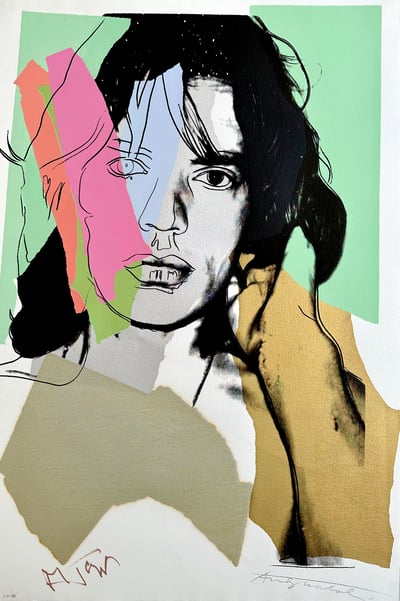
Andy Warhol
Mick Jagger #140, 1975
Limited Edition Print
Screen-print
Currently Not Available
Related Articles
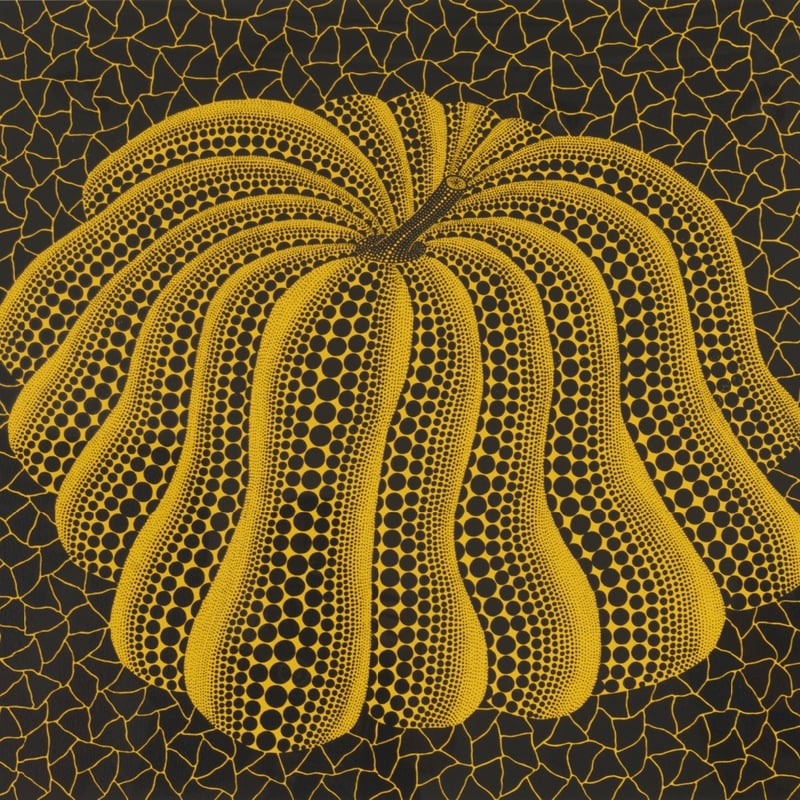
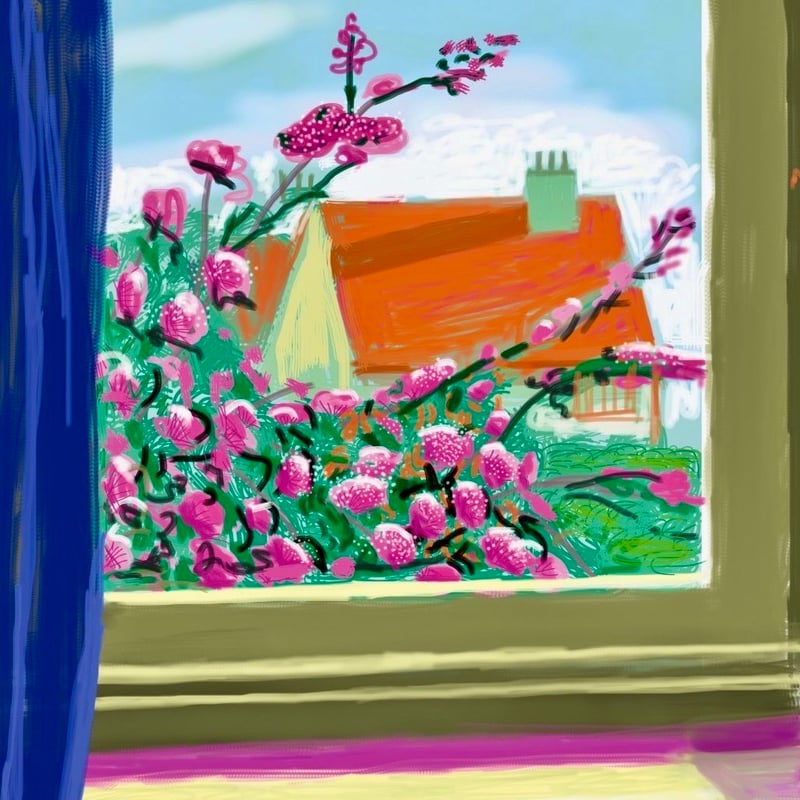
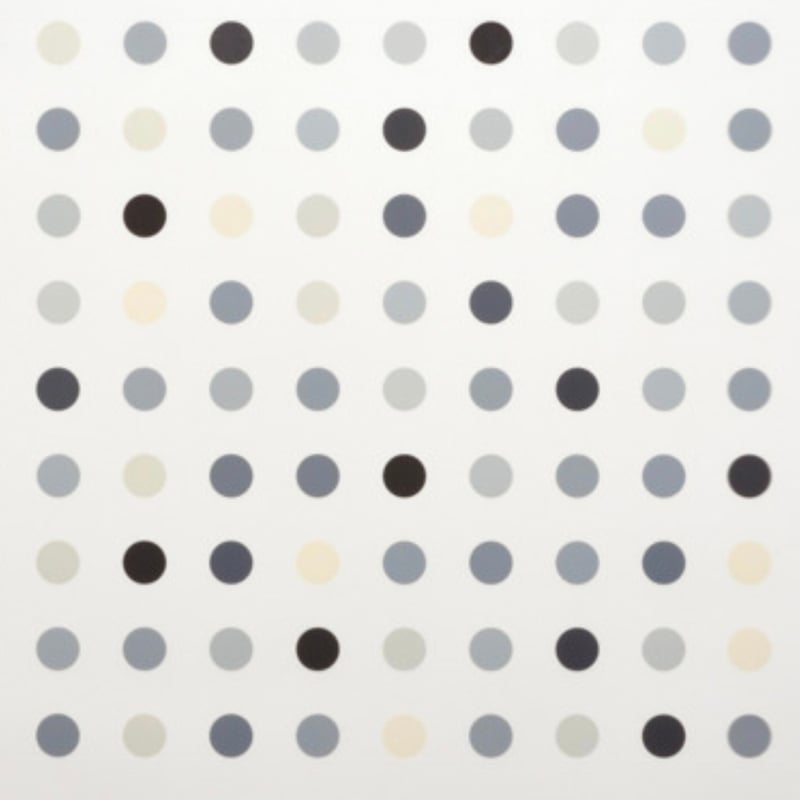
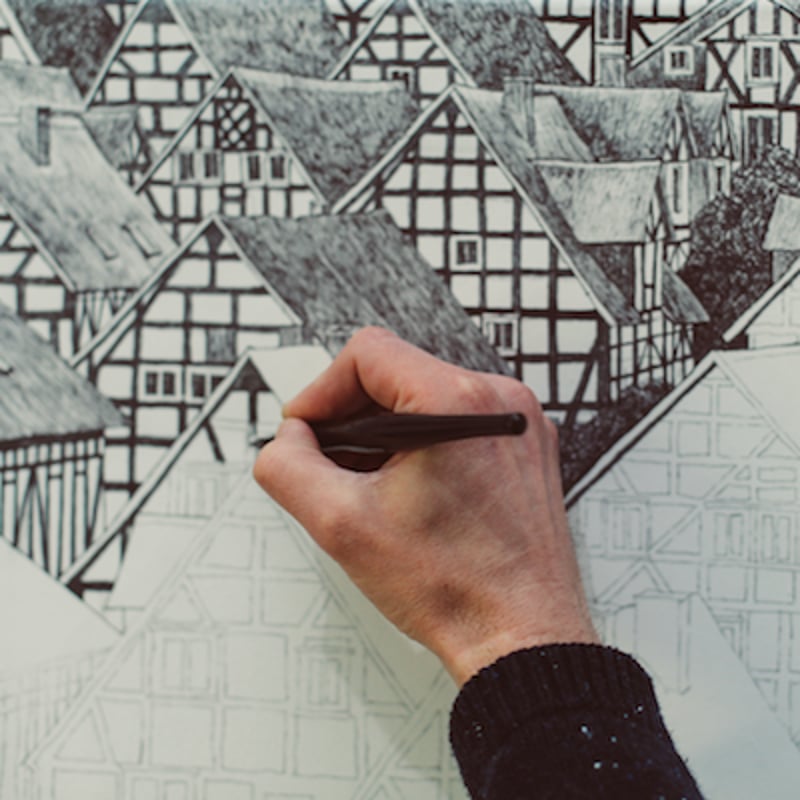
Monochromatic describes paintings, photographs, designs, or drawings that utilize one color or various shades of a single color. Monochromatic objects have a limited range of hues. While the term often refers to black and white or grayscale images, it can also apply to any artwork that contains tones of just one color.

Metal has been traditionally used in art for creating sculptures, jewelry, masks, adornments, tools, and weapons, often featuring decorative elements. Common types of metal used include bronze, brass, cast iron, gray iron, copper, gold, tin, wrought iron, and silver.
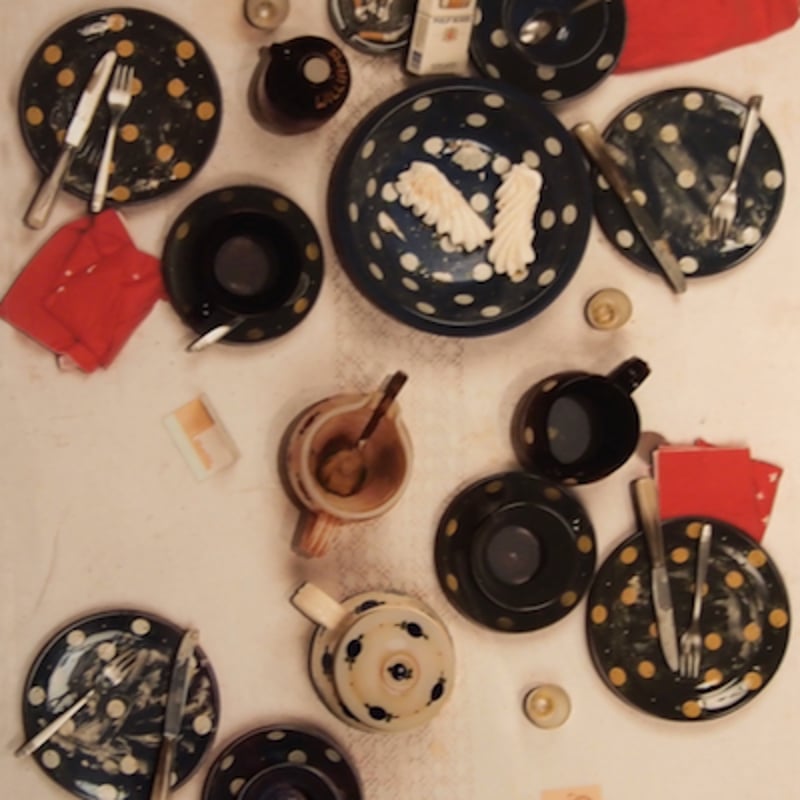
Nouveau Réalisme is an artistic movement founded in 1960 by art critic Pierre Restany and painter Yves Klein during a collective exhibition at a gallery in Milan. Restany wrote the original manifesto in April 1960, proclaiming the movement. In October of that year, nine artists, including Martial Raysse, Yves Klein, Daniel Spoerri, Jean Tinguely, Arman, Pierre Restany, and three Ultra-Lettrists—Jacques de la Villeglé, François Dufrêne, and Raymond Hains—signed the declaration. In 1961, the movement expanded to include Mimmo Rotella, Niki de Saint Phalle, Gérard Deschamps, and César. The movement emphasized a return to reality in art, often incorporating everyday objects and exploring the boundaries between art and life.
Can't find your Answer?
Thank you! Your question has been sent — we'll get back to you shortly.
