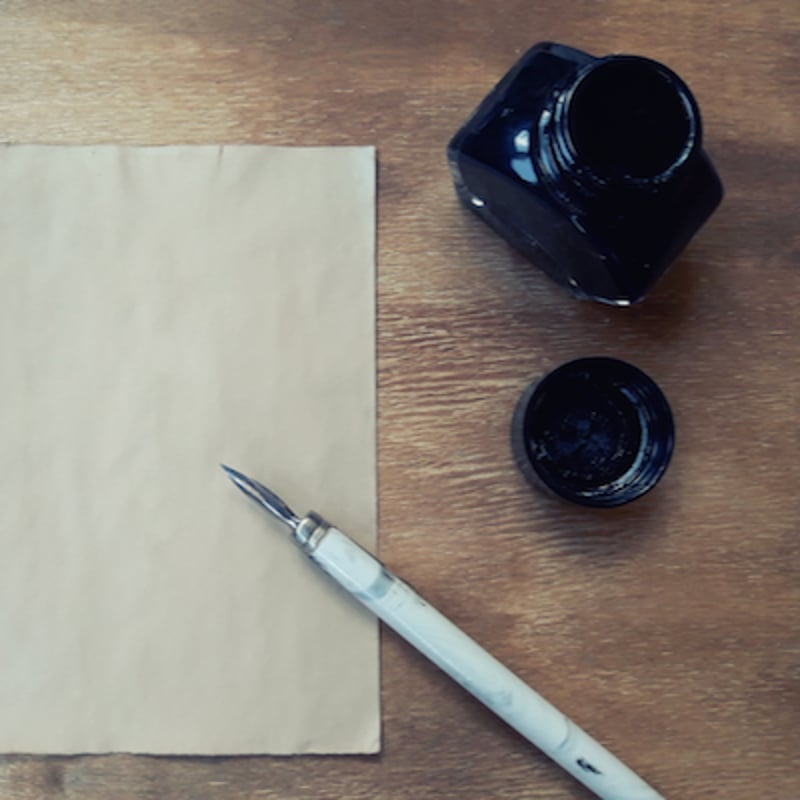
What is pen and ink?
Pen and ink is a traditional drawing technique that involves using a dip pen with India ink on paper. The fine tip of the dip pen is ideal for creating varied lines and detailed shading. Some artists prefer using a fountain pen with an ink reservoir for greater convenience.
Show All
- Show All
- Established
- Discoveries
Show All
- Show All
Artworks Related to Pen and ink
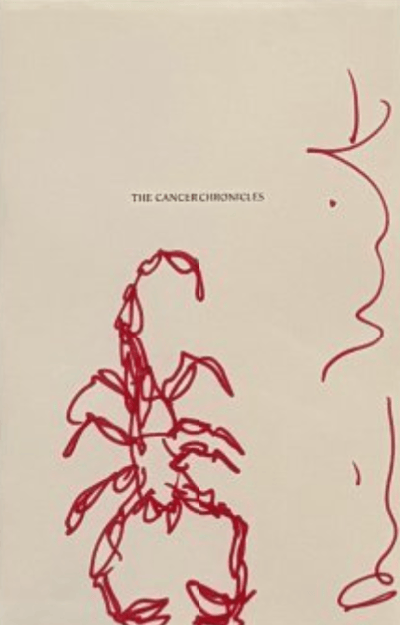
Damien Hirst
Untitled - Scorpion, 2003
Drawing / Watercolor
Pen and ink
Inquire For Price
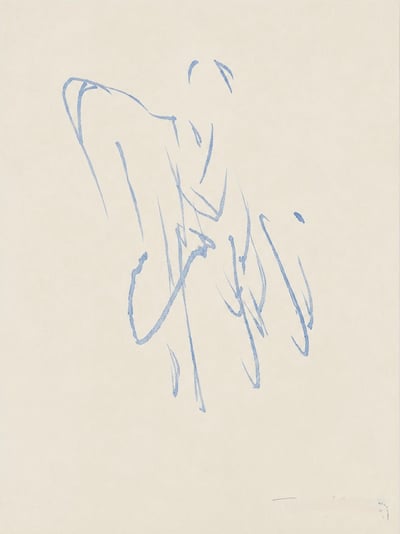
Jean Tinguely
Meta – Matic N9, 1960
Drawing / Watercolor
Pen and ink
EUR 500
Andy Warhol
Private Listing
Drawing / Watercolor
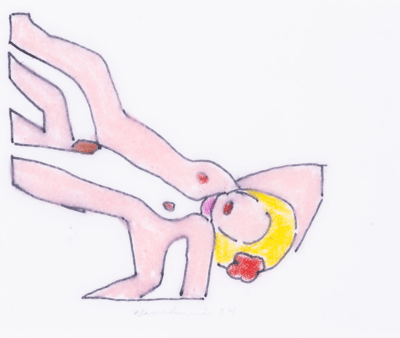
Tom Wesselmann
Study For Sunset Nude With Choker, 2004
Drawing / Watercolor
Pen and ink
Inquire For Price
Andy Warhol
Private Listing
Drawing / Watercolor
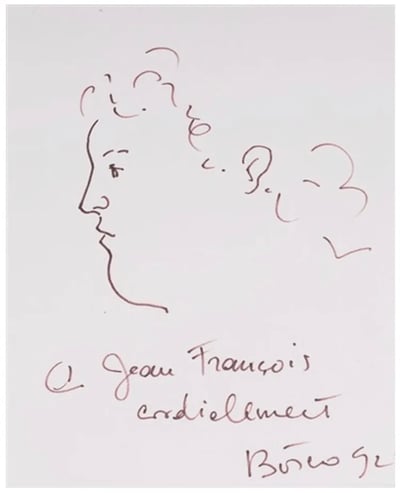
Fernando Botero
Profile de Jeune Homme, 1992
Drawing / Watercolor
Pen and ink
USD 17,900
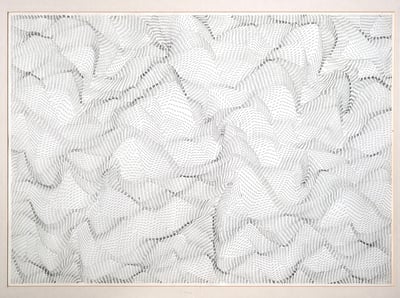
Dadamaino
Il movimento delle cose, 1994
Drawing / Watercolor
Pen and ink
EUR 8,350
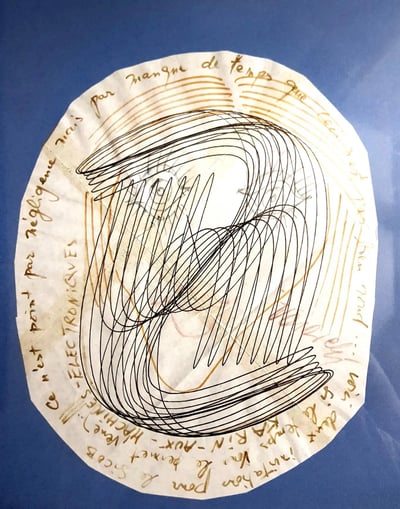
Victor Vasarely
Face, 1970s
Drawing / Watercolor
Pen and ink
EUR 3,650
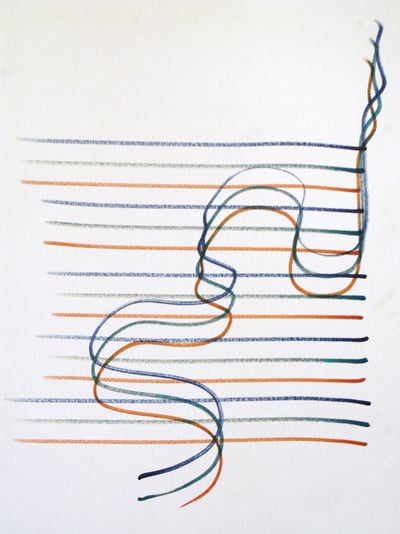
Yaacov Agam
Sketch #1b
Drawing / Watercolor
Pen and ink
USD 1,280
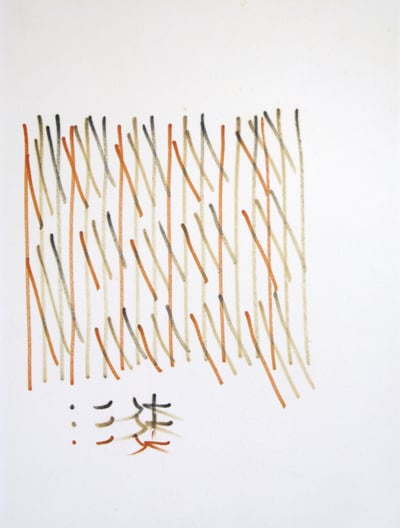
Yaacov Agam
Sketch #1
Drawing / Watercolor
Pen and ink
USD 1,280
Related Articles
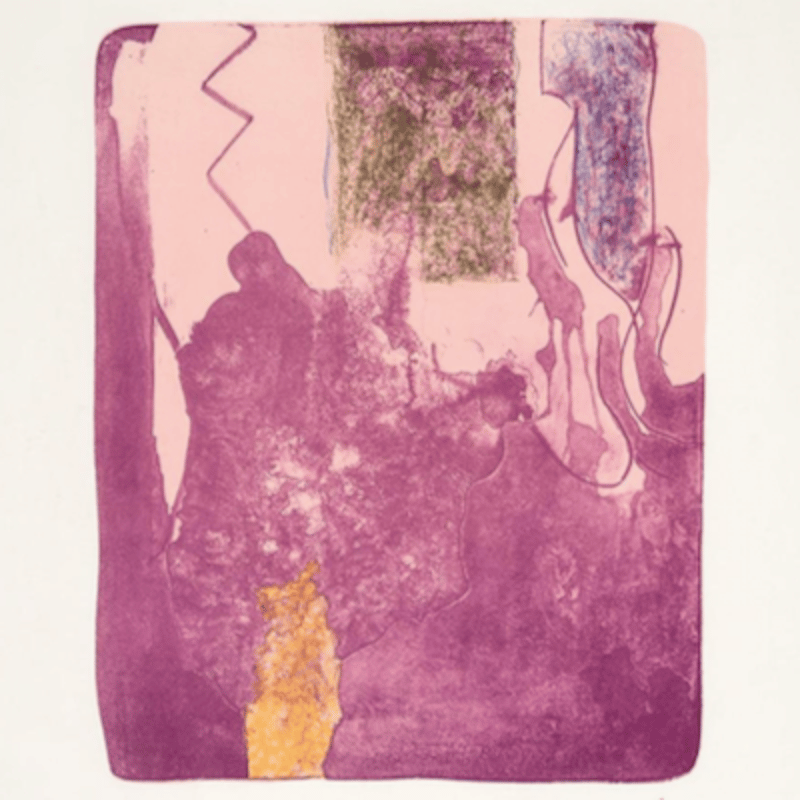
Abstract Expressionism is an art movement that emerged in the United States during the 1940s and 1950s. Characterized by large, abstract canvases, the movement emphasized spontaneous, expressive brushwork and the use of color and form to convey emotion rather than represent reality. Artists like Jackson Pollock, Mark Rothko, and Willem de Kooning are key figures in this movement. Abstract Expressionism marked a shift in the art world, making New York City a center of the international art scene.

Video art is an art form that uses video and audio data, primarily featuring moving images. It emerged in the late 1960s and early 1970s with the advent of new technology and consumer video equipment that became accessible beyond corporate broadcasting. Video art can take many forms, including broadcast recordings, installations in museums or galleries, online streamed works, videotapes, and performances incorporating video monitors, television sets, or projections that display live or recorded sounds and images.
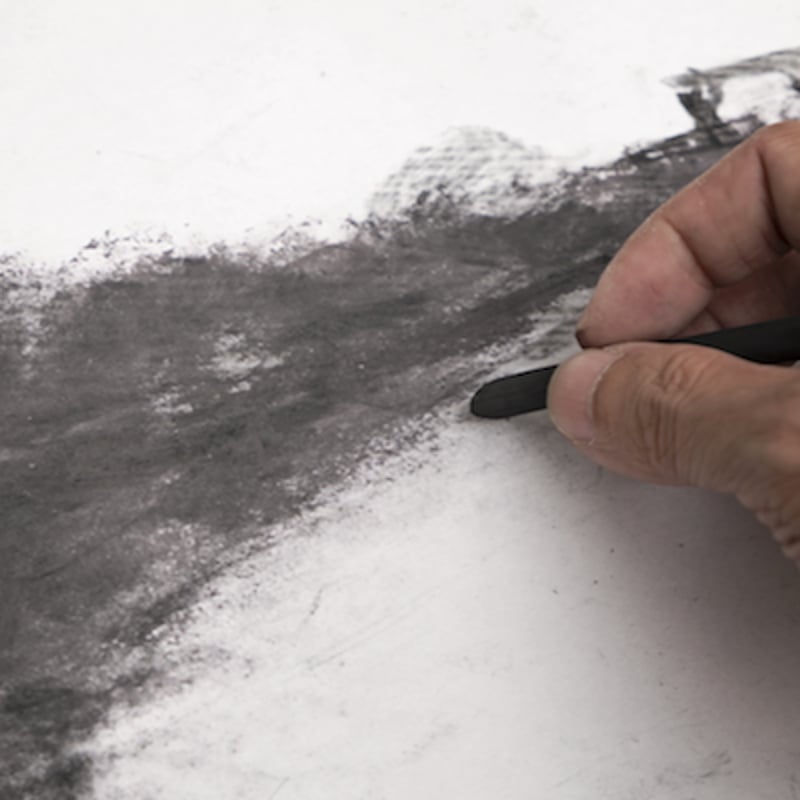
Charcoal is made from charred wood and is used in both initial sketches and finished drawings. It can be easily smudged or erased, making it versatile for corrections. To make charcoal drawings permanent, a fixative like resin or gum is required. It’s especially useful for sketching first ideas on walls or canvas.
Can't find your Answer?
Thank you! Your question has been sent — we'll get back to you shortly.
