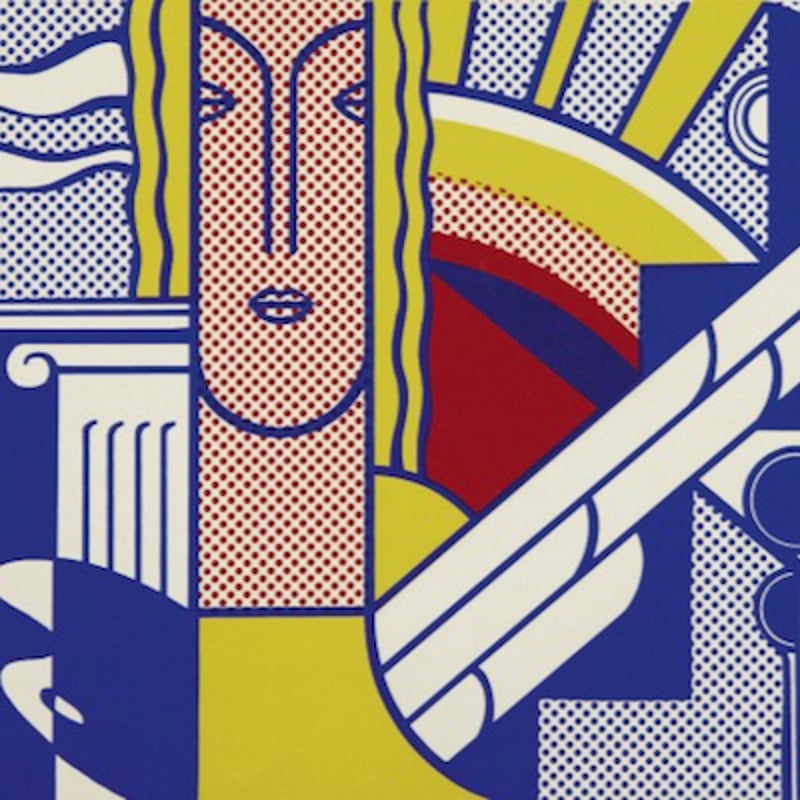
What is late modernism?
- Show All
- Established
- Discoveries
- Show All
Artworks Related to Late modernism

Jasper Johns
Hinged Canvas, 1971
Limited Edition Print
Lithograph
USD 5,000

Jasper Johns
Untitled (from The Geldzahler Portfolio), 1998
Limited Edition Print
Etching
USD 6,300

Jasper Johns
Valentine, 2010
Limited Edition Print
Etching and Aquatint
Currently Not Available
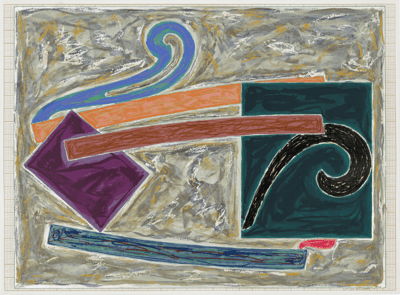
Frank Stella
Inaccessible Island Rail, 1977
Limited Edition Print
Mixed Media
USD 17,750
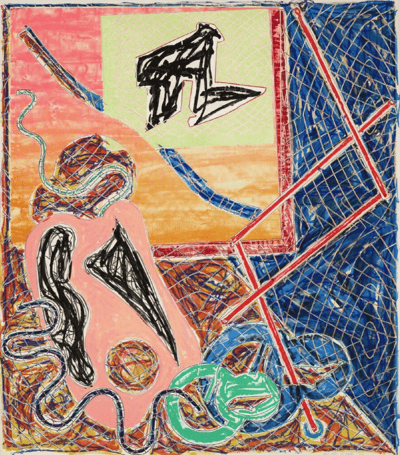
Frank Stella
Shards I, 1982
Limited Edition Print
Mixed Media
Inquire For Price
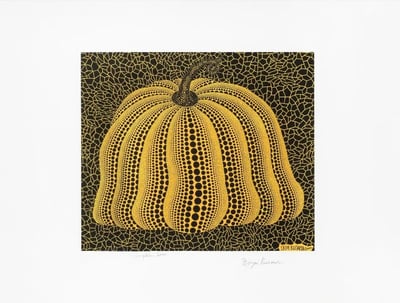
Yayoi Kusama
Pumpkin 2000 (Yellow), 2000
Limited Edition Print
Screen-print
Currently Not Available

Albert Ràfols-Casamada
Estiu-5, 1988
Limited Edition Print
Etching
EUR 450

Albert Ràfols-Casamada
Estiu-4, 1988
Limited Edition Print
Etching
EUR 450

Albert Ràfols-Casamada
Ocells-2 , 1993
Limited Edition Print
Etching
EUR 650

Albert Ràfols-Casamada
Gran-5, 2002
Limited Edition Print
Etching
EUR 700
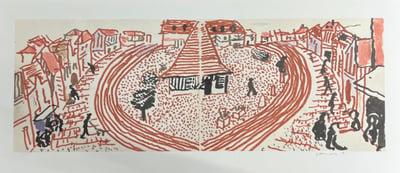
David Hockney
My Second Drawing of Beuvron-en-Auge, 2021
Limited Edition Print
Inkjet print
Inquire For Price
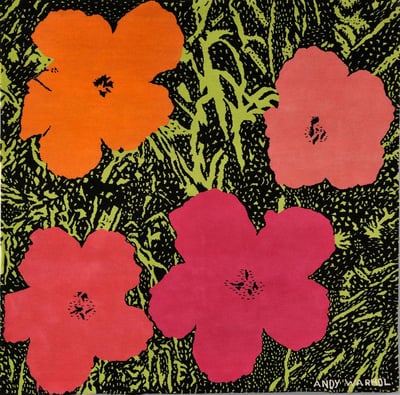
Andy Warhol
Flowers, 1968
Tapestry
Tapestry
EUR 25,000

Alexander Calder
Our Unfinished Revolution: Animals, 1976
Limited Edition Print
Lithograph
USD 9,600
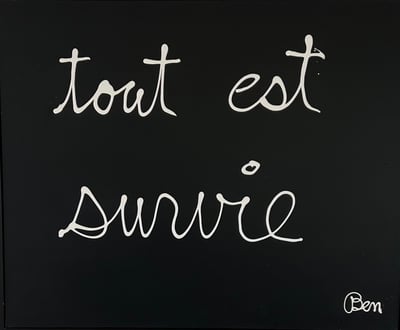
Ben Vautier
Tout est survie , 1994
Painting
Acrylic on canvas
EUR 17,900
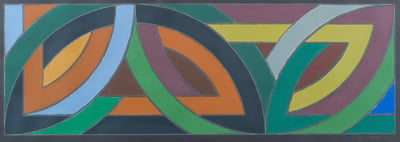
Frank Stella
York Factory II, 1974
Limited Edition Print
Screen-print
Currently Not Available
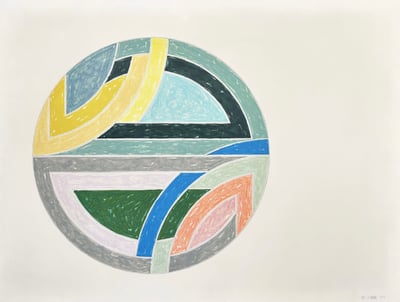
Frank Stella
Sinjerli Variation IIa, 1977
Limited Edition Print
Mixed Media
USD 18,500
Related Articles
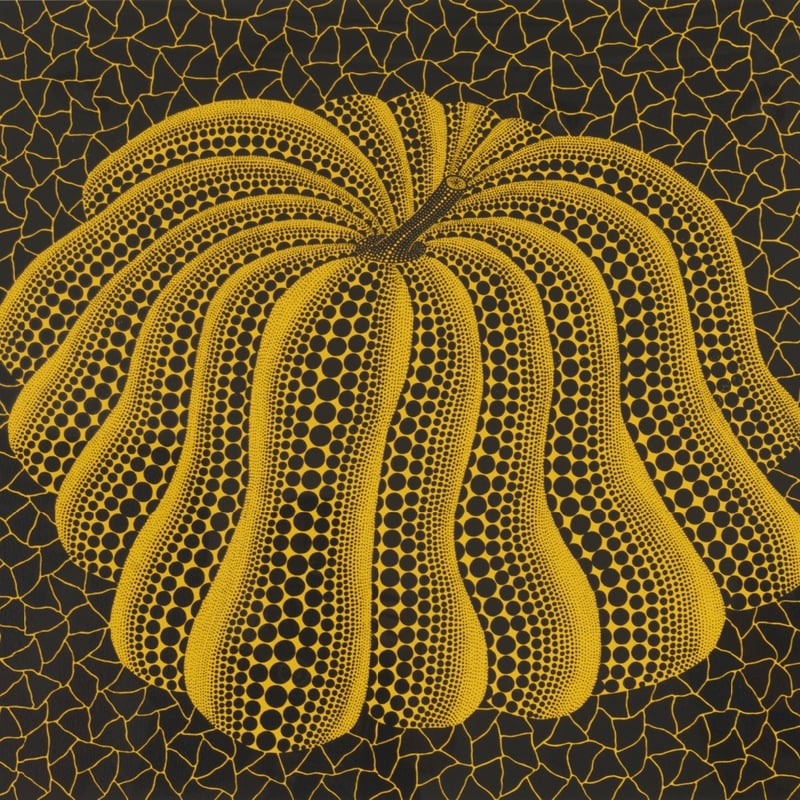
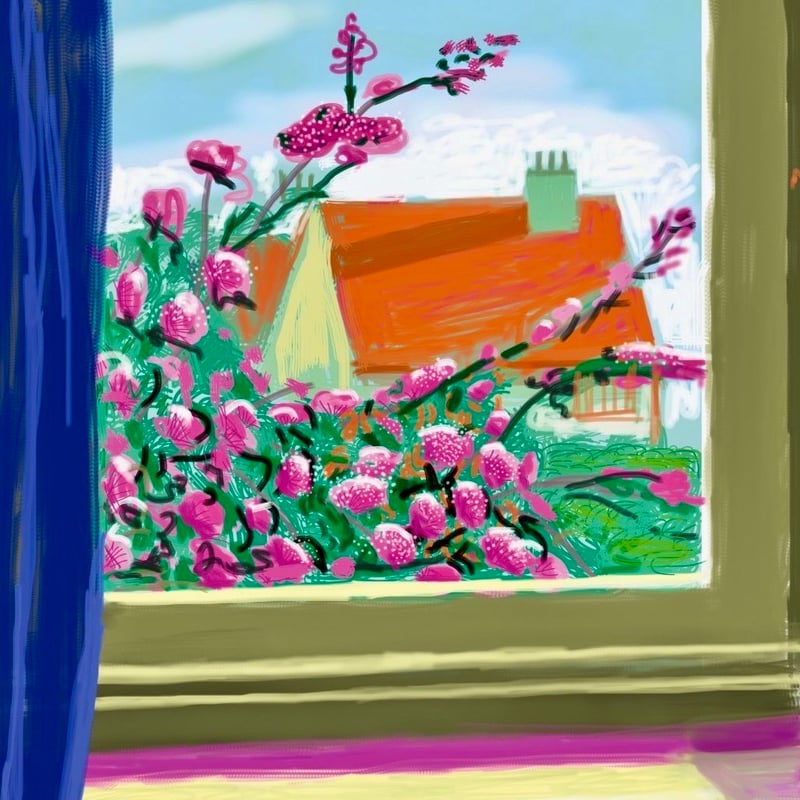


Massurrealism is a portmanteau word coined by American artist James Seehafer in 1992. He observed a trend among postmodern artists who blended themes and aesthetic styles with mass media, including elements of pop art. Massurrealism is a development of surrealism that emphasizes the technological effects on the imagery of contemporary surrealism. The key difference between massurrealism and surrealism is that the latter was founded in Europe at the beginning of the 20th century, while massurrealism is rooted in the influence of modern technology and media.
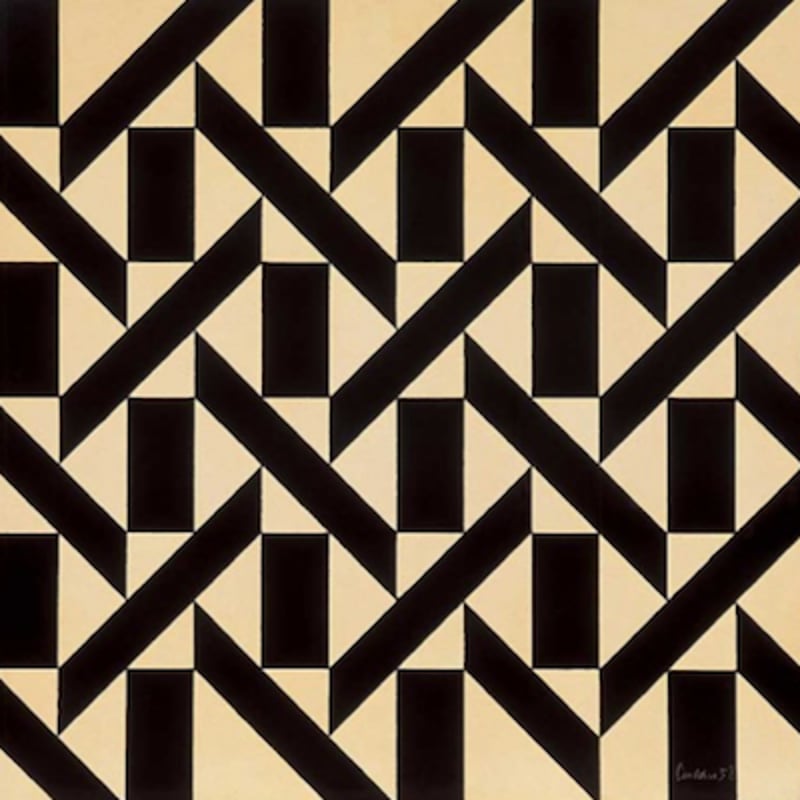
Grupo Ruptura was an organization formed in Brazil by artists who sought to break away from traditional naturalist painting in favor of geometric abstract art. In the early 1950s, the group published the Ruptura Manifesto, advocating for new art for a new country. The manifesto emphasized a departure from the past and a commitment to innovation, aligning with the modernist vision of Brazil as a forward-looking nation.
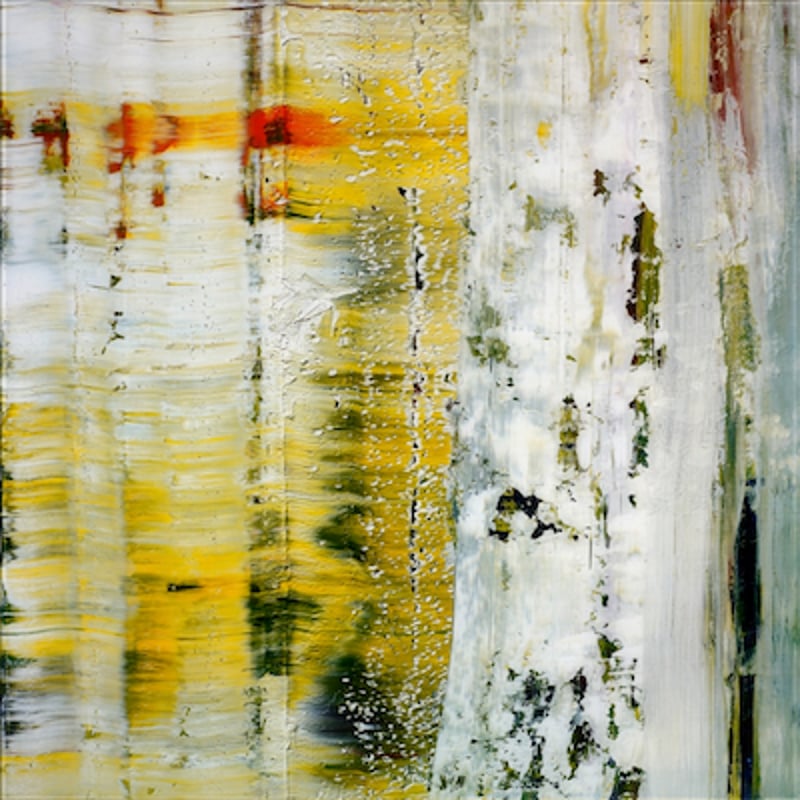
Capitalist Realism is a German form of political pop art that emerged in Cold War-era Berlin in 1963. It sought to challenge the dominance of American pop art in the Western world. The movement blended the ideologies of both pop art and socialist realism, offering a critique of consumer culture and political power.
Can't find your Answer?
Thank you! Your question has been sent — we'll get back to you shortly.
