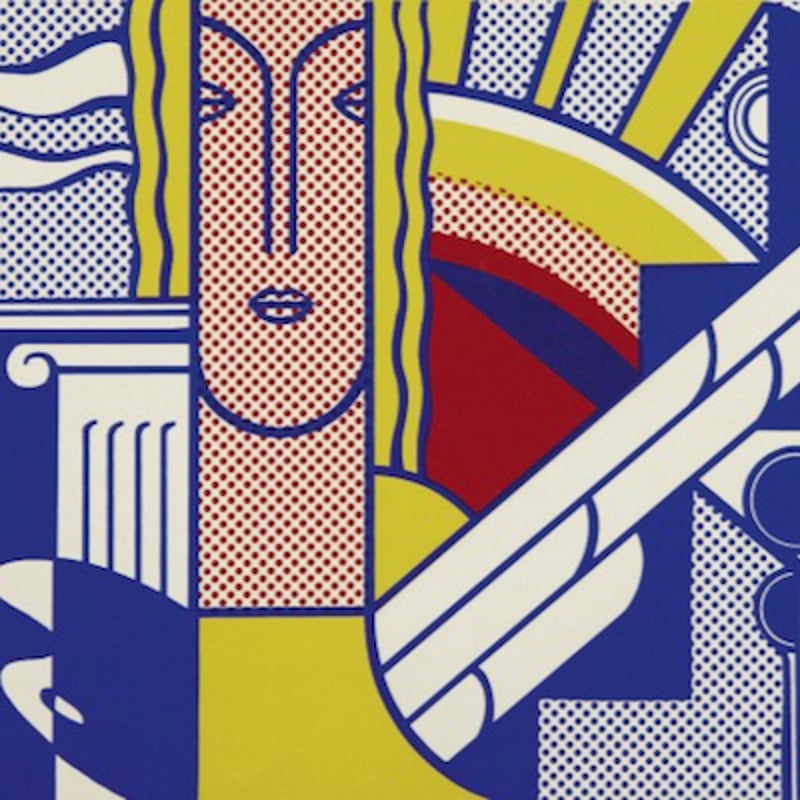
What is late modernism?
- Show All
- Established
- Discoveries
- Show All
Artworks Related to Late modernism
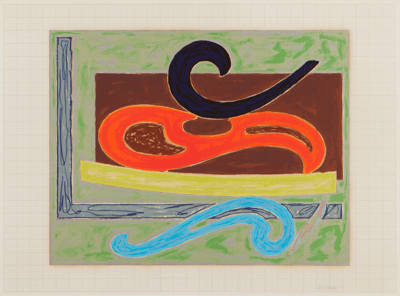
Frank Stella
Eskimo Curlew, 1977
Limited Edition Print
Mixed Media
USD 12,500
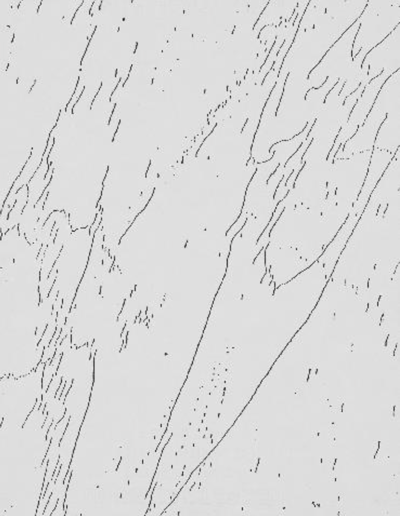
Andy Warhol
Mao (Unique), 1973
Limited Edition Print
Mixed Media
Inquire For Price
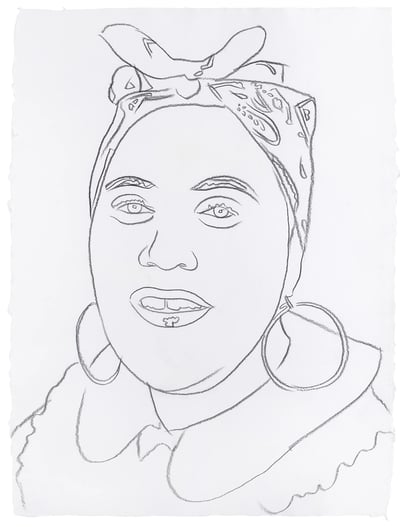
Andy Warhol
Mammy (drawing), 1981
Drawing / Watercolor
Graphite
USD 37,800

Zao Wou-Ki
Composition, 1967
Limited Edition Print
Etching
EUR 3,750

Victor Vasarely
Composition
Limited Edition Print
Lithograph
EUR 1,350

Henry Moore
Album internacional, 1973
Limited Edition Print
Lithograph
EUR 1,150
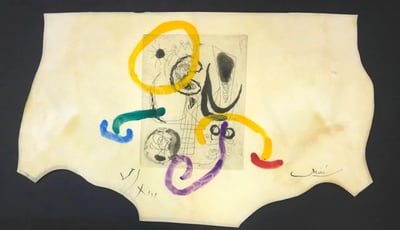
Joan Miró
Series III, 1952
Limited Edition Print
Etching
EUR 25,900

Joan Miró
Préparatifs d'oiseaux IV, 1963
Limited Edition Print
Aquatint
EUR 7,790
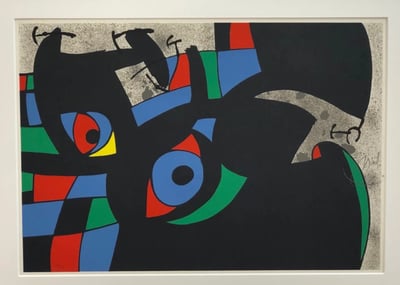
Joan Miró
El lagarto de las plumas de oro, 1971
Limited Edition Print
Lithograph
EUR 7,200
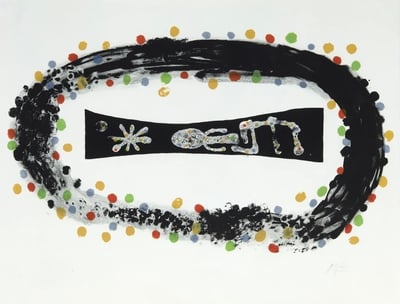
Joan Miró
Nebuleuse, 1958
Limited Edition Print
Lithograph
EUR 5,625

Joan Miró
Le Courtisan Grotesque VI, 1974
Limited Edition Print
Etching and Aquatint
EUR 3,125
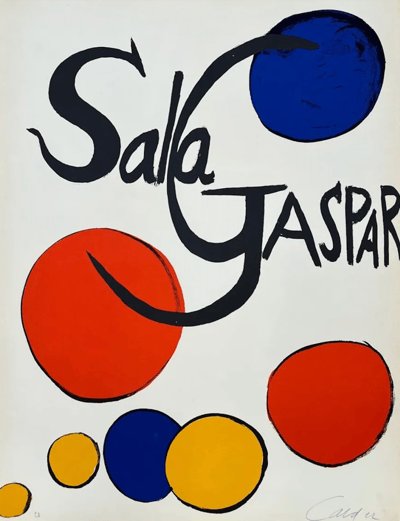
Alexander Calder
Sala Gaspar, 1973
Limited Edition Print
Lithograph
EUR 1,350
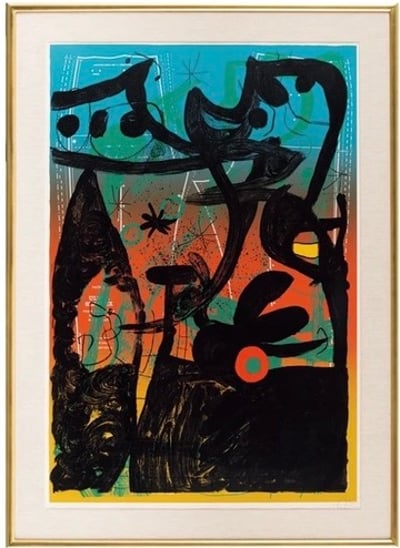
Joan Miró
Mannequin Parade in Bahia, 1969
Limited Edition Print
Lithograph
USD 40,500
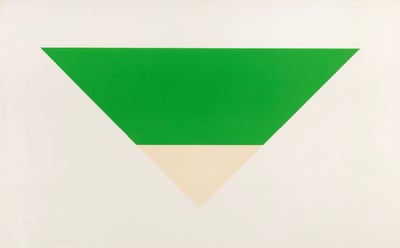
Ellsworth Kelly
Green/White, 1971
Limited Edition Print
Lithograph
Currently Not Available

Joan Miró
Terres de Grand Feu, 1956
Limited Edition Print
Lithograph
USD 4,500
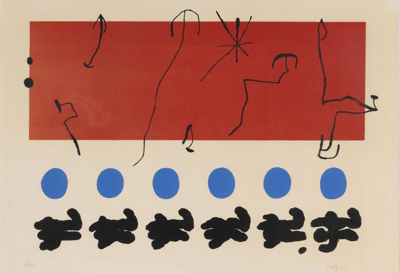
Joan Miró
Ciel rouge, 1960
Limited Edition Print
Lithograph
USD 4,850
Related Articles
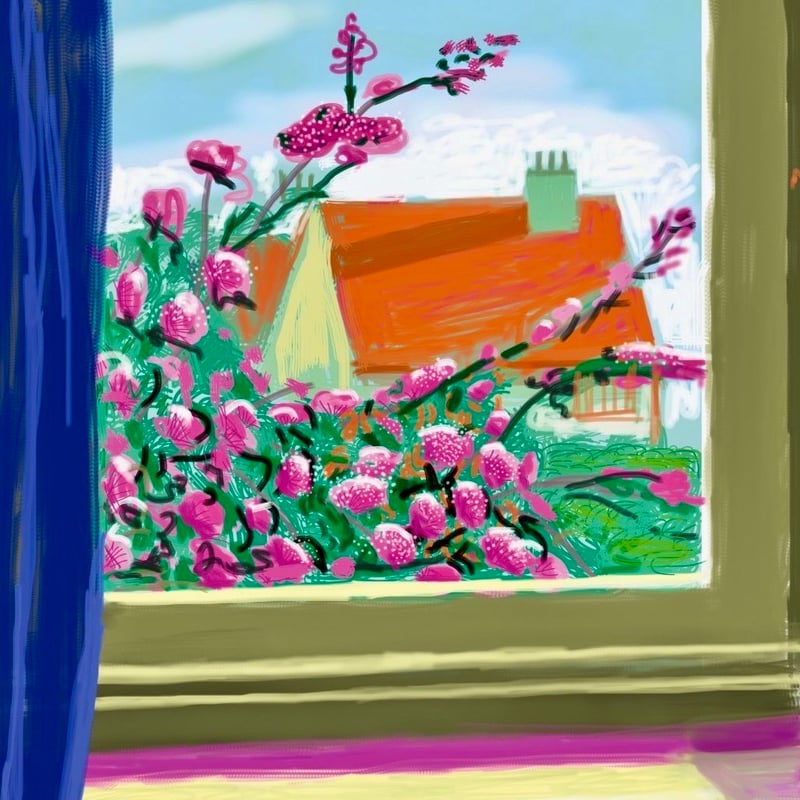

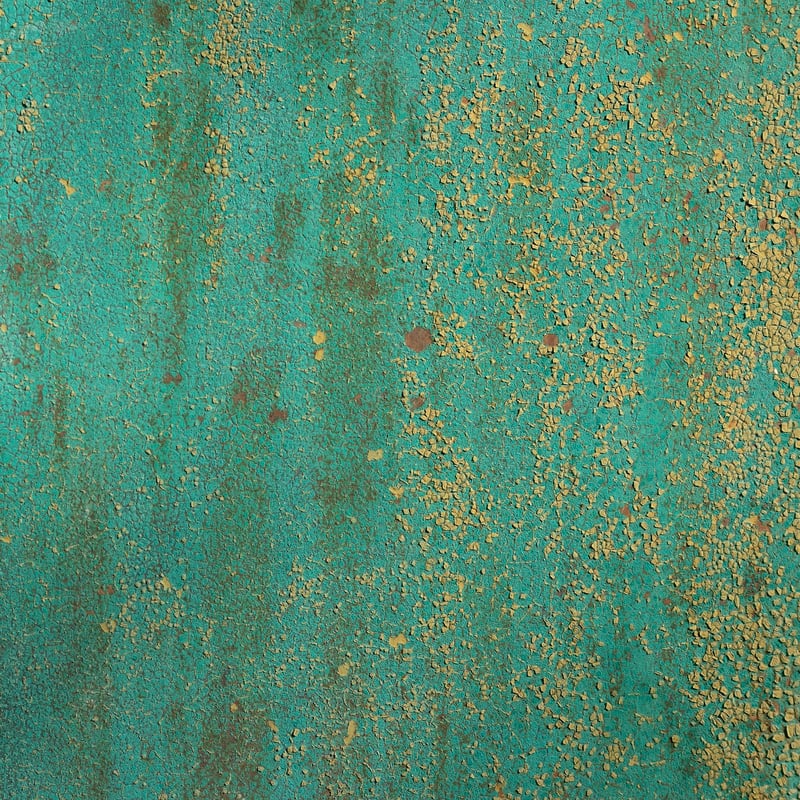
Patina is the distinctive greenish surface that bronze develops over time due to exposure to air and humidity. Artists can also apply chemicals to bronze to artificially create patina. Alternatively, bronze can be polished to reveal its natural rich gold color. Patina is not exclusive to bronze; it can also occur on other metals like copper and even on wood and stone, enhancing the material's character over time.

Futurism was an early 20th-century art movement that sought to capture the energy and dynamism of the modern world. The movement was launched by Italian poet Filippo Tommaso Marinetti, who published the Manifesto of Futurism on February 20, 1909. Futurism denounced the past and passionately embraced technology, industry, and the speed of modern life.
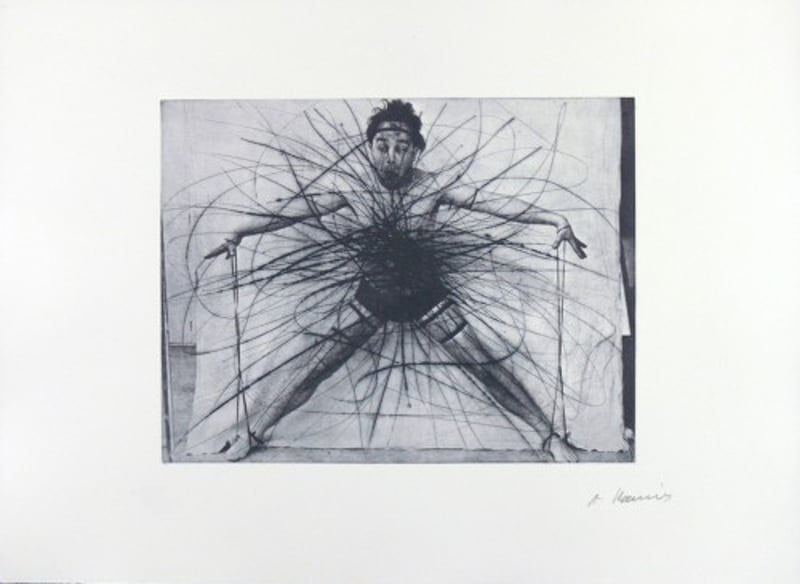
Etching is a technique where a design is created on a metal surface by using a strong acid or mordant to eat away the unprotected parts of the metal, leaving the desired pattern in relief (intaglio). In modern art and manufacturing, different chemicals may be used depending on the material being etched.
Can't find your Answer?
Thank you! Your question has been sent — we'll get back to you shortly.
