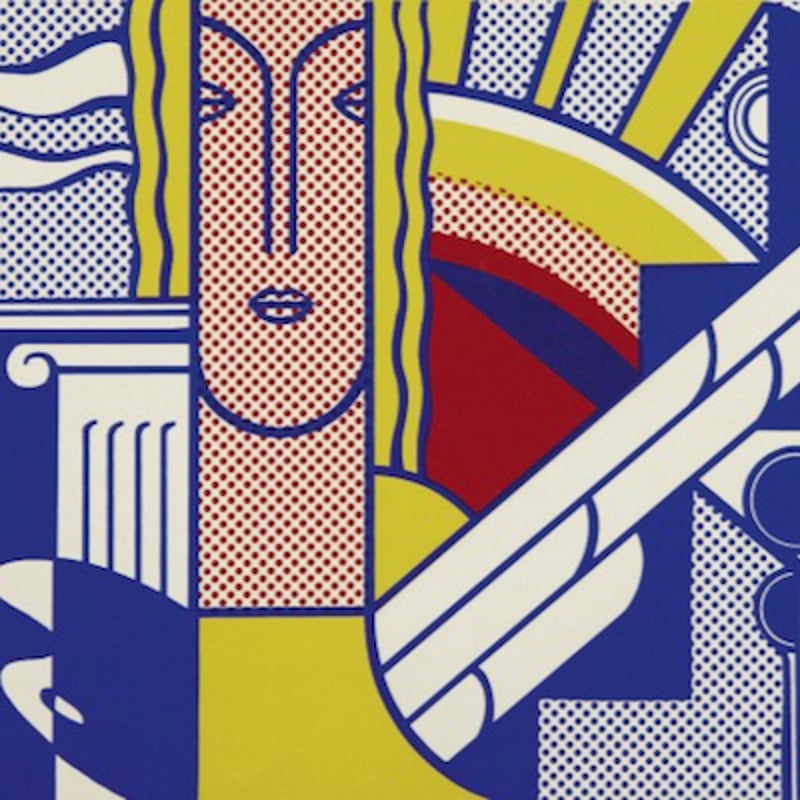
What is late modernism?
- Show All
- Established
- Discoveries
- Show All
Artworks Related to Late modernism

Alexander Calder
McGovern for Government, 1974
Limited Edition Print
Lithograph
USD 1,350

Alexander Calder
Clown, 1976
Limited Edition Print
Lithograph
USD 6,190
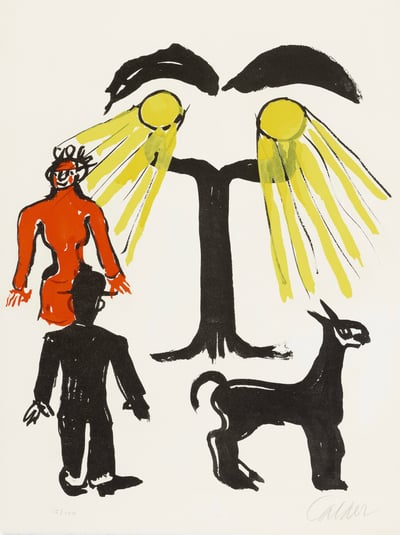
Alexander Calder
Cinema on Hommage a Man Ray, 1974
Limited Edition Print
Lithograph
USD 2,600
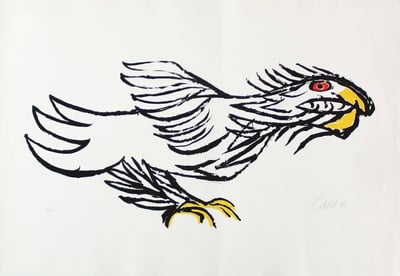
Alexander Calder
L'Aigle, 1973
Limited Edition Print
Lithograph
USD 4,450

Andy Warhol
Open this end (Paper dress), 1962-1964
Limited Edition Print
Mixed Media
Inquire For Price
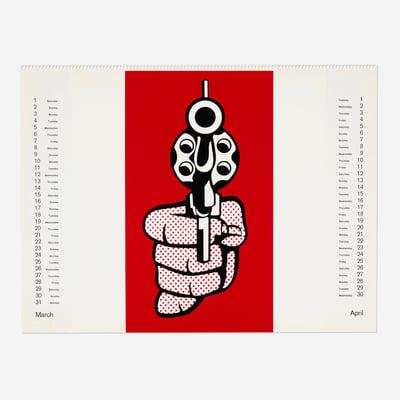
Roy Lichtenstein
Pistol (from Banner, Multiples Calendar, 1968
Limited Edition Print
Screen-print
USD 4,600

Frank Stella
Moultonville, 1974
Limited Edition Print
Mixed Media
USD 7,625

Robert Rauschenberg
Pre-Morocco, 1983
Limited Edition Print
Lithograph
USD 2,750

Red Grooms
Dali Salad, 1980
Limited Edition Print
Mixed Media
USD 5,625

Frank Stella
Noguchi's Okinawa Woodpecker, 1977
Limited Edition Print
Mixed Media
Inquire For Price

Frank Stella
Giuf à e la berretta rossa, 1989
Limited Edition Print
Mixed Media
USD 28,750

Frank Stella
Pergusa Three Double, 1984
Limited Edition Print
Mixed Media
USD 50,000 - 60,000
Frank Stella
Private Listing
Drawing / Watercolor
Frank Stella
Private Listing
Drawing / Watercolor
Frank Stella
Private Listing
Sculpture / Object

Andy Warhol
Mick Jagger (F & S II.145), 1975
Limited Edition Print
Screen-print
Inquire For Price
Related Articles
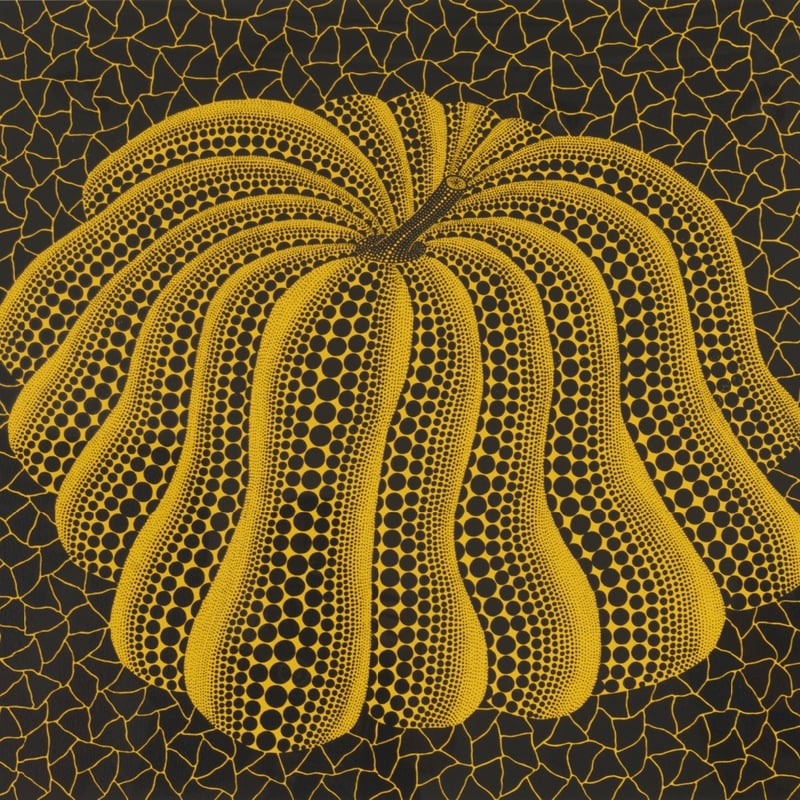
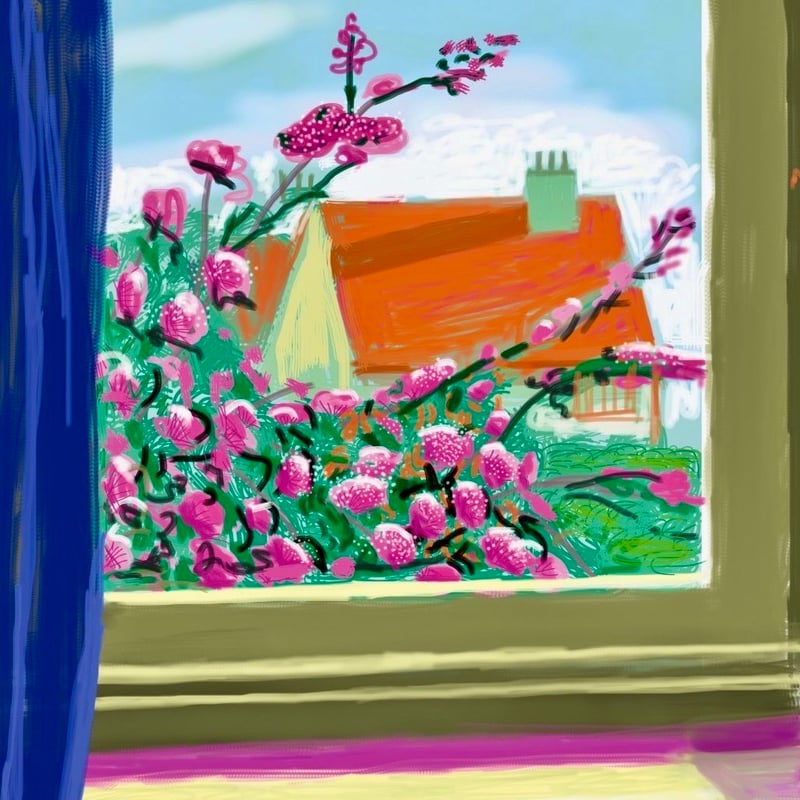
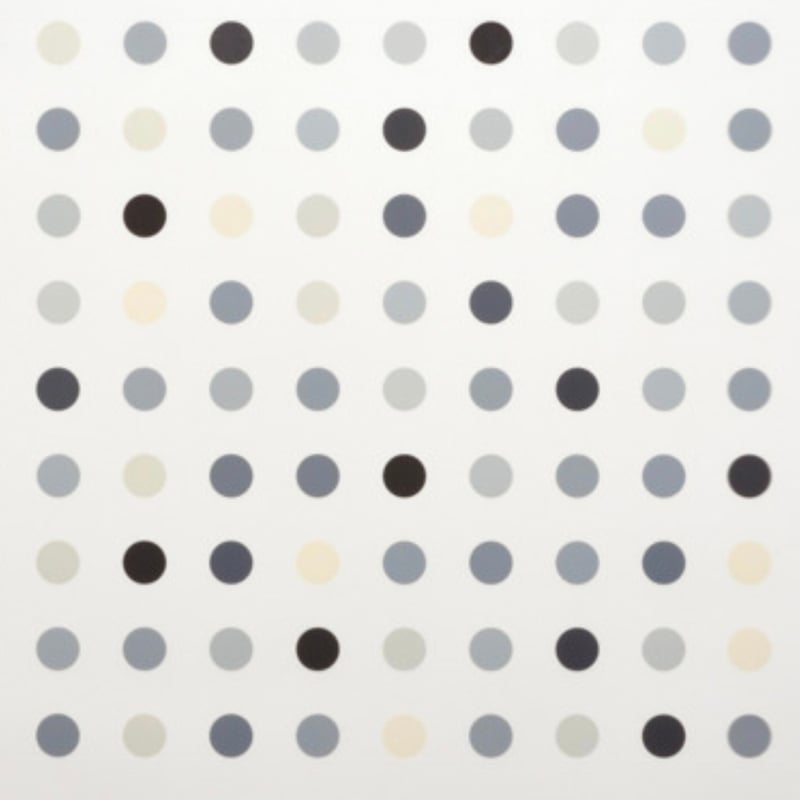
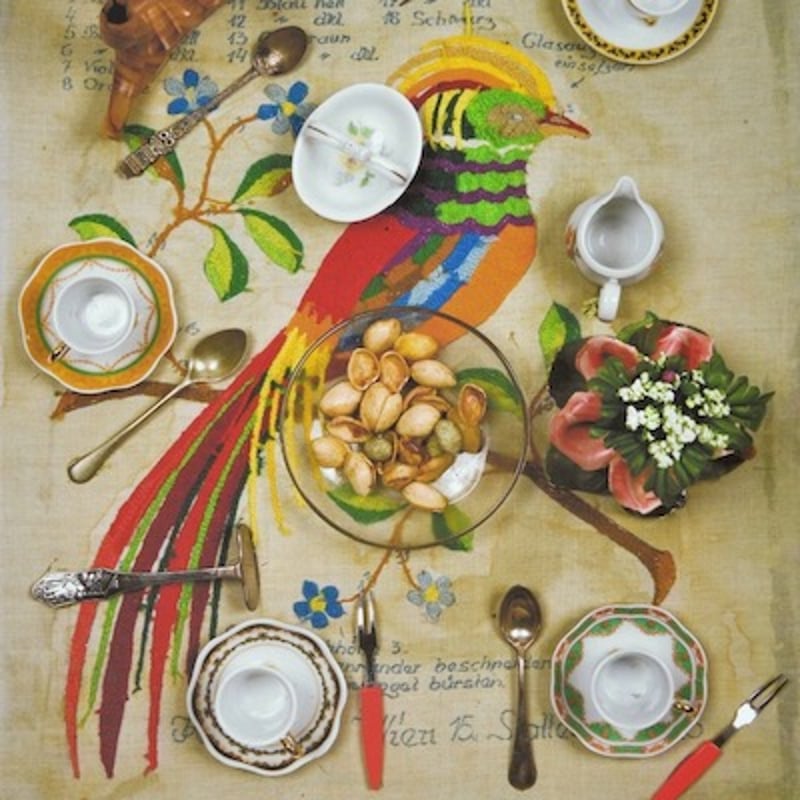
EAT (Experiments in Art and Technology) was a movement formed to foster collaborations between engineers and artists. It facilitated direct, person-to-person connections between these two groups. The movement was originally launched in 1967 by artists Robert Whitman and Robert Rauschenberg, along with engineers Fred Waldhauer and Billy Klüver. EAT carried out various projects and activities that expanded the role of artists in contemporary society, encouraging the integration of art and technology.
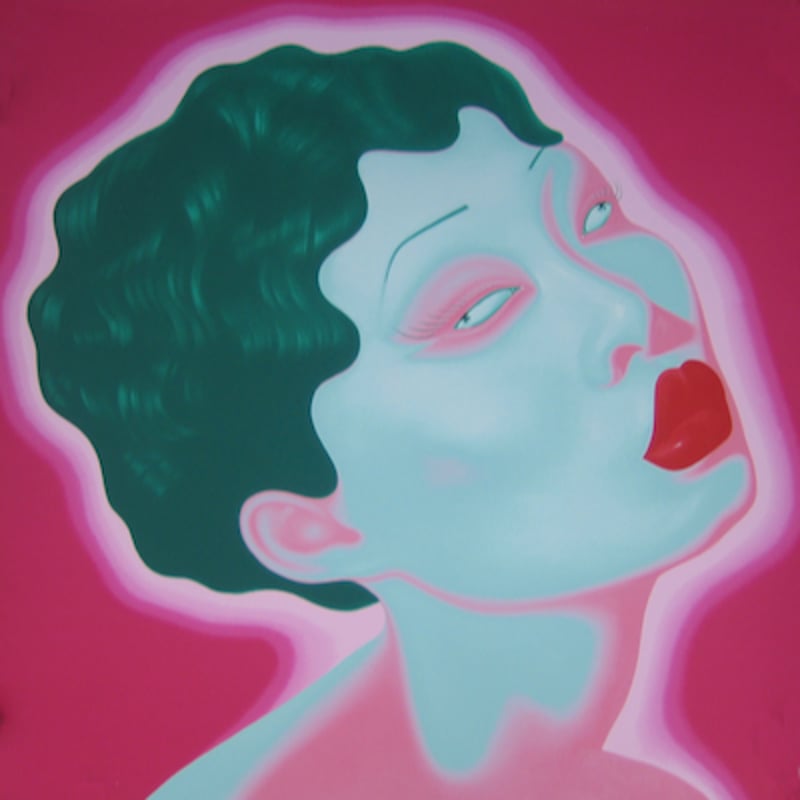
Chinese Contemporary Art is marked by a wide range of styles and experimental approaches. In the 1980s, avant-garde exhibitions were often shut down by government officials. The 1990s saw the rise of political pop and cynical realism, while China's One-Child Policy influenced artists to explore the individual as a subject matter.
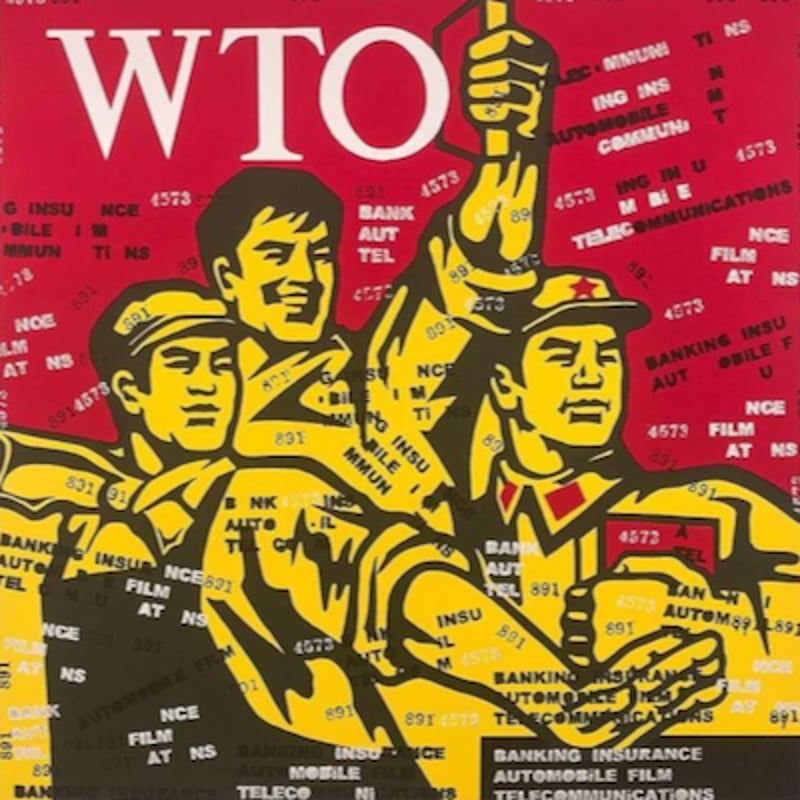
Political Pop was an art movement that emerged in China during the 1980s, blending the Pop Art style of Western countries with the socialist realism of China. This movement arose during a time of rapid social and political change in China, as artists sought to create works that questioned and critiqued these cultural shifts. Political Pop often juxtaposed iconic images from Chinese propaganda with Western consumer culture, highlighting the tensions between tradition and modernization.
Can't find your Answer?
Thank you! Your question has been sent — we'll get back to you shortly.
