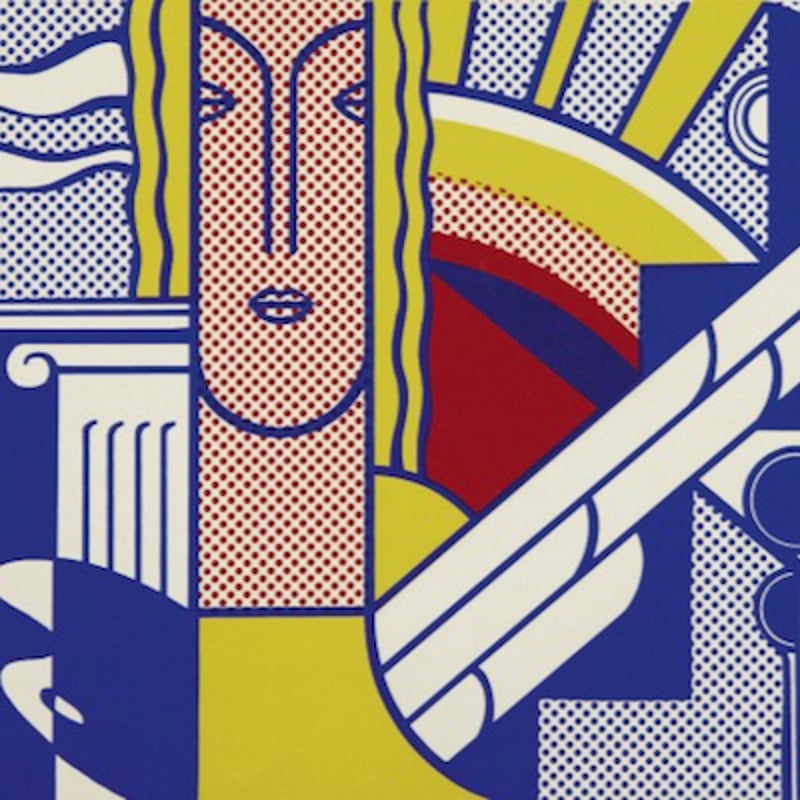
What is late modernism?
- Show All
- Established
- Discoveries
- Show All
Artworks Related to Late modernism
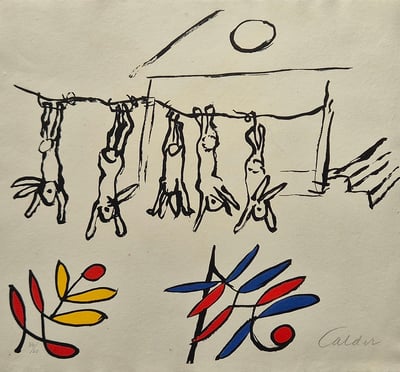
Alexander Calder
One Plate from The Sacrilege of Alan Kent, 1976
Limited Edition Print
Aquatint
USD 4,600
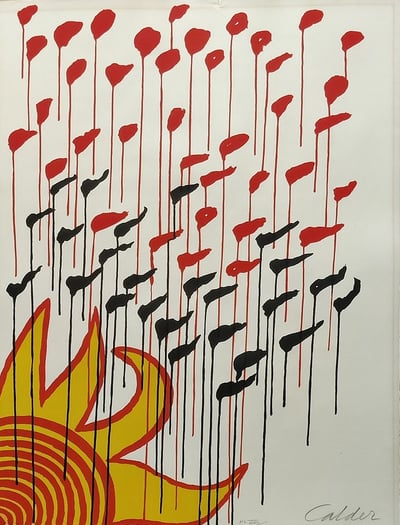
Alexander Calder
Rain, 1972
Limited Edition Print
Lithograph
USD 5,800
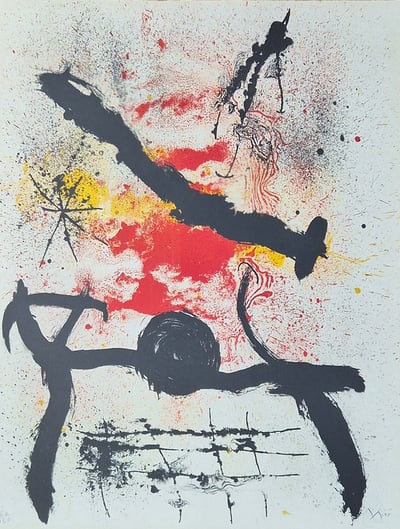
Joan Miró
Untitled from Graphikmappe Hochschule St. Gallen, 1964
Limited Edition Print
Lithograph
USD 6,800
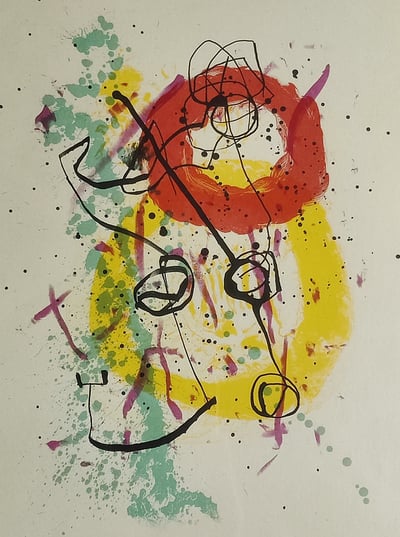
Joan Miró
Composition for from XXe Siecle, No. 16, 1961
Limited Edition Print
Lithograph
USD 7,500
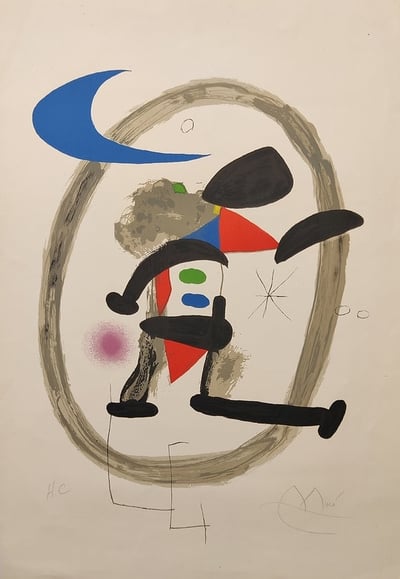
Joan Miró
Arlequin Circonscrit, 1973
Limited Edition Print
Lithograph
USD 8,450
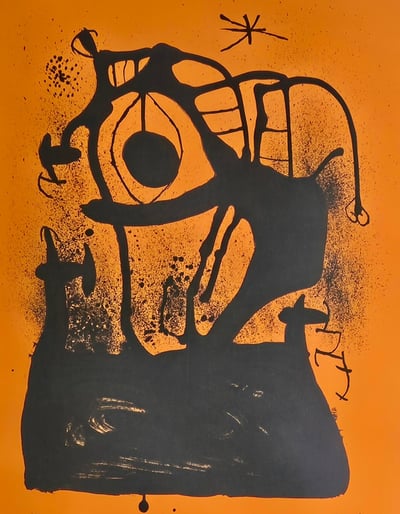
Joan Miró
L'Hypnotiseur (orange), 1969
Limited Edition Print
Lithograph
USD 8,800
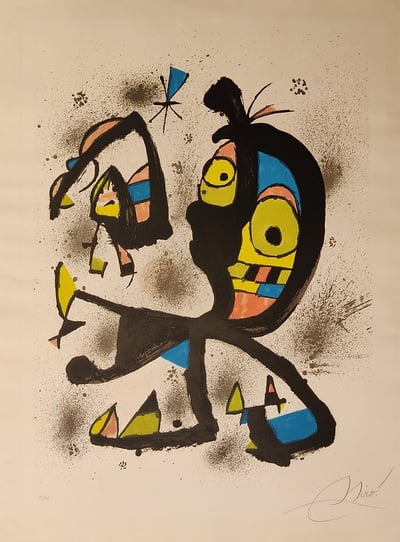
Joan Miró
Obra Gràfica, 1980
Limited Edition Print
Lithograph
USD 9,900
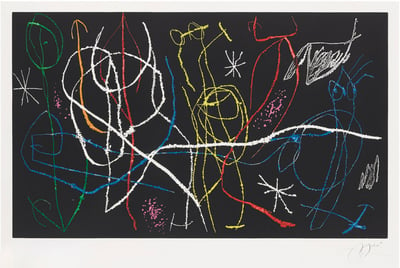
Joan Miró
Sunday Guest III (L'Invitée du Dimanche), 1969
Limited Edition Print
Etching
USD 10,900
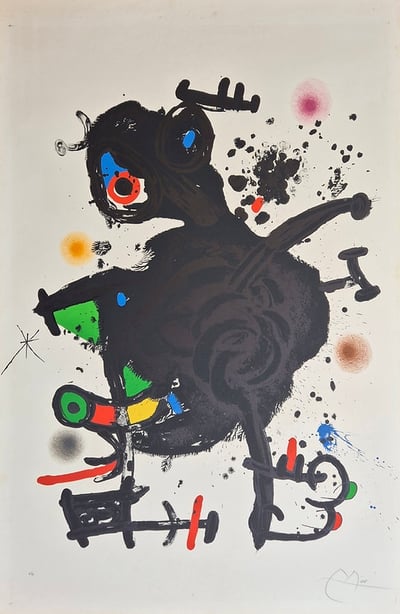
Joan Miró
Le gourou déployé, 1971
Limited Edition Print
Lithograph
USD 23,000
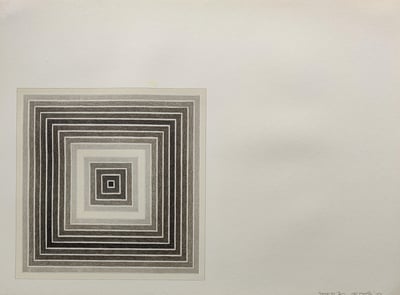
Frank Stella
Sharpesville, from Multicolored Squares I, 1972
Limited Edition Print
Lithograph
USD 7,000
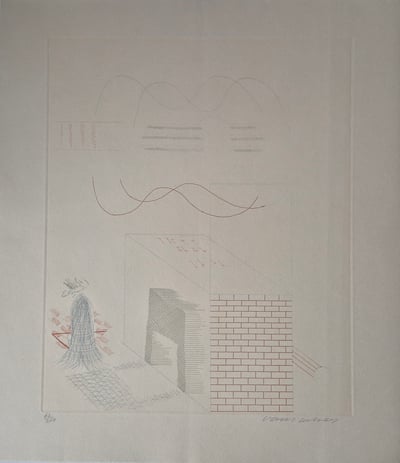
David Hockney
Buzzing of the Blue Guitar, 1977
Limited Edition Print
Etching
EUR 4,950
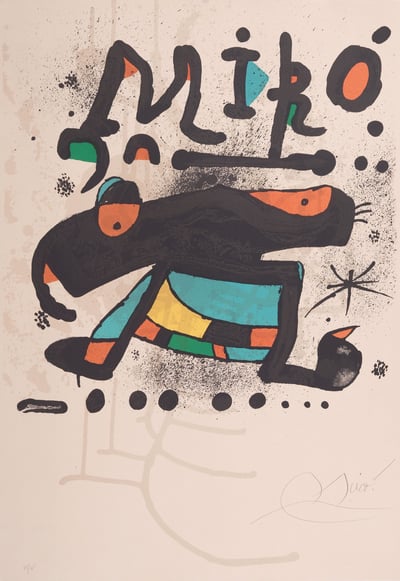
Joan Miró
Poster for the exhibition '100 sculptures', 1978
Limited Edition Print
Lithograph
USD 4,950
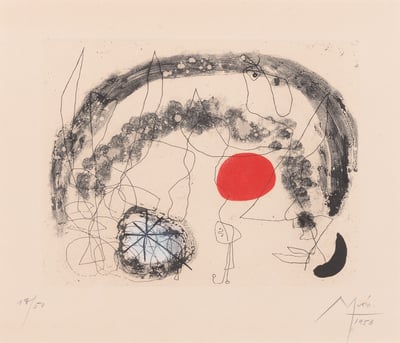
Joan Miró
One plate, from Série III, 1952-53
Limited Edition Print
Etching and Aquatint
USD 4,690
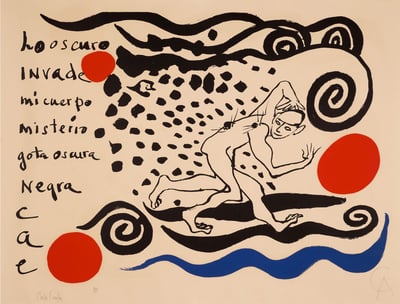
Alexander Calder
Lo oscuro invade, 1970
Limited Edition Print
Lithograph
USD 1,600
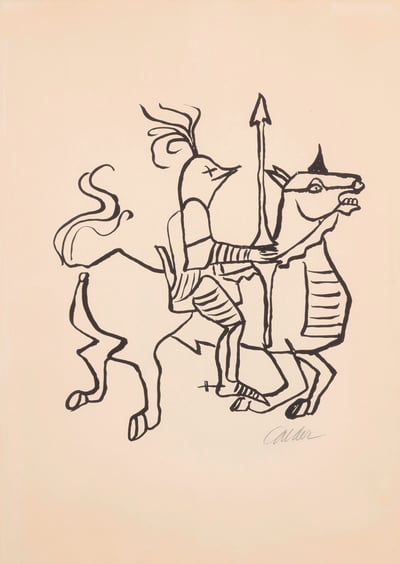
Alexander Calder
Le Chevalier, 1968
Limited Edition Print
Lithograph
USD 3,750
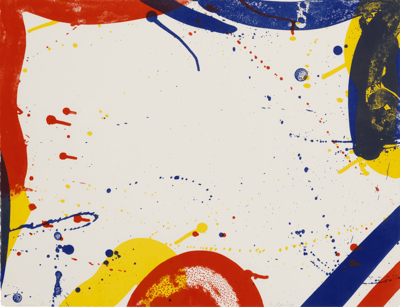
Sam Francis
Untitled (from Portfolio 9), 1967
Limited Edition Print
Lithograph
USD 6,000
Related Articles
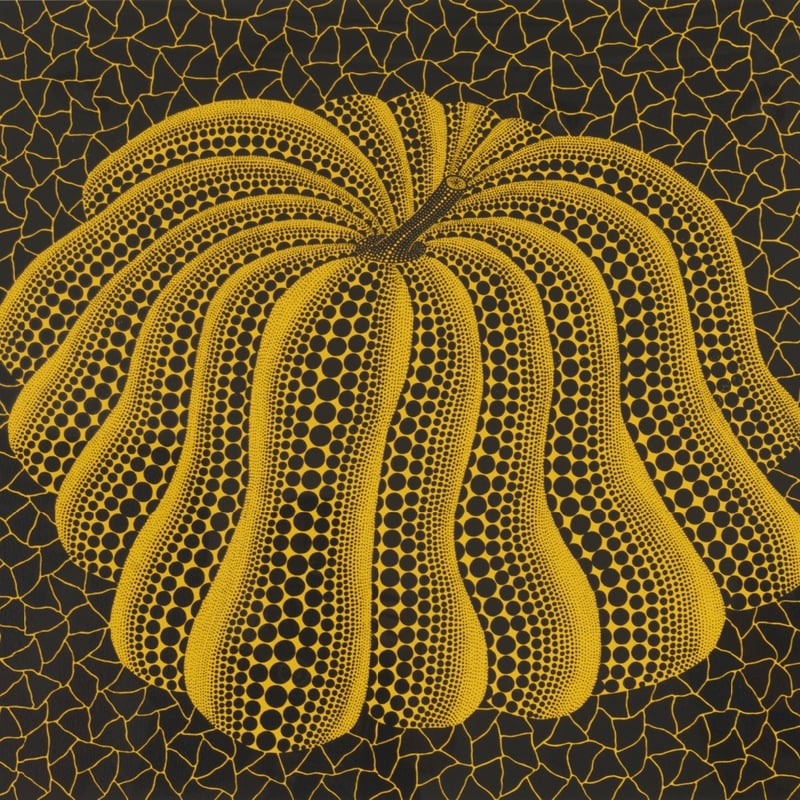



Performance Art is a genre of fine art that is traditionally interdisciplinary, involving various art forms. It can be scripted or unscripted, random or carefully orchestrated, spontaneous, or meticulously planned, with or without audience participation. Performance Art can be presented live or through media, with the artist either present or absent. It typically involves four basic elements: space, the performer’s body or presence through a medium, time, and the relationship between performer and audience. The artwork consists of actions performed by an individual or group in a specific time and space.
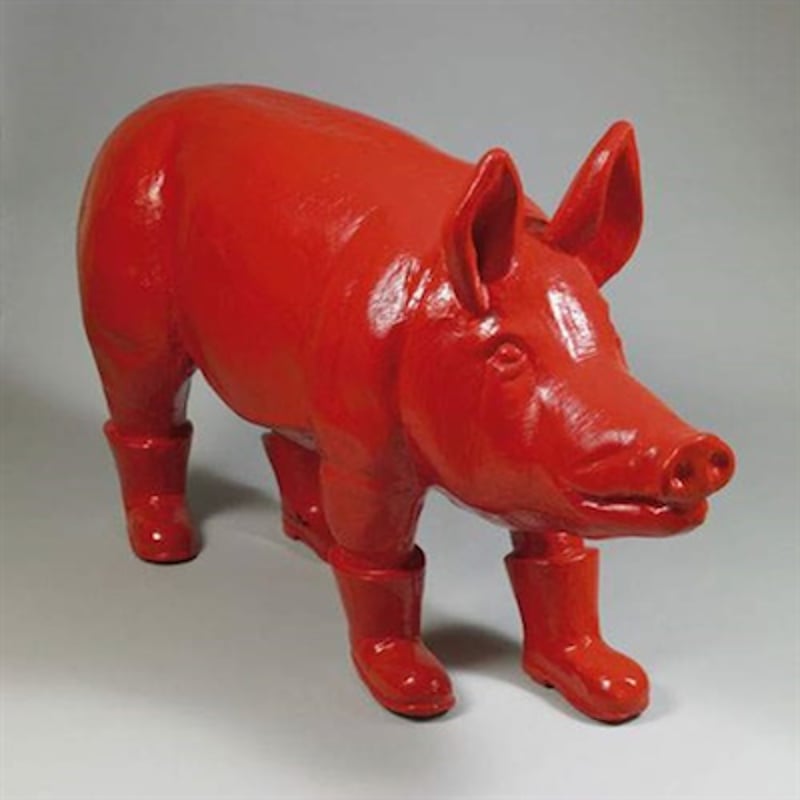
Kitsch is a term used to describe cheap, commercial, sentimental, or vulgar art and objects commonly associated with popular culture. The word is borrowed from German, where it originally means trash. Since the 1920s, kitsch has been used to denote the opposite of high art, often implying that the work lacks sophistication or artistic merit.
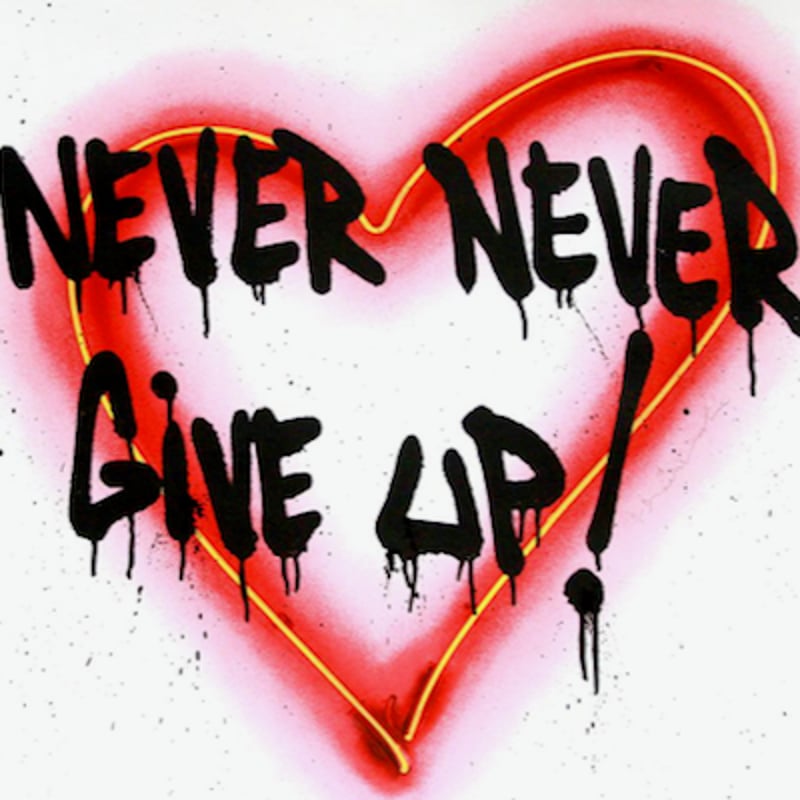
Graffiti art refers to drawings and writings that are painted, scratched, or scribbled on walls or other surfaces, typically in public spaces. This art form ranges from small tags to elaborate wall paintings. Graffiti has been in existence since ancient times, with examples dating back to the Roman Empire, Ancient Greece, and Ancient Egypt.
Can't find your Answer?
Thank you! Your question has been sent — we'll get back to you shortly.
