What is late modernism?
- Show All
- Established
- Discoveries
- Show All
Artworks Related to Late modernism
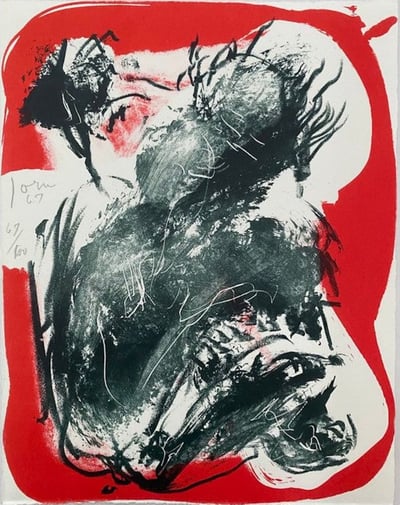
Asger Jorn
Sans titre, 1967
Limited Edition Print
Lithograph
EUR 2,550
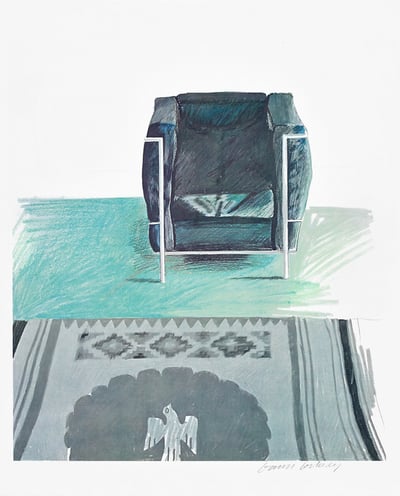
David Hockney
Corbusier Chair and Rug, 1969
Limited Edition Print
Offset Print
GBP 12,500 - 16,200
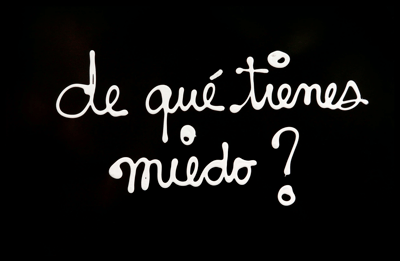
Ben Vautier
De qué tienes miedo?, 2006
Limited Edition Print
Screen-print
EUR 2,500
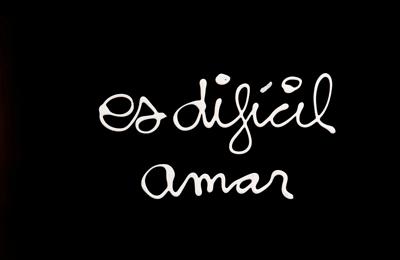
Ben Vautier
Es difícil amar, 2006
Limited Edition Print
Screen-print
EUR 2,500
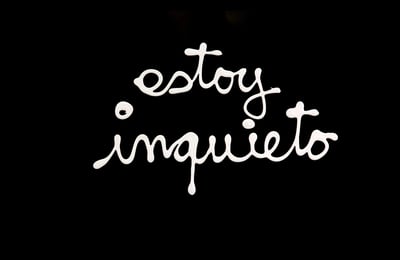
Ben Vautier
Estoy inquieto, 2006
Limited Edition Print
Screen-print
EUR 2,500
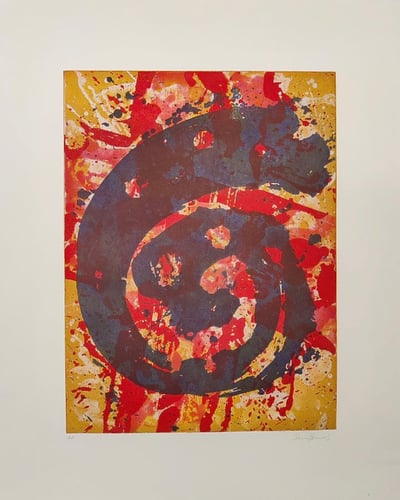
Sam Francis
Mehrfarbige Spirale, 1970
Limited Edition Print
Etching and Aquatint
USD 5,250
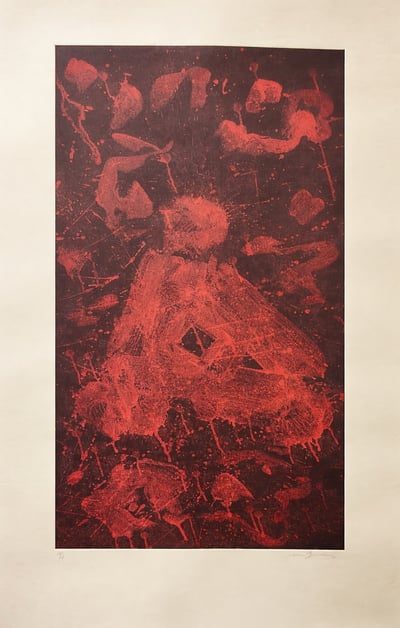
Sam Francis
Untitled (SFE-021), 1984
Limited Edition Print
Aquatint
USD 5,250
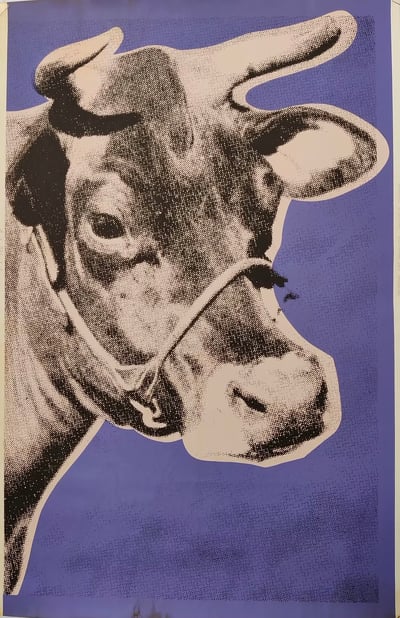
Andy Warhol
Cow, II.12A, 1971
Limited Edition Print
Silkscreen
USD 9,350
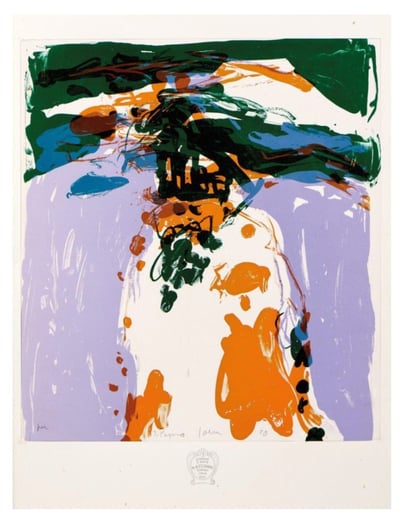
Asger Jorn
Lithographie couleur, 1970
Limited Edition Print
Lithograph
EUR 1,200
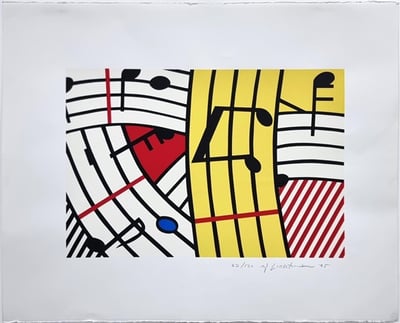
Roy Lichtenstein
Composition IV, 1995
Limited Edition Print
Screen-print
Inquire For Price
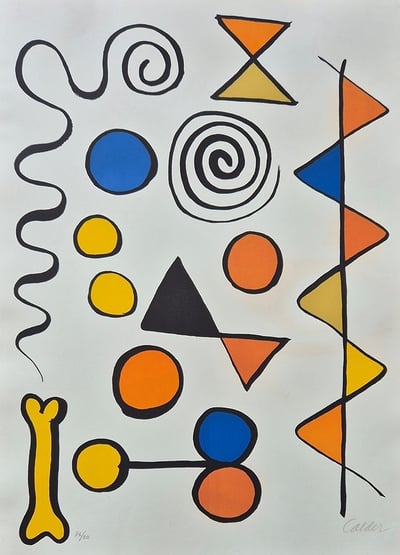
Alexander Calder
Os et Serpent, 1969
Limited Edition Print
Lithograph
USD 8,400
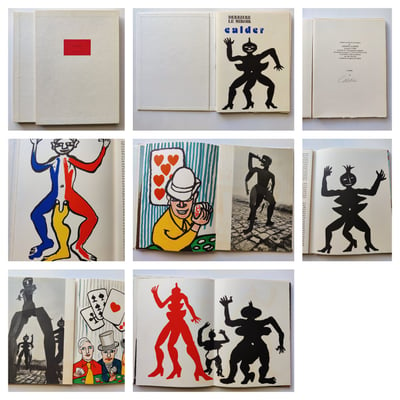
Alexander Calder
Derriere Le Miroir, 1975
Limited Edition Print
Lithograph
USD 6,000
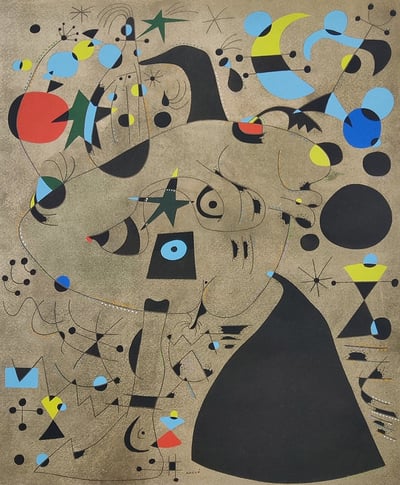
Joan Miró
Femme dans la nuit, Plate IX, 1959
Limited Edition Print
Lithograph
USD 3,800
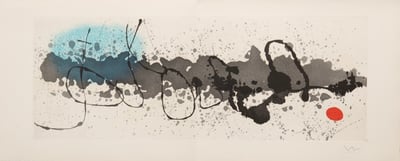
Joan Miró
Untitled from Tracé sur l'Eau, 1963
Limited Edition Print
Etching and Aquatint
USD 5,250
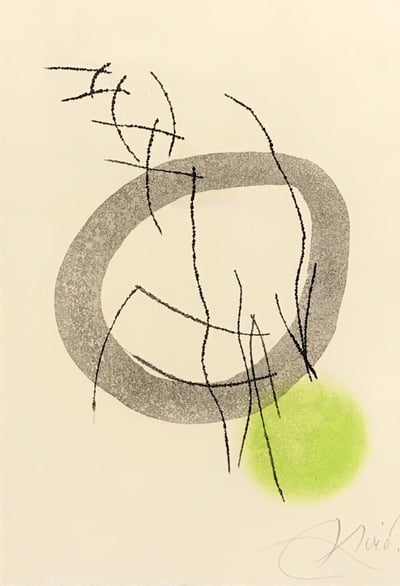
Joan Miró
Miranda et La Spirale, 1979
Limited Edition Print
Etching
USD 5,100
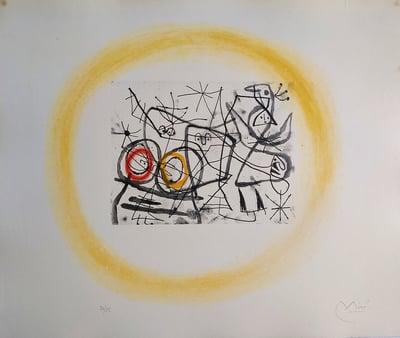
Joan Miró
Préparatifs D'Oiseaux II, 1963
Limited Edition Print
Aquatint
USD 5,490
Related Articles
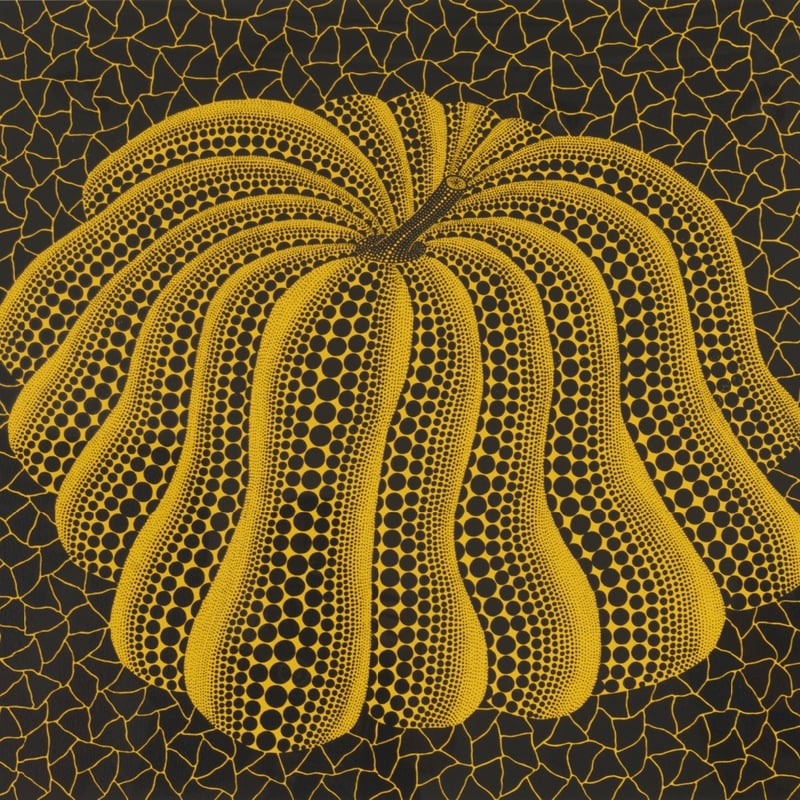
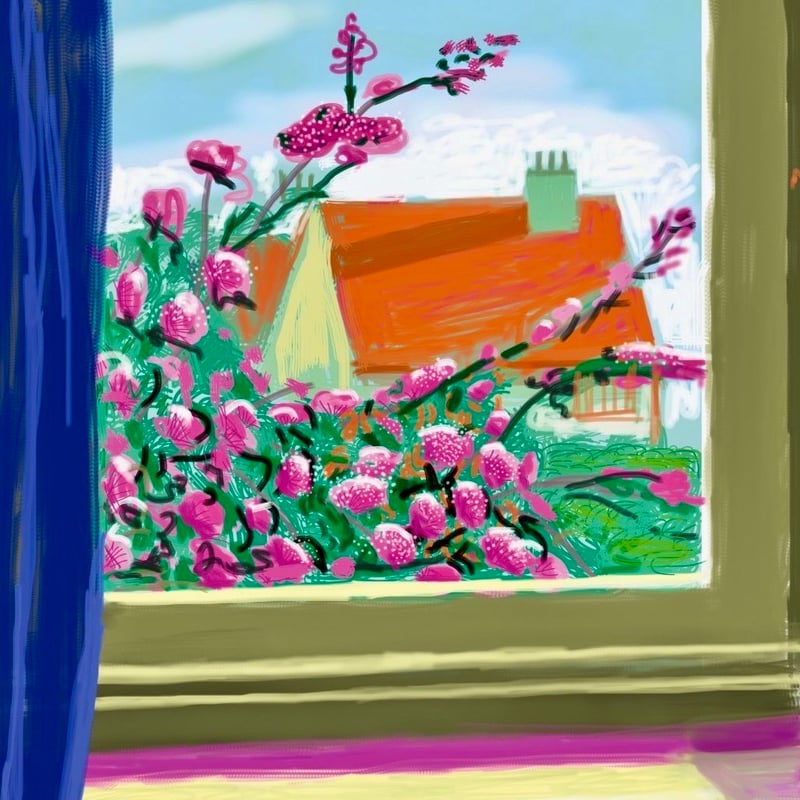
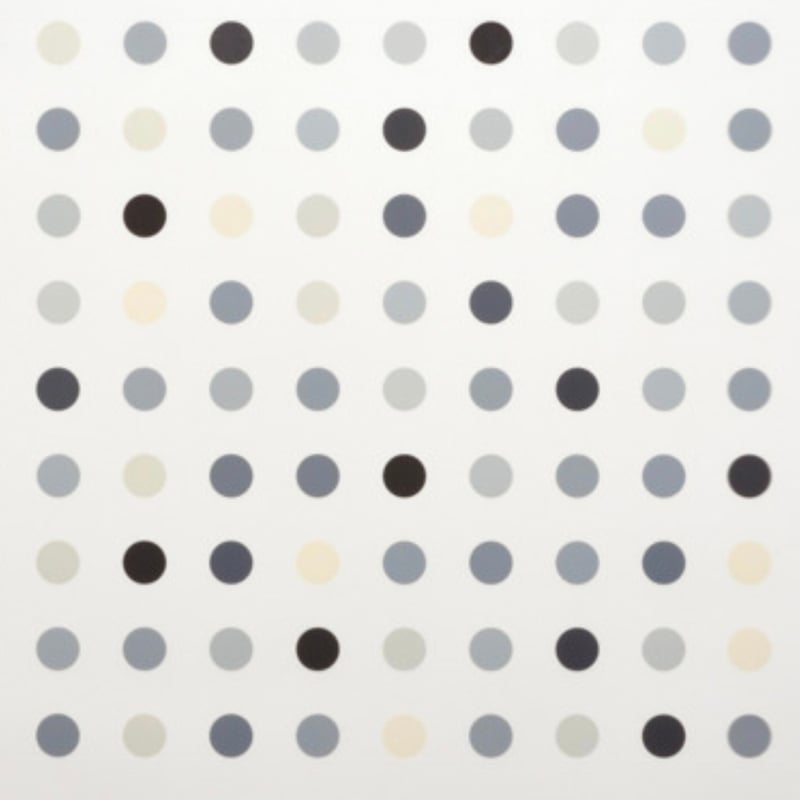

A print proof refers to any test impressions made from a printing plate or block to check the image quality before the final print is completed. These proofs are used as quality checks to ensure that the details and alignment are correct. Different types of proofs, such as artist's proofs or trial proofs, serve specific purposes during the printmaking process.
Video art is an art form that uses video and audio data, primarily featuring moving images. It emerged in the late 1960s and early 1970s with the advent of new technology and consumer video equipment that became accessible beyond corporate broadcasting. Video art can take many forms, including broadcast recordings, installations in museums or galleries, online streamed works, videotapes, and performances incorporating video monitors, television sets, or projections that display live or recorded sounds and images.

Woodcut is a printing technique where an image is carved into the surface of a woodblock using gouges, with the remaining flat surface holding the ink for printing. The areas cut away by the artist do not carry ink, while the uncut areas do, producing the desired print. The carving follows the wood's grain, unlike wood engraving, where the block is cut across the end-grain. Ink is applied to the surface with a roller, ensuring only the flat, uncarved areas receive ink, leaving the recessed, non-printing areas clean.
Can't find your Answer?
Thank you! Your question has been sent — we'll get back to you shortly.
