Details
Artist
Styles
In flowing white script against a black ground, three words carry the weight of a universal truth: 'It's hard to love.' Ben Vautier's Fluxus-rooted practice strips art to its conceptual essence, turning language into visual experience. The handwritten intimacy of the lettering invites the viewer into a private confession that resonates as public statement. Part of a 2006 series of Spanish-text screenprints, Es difícil amar demonstrates the enduring power of Ben's text-based work — deceptively simple, emotionally piercing, and impossible to ignore.
Es difícil amar, 2006
form
Medium
Size
50 x 70 cm
- Inches
- Centimeters
Edition
Price
- USD
- EUR
- GBP
Details
Artist
Styles
In flowing white script against a black ground, three words carry the weight of a universal truth: 'It's hard to love.' Ben Vautier's Fluxus-rooted practice strips art to its conceptual essence, turning language into visual experience. The handwritten intimacy of the lettering invites the viewer into a private confession that resonates as public statement. Part of a 2006 series of Spanish-text screenprints, Es difícil amar demonstrates the enduring power of Ben's text-based work — deceptively simple, emotionally piercing, and impossible to ignore.
- Recently Added
- Price (low-high )
- Price (high-low )
- Year (low-high )
- Year (high-low )

Ben Vautier
De Qué Tienes Miedo?, 2006
Limited Edition Print
Screen-print
EUR 2,500

Ben Vautier
Es Difícil Amar, 2006
Limited Edition Print
Screen-print
EUR 2,500

Ben Vautier
Estoy Inquieto, 2006
Limited Edition Print
Screen-print
EUR 2,500

Ben Vautier
Tout Est Survie , 1994
Painting
Acrylic On Canvas
EUR 17,900

Ben Vautier
Regardez Ailleurs, c. 1980
Limited Edition Print
Lithograph
EUR 1,750

Ben Vautier
N’importe Qui Peut Avoir Une Idée, c. 1980
Limited Edition Print
Lithograph
Currently Not Available
Related Artists


Related Articles

Art Movements - March 28, 2024
Lettrism: The Alphabet as Art
Discover Lettrism, the art of the alphabet! Explore how artists like Isidore Isou redefined letters as visual art, blending poetry, design, and modern expression. Read More
What is the Zero Movement?
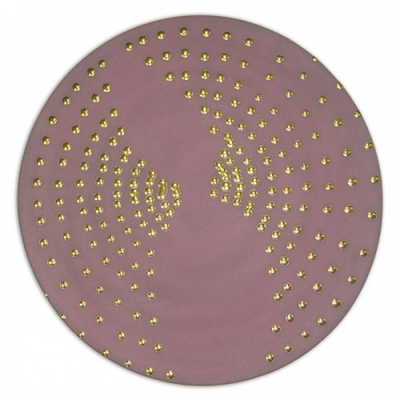
ZERO was an art movement founded by Otto Piene and Heinz Mack, aiming to develop into a large international and cross-border movement. The name ZERO originated from a magazine founded by Heinz Mack in 1957, which became a platform for the group's ideas. The magazine was published for several years before ceasing in 1967. The ZERO movement sought to create a new beginning in art, emphasizing light, space, and movement, and became influential in post-war European art.