What is late modernism?
- Show All
- Established
- Discoveries
- Show All
Artworks Related to Late modernism

Yayoi Kusama
Shangai Expo Silk Scarf Yellow, 2010
Tapestry
Mixed Media
EUR 7,000 - 9,000
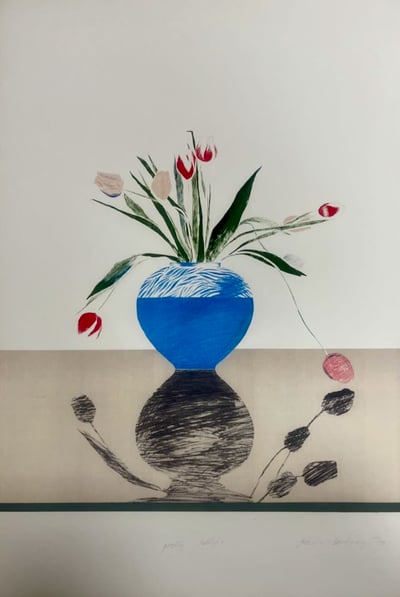
David Hockney
Pretty Tulips, 1970
Limited Edition Print
Lithograph
Inquire For Price
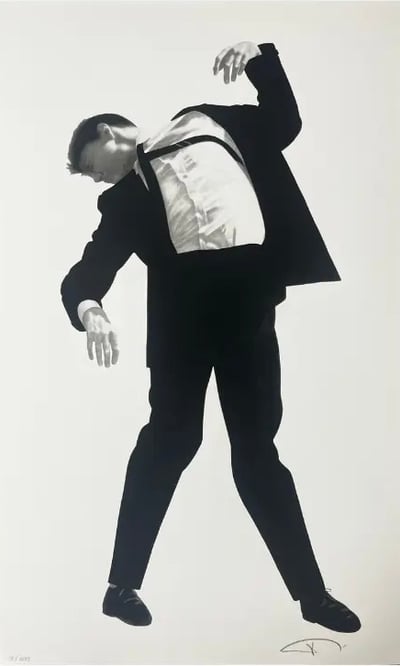
Robert Longo
Untitled (Eric, from Men in the Cities), 2025
Limited Edition Print
Silkscreen
EUR 3,000
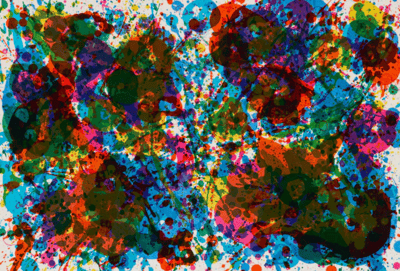
Sam Francis
Untitled (from the Fresh Air School portfolio), 1972
Limited Edition Print
Lithograph
EUR 1,850
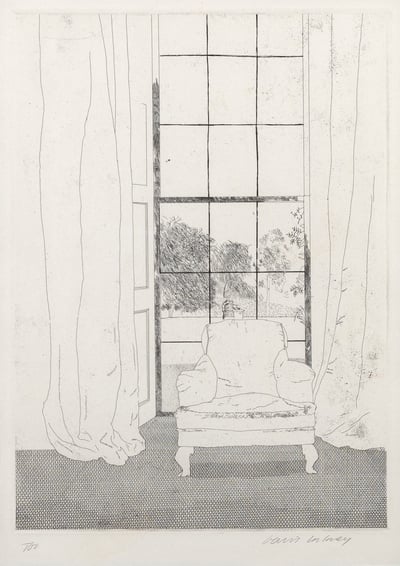
David Hockney
Home, 1969
Limited Edition Print
Etching
GBP 25,000 - 32,500
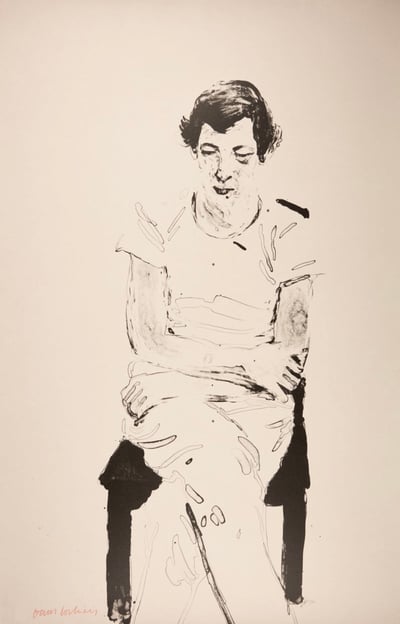
David Hockney
Gregory Thinking of Henry from Friends, 1976
Limited Edition Print
Lithograph
GBP 17,500 - 22,700
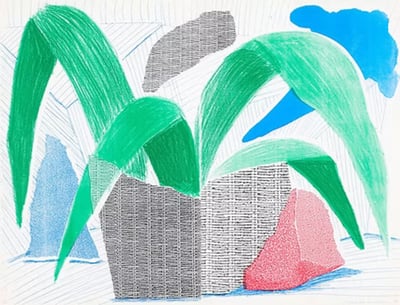
David Hockney
Green Grey & Blue Plant, July (Diptych), 1986
Limited Edition Print
Mixed Media
GBP 32,500 - 42,200
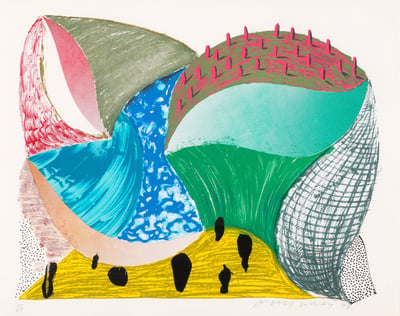
David Hockney
Gorge D'incre, 1993
Limited Edition Print
Screen-print
GBP 29,500 - 38,300
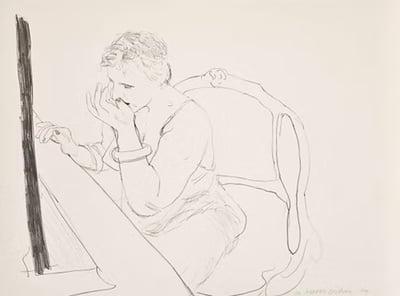
David Hockney
Celia Adjusting Her Eyelash, 1979
Limited Edition Print
Lithograph
GBP 10,950 - 14,200
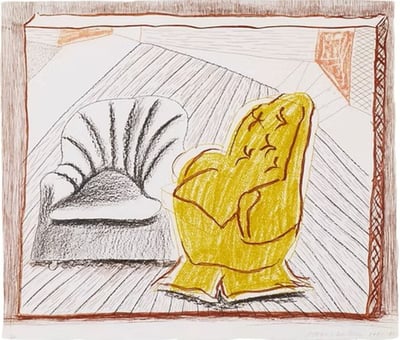
David Hockney
A Picture of Two Chairs, 1985
Limited Edition Print
Lithograph
GBP 27,500 - 35,750
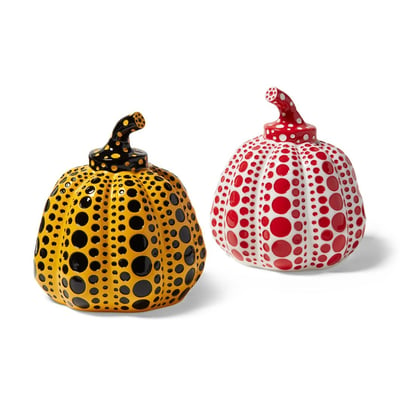
Yayoi Kusama
Red and Yellow Pumpkins, 2015
Sculpture / Object
Mixed Media
EUR 1,850
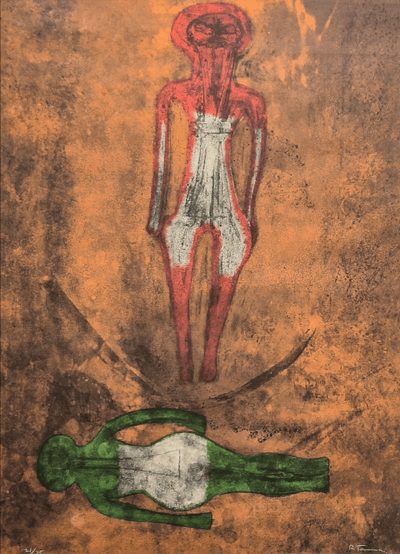
Rufino Tamayo
Dos Figuras, 1973
Limited Edition Print
Lithograph
USD 5,980
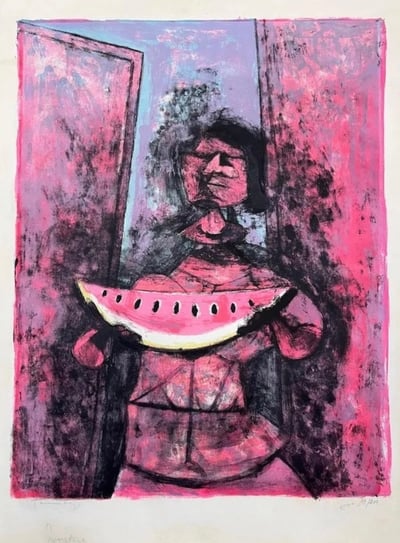
Rufino Tamayo
Mujer con sandia, 1950
Limited Edition Print
Lithograph
EUR 5,000

Rufino Tamayo
Bodegón, 1980
Limited Edition Print
Etching
EUR 5,200

Rufino Tamayo
Torre Blanca, P. 197, 1976
Limited Edition Print
Etching
USD 5,500

Rufino Tamayo
Dos Figuras, P. 205, 1976
Limited Edition Print
Etching
USD 6,600
Related Articles
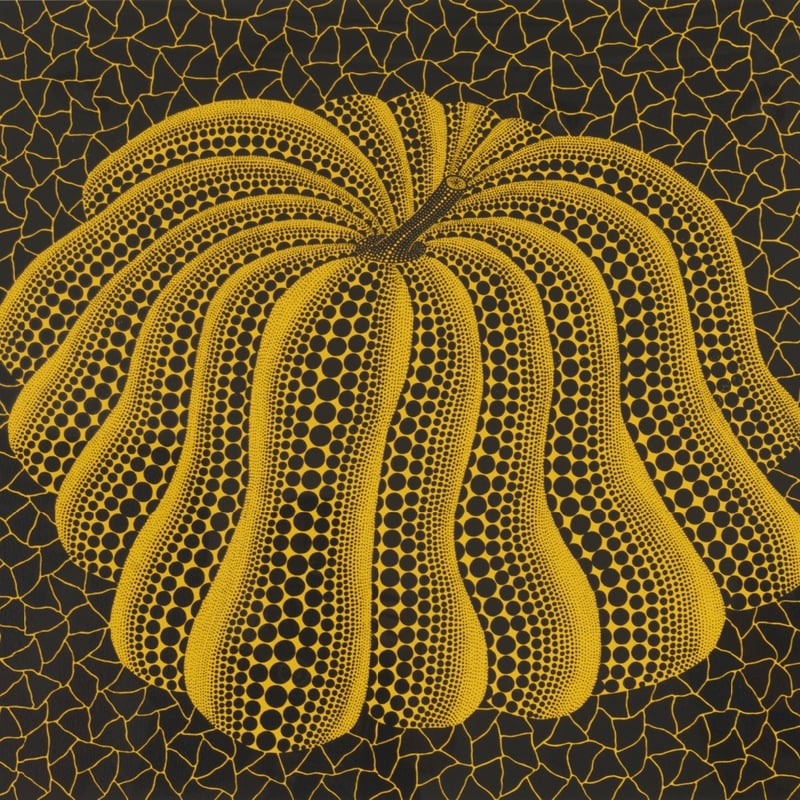
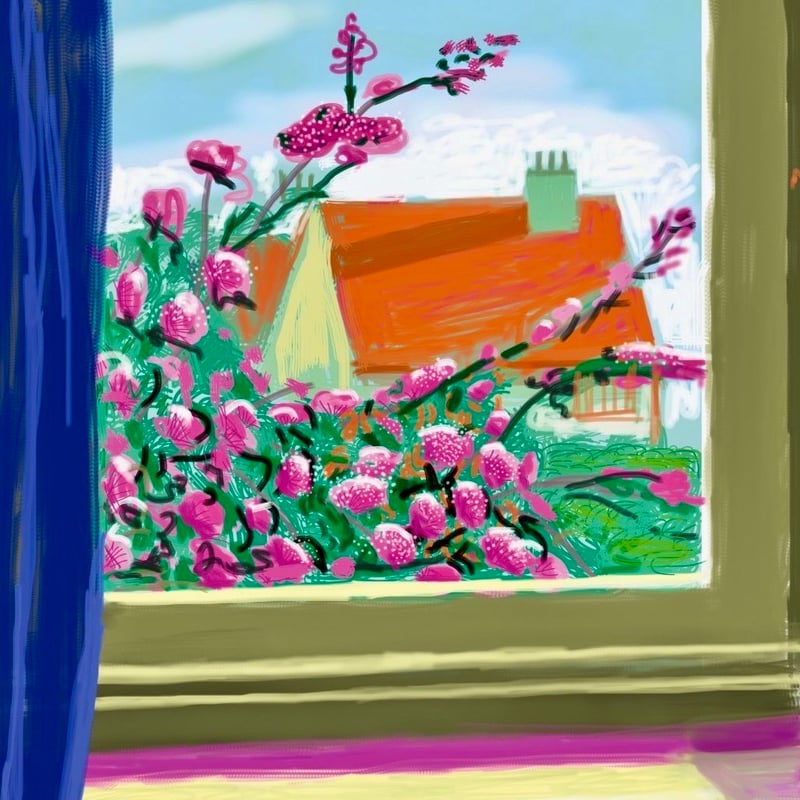
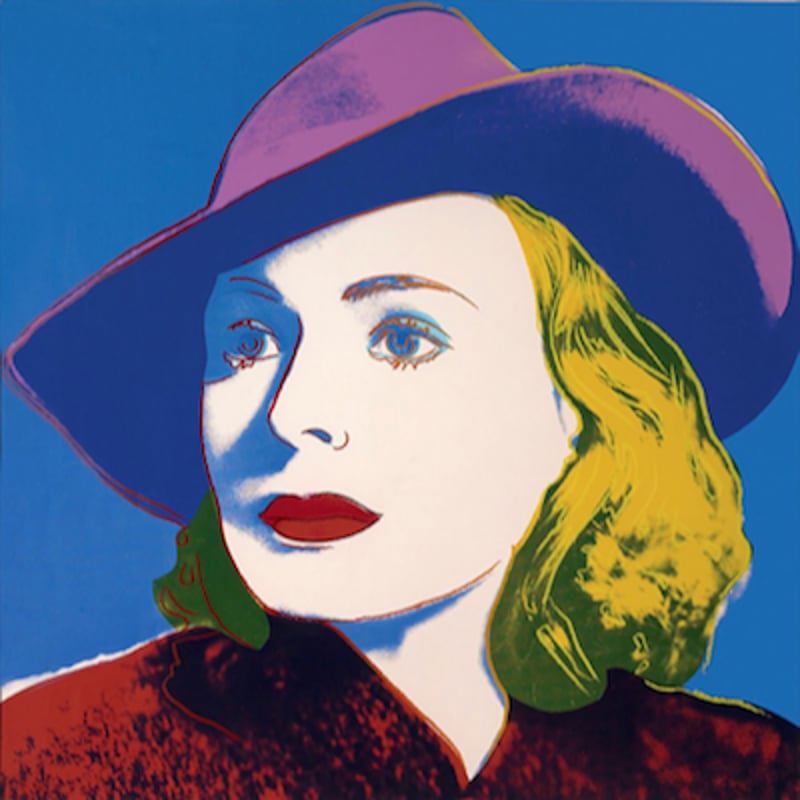
Pop Art is an art movement that began in Britain in 1955 and in the late 1950s in the U.S. It challenged traditional fine arts by incorporating imagery from popular culture, such as news, advertising, and comic books. Pop Art often isolates and recontextualizes materials, combining them with unrelated elements. The movement is more about the attitudes and ideas that inspired it than the specific art itself. Pop Art is seen as a reaction against the dominant ideas of Abstract Expressionism, bringing everyday consumer culture into the realm of fine art.

An object with distinctive or unusual qualities that naturally draws attention and prompts discussion among people.
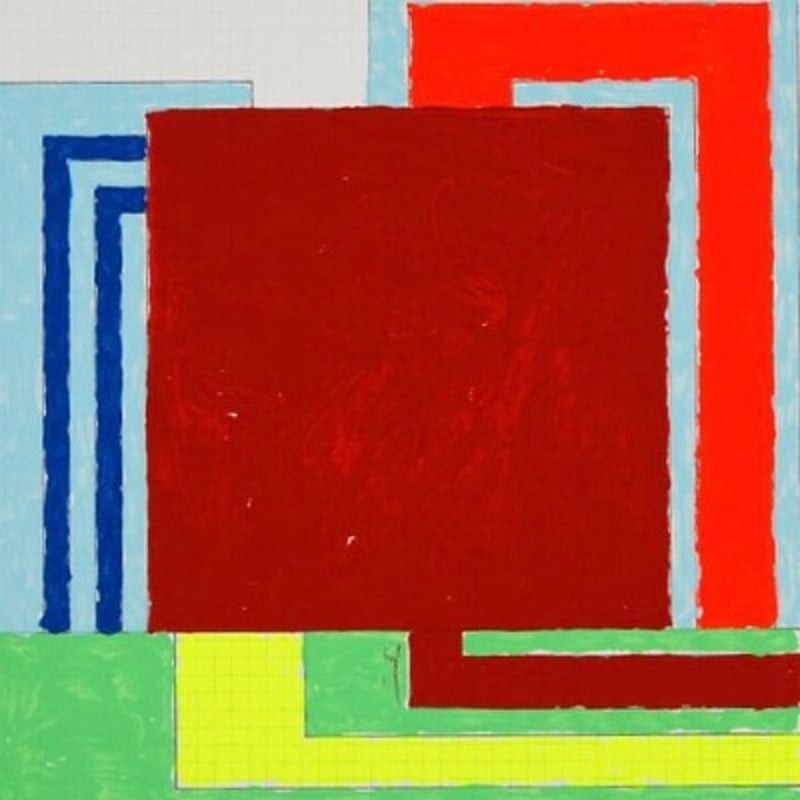
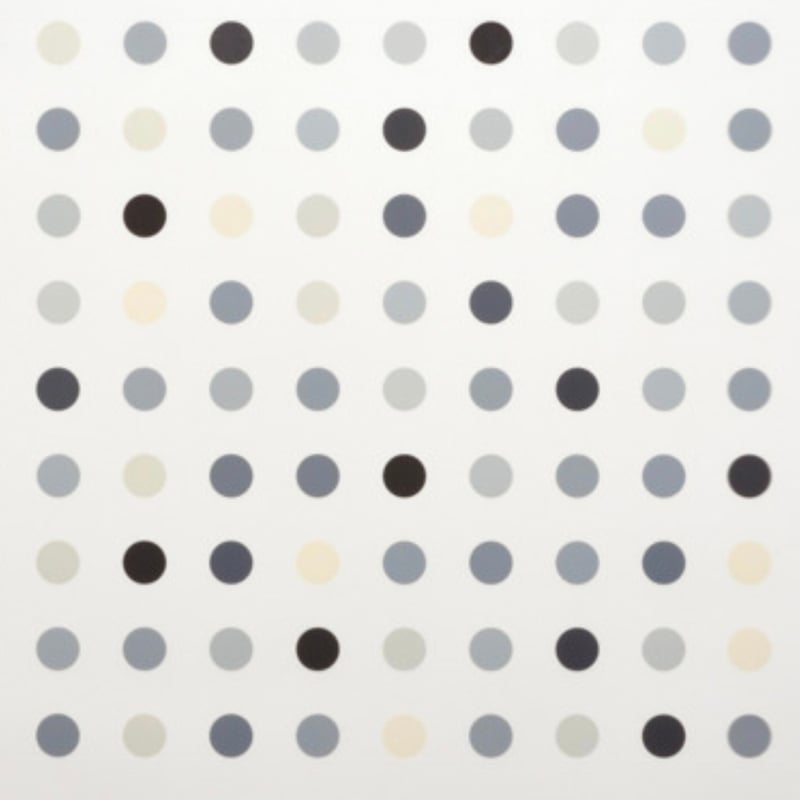
Known as Neo-Geo for short, this movement uses geometric objects and shapes to create abstract artwork as a metaphor for society. Inspired by various 20th-century art styles, including minimalism and pop art, Neo-Geo emerged in the 1980s as a response to the industrialization and commercialization of the modern world. The movement reflects on the impact of mass production, consumerism, and technology, often critiquing the superficiality of contemporary culture through its abstract, geometric compositions.
Can't find your Answer?
Thank you! Your question has been sent — we'll get back to you shortly.
