Details
Artist
Styles
Wool; Not signed. // This monumental wool tapestry by Rufino Tamayo from the 1960s presents a totemic figure crowned by a luminous cream crescent moon set within a stark black circle, its body descending in deep burgundy and purple accents against a dark brown woven ground. Measuring 178 by 143 centimetres, the textile translates Tamayo's painterly synthesis of pre-Columbian iconography and modern abstraction into the medium of hand-woven wool. The bold simplification of the anthropomorphic form and the cosmic symbolism of the moon motif connect the work to ancient Mesoamerican cosmology while asserting a contemporary sculptural presence.
Untitled (Textile), 1960s
form
Medium
Size
178 x 143 cm
- Inches
- Centimeters
Edition
Price
Details
Artist
Styles
Wool; Not signed. // This monumental wool tapestry by Rufino Tamayo from the 1960s presents a totemic figure crowned by a luminous cream crescent moon set within a stark black circle, its body descending in deep burgundy and purple accents against a dark brown woven ground. Measuring 178 by 143 centimetres, the textile translates Tamayo's painterly synthesis of pre-Columbian iconography and modern abstraction into the medium of hand-woven wool. The bold simplification of the anthropomorphic form and the cosmic symbolism of the moon motif connect the work to ancient Mesoamerican cosmology while asserting a contemporary sculptural presence.
- Recently Added
- Price (low-high )
- Price (high-low )
- Year (low-high )
- Year (high-low )

Rufino Tamayo
Femme Au Collant Rose, 1969
Limited Edition Print
Lithograph
EUR 2,600

Rufino Tamayo
Personaje Sentado, 1976
Limited Edition Print
Etching
EUR 4,375

Rufino Tamayo
Untitled (Textile), 1960s
Tapestry
Tapestry
Inquire For Price

Rufino Tamayo
Monolito, 1981
Sculpture / Object
Mixed Media
Inquire For Price

Rufino Tamayo
Dos Figuras, 1973
Limited Edition Print
Lithograph
USD 5,980

Rufino Tamayo
Mujer Con Sandia, 1950
Limited Edition Print
Lithograph
EUR 5,000

Rufino Tamayo
Bodegón, 1980
Limited Edition Print
Etching
EUR 5,200

Rufino Tamayo
Torre Blanca, P. 197, 1976
Limited Edition Print
Etching
USD 5,500

Rufino Tamayo
Dos Figuras, P. 205, 1976
Limited Edition Print
Etching
USD 6,600

Rufino Tamayo
Cabeza Sur Fonde Verte, P. 258, 1984
Limited Edition Print
Etching
USD 6,600

Rufino Tamayo
Figura Sobre Azur, 1976
Limited Edition Print
Etching
USD 5,200
Related Artists


Related Articles

Artists - March 28, 2023
An Elegy to Colour, Geometry and Optics: The Visual Resonance and Forms of Julio Le Parc
Explore the vibrant world of Julio Le Parc, a pioneer in kinetic art and geometric innovation. Discover how light, form, and motion redefine viewer interaction. Read More

What is late modernism?
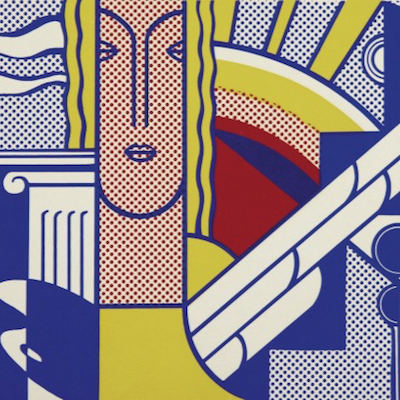
Late Modernism refers to the continuation and evolution of Modernist principles in art, architecture, and literature from the mid-20th century into the late 20th century. This movement maintains a focus on form, abstraction, and the rejection of traditional styles, but it often incorporates more complexity and ambiguity compared to early Modernism. Late Modernism explores themes such as alienation, identity, and the fragmentation of reality, reflecting the social and cultural shifts of the post-war period. It is seen in the works of architects like Louis Kahn and artists like Francis Bacon, who pushed the boundaries of Modernism while responding to the changing world around them.