
What is Found Object?
- Show All
- Established
- Discoveries
- Show All
Artworks Related to Found Object
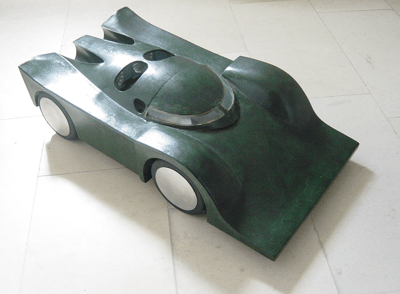
Panamarenko
Polistes, 1990
Sculpture / Object
Mixed Media
Inquire For Price
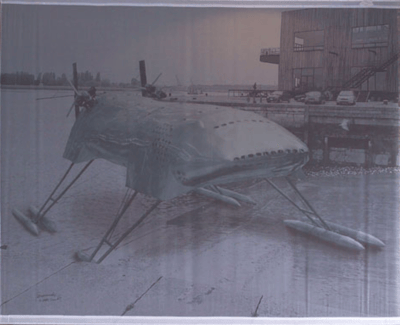
Panamarenko
Scotch Gambit at Rijnkaai, Antwerpen, 2001
Limited Edition Print
Monoprint
Inquire For Price
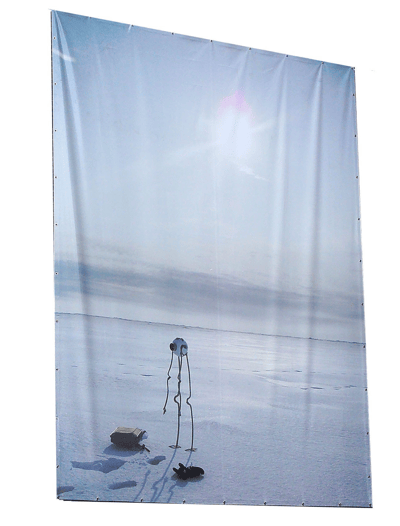
Panamarenko
Noordpool-Arlikoop, 2004
Limited Edition Print
Inkjet print
EUR 9,500
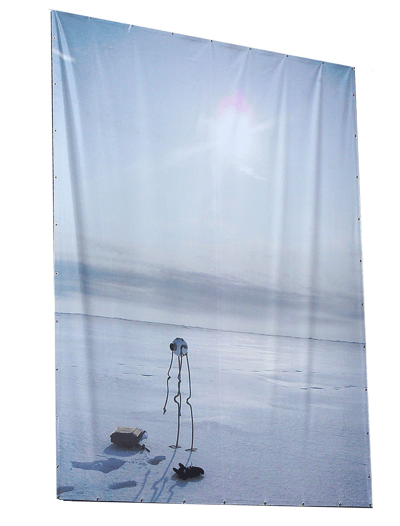
Panamarenko
Noordpool-Arlikoop, 2004
Limited Edition Print
Inkjet print
EUR 12,500
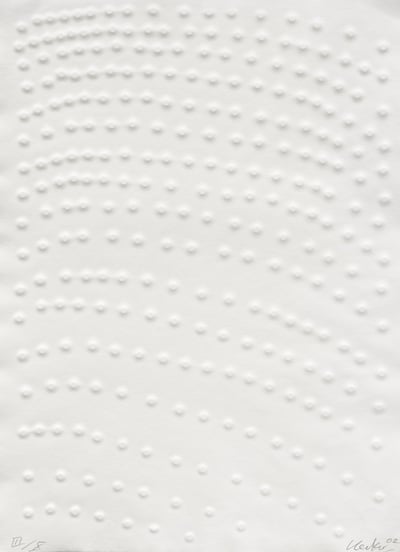
Gunther Uecker
Graphein VII, Reise Kadmos, 2002
Limited Edition Print
Embossing
EUR 12,000
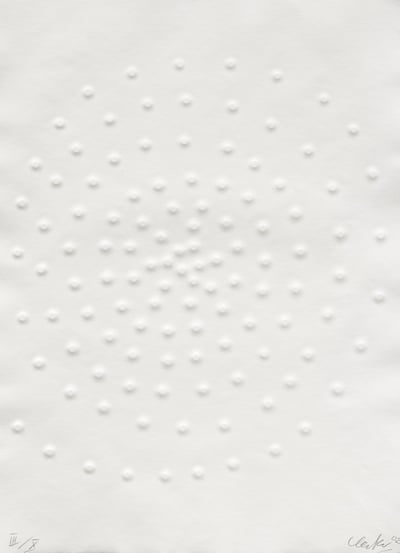
Gunther Uecker
Graphein VIII, Christen Ägypten, 2002
Limited Edition Print
Embossing
EUR 12,000
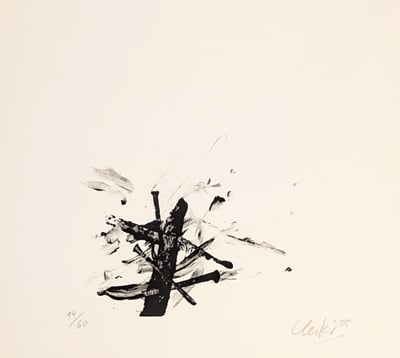
Gunther Uecker
Sarajewo 6, 2005
Limited Edition Print
Screen-print
Currently Not Available
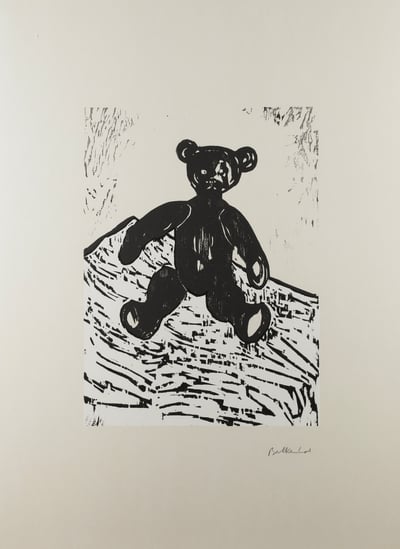
Stephan Balkenhol
Teddy, 2004
Limited Edition Print
Woodcut
EUR 1,600
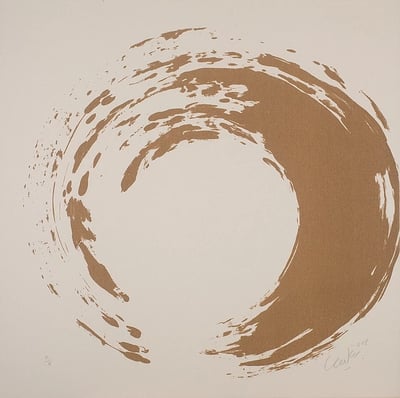
Gunther Uecker
Ouroboros 05, 2018
Limited Edition Print
Mixed Media
EUR 10,000
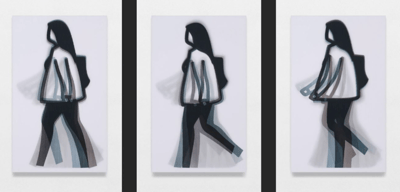
Julian Opie
Long Hair from Old Street Walkers, 2022
Sculpture / Object
Mixed Media
USD 20,000 - 25,000
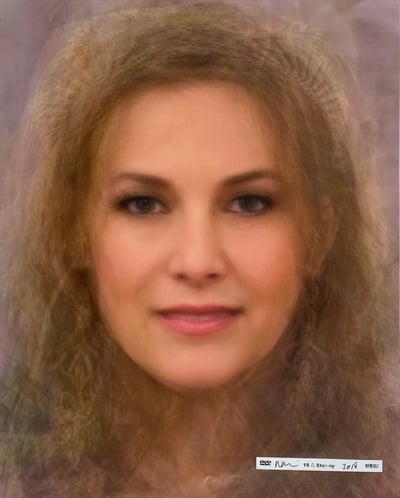
Richard Prince
18 & Stormy, 2018
Limited Edition Print
Offset Print
Inquire For Price
Jack Pierson
Private Listing
Drawing / Watercolor
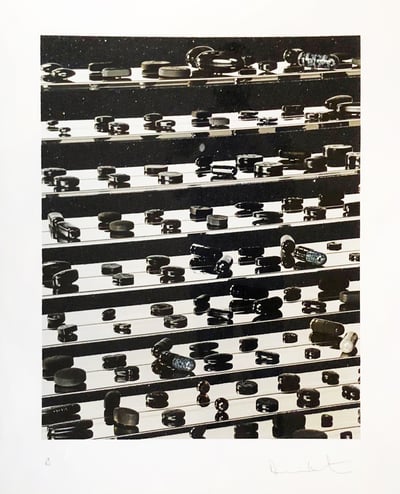
Damien Hirst
Dead Black Brilliant Utopia, 2013
Limited Edition Print
Mixed Media
USD 16,700
Damien Hirst
Private Listing
Painting
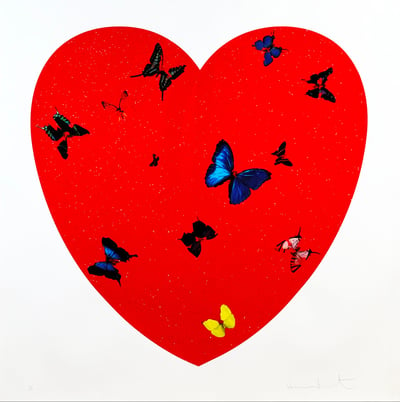
Damien Hirst
All You Need Is Love Love Love, 2010
Limited Edition Print
Screen-print
GBP 30,000 - 38,000
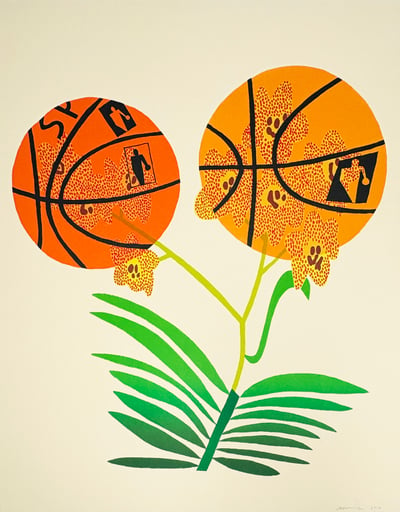
Jonas Wood
Double Basketball Orchid (State I), 2017
Limited Edition Print
Lithograph
USD 30,000 - 40,000
Related Articles
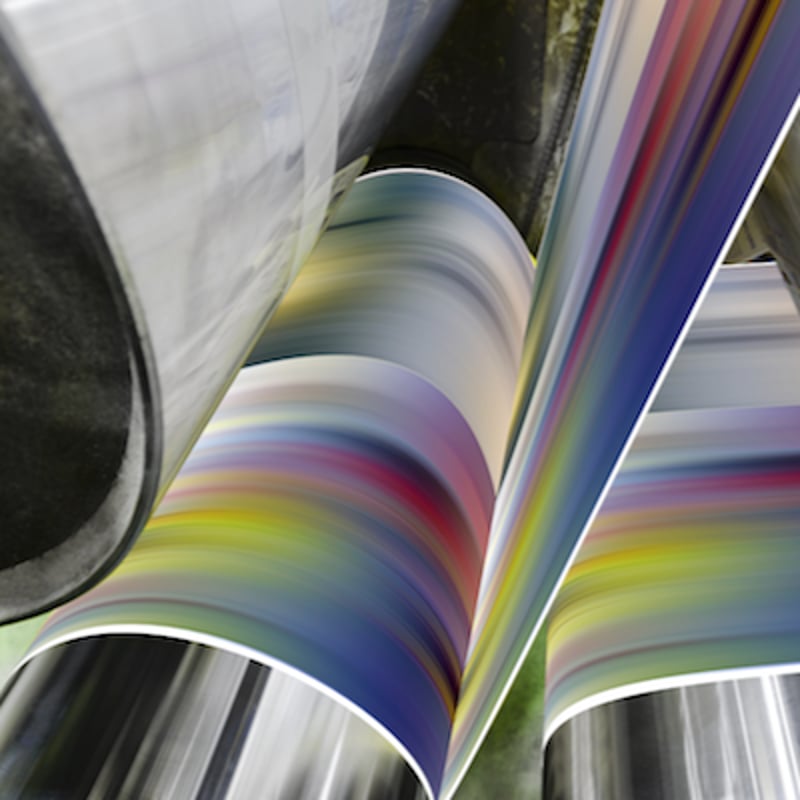
A print is an image or text reproduced using a template or master form. Prints are typically created by transferring ink from a prepared matrix to another material, often paper. Common matrices include copper or zinc plates for etching and engraving, aluminum or stone for lithography, wood blocks for woodcuts, and linoleum for linocuts. The term print can also refer to a single impression made from the matrix.

Mezzotint is a printmaking technique in which a copper or steel plate is roughened to produce a solid black print. The artist smooths specific areas of the plate to create a range of tones, from deep blacks to delicate grays and whites. By varying the degree of smoothing, the artist can achieve detailed gradations of light and shadow, resulting in prints with rich, velvety textures and subtle transitions between light and dark.
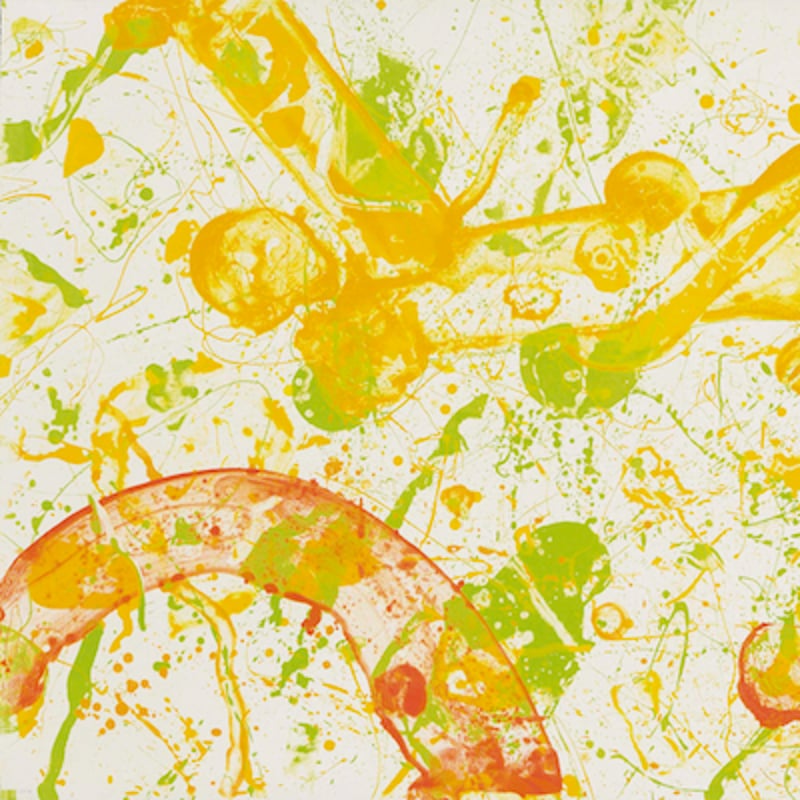
Tachisme is a French abstract painting style that gained popularity between 1940 and 1950, often seen as the European counterpart to Abstract Expressionism. However, there are stylistic differences between the two. Tachisme, which emerged from Art Informel, rejected geometric abstraction in favor of more intuitive and spontaneous expression. It was a reaction against the structured forms of Cubism and is closely related to Informalism. Tachisme emphasizes gestural brushwork, irregular forms, and a focus on the process of painting itself.
Can't find your Answer?
Thank you! Your question has been sent — we'll get back to you shortly.
