
What is appropriation?
- Show All
- Established
- Discoveries
- Show All
Artworks Related to Appropriation
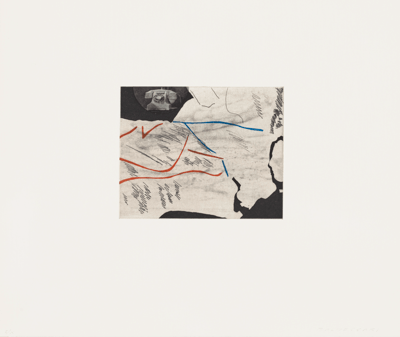
John Baldessari
Black Dice 6, 1982
Limited Edition Print
Etching and Aquatint
USD 850
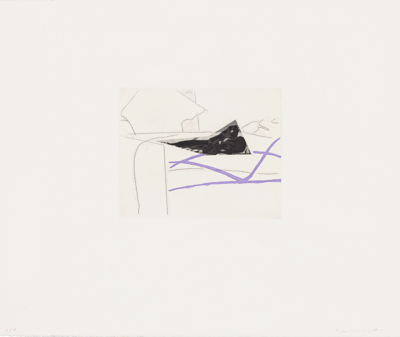
John Baldessari
Black Dice 5, 1982
Limited Edition Print
Etching and Aquatint
USD 850
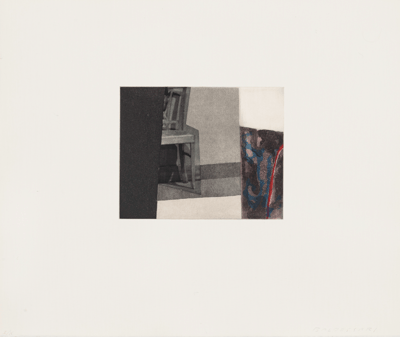
John Baldessari
Black Dice 4, 1982
Limited Edition Print
Etching and Aquatint
USD 850
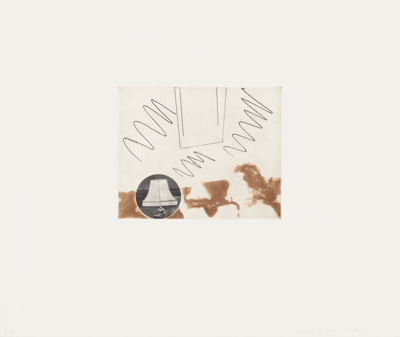
John Baldessari
Black Dice 3, 1982
Limited Edition Print
Etching and Aquatint
USD 850
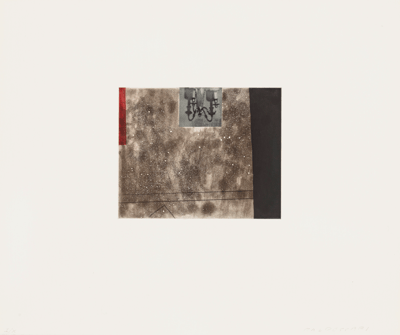
John Baldessari
Black Dice 2, 1982
Limited Edition Print
Etching and Aquatint
USD 850
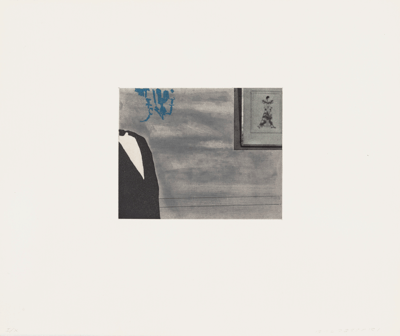
John Baldessari
Black Dice 1, 1982
Limited Edition Print
Etching and Aquatint
USD 850
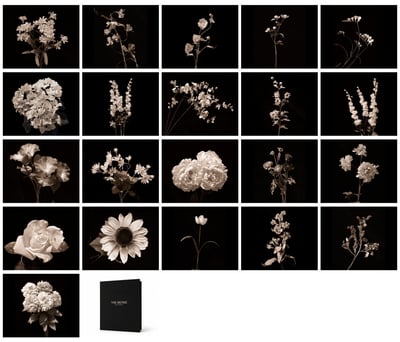
Vik Muniz
Flora Industrialis B/N, 2026
Photography
Photograph
EUR 25,000
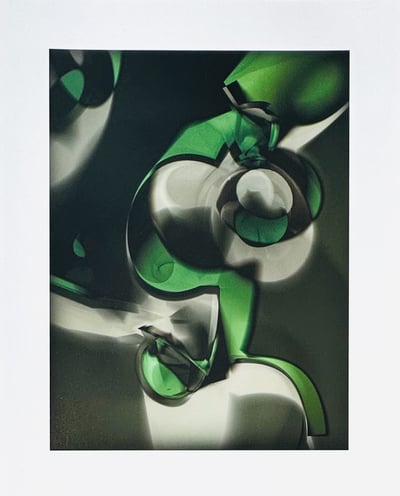
Thomas Ruff
phg.s.01, 2012-2020
Photography
C-Print
EUR 1,350
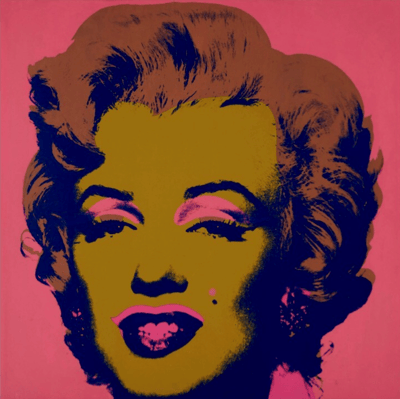
Andy Warhol
Marilyn Monroe, 1967
Limited Edition Print
Screen-print
USD 160,000 - 200,000
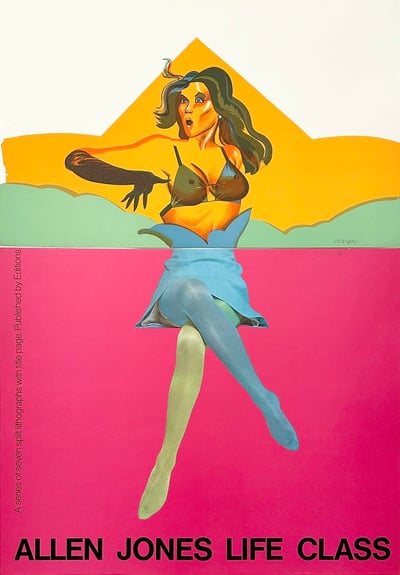
Allen Jones
Life Class, Title page, 1968
Limited Edition Print
Lithograph
EUR 2,300
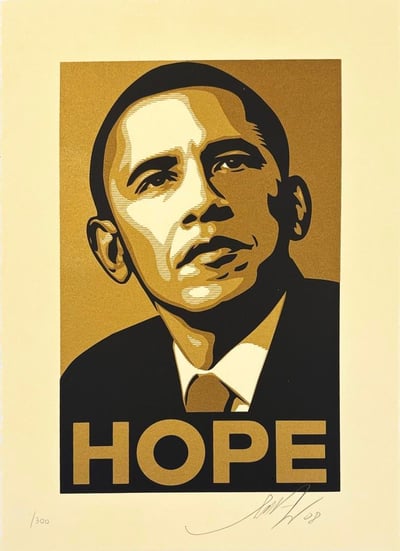
Shepard Fairey
Obama Hope Gold, 2008
Limited Edition Print
Screen-print
Inquire For Price

Gerhard Richter
P2 Haggadah, 2014
Limited Edition Print
Mixed Media
GBP 27,000 - 35,000
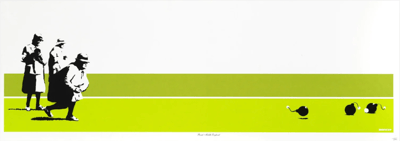
Banksy
Bomb Middle England (Unsigned), 2002
Limited Edition Print
Screen-print
GBP 15,000 - 20,000
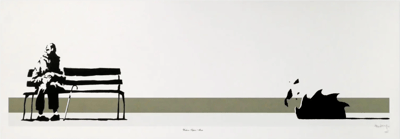
Banksy
Western Super Mare, 2003
Limited Edition Print
Screen-print
GBP 15,000 - 20,000
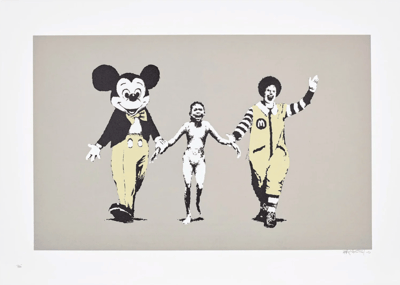
Banksy
Napalm, 2004
Limited Edition Print
Screen-print
GBP 32,000 - 38,000

Liliana Porter
Corrección, 2018
Limited Edition Print
Etching
EUR 1,500
Related Articles

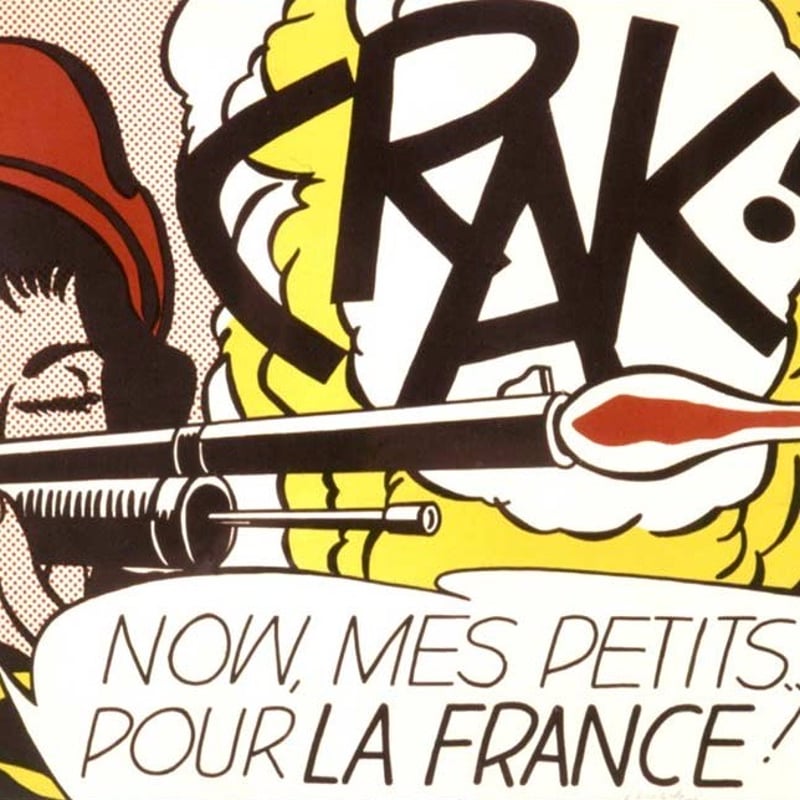


Cement refers to a variety of mixtures, typically made from clay, limestone, water, sand, and gravel, which form concrete used in construction. The term to cement also means to join or unite materials. In art, cement can refer to the process of securely gluing or bonding elements together, often used in sculptural work or mixed media.
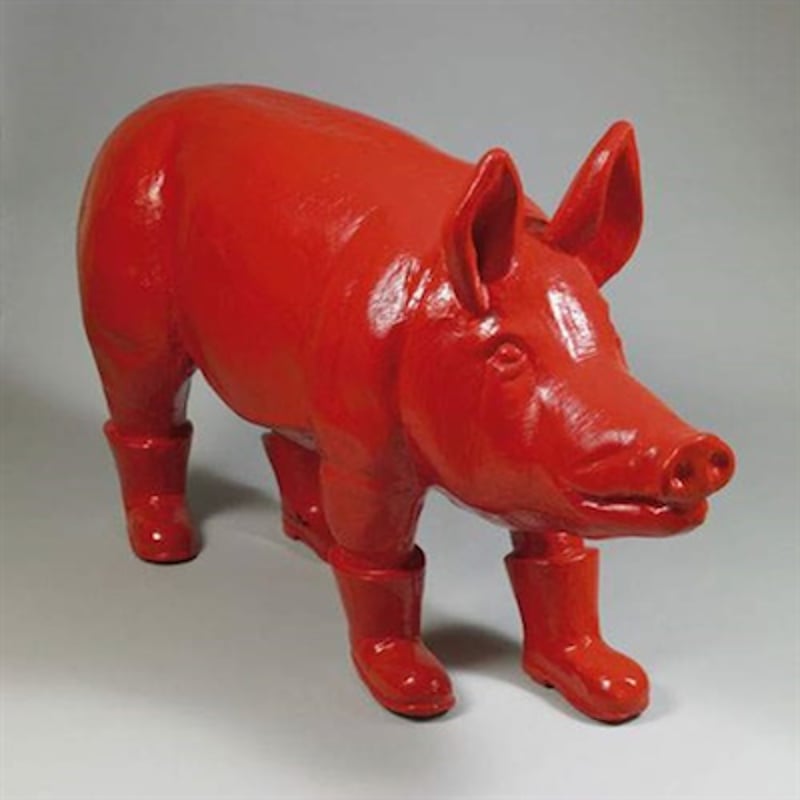
Kitsch is a term used to describe cheap, commercial, sentimental, or vulgar art and objects commonly associated with popular culture. The word is borrowed from German, where it originally means trash. Since the 1920s, kitsch has been used to denote the opposite of high art, often implying that the work lacks sophistication or artistic merit.
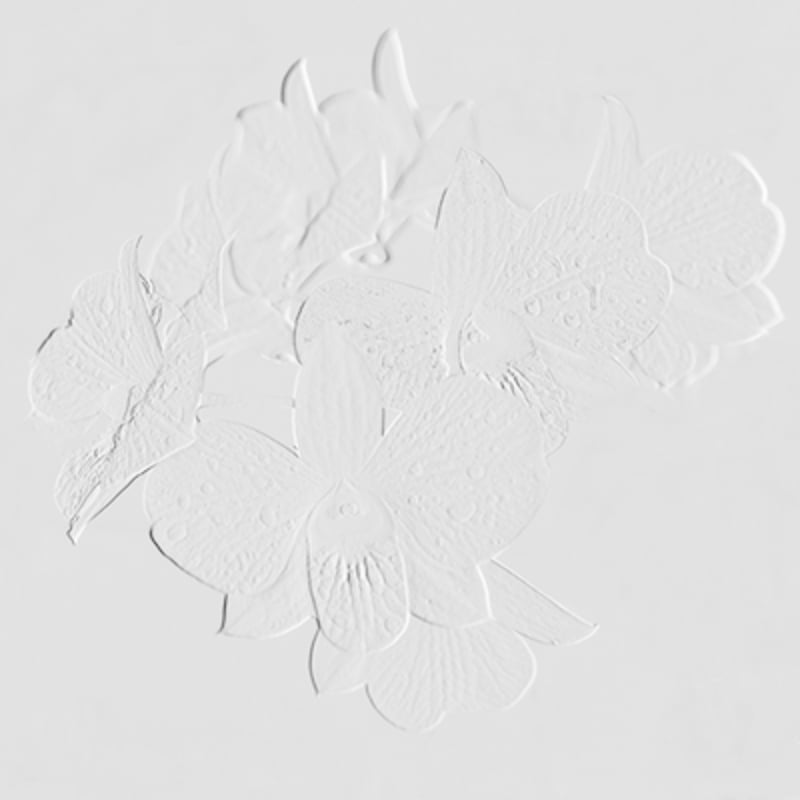
Embossing is a technique used to create raised designs or images on a surface, typically paper. Artists achieve this effect by altering the shape of the paper, often by pressing it from the reverse side using a template and a tool like a sanded dowel. The result is a design with multiple levels of depth, giving a three-dimensional appearance.
Can't find your Answer?
Thank you! Your question has been sent — we'll get back to you shortly.
