
What is appropriation?
- Show All
- Established
- Discoveries
- Show All
Artworks Related to Appropriation
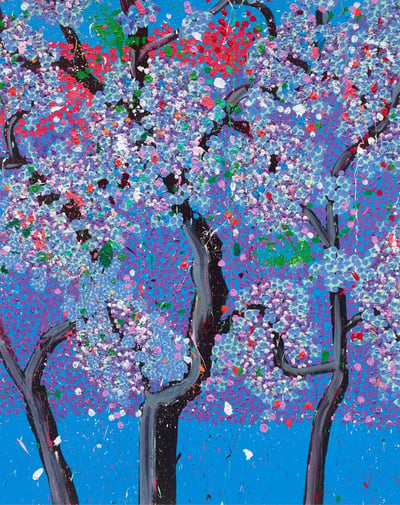
Damien Hirst
Anticipation (H20-6), 2026
Limited Edition Print
Giclée printing
GBP 6,500 - 8,000
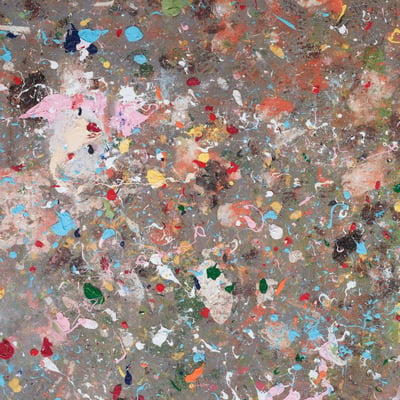
Damien Hirst
Mill Bay Salcombe (H13-7), 2023
Limited Edition Print
Giclée printing
GBP 5,500 - 7,000
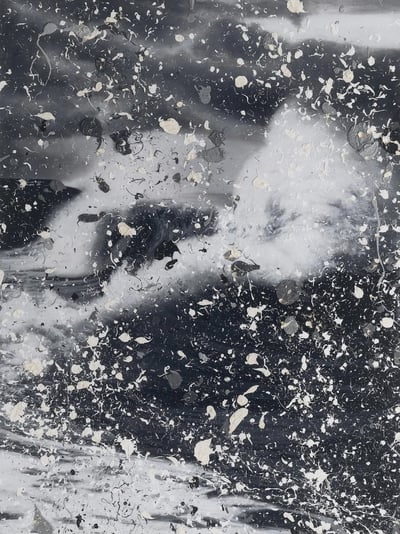
Damien Hirst
Doldrums (H13-12), 2023
Limited Edition Print
Giclée printing
GBP 5,500 - 7,000
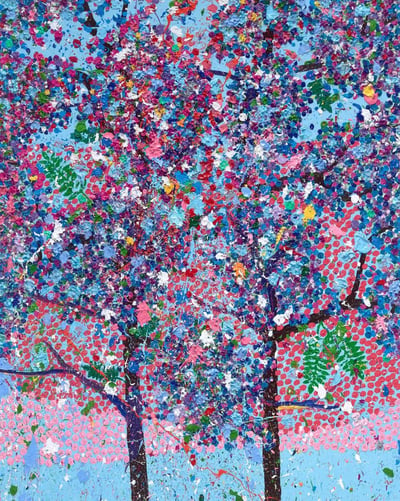
Damien Hirst
Joy (H20-2), 2026
Limited Edition Print
Giclée printing
GBP 6,500 - 8,000
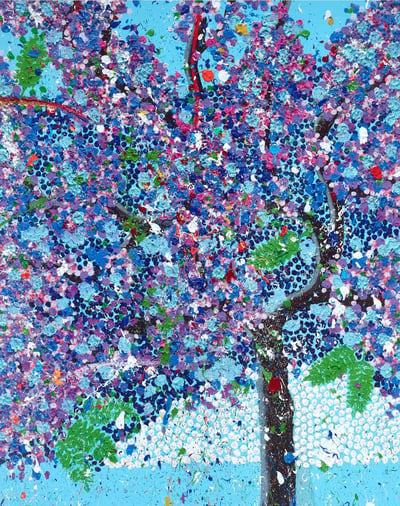
Damien Hirst
Surprise (H20-3), 2026
Limited Edition Print
Giclée printing
GBP 6,500 - 8,000
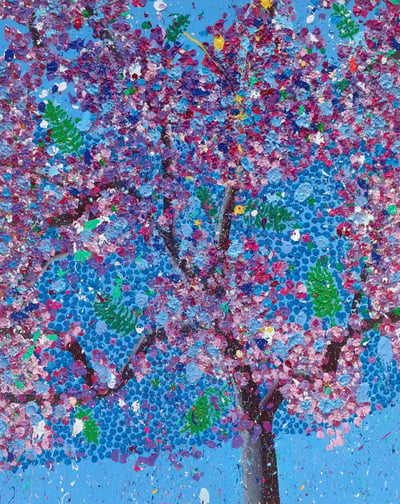
Damien Hirst
Serenity (H20-4), 2026
Limited Edition Print
Giclée printing
GBP 6,500 - 8,000
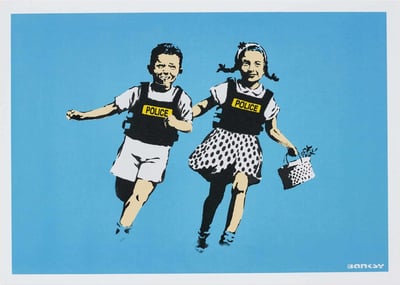
Banksy
Jack & Jill (Unsigned), 2005
Limited Edition Print
Screen-print
GBP 17,500 - 22,000
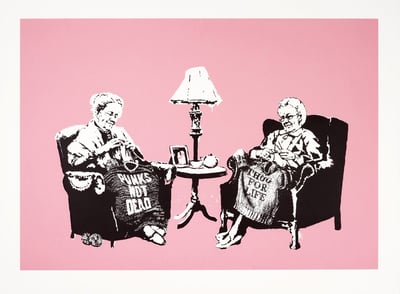
Banksy
Grannies (Unsigned), 2006
Limited Edition Print
Screen-print
GBP 13,000 - 16,500
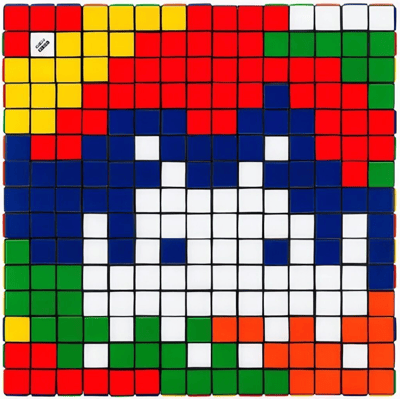
Invader
Rubik Camouflage NVDR1-2, 2023
Limited Edition Print
Giclée printing
EUR 4,250
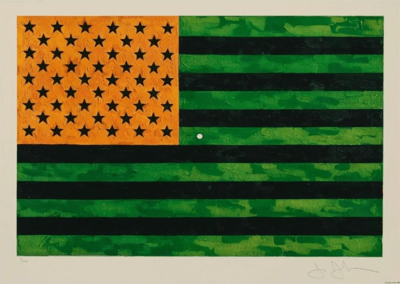
Jasper Johns
Flag (Moratorium), 1969
Limited Edition Print
Offset Print
GBP 34,000 - 42,000
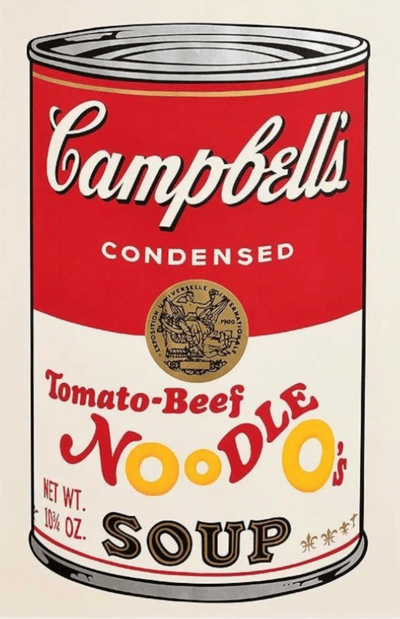
Andy Warhol
Tomato-Beef Noodle O's Soup (F. & S. II.61) (from Campbell’s Soup II), 1969
Limited Edition Print
Screen-print
GBP 50,000 - 64,000
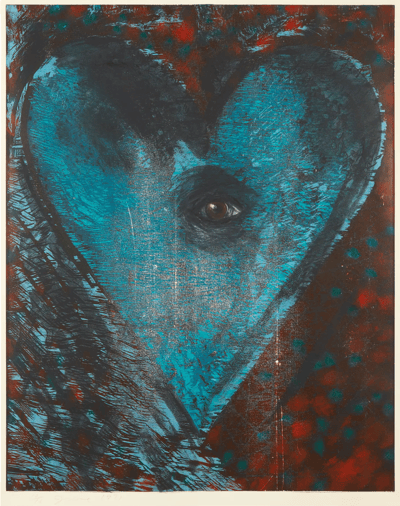
Jim Dine
The Woodcut Self, 1991
Limited Edition Print
Woodcut
USD 6,550
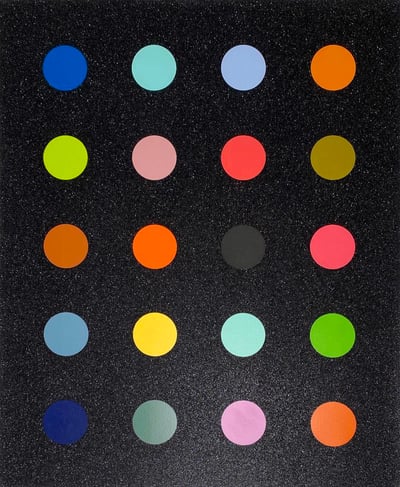
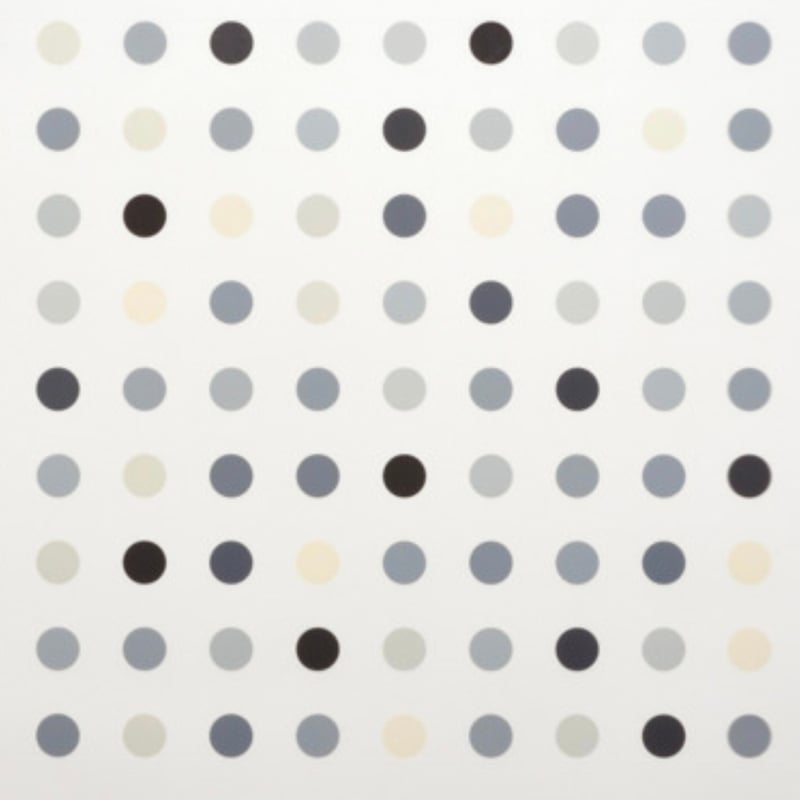
Damien Hirst
Methylamine-13c, 2014
Limited Edition Print
Silkscreen
Inquire For Price
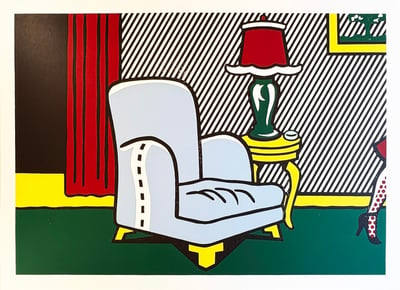
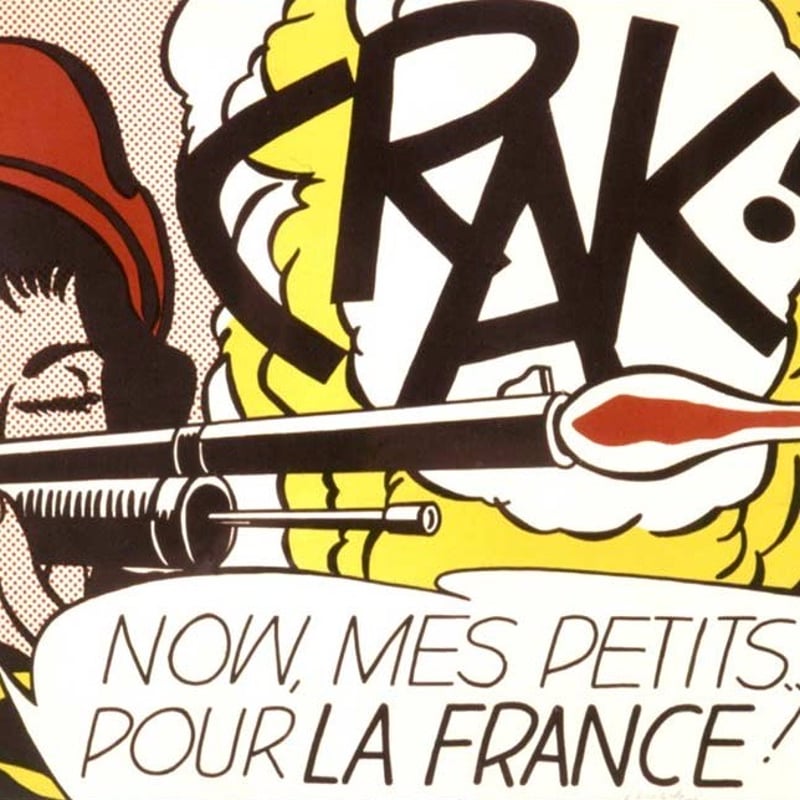
Roy Lichtenstein
La Sortie from the Interior Series, 1990
Limited Edition Print
Woodcut
Inquire For Price
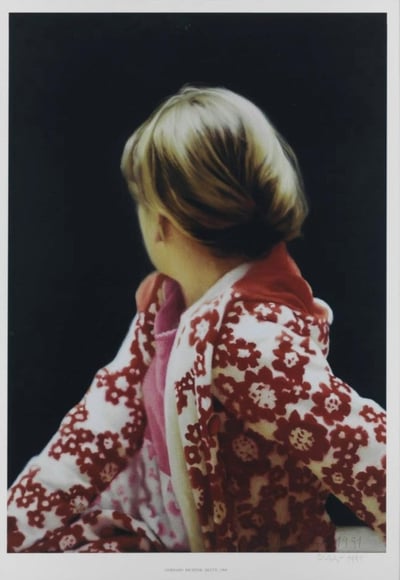
Gerhard Richter
Betty, 1991
Limited Edition Print
Offset Print
GBP 21,000 - 26,500
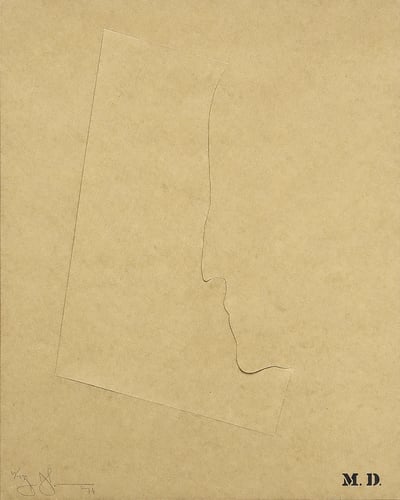
Jasper Johns
M. D., 1974
Limited Edition Print
Mixed Media
USD 4,750
Related Articles


Magnum Photos is a photographic cooperative founded in 1947 by four photographers: Robert Capa, Henri Cartier-Bresson, George Rodger, and David Chim Seymour. Based in New York, the organization was created to give photographers the freedom to document the human condition with compassion and integrity. Magnum Photos has an extensive historical image library, capturing world events and offering a unique perspective on global history.

Pastel is an art medium in stick form made from powdered pigment and a binder. The pigments used in pastels are the same as those in other colored art media. The color effect of pastels closely resembles that of dry pigments, more so than any other medium. Artworks created with pastels are called pastel paintings, pastel drawings, or simply pastels. The term pastel can also refer to the process of creating art using pastel sticks.

Marble is a rare and expensive metamorphic rock composed of recrystallized limestone. It has been used for centuries to create statues, decorative floors, and walls due to its translucency and durability. Marble is ideal for both free-standing statues and relief sculptures. When carving, the material is chiseled away in small increments to achieve the desired form.
Can't find your Answer?
Thank you! Your question has been sent — we'll get back to you shortly.
