For the Blue Sons of the Air, 1990
Form
Medium
Size
- Inches
- Centimeters
Edition
Price
- Authenticity Guaranteed
- Insured Shipping
- Online Since 2005

Sam Francis
Untitled (SF-329), 1988
Limited Edition Print
Lithograph
USD 8,400
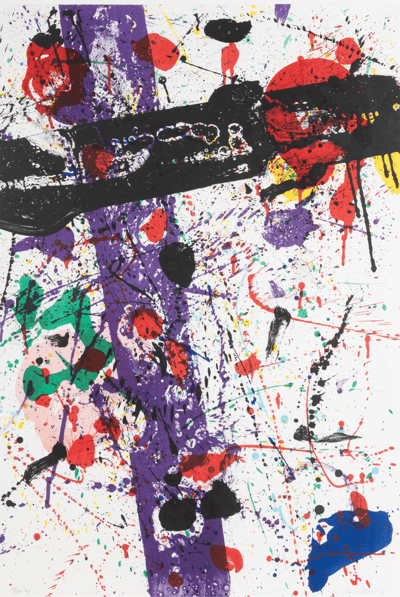
Sam Francis
Untitled (SF-272), 1984
Limited Edition Print
Lithograph
USD 3,850
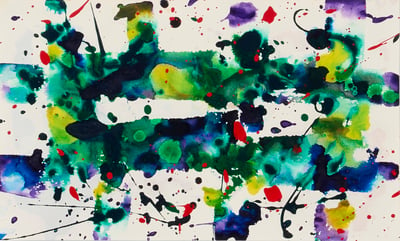
Sam Francis
Untitled (SF78-1010), 1978
Drawing / Watercolor
Acrylic on paper
EUR 21,200
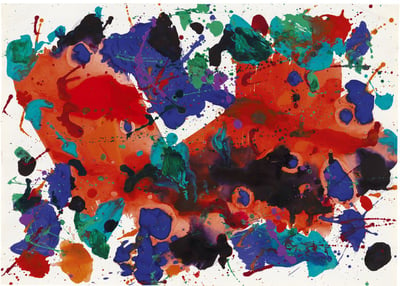
Sam Francis
Untitled (SF82-263), 1982
Painting
Acrylic on paper
Inquire For Price
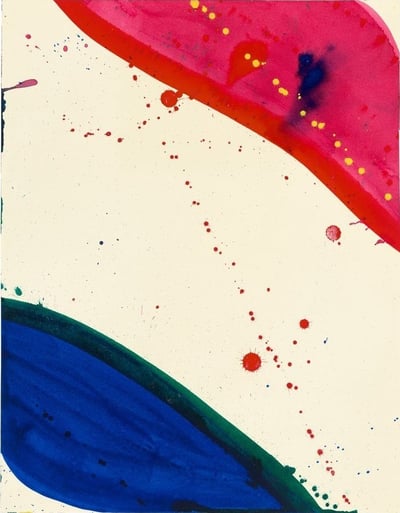
Sam Francis
Vert Francaise, 1963
Painting
Acrylic on paper
Inquire For Price
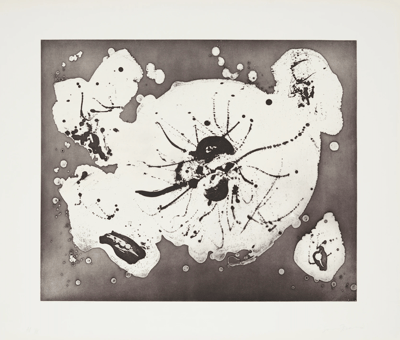
Sam Francis
Island Plate, 1973
Limited Edition Print
Etching and Aquatint
Inquire For Price
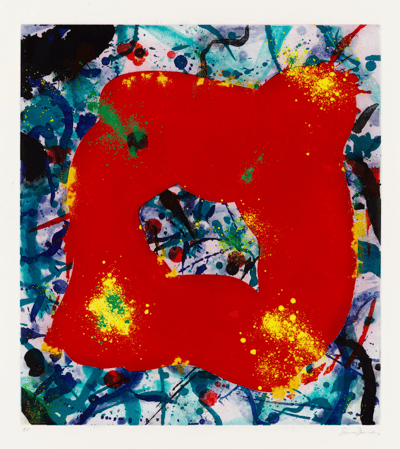
Sam Francis
Untitled (SFE-071), 1989
Limited Edition Print
Mixed Media
USD 10,500
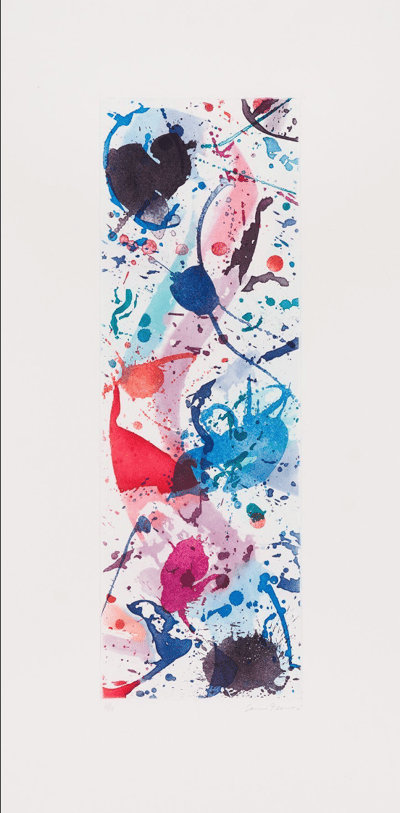
Sam Francis
Untitled (SFE-013), 1984
Limited Edition Print
Aquatint
USD 7,400
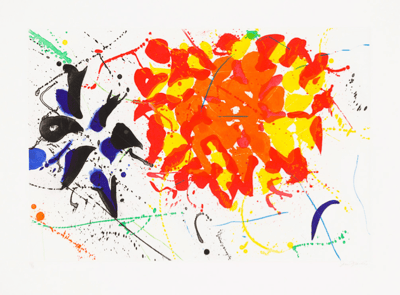
Sam Francis
Untitled Red (American Foundation), 1992
Limited Edition Print
Etching
USD 11,600
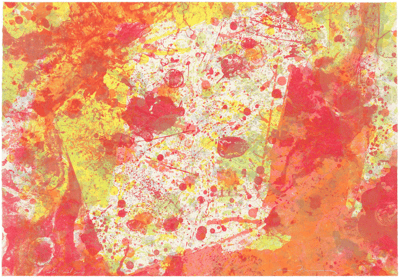
Sam Francis
And Pink (SF-143), 1973
Limited Edition Print
Lithograph
USD 11,600
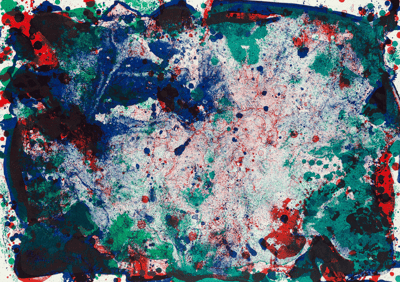
Sam Francis
Another Footprint, 1971
Limited Edition Print
Lithograph
USD 11,600
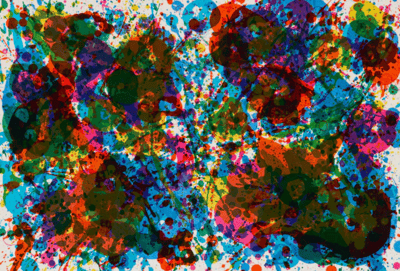
Sam Francis
Untitled (from the Fresh Air School portfolio), 1972
Limited Edition Print
Lithograph
EUR 1,850
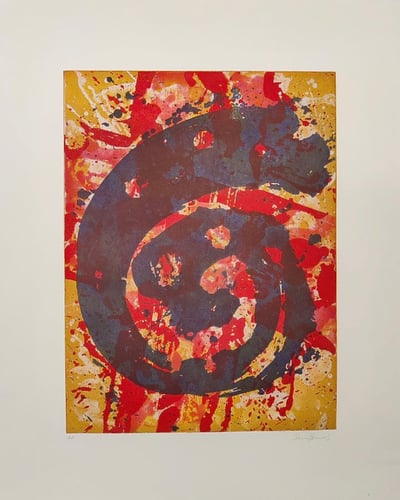
Sam Francis
Mehrfarbige Spirale, 1970
Limited Edition Print
Etching and Aquatint
USD 5,250
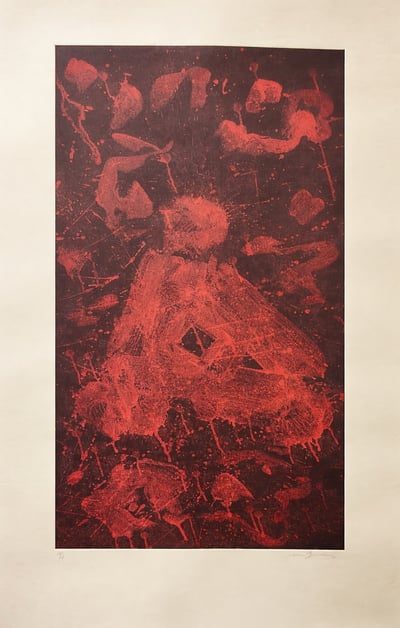
Sam Francis
Untitled (SFE-021), 1984
Limited Edition Print
Aquatint
USD 5,250
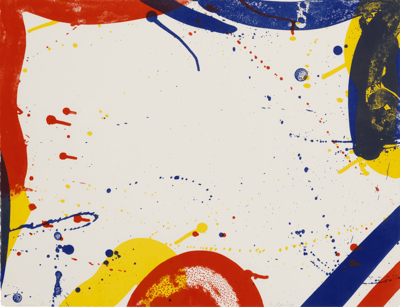
Sam Francis
Untitled (from Portfolio 9), 1967
Limited Edition Print
Lithograph
USD 6,000
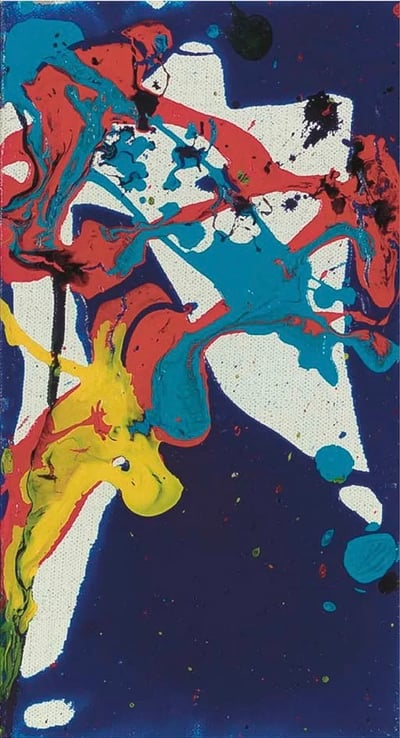
Sam Francis
Untitled, 1988
Painting
Acrylic on canvas
Inquire For Price
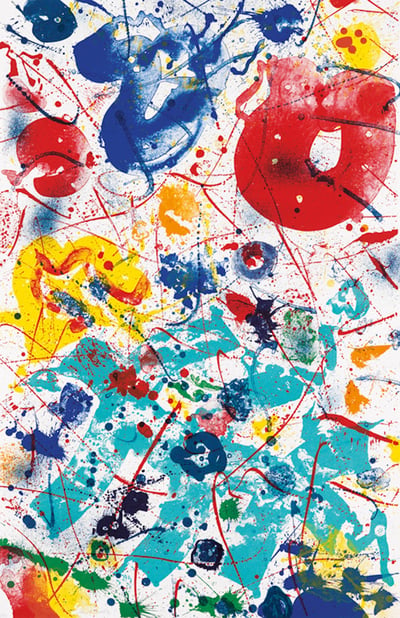
Sam Francis
Untitled (SF-358), 1993
Limited Edition Print
Lithograph
EUR 8,000
Sam Francis
Private Listing
Drawing / Watercolor
request info
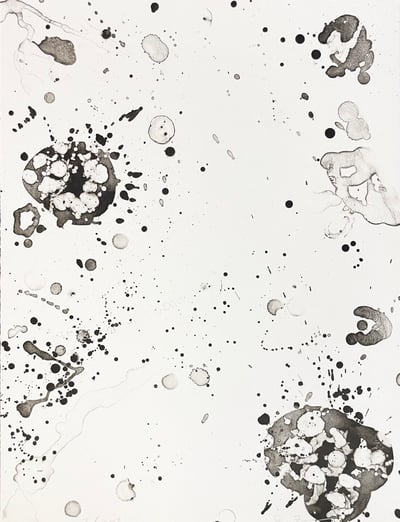
Sam Francis
Spring Solution, 1972
Limited Edition Print
Lithograph
Inquire For Price
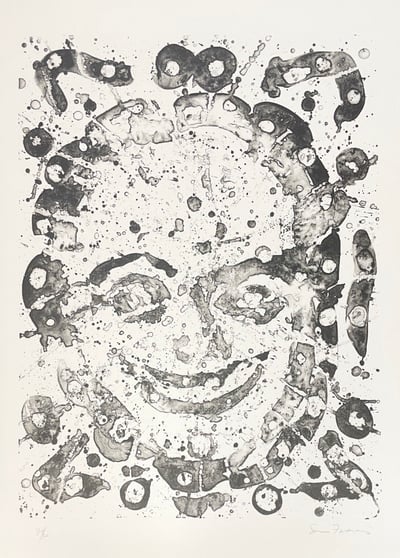
Sam Francis
Self Portrait (SF-051), 1976
Limited Edition Print
Lithograph
Inquire For Price
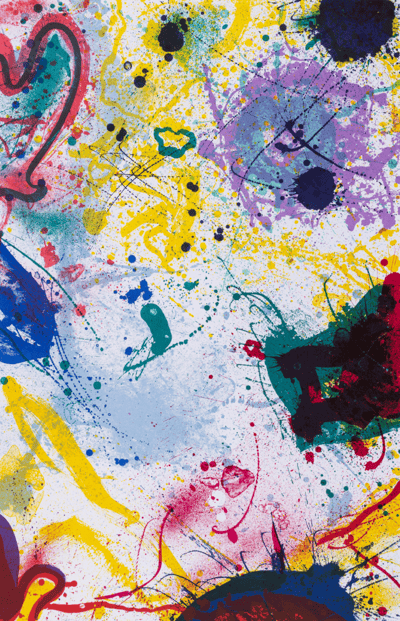
Sam Francis
Untitled (SF-345), 1991
Limited Edition Print
Lithograph
USD 20,000 – 25,000
Sam Francis
Private Listing
Drawing / Watercolor
request info
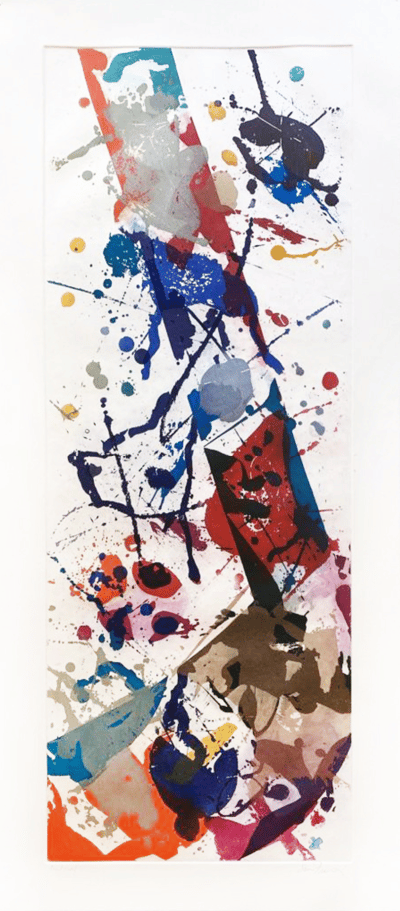
Sam Francis
Untitled (SFE-029), 1983
Limited Edition Print
Aquatint
USD 14,400
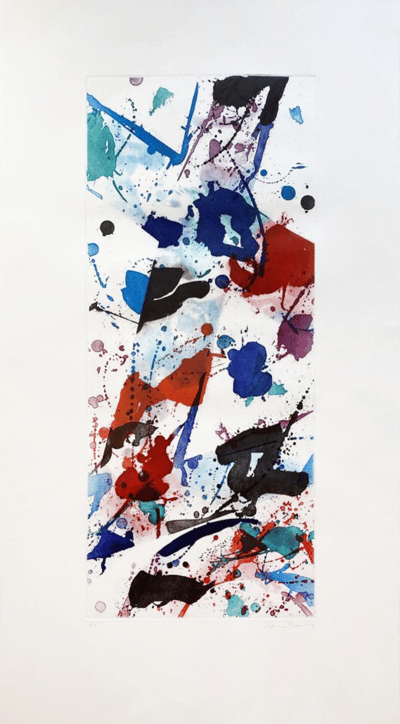
Sam Francis
Untitled (SFE-014), 1984
Limited Edition Print
Aquatint
USD 12,900

Sam Francis
Untitled (SFE-072), 1989
Limited Edition Print
Mixed Media
USD 9,600
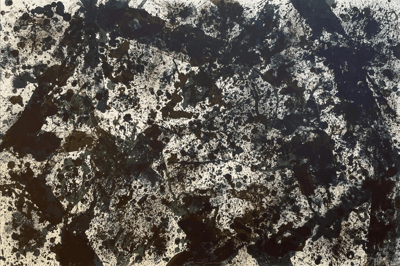
Sam Francis
Dark Cup (SF-141), 1973
Limited Edition Print
Lithograph
USD 6,700
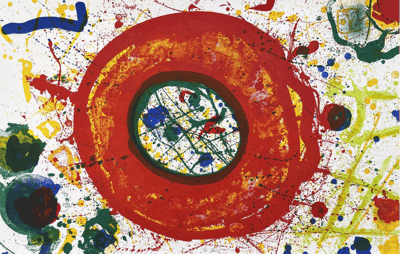
Sam Francis
Untitled (SF-356), 1992
Limited Edition Print
Lithograph
USD 14,400

Sam Francis
Untitled (SFE-073RC), 1973
Limited Edition Print
Etching and Aquatint
USD 7,800
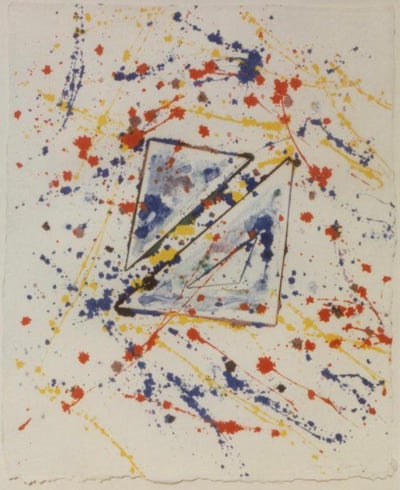
Sam Francis
In, On and Of paper, #1, 1977
Drawing / Watercolor
Mixed Media
USD 32,000 – 36,000
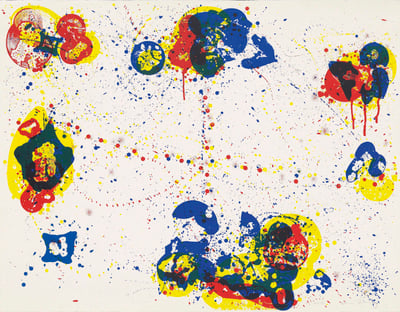
Sam Francis
Web (SFS-136), 1972
Limited Edition Print
Screen-print
USD 23,000
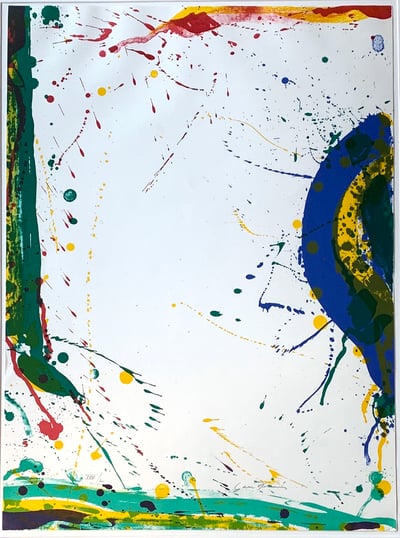
Sam Francis
Untitled (SF-315), 1986
Limited Edition Print
Lithograph
USD 8,500
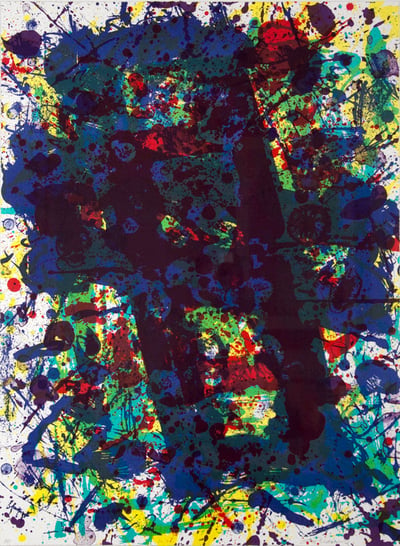
Sam Francis
Untitled from the Papierski Portfolio, 1992
Limited Edition Print
Lithograph
EUR 6,000
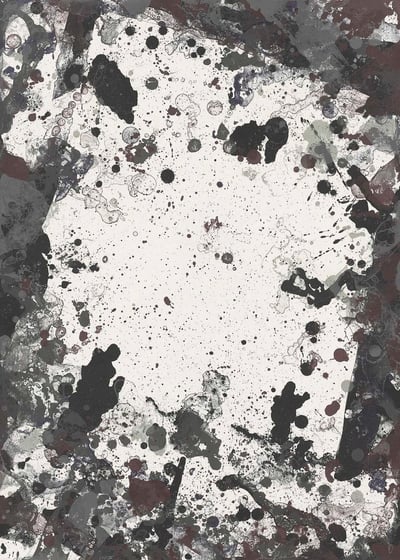
Sam Francis
Metal Line, 1971
Limited Edition Print
Lithograph
USD 8,500
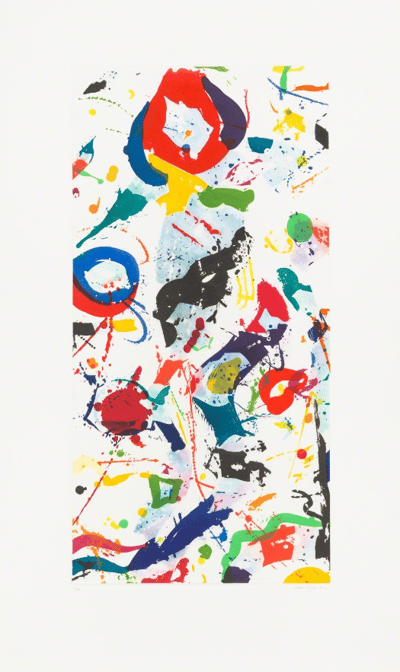
Sam Francis
SFE 079, 1992
Limited Edition Print
Etching
Currently Not Available
Related Artists
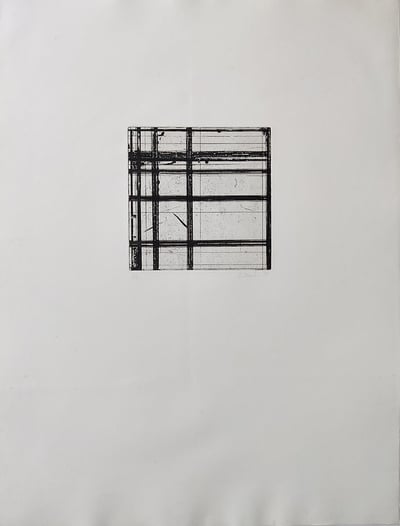
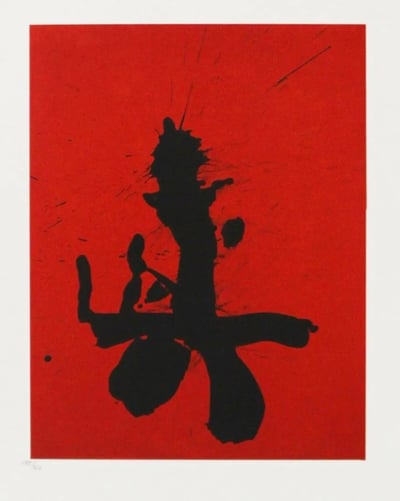
Related Articles
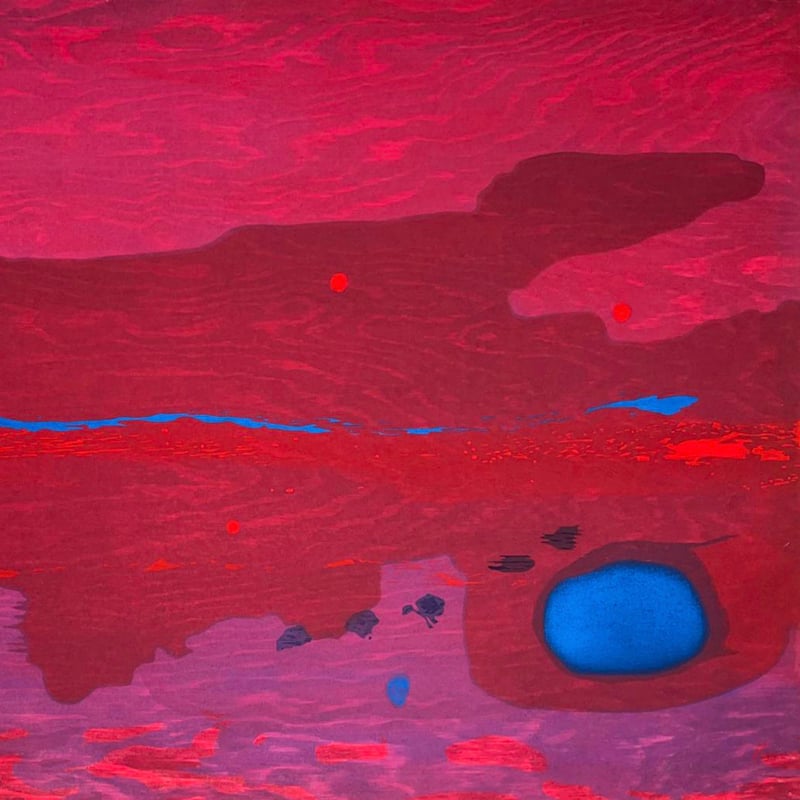
Popular, Art Movements - November 20, 2024
Understanding Abstract Expressionism: Emotion and Gesture
Explore the emotional depth of Abstract Expressionism! Discover how artists like Pollock and Rothko used gesture and color to convey human complexity.Read More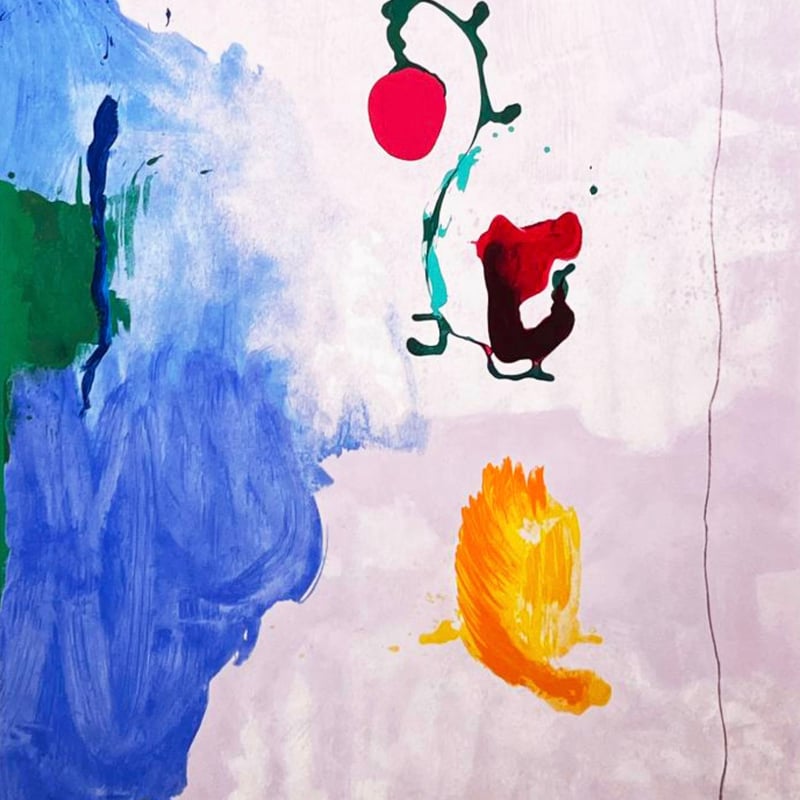
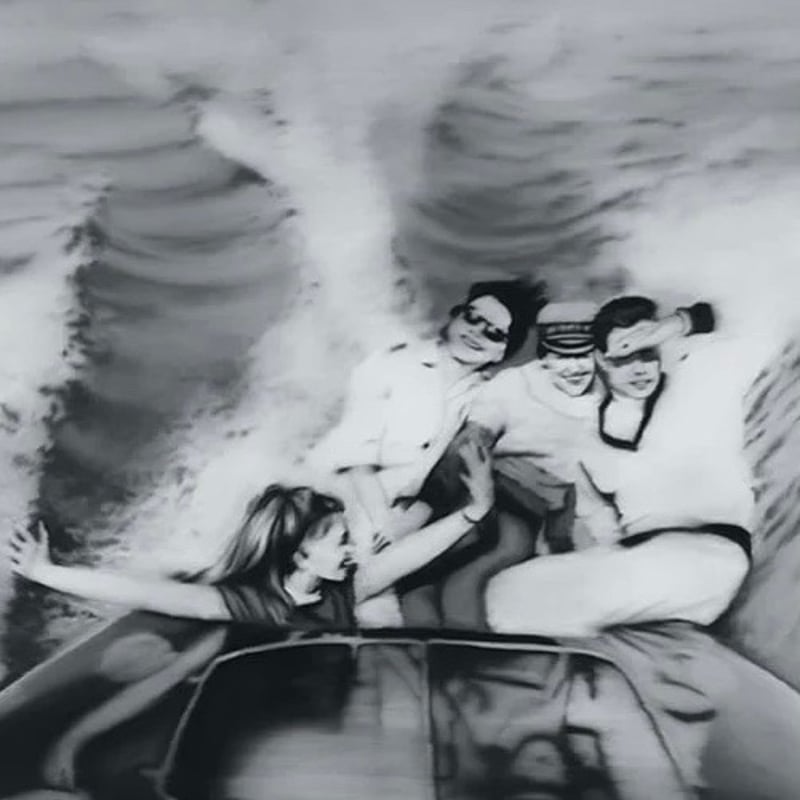
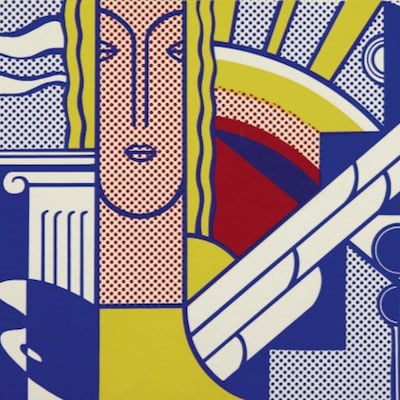
What is late modernism?
Late Modernism refers to the continuation and evolution of Modernist principles in art, architecture, and literature from the mid-20th century into the late 20th century. This movement maintains a focus on form, abstraction, and the rejection of traditional styles, but it often incorporates more complexity and ambiguity compared to early Modernism. Late Modernism explores themes such as alienation, identity, and the fragmentation of reality, reflecting the social and cultural shifts of the post-war period. It is seen in the works of architects like Louis Kahn and artists like Francis Bacon, who pushed the boundaries of Modernism while responding to the changing world around them.


