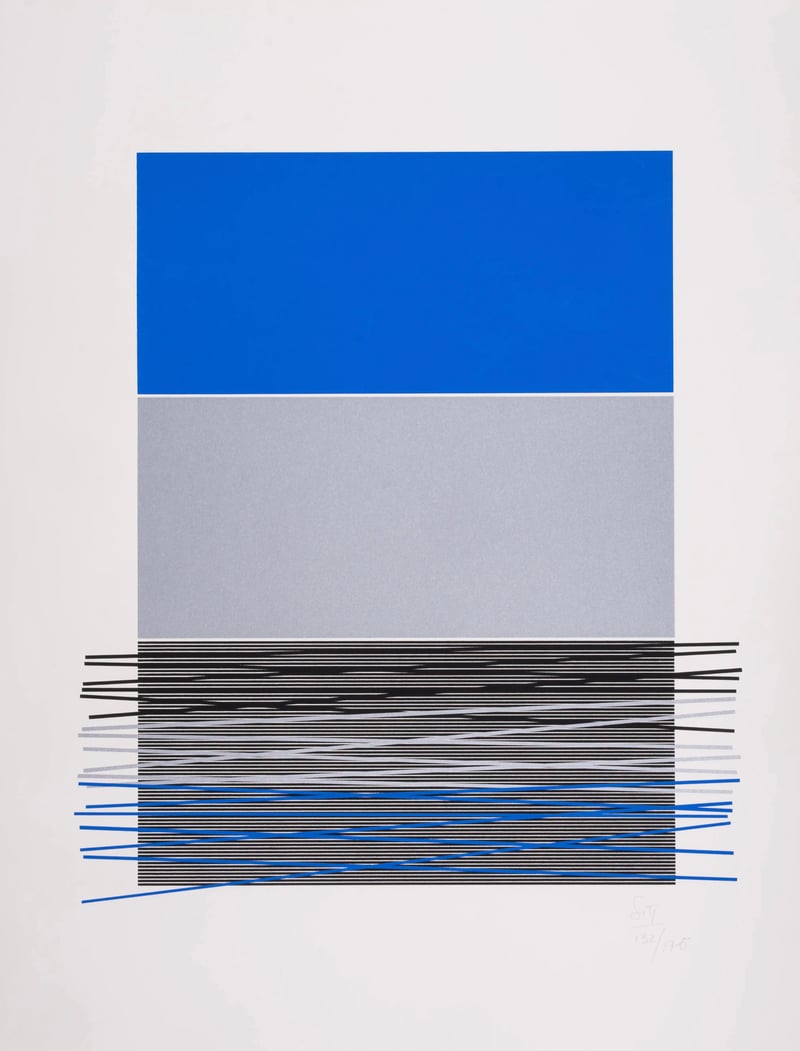
Untitled (Blue Horizon Lines), 1976
Form
Medium
Size
- Inches
- Centimeters
Edition
Price
- USD
- EUR
- GBP
- CHF
- Authenticity Guaranteed
- Insured Shipping
- Online Since 2005
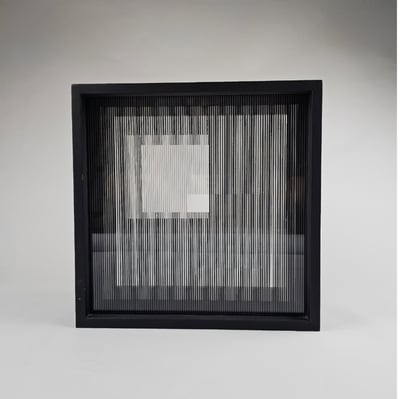
Rafael Jesus Soto
Kinetic Box, 1964
Sculpture / Object
Screen-print
USD 22,000
Rafael Jesus Soto
Untitled (Blue Horizon Lines), 1976
Limited Edition Print
Screen-print
USD 1,875
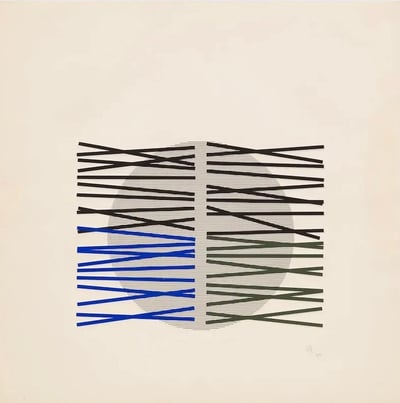
Rafael Jesus Soto
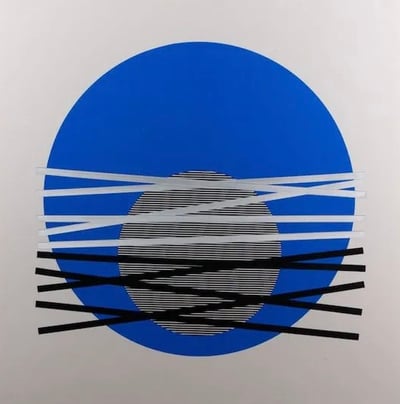
Untitled (circles and lines), 1970
Limited Edition Print
Screen-print
EUR 3,750
Rafael Jesus Soto
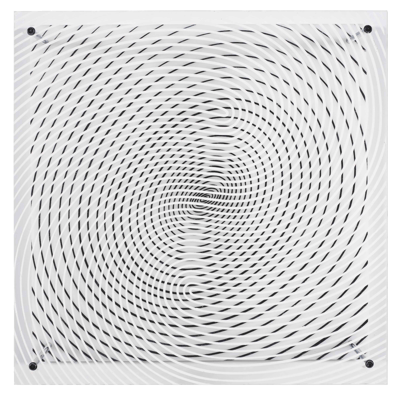
Composición, 1971
Limited Edition Print
Silkscreen
EUR 3,125
Rafael Jesus Soto
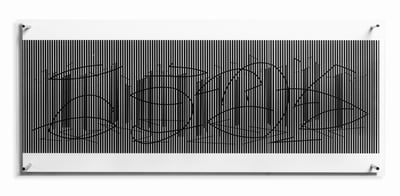
Espiral Doble, 1979
Sculpture / Object
Mixed Media
USD 8,950
Rafael Jesus Soto
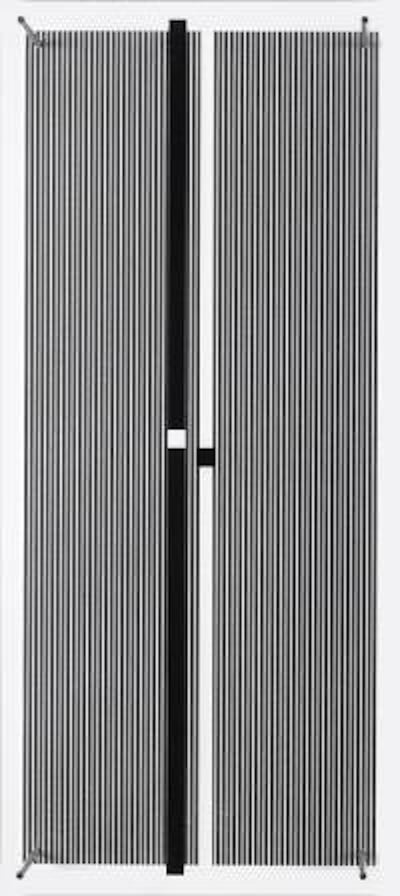
Escritura, 1979
Sculpture / Object
Mixed Media
Artwork On Hold
Rafael Jesus Soto
Permutacion, 1979
Sculpture / Object
Mixed Media
USD 8,950
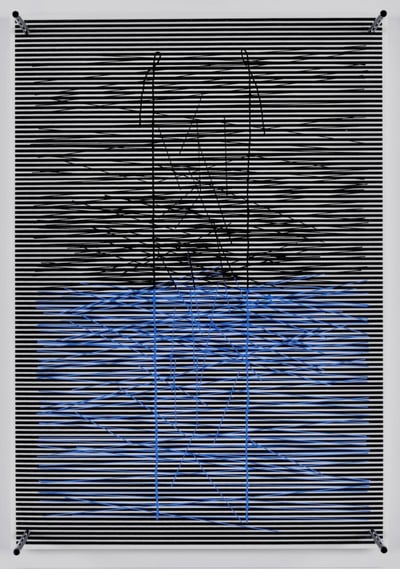
Rafael Jesus Soto
La Escalera Azul , 1979
Sculpture / Object
Mixed Media
USD 8,950
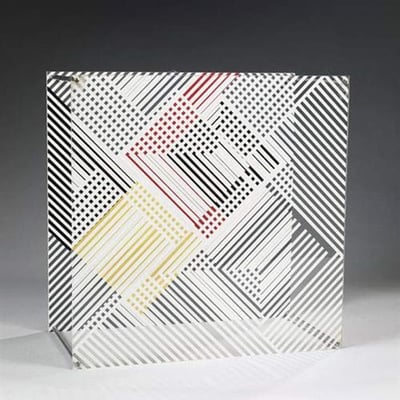
Rafael Jesus Soto
Sotomagie II, 1967
Sculpture / Object
Mixed Media
USD 8,950
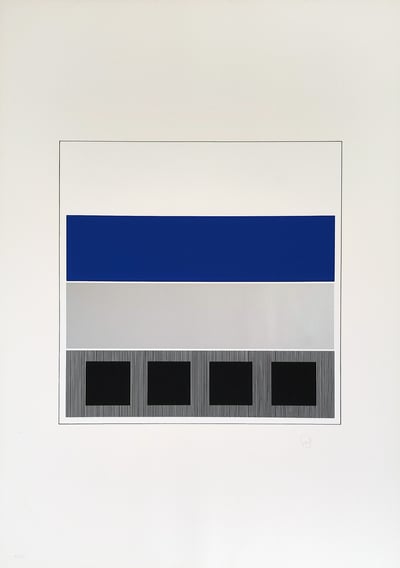
Rafael Jesus Soto
Caroni, 1971
Limited Edition Print
Silkscreen
EUR 1,270
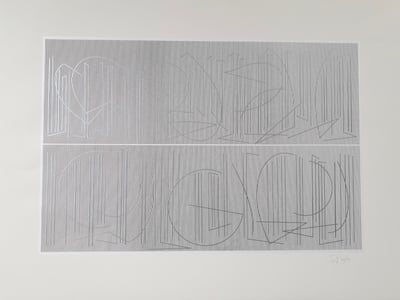
Rafael Jesus Soto
Untitled (Silver Lines)
Limited Edition Print
Screen-print
GBP 2,800
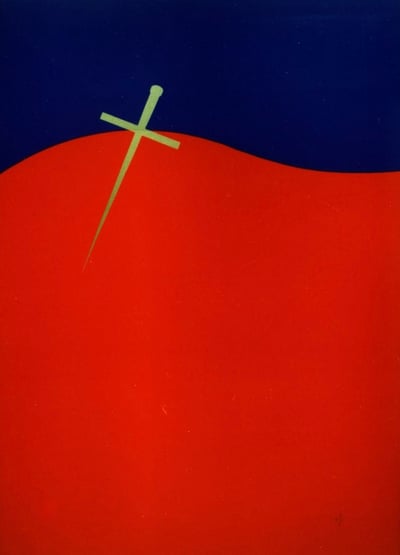
Rafael Jesus Soto
Homage to Federico Garcia Lorca, 1999
Limited Edition Print
Silkscreen
EUR 800
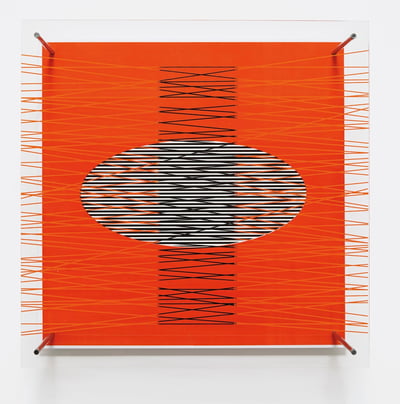
Rafael Jesus Soto
Óvalo en el rojo, 1979
Sculpture / Object
Mixed Media
USD 8,950
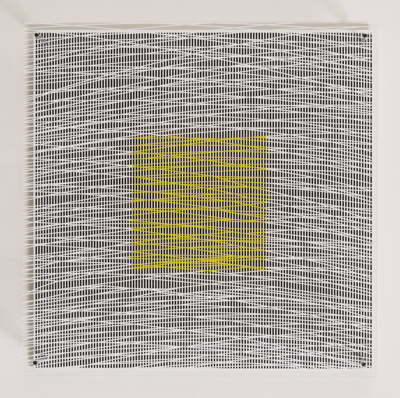
Rafael Jesus Soto
Cuadrado y Curvas Virtuales, 1979
Sculpture / Object
Mixed Media
USD 8,950
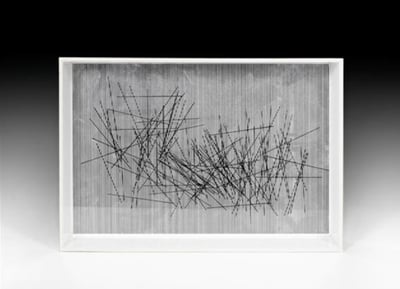
Rafael Jesus Soto
Vibrations, 1967
Sculpture / Object
Acrylic sculpture
EUR 9,200
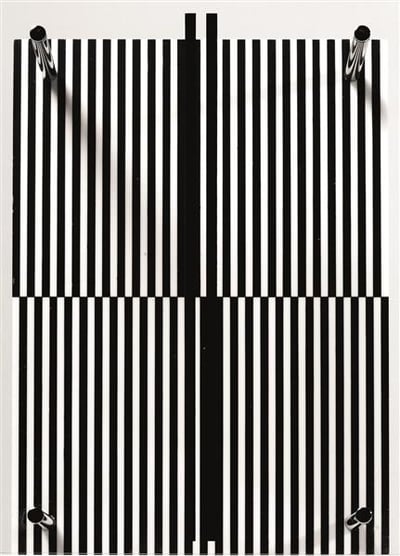
Rafael Jesus Soto
Permutation, 1955-1978
Sculpture / Object
Object
EUR 5,500
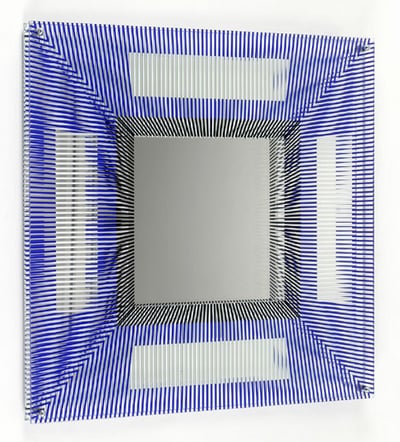
Rafael Jesus Soto
Mirroire, 2005
Sculpture / Object
Glass
EUR 10,000
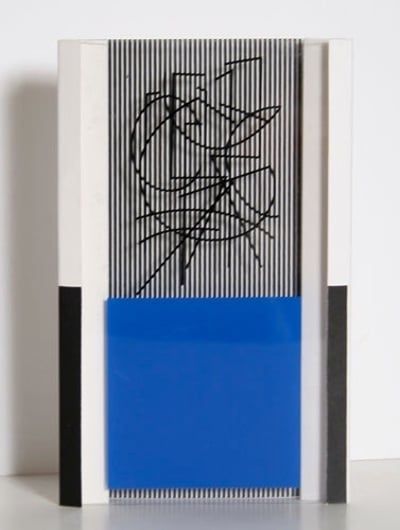
Rafael Jesus Soto
Sans Titre, 2001
Sculpture / Object
Acrylic sculpture
EUR 2,800
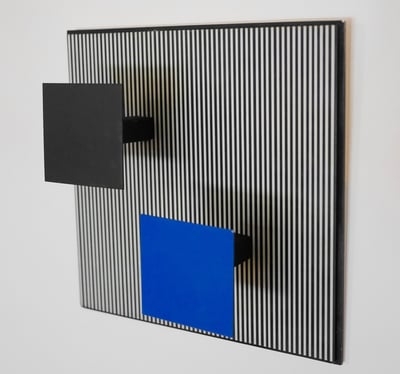
Rafael Jesus Soto
Dos Cuadraditos, 1972
Sculpture / Object
Object
Currently Not Available
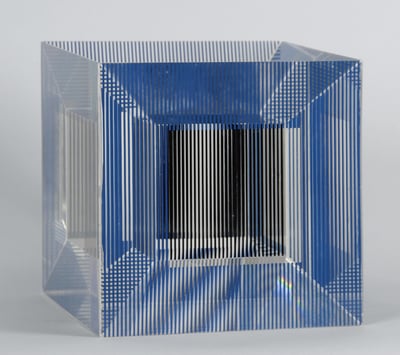
Rafael Jesus Soto
Cube with Ambiguous Space , 1981
Sculpture / Object
Object
Currently Not Available
Related Artists
Related Articles
Popular, Collecting - February 21, 2025
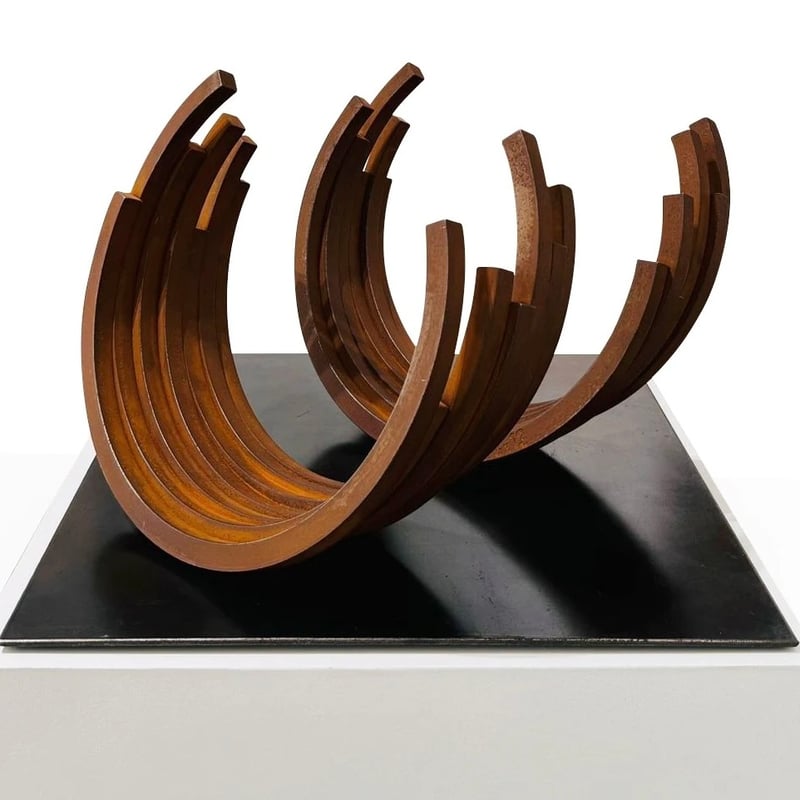
Sculpture 101: From Clay to Bronze – How Sculptures Are Made
Discover the art of sculpture! Explore traditional techniques like carving and bronze casting, plus modern innovations like 3D printing. A journey in creativity!Read More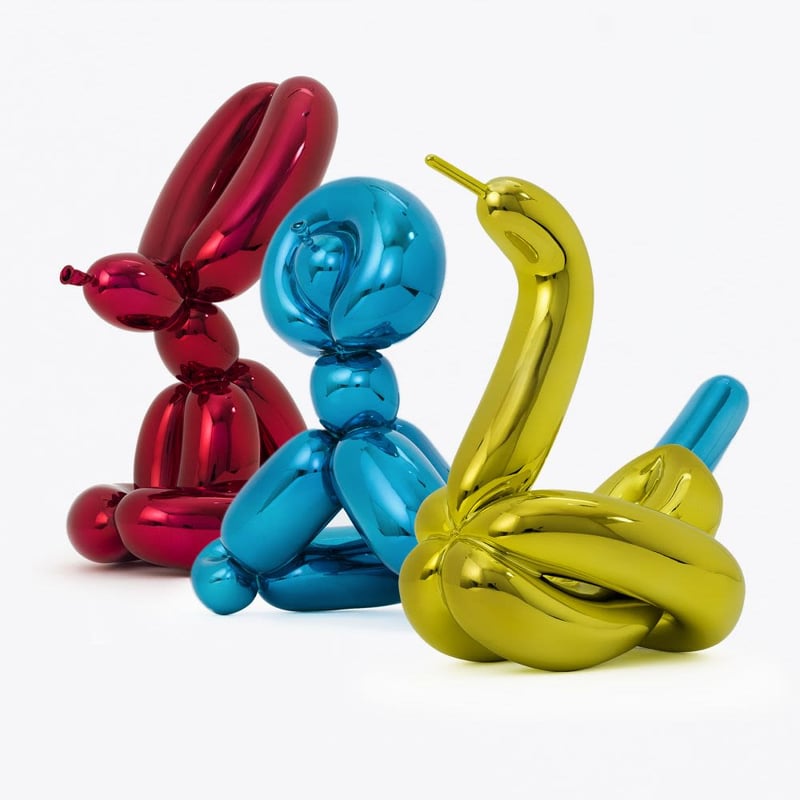
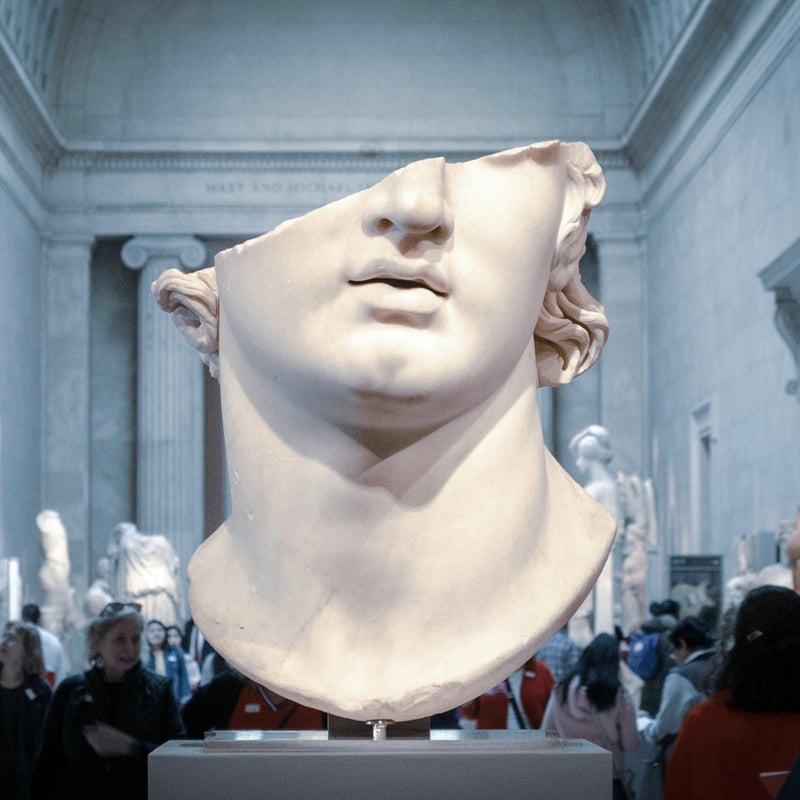
What is the Zero Movement?
ZERO was an art movement founded by Otto Piene and Heinz Mack, aiming to develop into a large international and cross-border movement. The name ZERO originated from a magazine founded by Heinz Mack in 1957, which became a platform for the group's ideas. The magazine was published for several years before ceasing in 1967. The ZERO movement sought to create a new beginning in art, emphasizing light, space, and movement, and became influential in post-war European art.

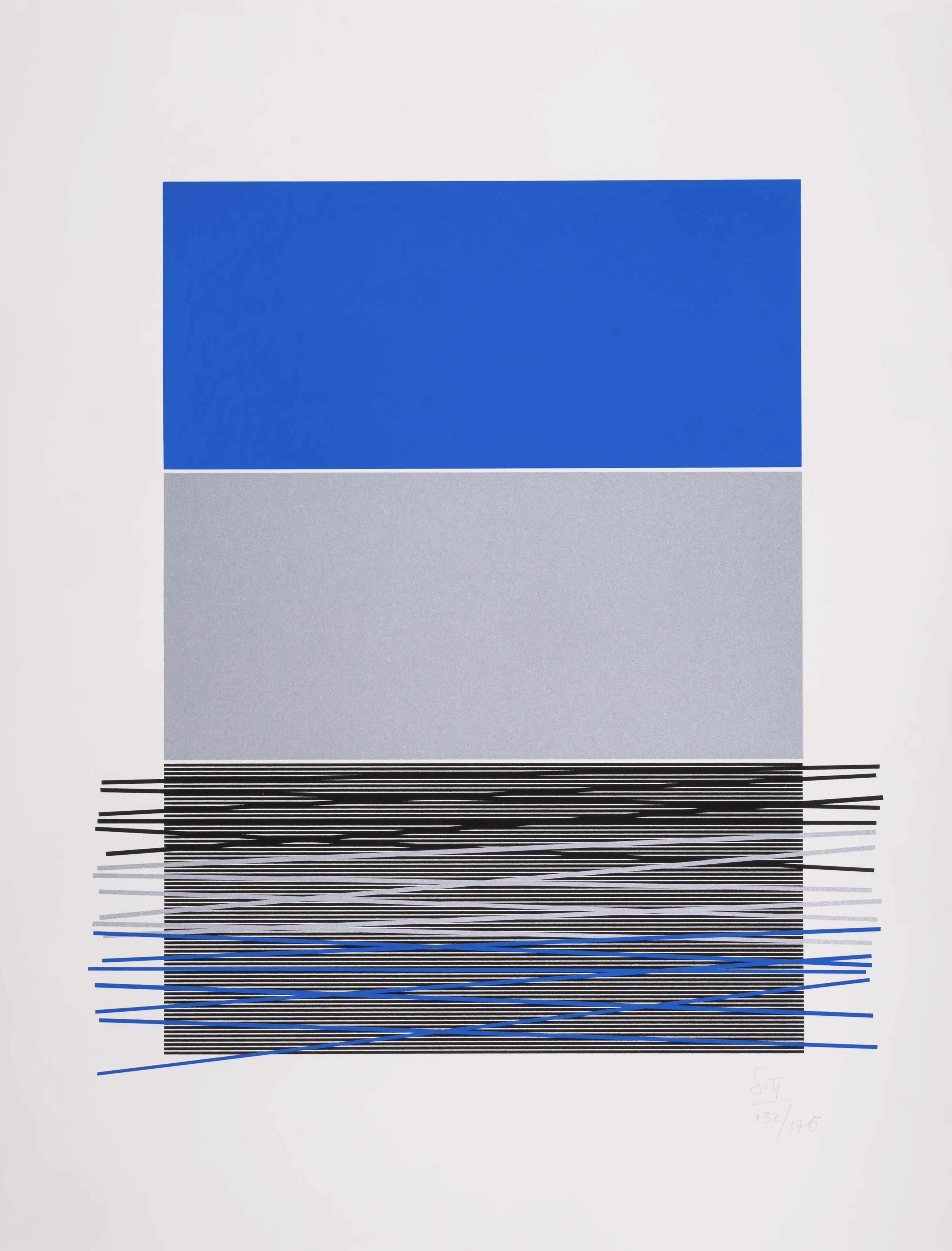
Rafael Jesus Soto
Untitled (Blue Horizon Lines), 1976
64.6 x 49.7 cm


